Search
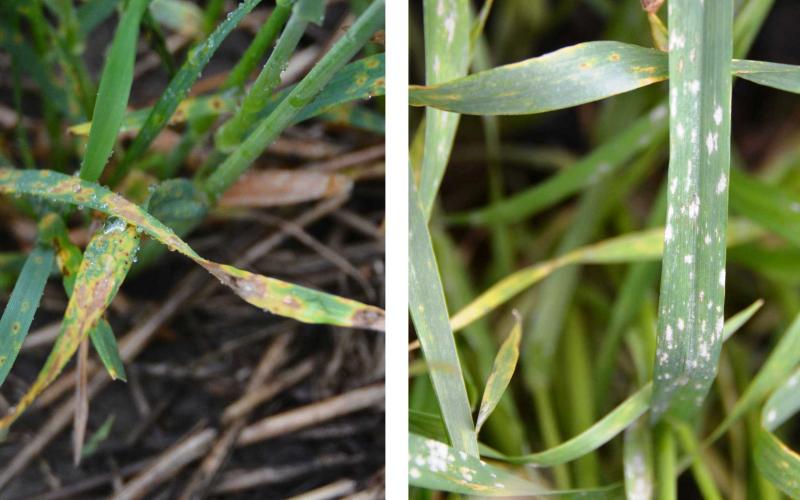
Does Early Fungicide at Tillering Result in a Profitable Yield?
Tan spot and powdery mildew pathogens are two residue-borne pathogens that can infect wheat early in the season. These diseases can lead to poor tillering, and their continued development can lead to yield loss.
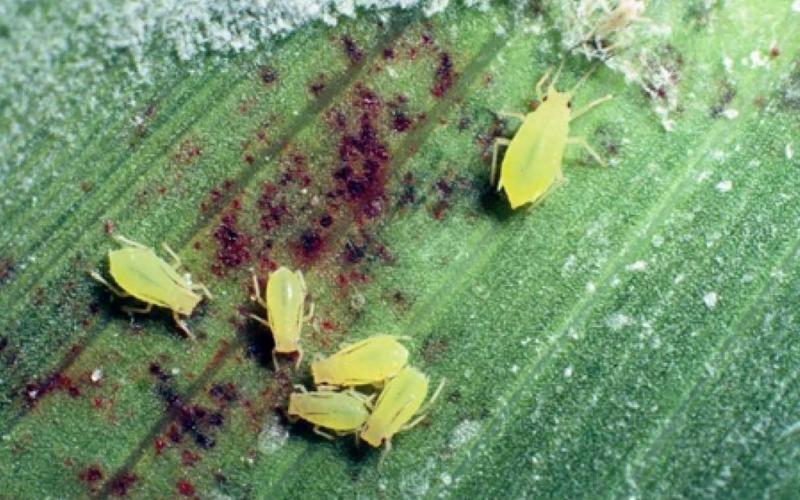
Low-Level Aphid Populations Present in Wheat
Reports of aphid populations in wheat fields have been slowly increasing in the past week. Most of these populations are well below the economic threshold, but there is a potential for them to increase.

Grasshoppers May Be an Issue for Winter Wheat This Fall
We have recently observed large populations of grasshoppers in Southeast and Western South Dakota. Due to their destructive feeding habits, it is very important to monitor their populations prior to and during winter wheat planting.
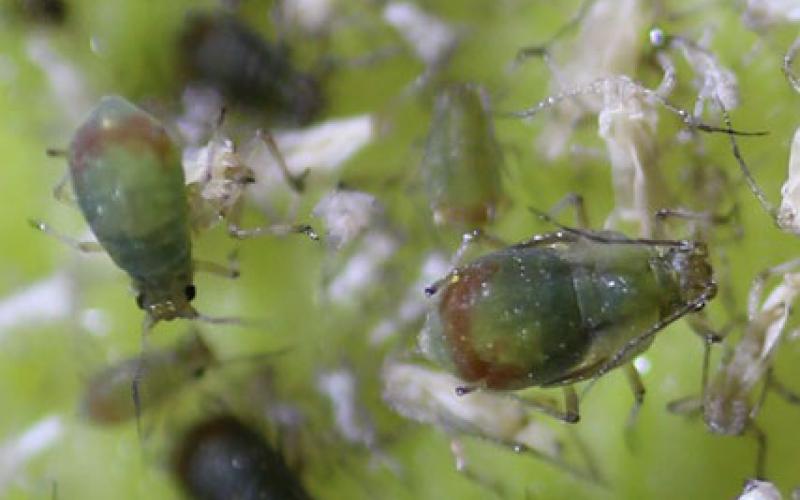
Scouting Winter Wheat for Aphid Pests
Although we cannot predict aphid pressure in winter wheat, there are measures that may be taken to reduce the risk associated with these insects.
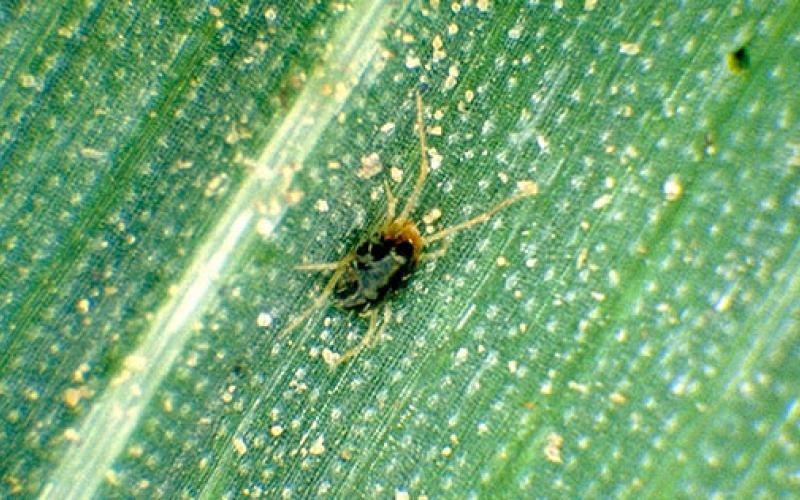
Scouting Winter Wheat for Mite Pests
Winter wheat planting is underway in South Dakota. After wheat emergence, it is important to scout for brown wheat mite and wheat curl mite populations.

SDSU Extension programs address economic questions
March 07, 2024
More than 1,000 people have attended Sustaining the Legacy since it started in 2006. The estate planning conference series helps farmers and ranchers successfully transfer their operations to the next generation. The conferences are held several times a year across South Dakota, typically for one day per week for three weeks.
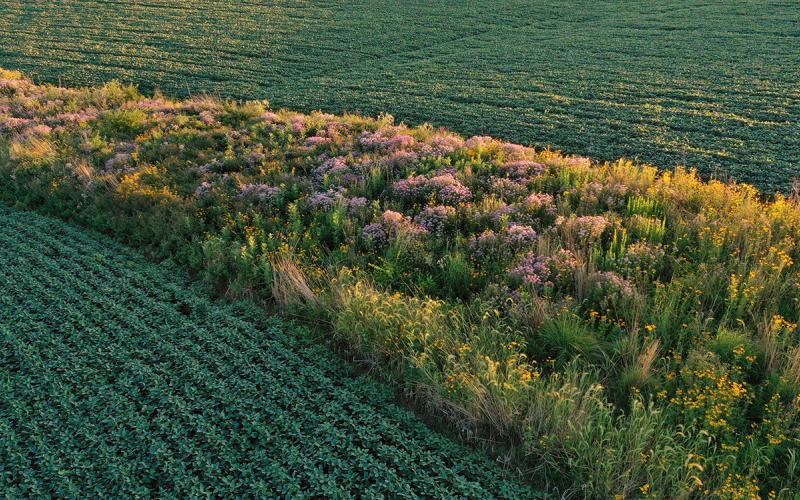
Using Prairie Strips To Protect South Dakota Water
Prairie strips are a new continuous Conservation Reserve Program practice that integrates native prairie plantings oriented linearly within a row crop field to reduce soil erosion and runoff.
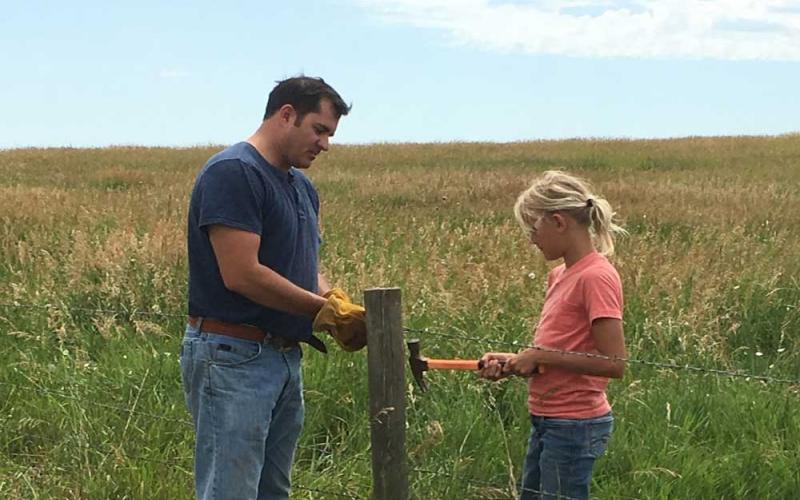
Strategic and Scenario Planning in Ranching: Conducting a Ranch Inventory
During times of belt-tightening, it’s imperative to make sure all the resources of the ranch are being utilized as efficiently as possible. Conducting a complete ranch inventory is a perfect time for ranch managers to take an in-depth look at their operation.
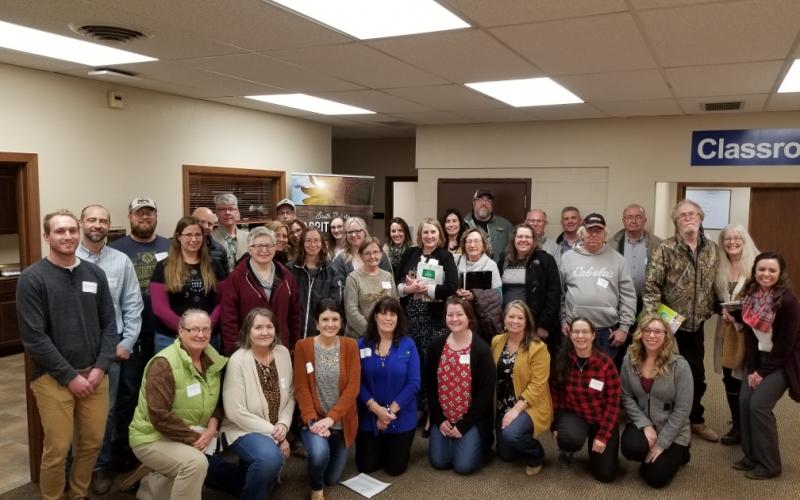
Agritourism Workshop helps South Dakota producers identify opportunities
March 27, 2020
Opportunities in agritourism for South Dakota farmers and ranchers were shared at the Agritourism Workshop held Feb. 20-21 in Pierre.

SDSU Extension welcomes new pesticide education specialist
October 12, 2023
South Dakota State University Extension is pleased to welcome Stephen Robertson as a new Pesticide Education Field Specialist.