Search
Food Safety Scientist: A Dynamic STEM Educational Adventure
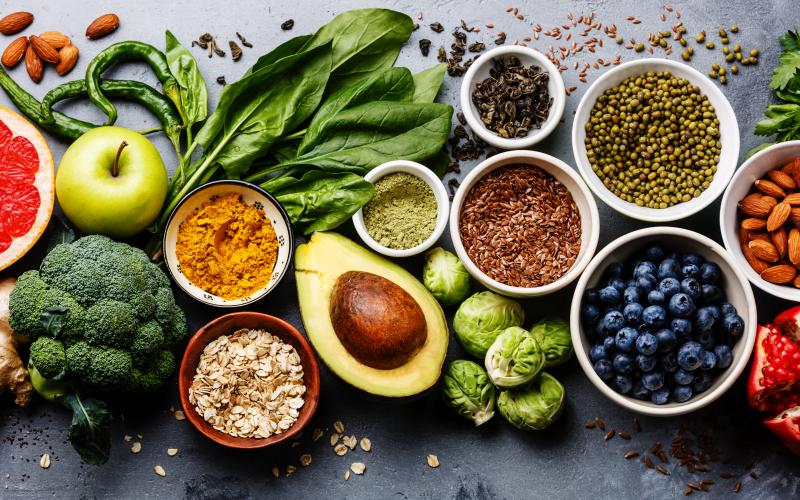
Real-life situations provide some of the greatest opportunities for students to learn how science impacts their life. Explore the common science and technological concepts in the development of a safe food supply within the classroom through the Food Safety Scientist Curriculum.
No, It’s Not a Murder Hornet.
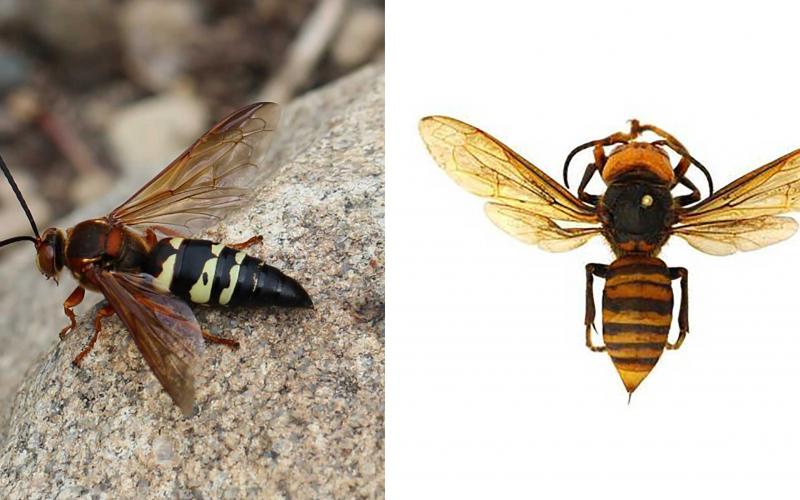
By now, you’ve probably read headlines about the Asian giant hornets (aka “murder hornets”) that were spotted in Washington state and across the border in Canada. It is important to note that Asian giant hornets have only been confirmed in a small area of Washington and Canada. These wasps have not been observed in South Dakota or our neighboring states.
Preparing for a PQA Plus Site Assessment
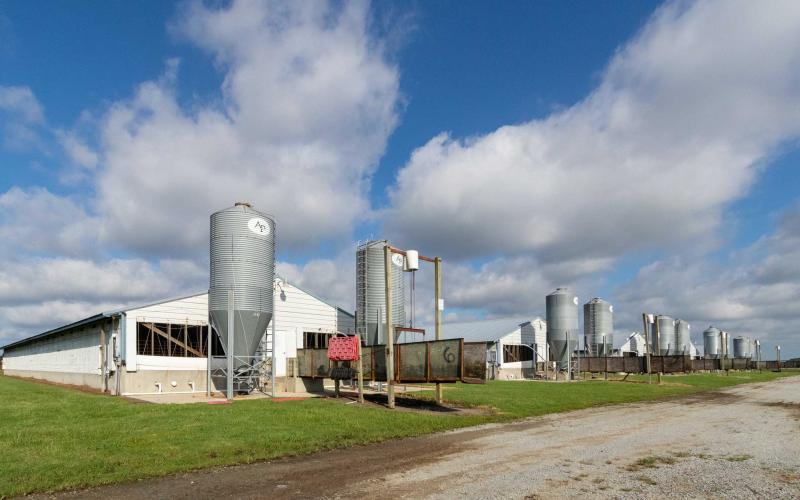
The PQA Plus site assessment is an on-farm evaluation of a production site by a qualified PQA Plus Advisor. A review of standard operating procedures and office records, including caretaker training, animal observations, and the facilities will occur during the site assessment.
Corn Emergence During Cold Weather
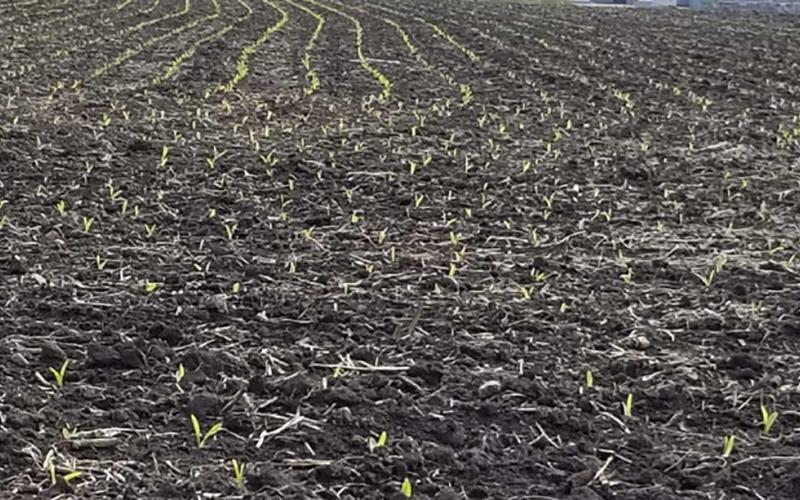
After a very welcome warm and relatively dry April, the month of May has brought winter-like temperatures again to South Dakota. Due to cold and wet conditions, concerns of the cold temperatures have been expressed by producers who have recently planted corn.
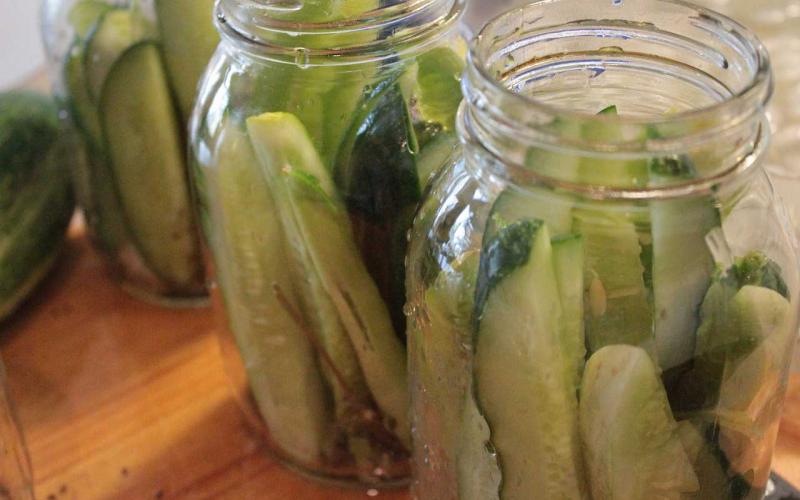
Safe Canning Recipes
One of the most common errors in home canning is not using a scientifically tested recipe. Canning a family recipe is risky as it can cause spoilage and foodborne illness.

What is This Fruit… And is it Edible?
In mid- to late-summer, we often get the questions: “What kind of fruit is this?” and “Is it edible?” To identify a fruit, it is helpful to know both plant and fruit characteristics: Woody or herbaceous plant? Vining or upright? Do the leaves attach to the stem opposite each other (i.e., paired), or do they alternate from one side of the stem to the other? What size and color are the fruit? Is each fruit’s stem attached directly to the twig, or are they in a cluster that attaches to the twig? And, one question I find often helpful in distinguishing among smaller fruits, does it have a single pit, or are there several seed in each fruit?
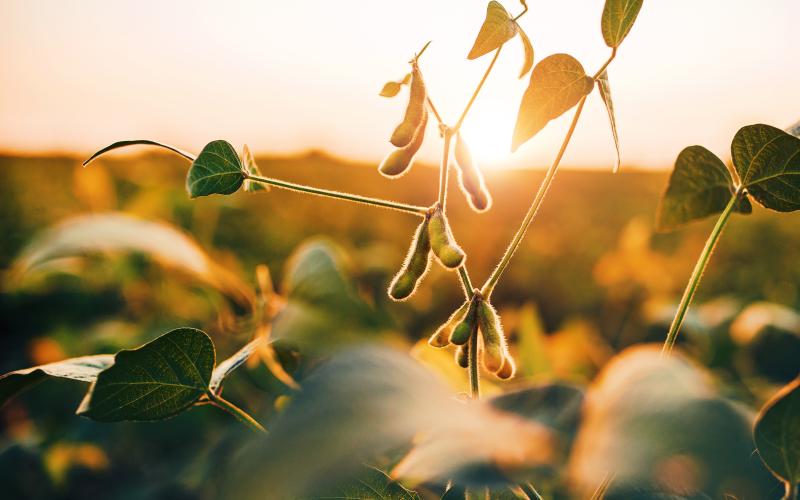
Best Management Practices for Soybean Production
This is your unbiased, research-based guide to soybean production to help increase yield, reduce input costs and protect your investment.
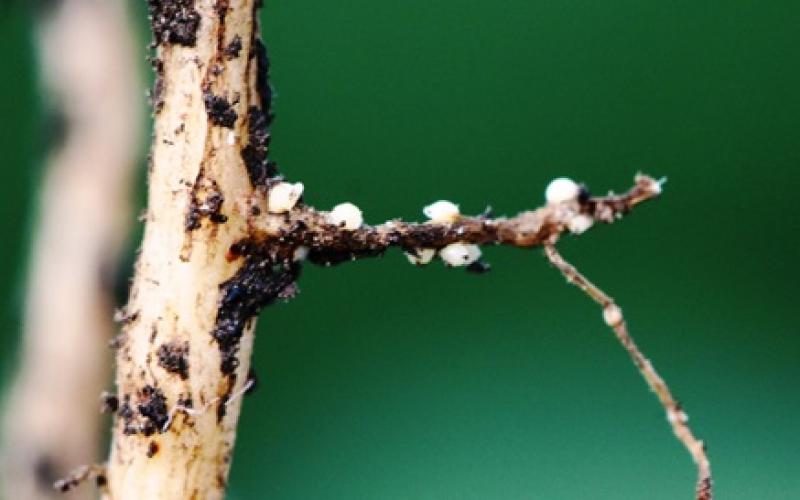
Soybean Cyst Nematode in South Dakota: History, Biology, and Management
Factsheet about Soybean Cyst Nematode history, biology and management in South Dakota
Virtual PQA Plus and TQA Certification Training Available
May 19, 2020
The National Pork Board has recently announced the opportunity to offer and complete Pork Quality Assurance (PQA) Plus and/or Transport Quality Assurance (TQA) certifications virtually.
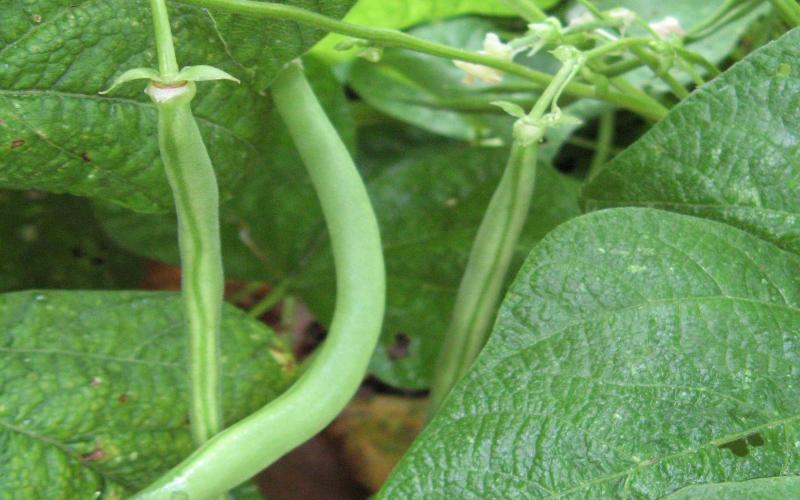
Green Beans: How to Grow It
Snap beans, also called “green beans” or “string beans” (although most modern varieties do not have strings) are harvested when the pods contain immature seeds, and the pods are still succulent.