Search
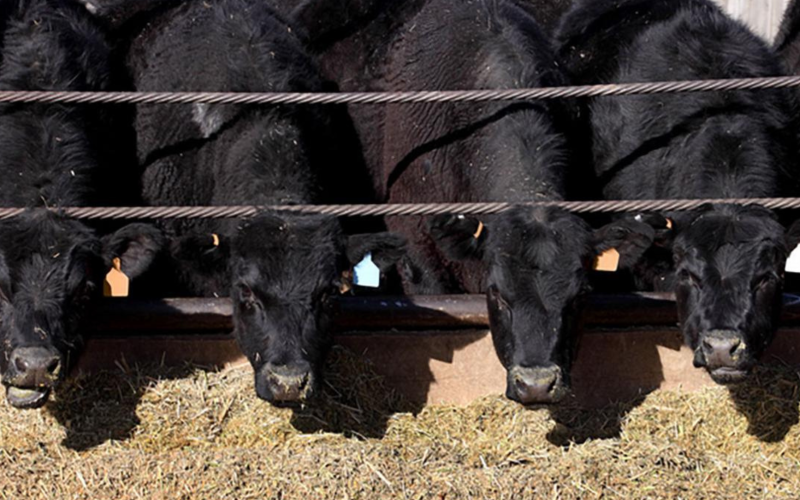
SDSU Extension co-hosting Cattlemen’s Education Day
February 03, 2026
South Dakota State University Extension, in partnership with the South Dakota Cattlemen’s Association, is hosting Cattlemen’s Education Day on Feb. 19, 2026.
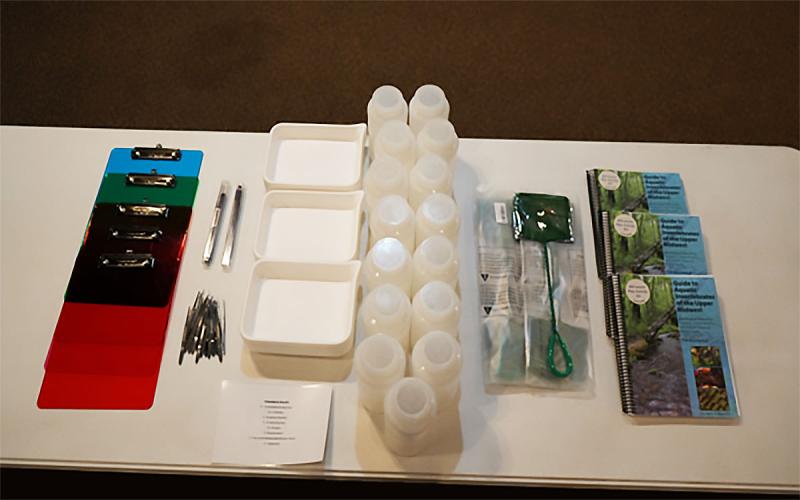
Aquatic Invasive Species Education and Outreach in South Dakota
A variety of public resources are being devoted to aquatic invasive species outreach to increase our understanding of the potential harm they can cause. These resources aim to improve our understanding of the potential vectors and pathways by which people can spread them.
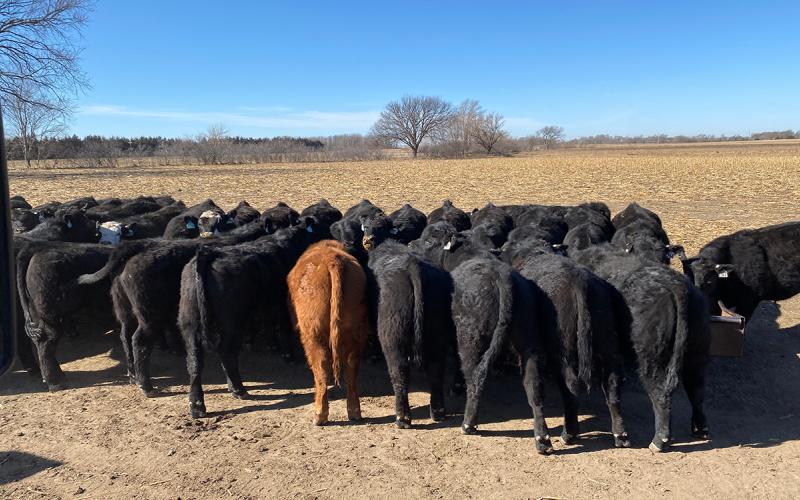
Backgrounding at Different Rates of Gain
The purpose of backgrounding is to increase calf body weight after weaning and before finishing. A recent study investigated the effects of different backgrounding systems on growing calf performance.
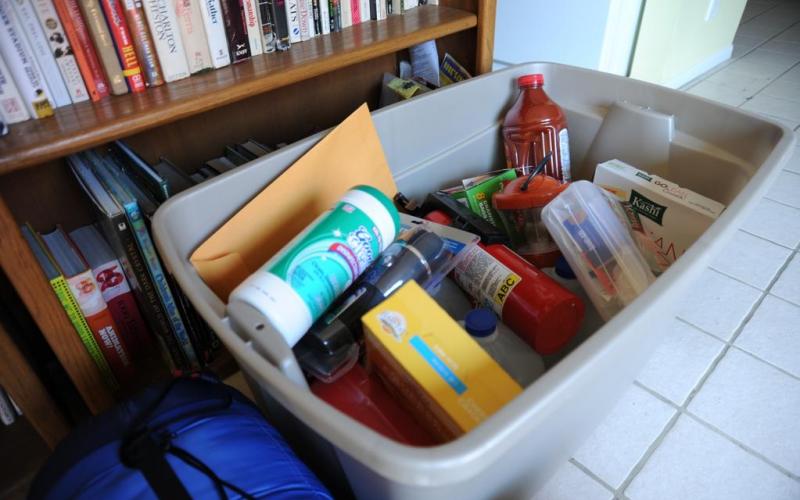
Flood Safety Considerations for Youth
Much like any event or disaster, the time to prepare for a flood is before it happens. Families should prepare for events by having a conversation with family members.
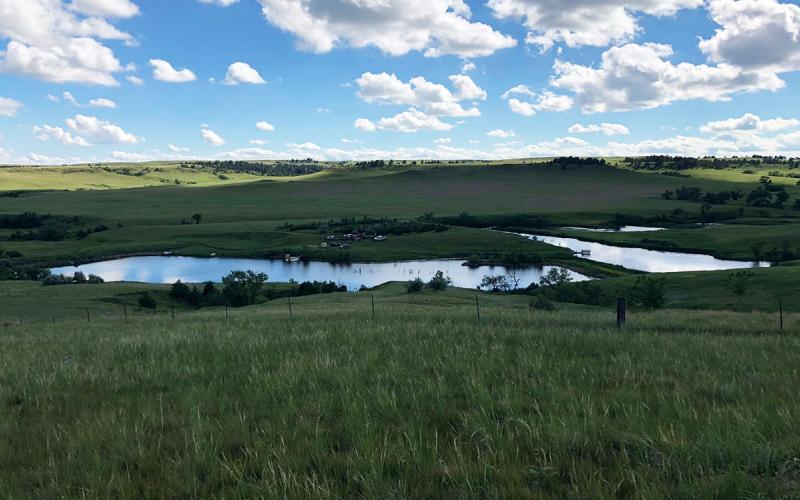
Why Grassland Management?
Grassland management involves more than simply moving livestock from one pasture to the next. Successful grassland managers are educated in grassland health and strive to improve their personal understanding of key grassland components.

Winter Management of Herd Bulls
Proactive winter bull management can positively impact reproductive performance in the upcoming breeding season. Learn some expert tips for getting herd bulls prepared for the colder months ahead.
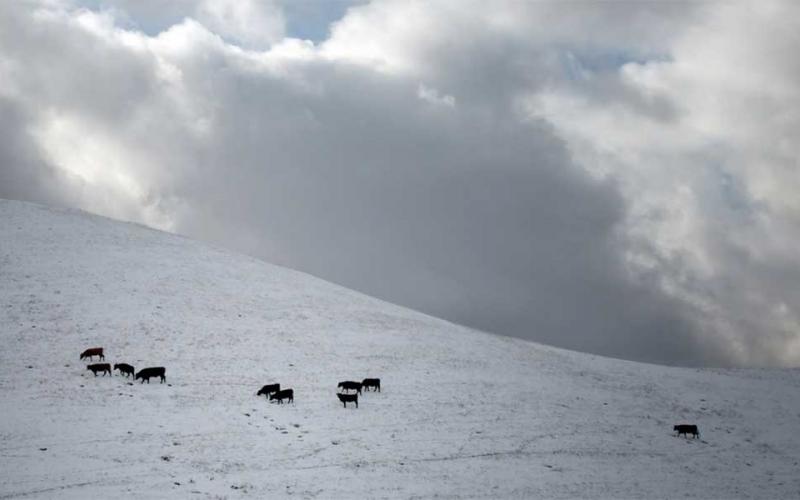
Rotational Grazing During Winter
Winter feed represents one of the largest costs for a livestock production enterprise. Grazing pasture that has been stockpiled for winter use is a rational alternative to limit costs resulting from both harvest and feeding of hay.
Lingering Health Effects in Cows and Bulls Following a Harsh Winter and Spring
While mortality directly due to harsh winter weather is much more likely in calves rather than adult cattle, older animals can be affected too, and some of those effects might linger into the days of better weather and warmer temperatures.
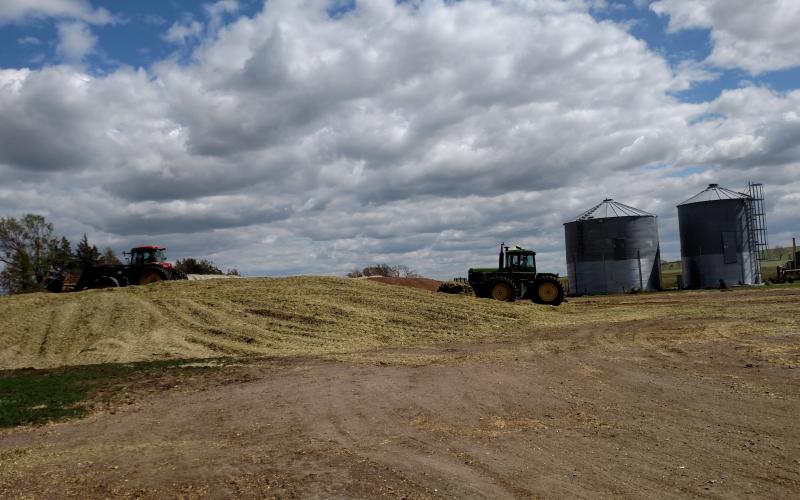
Salvaging for Silage: Tips to Minimize Loss, Maximize Value
August 09, 2021
With South Dakota rangeland and pastures rated 84% poor to very poor across the state, many cattle producers may be thinking about putting up silage for a feed source.
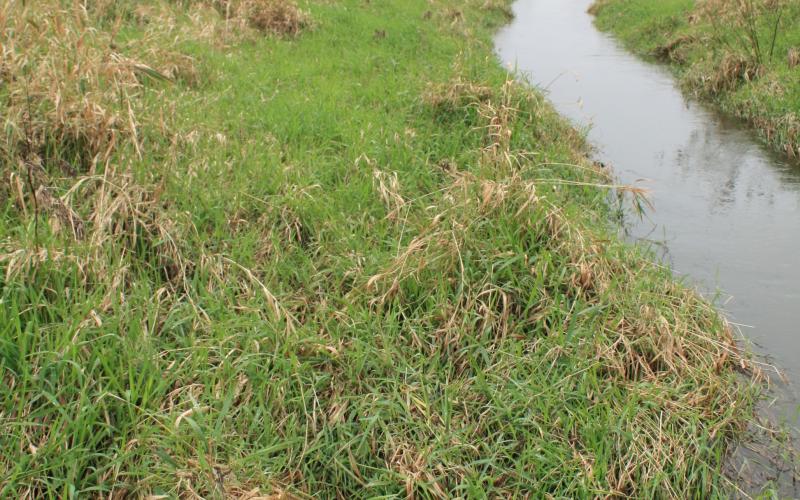
Saturated Buffer Performance, Challenges and a Path Forward
What are the challenges of a saturated buffer and can they work in other states?