Search
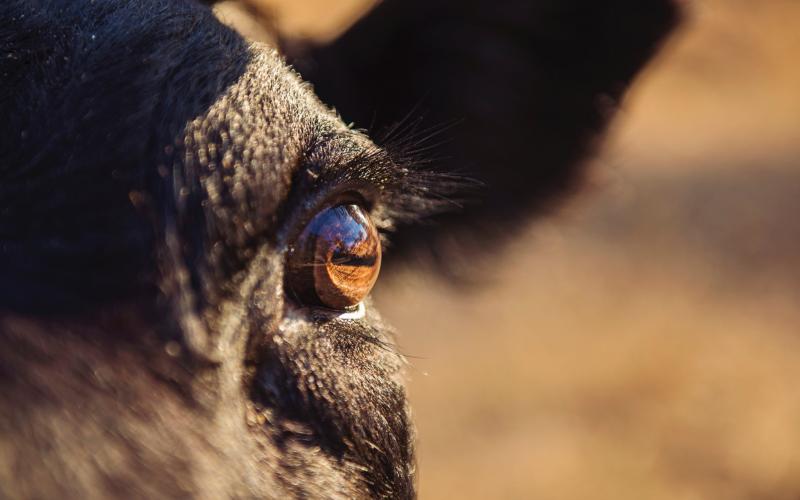
Anthrax: Vaccination Considerations
Anthrax is caused by bacteria, Bacillus anthracis, which has the ability to form very resistant spores in the soil. These spores can remain viable for many years on pasture, and become reactivated when the right environmental conditions exist. Fortunately for cattle producers, losses due to anthrax can be prevented through use of a vaccine that has proven its effectiveness through the years.
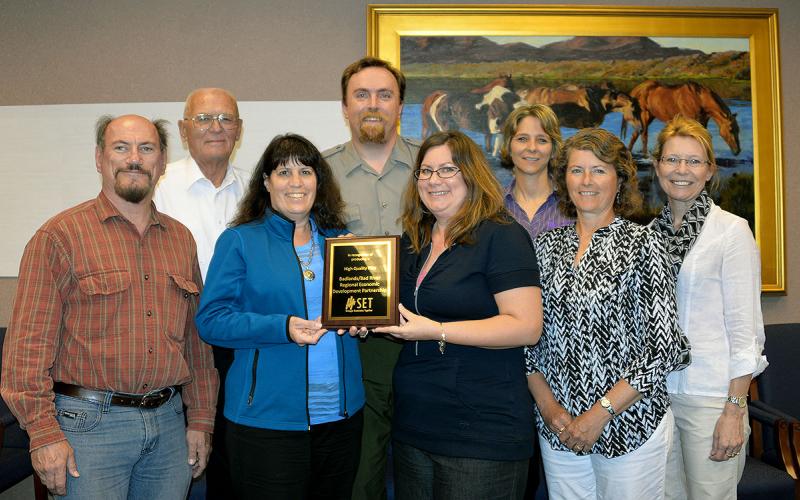
Inspiring Community Leaders
Based on research and evidence gathered by industry experts, this program teaches communities, businesses and individuals the skills needed to foster exemplary leadership qualities.
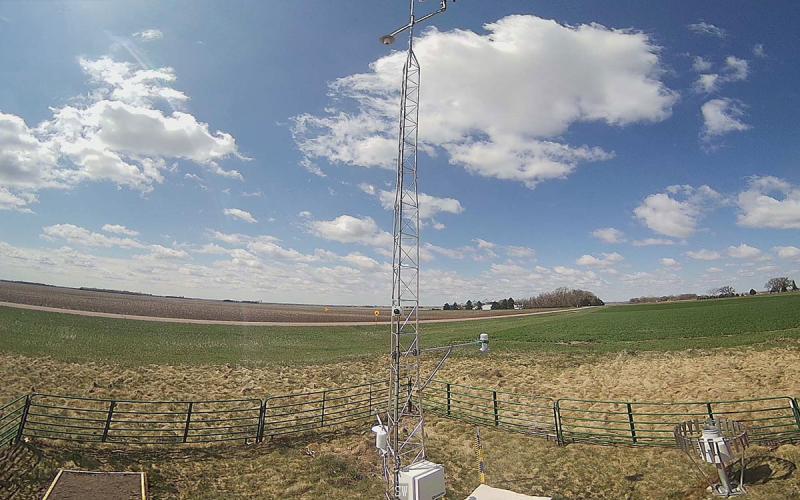
Building Resilient Farms Amid Increasing Weather Variability
Recent decades have brought a noticeable increase in climate variability in South Dakota. Understanding these trends and adopting adaptive management practices can help producers strengthen the resilience of their operations.

Rook named 2025 Friend of the Beef Industry
September 15, 2025
Michelle Rook has been named the 2025 Recipient of the South Dakota State University Friend of the Beef Industry award for her contributions to the South Dakota beef industry.
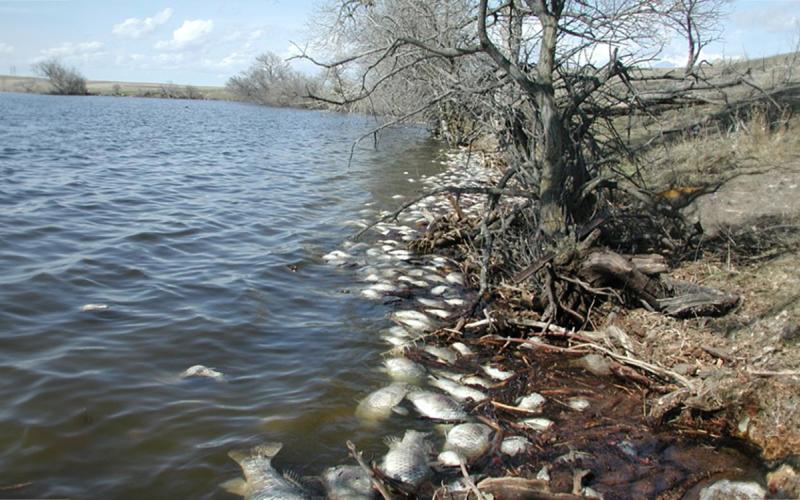
The Most-Common Cause of Fish Kills in South Dakota
There are many ways for fish kills to occur in freshwater lakes, but the most-common cause by far is dissolved oxygen depletion. Learn about some of the seasonal and environmental factors that can lead to oxygen depletion.
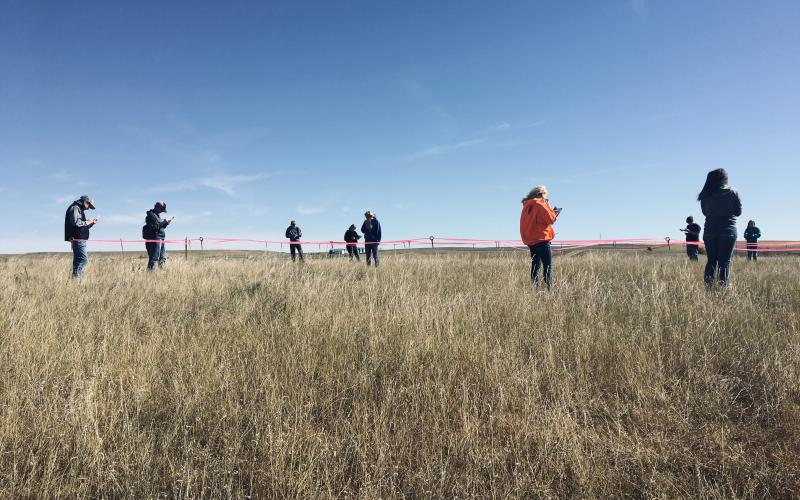
Rangeland and Soils Days set for June 2 in Murdo, Redfield
May 06, 2021
The event will focus solely on the Go-Getter (14-to-18-year-old) division. The Go-Getters will judge habitat suitability for cattle and grouse, in addition to plant identification and morphology.
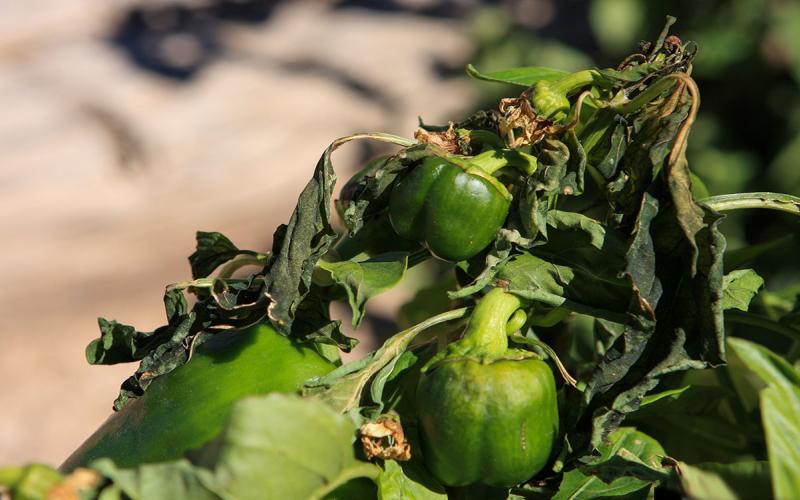
Fall Frost Tolerance of Common Vegetables
Vegetables vary widely in how much cold they can tolerate as they reach maturity. Learn which ones can tolerate light and heavy frosts and which ones can't.
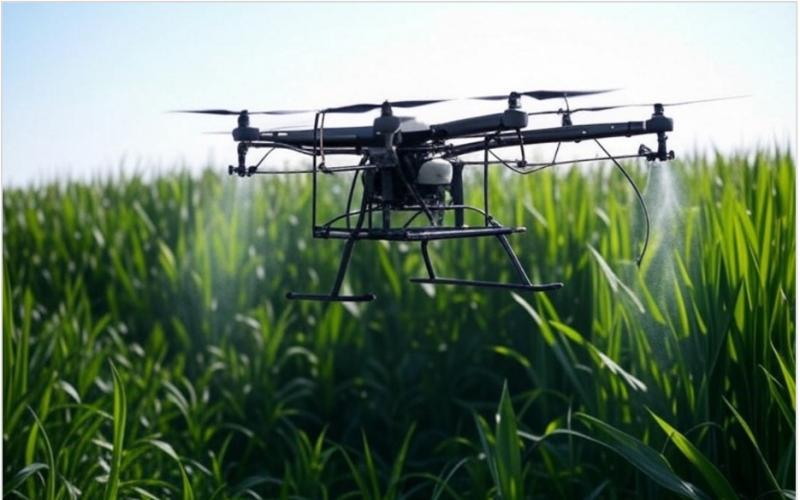
Common Aerial Imagery Used for Crop Assessment
Integrated Precision Agriculture (PA) decision-making tools, including data collection and analysis platforms, have transformed our agriculture today by optimizing crop management and increasing productivity.
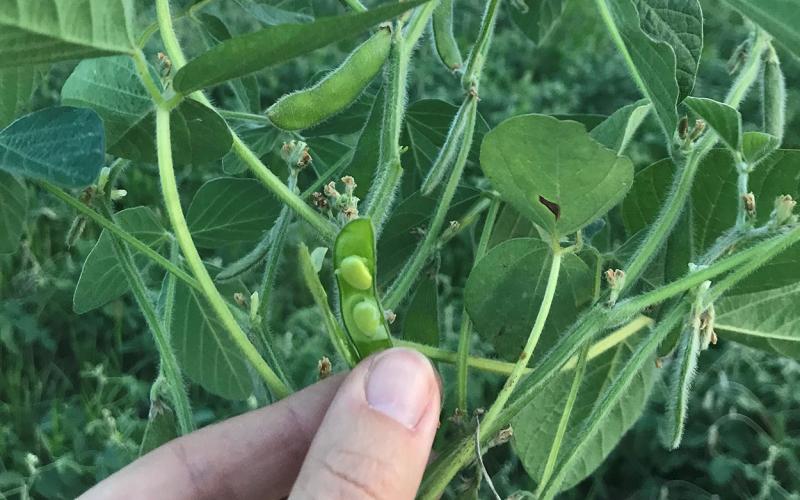
Salvaging Drought-Stressed Soybeans as Feed
One of the more popular questions we’ve been receiving lately involves using soybeans as forage. Although the soybeans planted for grain are not typically bred for forage use, we can salvage the crop for said forage if need be.
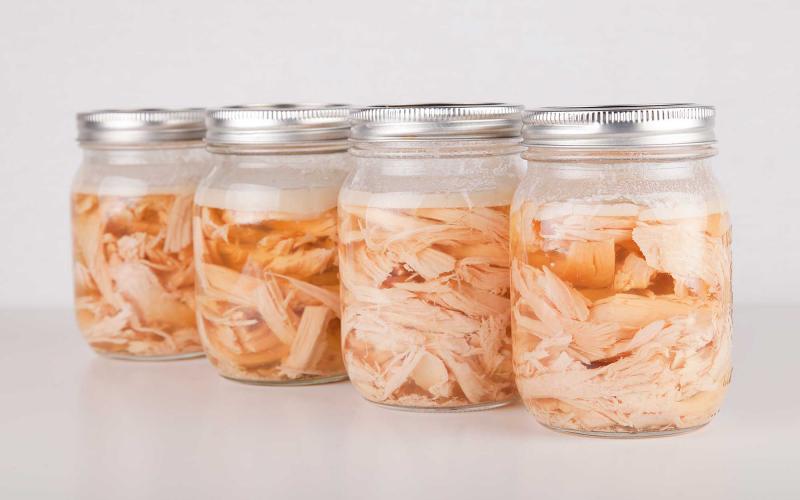
Canned Chicken (Boneless)
Try this research-tested recipe for canned, boneless chicken courtesy of the National Center for Home Food Preservation.