Search
Organic Pest Control Methods
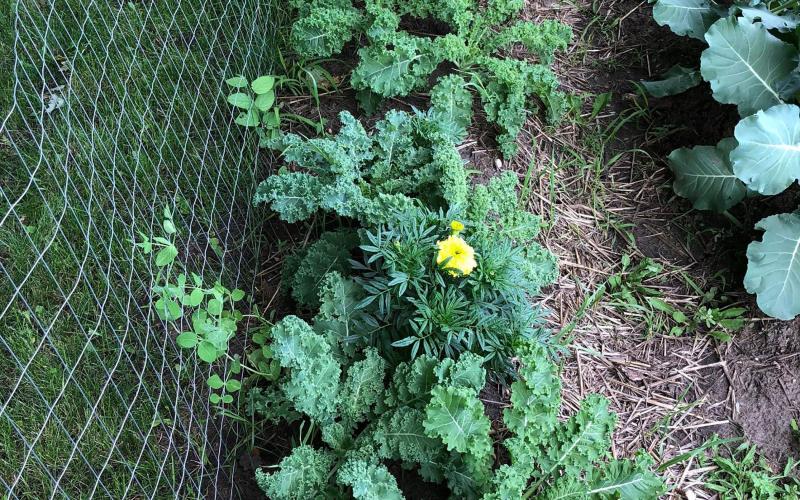
Integrated pest management is an environmentally conscious approach to managing insects, weeds and disease. By focusing on natural processes, growers use pest control methods beginning with the least toxic and amplifying the pest control needs gradually if problems persist.
Voices For Food
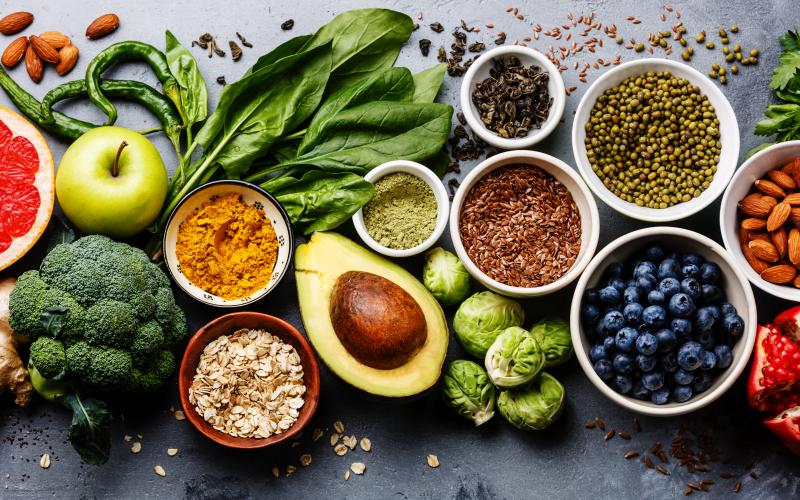
Resources for Food Councils to bridge the gap between food security and healthy food choices.
Organic Conference @ Sioux Falls
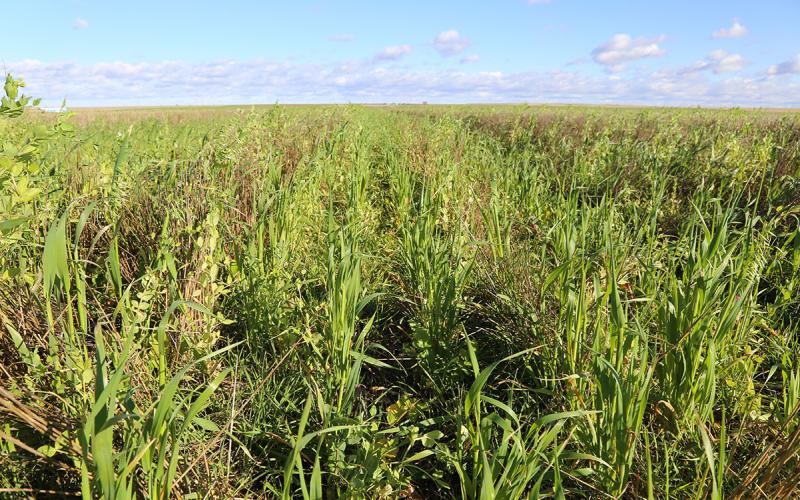
SDSU Extension and the SDSU Southeast Research Farm will host an organic conference on March 12 from 8:45 a.m. to 3:40 p.m. at the Best Western Plus Ramkota Hotel (3200 W Maple St, Sioux Falls, SD 57107)

Smart Snacking for Kids
Snacks are an opportunity to provide vital nutrition, while also allowing children to enjoy the foods they love. Learn some fun, kid-friendly snack ideas to fuel kids of all ages!
The 5 R’s of Precision Agriculture
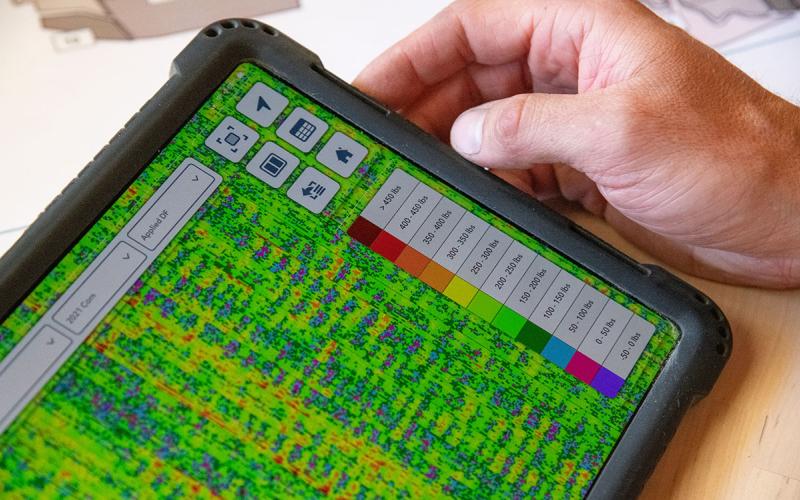
Precision agriculture is a management strategy that uses cutting-edge technology to gather, process and analyze information to provide optimized crop inputs. Learn about the five R's that guide its use on farms.
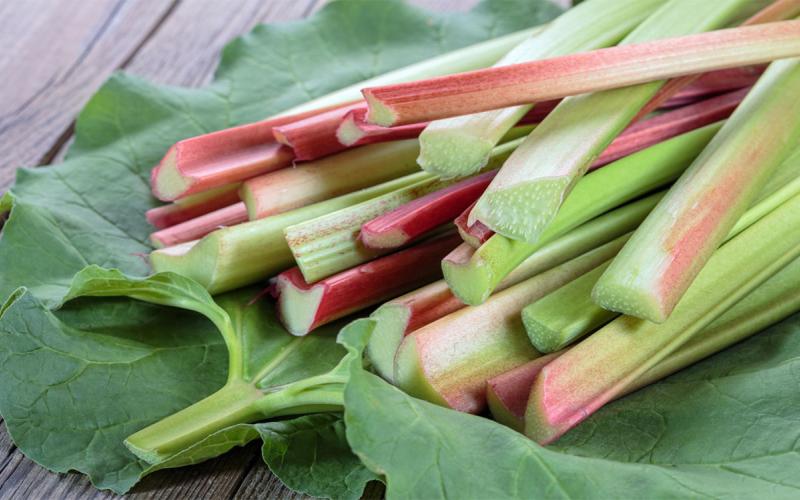
Rhubarb: Harvest and Storage
Rhubarb is a cool-season, herbaceous perennial commonly grown for its edible leafstalks. Learn how to select, grow, harvest and store rhubarb with this helpful guide!
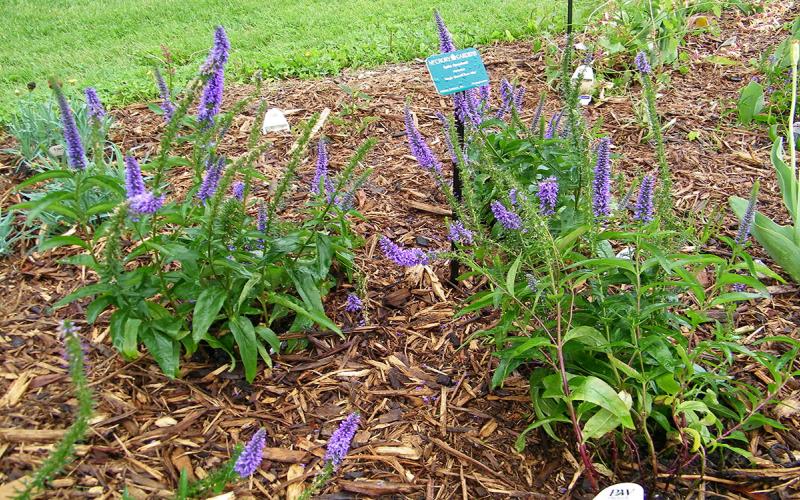
Veronicas Add Variety to Your Perennial Garden
Veronicas offer gardeners a wide array of perennial plants to work into many different landscaping niches in the garden. Many are hardy in South Dakota, withstanding our cold winters as well as heat and drought.
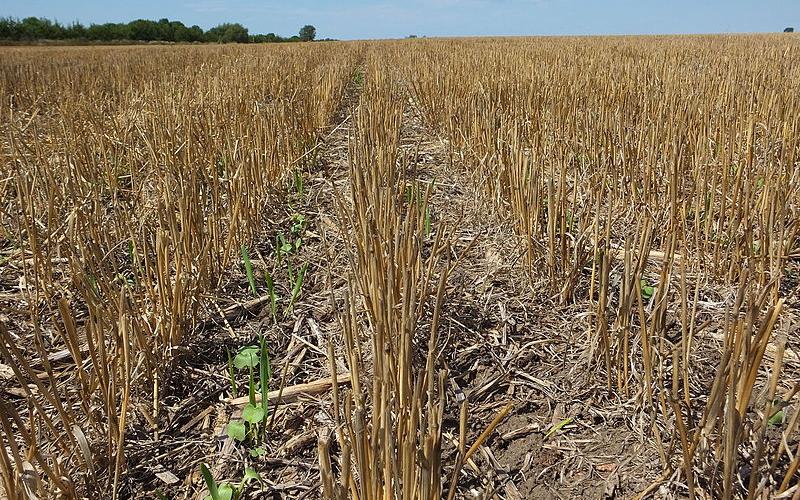
Cover Crop Adoption: Farmers’ perceived benefits & barriers
Cover crops are generally defined as crops planted between cash crops to cover and protect the soil. Some demonstrated benefits of cover crops include: reduced soil erosion, increased soil organic matter, increased biological variety, increased nitrogen supply, and weed control. Depending on the farmers’ objectives, different species of cover crops can be planted. For example, if a farmer’s main objective is to increase nitrogen supply, then legume cover crops best suited to the farm area should be selected.
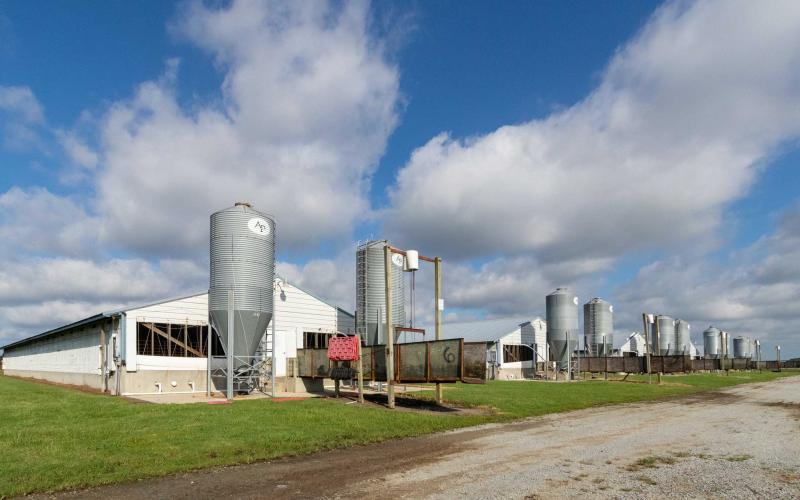
SowBridge Educational Series Kicks off February 2
January 26, 2022
SowBridge, an online educational series created to provide the latest production-based information to swine producers, begins on Feb. 2, 2022.

Taking Time for Reflection: Managing Stress With Positive Thinking
The practice of positive thinking can improve your physical and mental health, and new perspectives and optimism can bring renewed strength to managing stress on the farm and at home.