Search
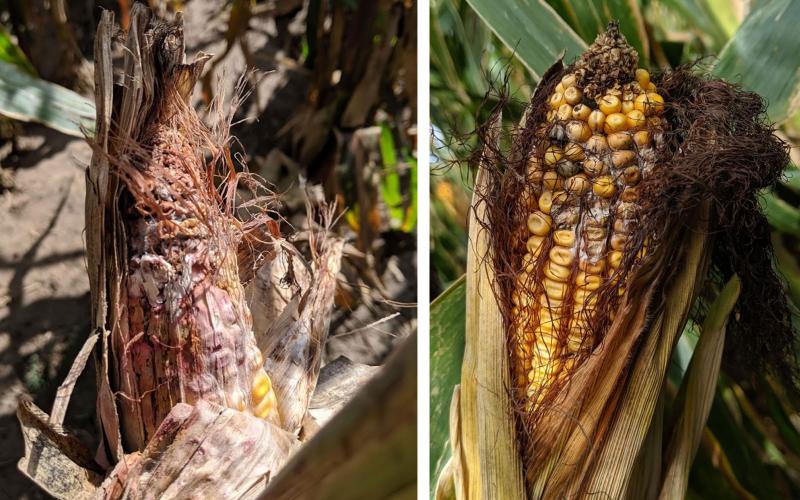
Gibberella and Fusarium Ear Rots Developing in Corn
Corn ear rots are one of the last diseases to scout for in the corn growing season, and sometimes they are ignored or forgotten entirely. Ear rots can cause yield loss in the form of grain quality at harvest, but also cause losses during storage.
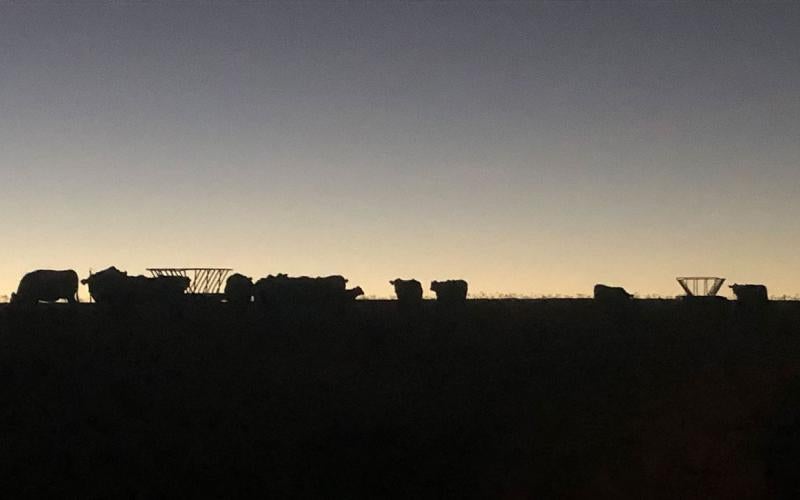
Feed at Night, Calve During the Day
As cattle producers begin thinking about calving season and management practices to ease the workload, night feeding is something to consider. Producers have questioned whether or not the time of feeding affects time of calving, and the answer is “Yes.”
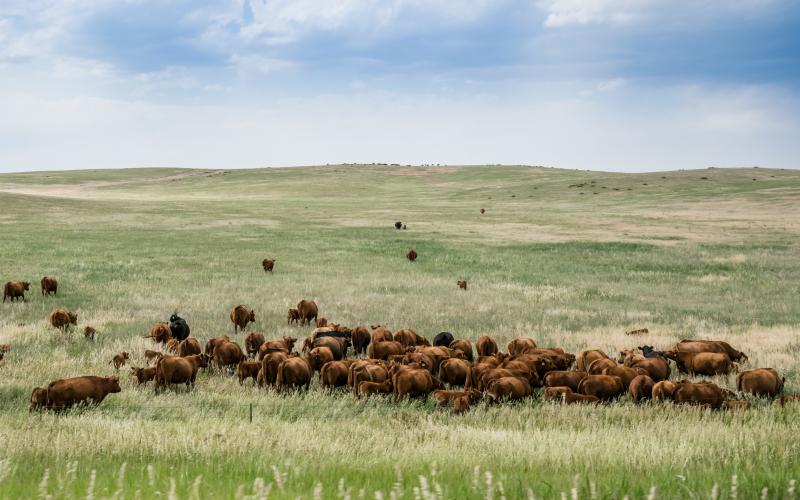
Management of Body Condition Score throughout the Year
Body condition scoring (BCS) is a visual indicator of past energy status of cattle and a method that can be used to monitor nutritional status of the cow herd.

Voices for Home Modification of the Dakotas
The Voices for Home Modification coalition seeks to increase knowledge about the role home design plays in quality of life for people with mobility limitations. Learn more about their mission and how you can get involved today!
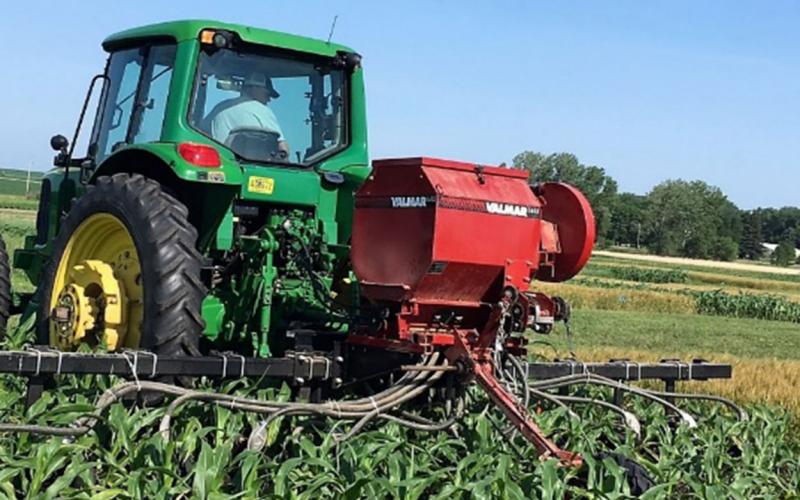
Interseeding Cover Crops Effect on Corn and Soybean Production: 2019
Incorporating cover crops into our cropping systems and moving from conventional tillage to no-till can improve soil organic matter, soil structure, and water and nutrient holding capacity of our soils.
Planting Considerations and Resources for 2019
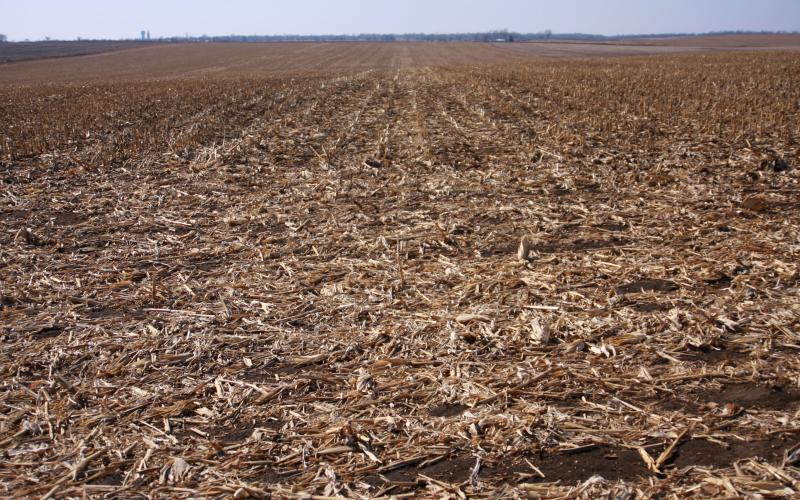
As May approaches, many farmers are preparing for row crop planting. In areas where flood waters have receded and soils are dry enough to begin field operations, farmers will likely be out in full swing soon.
Guidelines for Livestock Windbreaks
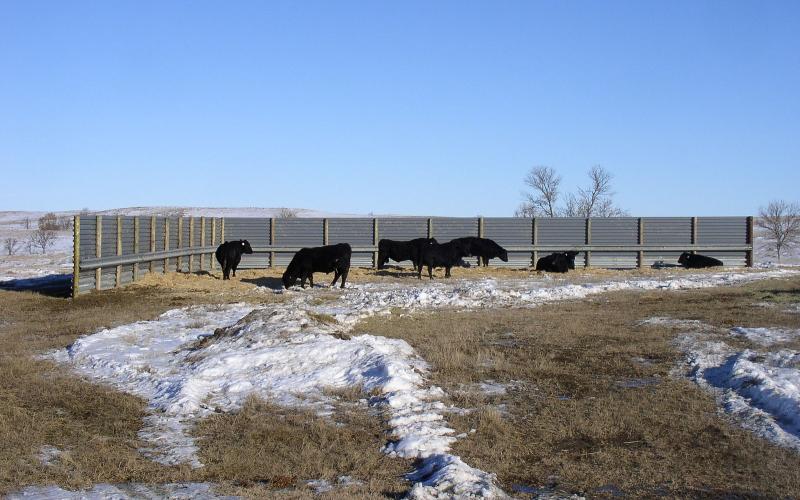
Livestock grazing open crop residue fields or large pastures can be left exposed during extreme bouts of cold. Ensuring that cattle and any other livestock being pastured in exposed areas have adequate access to shelter to escape the wind and cold is especially important.
Pasture Conditions
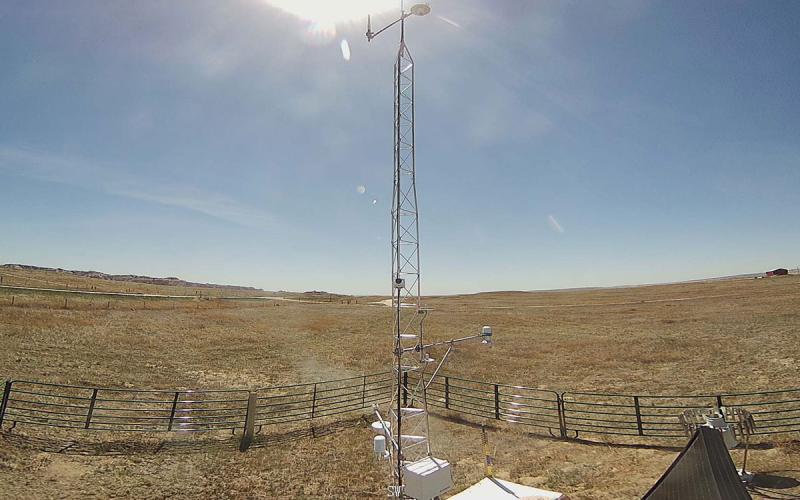
Pasture conditions need to be carefully considered when determining when to turn livestock out to pasture, especially during drier years. See some tips and tools to help make your operation's turn out season a success.
Earwigs Are Active
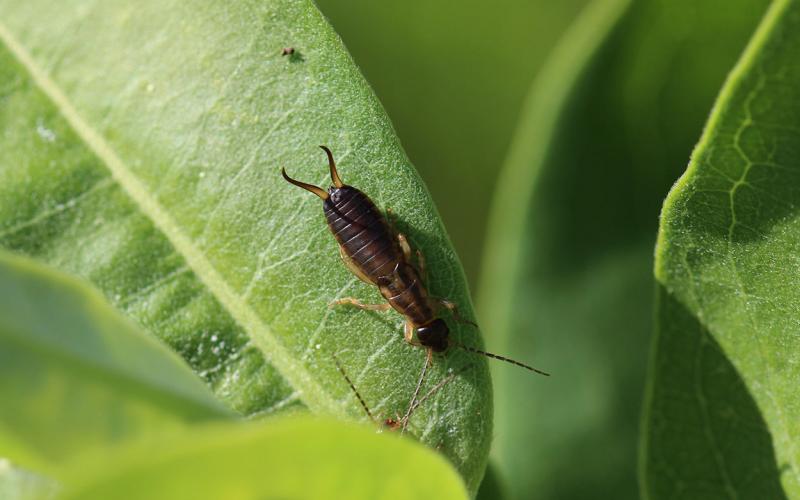
Although earwigs typically prefer wet conditions, quite a few have been observed so far this year. It’s important to remember that watering lawns or potted plants around the house provides ideal earwig habitat.

South Dakota Agricultural Land Market Trends
The 2025 South Dakota State University (SDSU) Extension Farm Real Estate Market Survey is the 35th annual survey of agricultural land values and cash rental rates by land use and quality in different regions of South Dakota.