Search
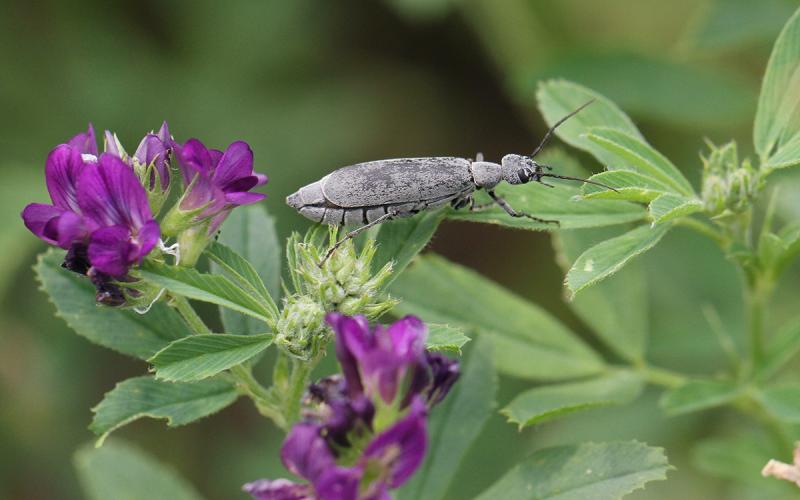
Watch for Blister Beetles in Later Alfalfa Cuttings
The frequent rain events experienced this summer has helped boost forage production. Although this is great for growers, the possibility of encountering blister beetles at harvest increases later in the summer.
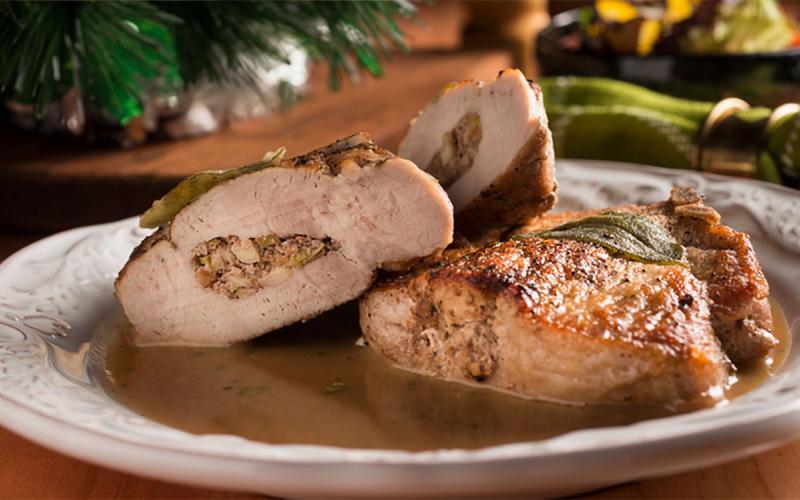
Protein Options for Christmas
We often look forward to carbohydrate-dense foods around the holidays, but what about protein? Learn some protein-dense meal and snack ideas to keep your body fit and fueled this holiday season!
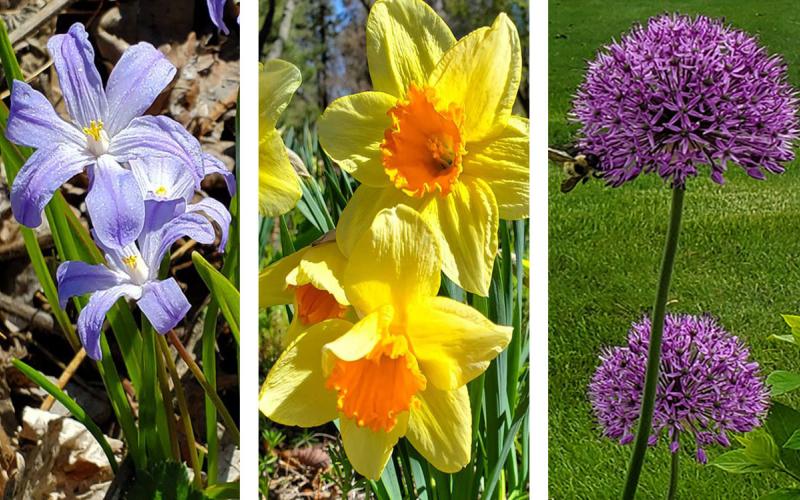
Bulbs to Plant in the Fall
Fall is the time to plant cold-hardy bulbs in South Dakota gardens. This will ensure that your landscape will have a variety of color, size, and bloom types the following season.
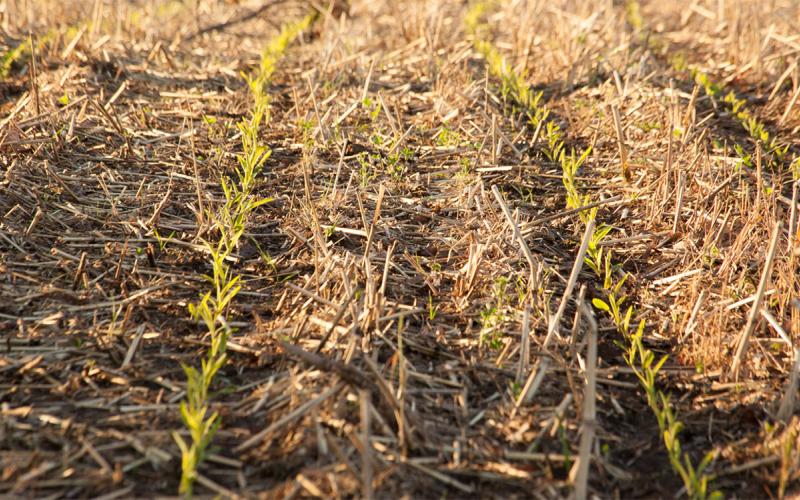
Corn Planting Populations: A Deeper Dive
Corn is grown all across South Dakota, and the optimal target population varies depending on location. In a nutshell, there is a lot more to seeding population selection than what meets the eye.

Native Plant Resources for South Dakota
As we continue to see the benefits of growing native plants in cultivated landscapes, finding the right plant for the right place requires the right resources. Learn about some available native plant sources, educational materials, and organizations serving our region.
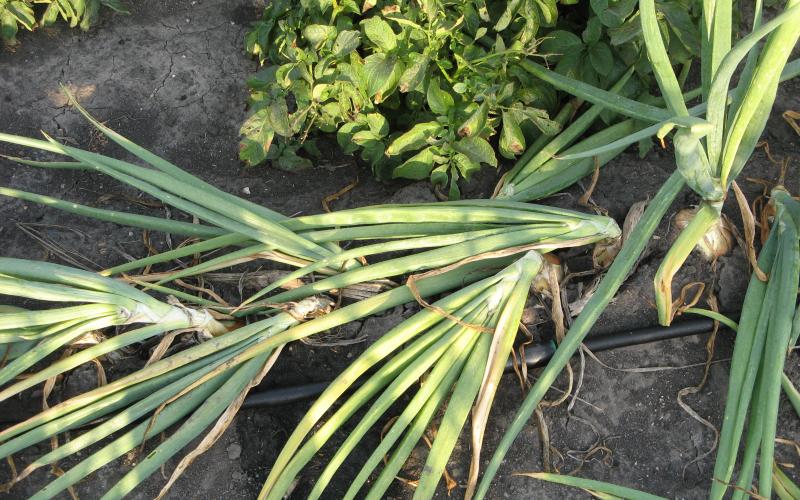
Growing Onions
Onions have been a commonly grown vegetable for thousands of years. They are easy to grow, nutritious and can be stored for months until they are needed as part of a meal. There are many different kinds of edible members of the Allium genus but bulbing onions are the most commonly grown.
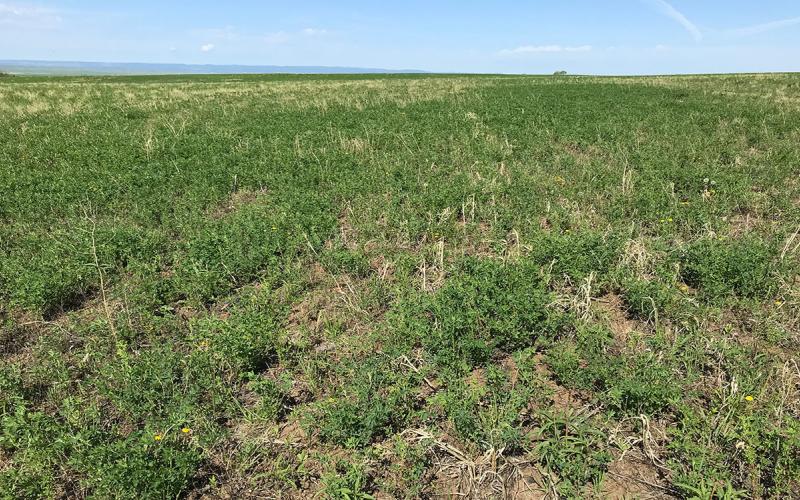
Replanting Cropland Back to Grassland
Planting cropland back to grassland takes some planning regarding previous herbicide use, soil fertility and seed bed preparation. The first step is to identify what resources are currently available to help you reach your objectives and what problems may need to be addressed.
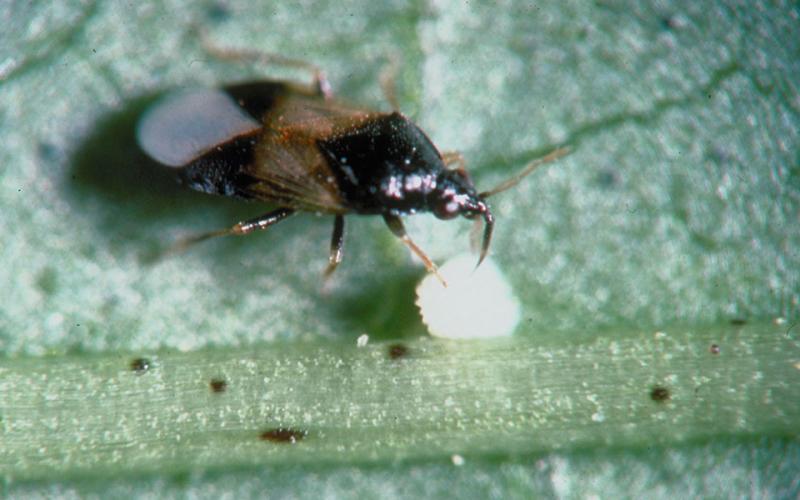
Minute Pirate Bug: Beneficial Predators in Managed and Agricultural Landscapes
Learn about minute pirate bugs, beneficial insects that feed on numerous arthropod pests of both garden and agricultural crops.
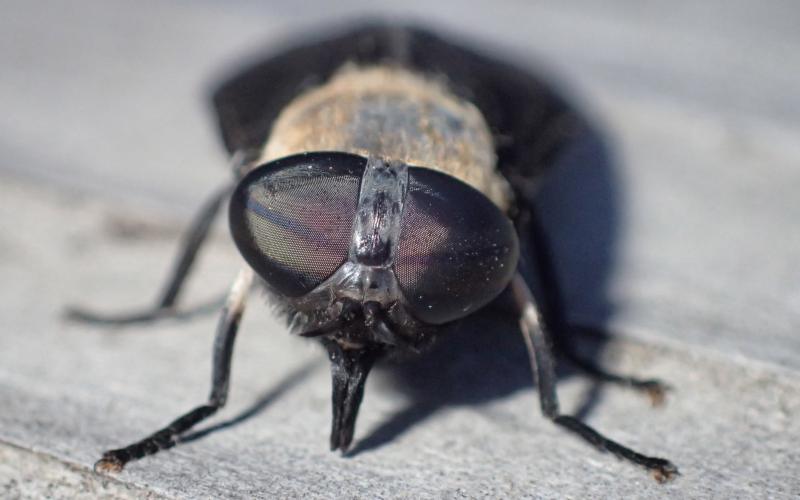
What are Those Gigantic Flies?
As we progress later into the summer, we commonly see an increase in horse fly activity.
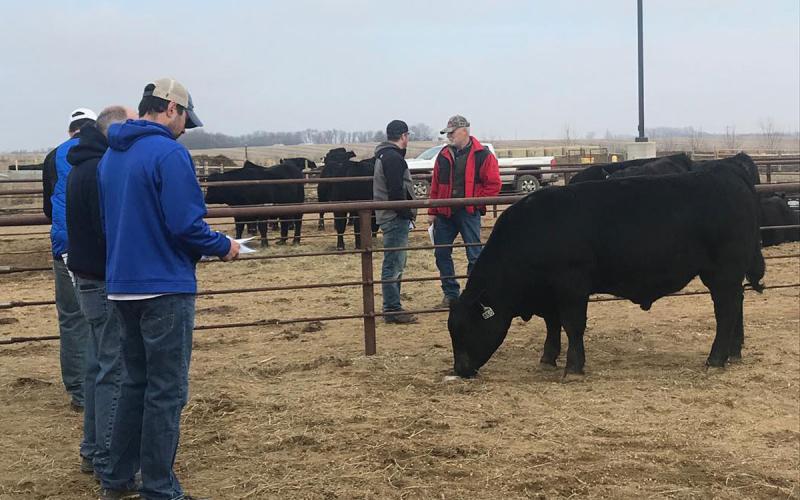
How to Read Expected Progeny Differences (EPDs)
Bull sale season is here and many cattlemen are likely scanning websites and catalogs in search or their next herd sire. Expected Progeny Differences (EPDs) are a tool to aid selection by comparing traits between animals within the same breed.