Search
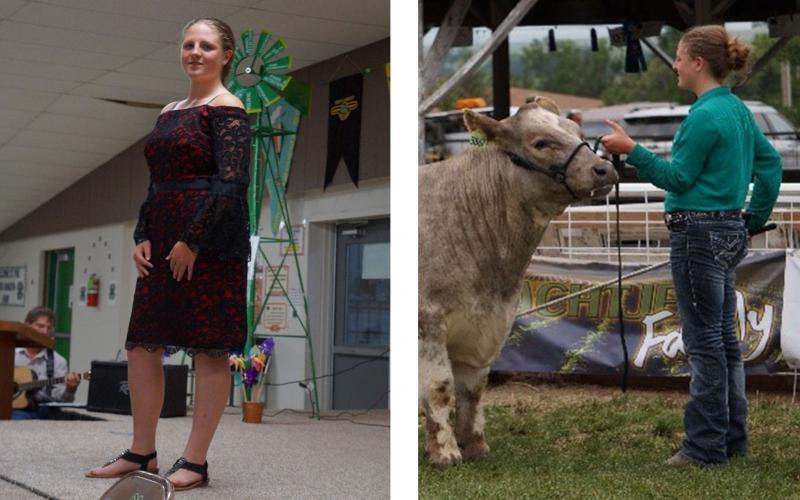
Perseverance: An Important Skill Learned in 4-H
Maggie DeMers is a member of the Clovervale 4-H Club in Tripp County, S.D. Through 4-H, she has influenced many people with her passion, learned skills and shared experiences.
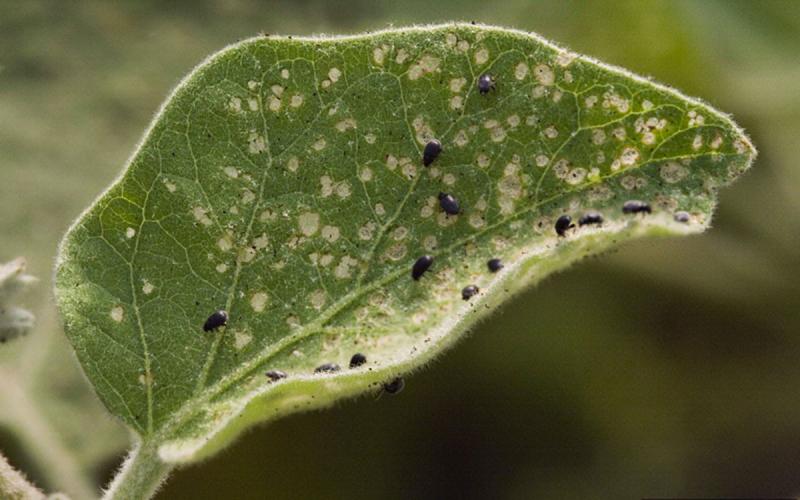
SDSU Extension welcomes new plant pathologist
August 12, 2025
South Dakota State University Extension is pleased to welcome Cody Molnar as a new Horticulture Plant Pathology Field Specialist.

April Ag Economic Dialogues Discusses Carbon Credit Contracts
April 08, 2022
SDSU Extension will host the next Ag Economic Dialogues webinar on April 15 at 10 a.m. CDT. The April webinar will cover how to evaluate carbon credit contracts.
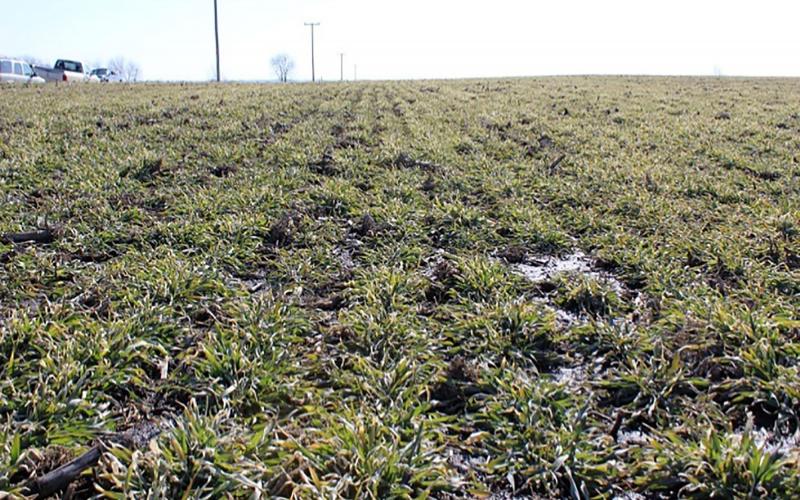
Farm Practices That Improve Soil Health: Cover Crops and Crop Residues
Planting cover crops and returning crop residues (stover) to the soil both adds nutrients and improves overall soil quality. These practices are common with producers across South Dakota and have been recently studied by researchers to identify how they impact the release of greenhouse gases into the atmosphere.

South Dakota 4-H Recognizes Volunteers at 2021 State Fair
August 19, 2021
Each summer, individuals who have made significant contributions to county or state 4-H programming are honored through the 4-H Volunteer Hall of Fame.
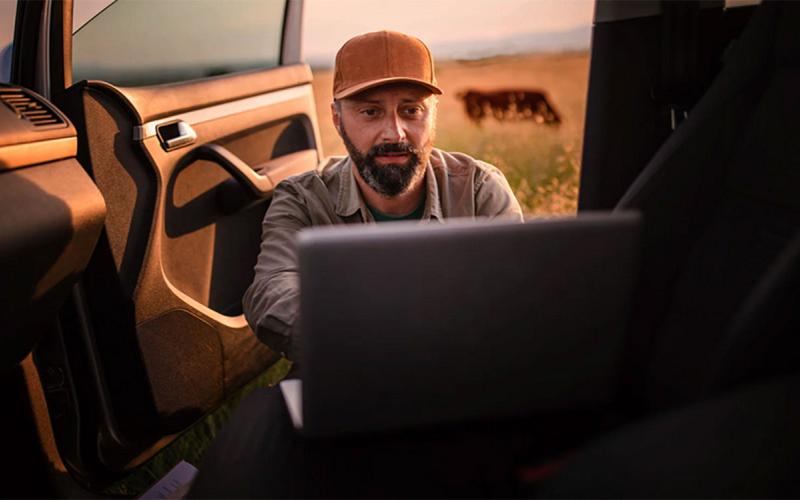
Online Tools To Help With Rangeland Drought Planning
Learn about some free online tools that producers can use to assess drought conditions, evaluate forage resources, and manage herds through periods of abnormally dry weather.

4-H Energy for Farm, Home & Transportation Project
Energy is a property that allows objects to move, affect others, or change temperature. There are various forms of energy including electrical, mechanical, chemical, thermal, or nuclear. Energy can be transformed from one form of energy to another but it is never lost.

Thankfulness: Creating a Culture of Gratitude
Why should we create a culture of gratitude? Research shows that feeling appreciated creates more-productive environments at work, as well as healthier, more long-lasting relationships. Learn some expert tips for getting started this holiday season!

Now Is the Time To Make Your Weed Management Plan for the 2024 Growing Season
As harvest season comes to an end, now is the time to start formulating your weed management plan for next year. Learn some expert tips for getting your operation off to a good start next growing season.
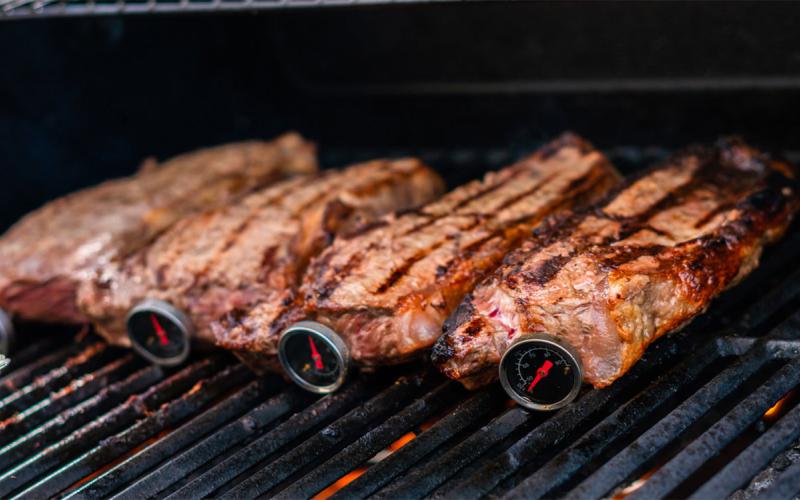
Meat: Safe Handling and Consumption
From the grocery store to your plate, learn some important food safety considerations for handling, preparing, and enjoying meat!