Written collaboratively by Lorna Saboe-Wounded Head; Kelly Sipple, University of Delaware; Jenny Abel, University of Wisconsin-Madison; and Catherine Sorenson, University of Maryland.
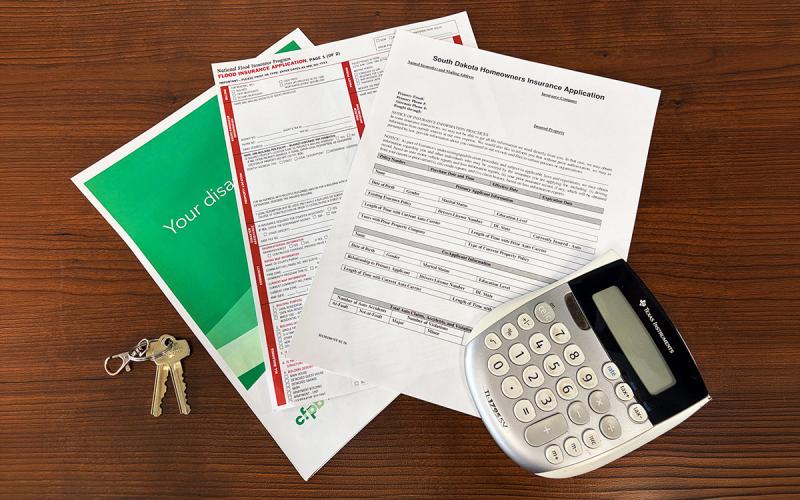
Have you noticed more hurricanes, tornadoes, wildfires, and other extreme weather events in many parts of the country in recent years? So have insurance providers. They’ve responded by raising premiums and in some cases stopping coverage all together. How can you protect your home–for many of us our largest asset–in the event of damage or destruction? Read on for tips on how to get home insurance and secure your house or condo.
Coverage Components
Homeowners insurance is designed to safeguard your home and belongings from unforeseen disasters. Often this includes two separate components:
- Your home and personal property: the physical structures that make up the property and belongings that you keep at the property
- Liability from any accidents that may happen on your property that injure someone or damage another person’s property. Accidents could include things like someone falling at your property and getting hurt. Damage to another person's property could include a tree on your property falling and damaging someone else's property.
Not all homeowners’ insurance covers the same things, so it is important to understand the terminology it uses and what your policy says about what it does and does not cover.
Protecting your Home
Your home is considered the structure or dwelling. Under your policy, check to see that damage or destruction to your house, garage, or any other structure on your property is wholly or partly covered. Remember, if you add additional structures to your property, be sure to inform your insurance company.
Your insurance policy should cover temporary living expenses should your home be damaged or destroyed and you are displaced during repairs or the rebuild.
Homeowners insurance is required by your lender when you have a mortgage. When you have a mortgage, you own your home but the bank or lender has a lien on the property. The property is the collateral for the loan until you have finished paying off the loan. Because the bank or lender has a financial interest in the property, they want to be sure that it is covered in the event of an accident or natural disaster.
In general, this means that you need to make sure you have homeowners insurance and that the insurance meets any requirements your lender may have. This can become an issue if insurers decide to stop offering policies in a specific area. If you receive any notifications about your insurer changing your coverage or refusing to cover your property in the future, it is important to start looking for new coverage right away.
Personal Property Protection
Typically, a homeowner's policy extends to your possessions. This includes furniture, appliances, electronics, clothes, jewelry, sports equipment, lawn tools, and even larger items, such as a car or boat, stored in the garage. These items are not just covered when they are at your home. If you are vacationing and your luggage is lost, with possible limitations, your homeowners’ insurance will cover the loss.
Check to see what your policy covers, as personal property has limits on the amount it covers. Some homeowners will purchase additional insurance to cover items that exceed the limits..
Liability
Typically, a homeowner's insurance policy will cover injuries or loss to people who are on your property. This portion of your policy will cover the injured party’s medical bills and any other losses incurred.
Review your policy to see exactly what is covered. It might even include injuries that occur off your property.
What’s Not Covered
Your policy may have items that are typically not covered by a standard homeowners' policy. Always read over your policy to see what additional coverage you may need.
Items not typically covered:
- Flood damage.
- Earthquake and land movement damage.
- Normal wear and tear.
- Rodent or insect damage.
- Maintenance issues.
- Mechanical breakdown.
- Dead or fallen trees on your property.
- Expensive jewelry or artwork.
Filling Gaps in Coverage
Because insurance policies don’t cover all of the potential hazards that may occur, it is important to understand the specific risks for your property to see if you need additional coverage. Review your policy for any gaps and determine if that is a gap for which you would like to secure additional coverage. Insurance for flooding is a good example of this practice.
Because flooding isn’t covered under most policies, homeowners should examine their risk of flooding to determine if they are comfortable with the risk or if they would like to secure additional coverage to fill the gap. Resources like Flood Smart can help people understand the risk of flooding in their area. If you decide to purchase additional coverage, programs like the National Flood Insurance Program can help.
You should consider going through this process for other types of natural disasters as well. In recent years, property damage from weather events and natural disasters has been increasing. A property that was once low risk for flooding or wind damage might now be at higher risk. Even if you have lived at a property for many years, it is important to do your research to understand if changes in the risk of certain natural disasters merit additional coverage on your property. It is also important to review your insurance policy to see if there have been any changes over the years that have created gaps in your policy. Remember, for many, your home is your most important asset for wealth building, so it is important to have appropriate insurance to protect that asset from risk.
What to do if your policy is cancelled
With all the changes to the insurance industry–some companies going out of business in states like California and Florida and others raising prices so much that policies are unaffordable–you may one day open your mailbox to find a notice saying that your homeowner’s policy has been cancelled. It’s important to take action right away to continue your coverage at a price you can afford.
As mentioned above, if you carry a mortgage on your home your lender requires you to have home insurance. If you don’t buy your own policy your lender can choose one for you. Called a force-placed policy, this insurance only protects the lender and not you. It can cost you twice as much as a regular policy. Here are some steps you can take to maintain insurance coverage on your terms:
- Insurers should notify you one-three months before your renewal date if your coverage will be cancelled or if premiums will increase. Pay attention to those notices.
- If you receive such a notice, call your insurer and ask them to reconsider. Sometimes a phone call is all it takes.
- If you need to get new coverage, shop around. Your state has a list of the providers who do business there.
- Consider getting insurance through your state’s FAIR plan (see more below).
- If you do change insurers, notify your mortgage lender right away.
- Consider changes that will lower your costs. Installing smoke detectors or security systems can reduce what you pay for insurance.
FAIR Plan
If you're unable to obtain a homeowners insurance policy due to living in a high-risk area, review your state’s resources. The FAIR (Fair Access to Insurance Requirements) Plan offers basic property insurance for your structure and personal contents, but it might not include liability coverage. More than 30 states offer FAIR plans; check with your state’s bureau of insurance. Often, a FAIR Plan policy will meet your mortgage lender’s insurance requirements. Be sure to check with your mortgage company to verify this information.
Ways to Save
Are you looking for ways to save? Once you decide the type of coverage you need for your home, look for ways to reduce your cost.
- Know your ZIP code and potential weather-related risks that will affect your insurance.
- Shop around and compare insurance companies.
- Raise your deductible.
- Only insure the house and possessions based on replacement cost, not land or market value.
- Check for offered discounts by bundling home, auto, life, and other insurance with the same company.
- Check to see if you qualify for a discount through senior, military, organizational, or other eligible group memberships.
- Upgrade existing home plumbing or electrical systems.
- Smoke-free home discount.
- Insurance score – a better credit history report should lead to a better insurance score.
- Fire hydrant or staffed fire house within proximity of your home.
- Check to see if installing home security devices will qualify you for a discount.
Important Reminders
- Review your policy annually. Check the value of your home on your policy and contact your insurance company to make sure the full value of the house is covered.
- Understand your coverage. Review your policy to determine if it provides sufficient coverage to rebuild based on current replacement costs, rather than market value.
- Keep accurate records of your home and personal belongings stored in a safe place.
- Know the specific risks for your area and consider purchasing separate policies to cover those risks.
Glossary of Terms
- Claim Filing: The process of submitting a request for payment or compensation, usually the first step in notifying the insurance company about the incident or loss.
- Credit History: A record of how debt has been managed and repaid over time.
- Deductible: A specified amount of money that the insured must pay before an insurance company will pay a claim (a higher deductible usually means a lower premium).
- FAIR Plans (Fair Access to Insurance Requirements): A program designed to provide coverage for homeowners who are unable to obtain insurance through private insurers.
- Force-Placed Insurance: A policy that can be required by your lender or servicer when you do not have your own policy or if your policy doesn’t meet your servicer’s requirements. It is typically more expensive than insurance you purchase for yourself and only protects the lender, not the homeowner.
- Insurance Score: A numerical rating used to assess the likelihood of an individual filing an insurance claim and the potential cost of the claim. This score is usually calculated using information from credit history.
- Liability: Protects you, and other members of your household, from financial losses if someone is injured on your property or if you accidentally cause injury or property damage to someone else, even if it happens away from your home.
- Market Value: The price that buyers are willing to pay for an asset.
- Premium: The amount paid for an insurance policy.
- Replacement Costs: The amount of money needed to replace a damaged or lost item or asset with a new one of similar kind and quality at current prices.
References
- American Family Mutual Insurance Company. (2025, September 12). Homeowners Overview.
- Consumer Financial Protection Bureau (CFPB). (2023, May 11). Climate Risk Should Be Considered in Housing Decisions.
- CFPB. (2023, August 16). Take Action When Home Insurance is Cancelled or Costs Surge.
- CFPB. (2020, Sept. 4). What can I do if my mortgage lender or servicer is charging me for force-placed homeowner's insurance?.
- CFPB and the Federal Emergency Management Agency. Your Disaster Checklist.
- Insurance Information Institute. (2025, September 12). Homeowners Insurance Basics.
- Navarro, T. (n.d.). The Instant Insurance Guide: HOME. Delaware Department of Insurance.
- U.S. Department of Defense. (2024, March). Understanding Home and Renters Insurance. Office of Financial Readiness.
- U.S. Department of the Treasury. (2025, January 16). U.S. Department of the Treasury Report: Homeowners Insurance Costs Rising, Availability Declining as Climate-Related Events Take Their Toll.