Search
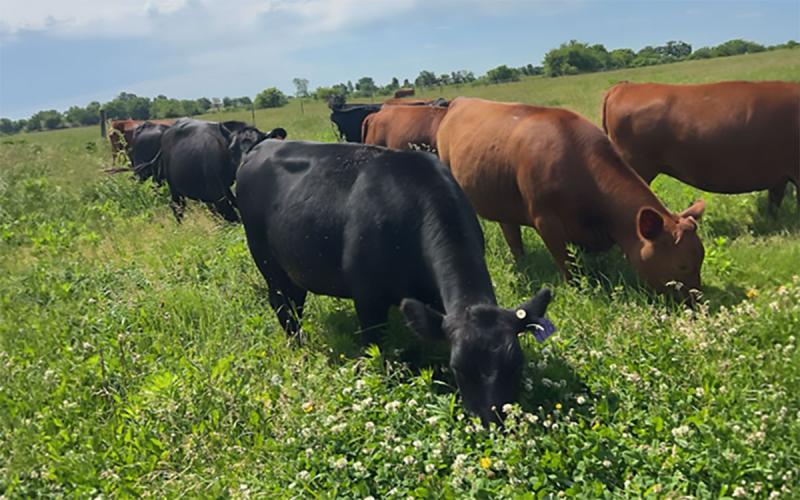
Diversifying Your Forage Base for Drought Flexibility
While no single strategy eliminates drought risk, diversifying the forage base can offer producers added flexibility by spreading risk across species, planting windows, and rooting depths.
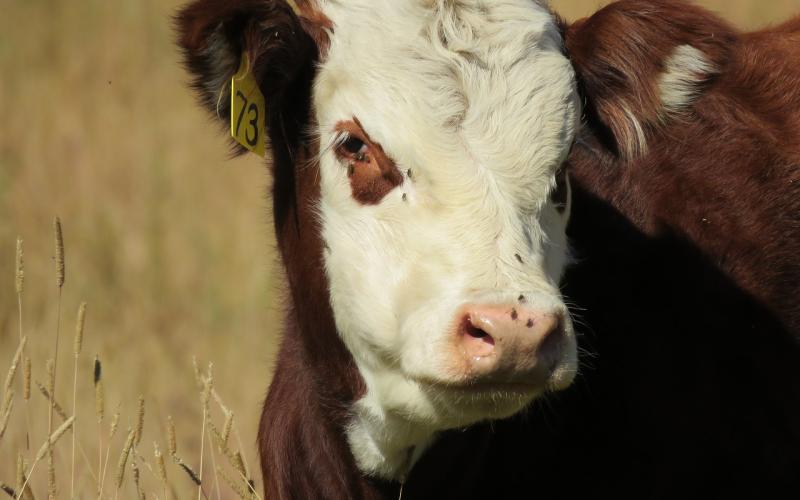
The Different Sides of Pinkeye Treatment
Pinkeye (or infectious keratoconjunctivitis) is a scourge that most cattle operations will deal with at some point. Regardless of the type of cattle affected or time of year, prevention always beats treatment.
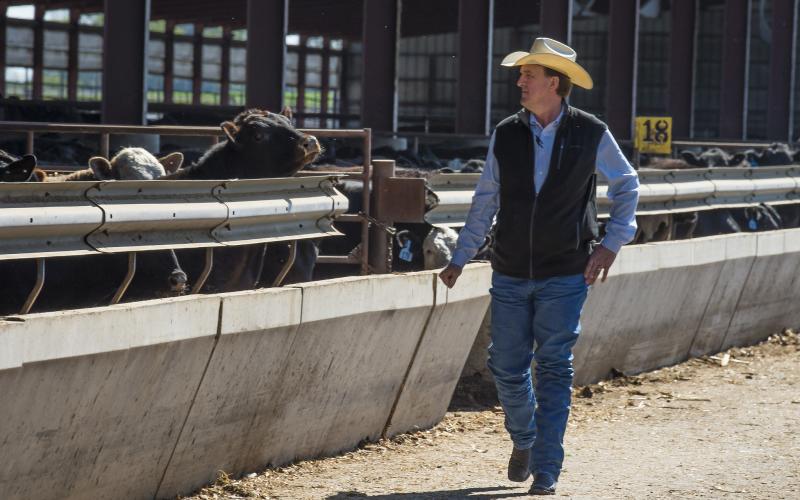
Feed Bunk Management
A successful slick bunk feeding program matches dry matter intake (DMI) to the cattle’s appetite as closely as possible and keeps DMI consistent from day-to-day.

Grape Production Resources
Quality wine grapes can be grown in South Dakota with careful attention to growing site, cultivar selection and production techniques. View a collection of resources for getting started today.

Canning Fish
Canning is a great method to preserve and extend shelf life for many types of foods, including fish and seafood products. Using safe preparation and storage practices allows for anyone to store nutritious, high-quality protein.
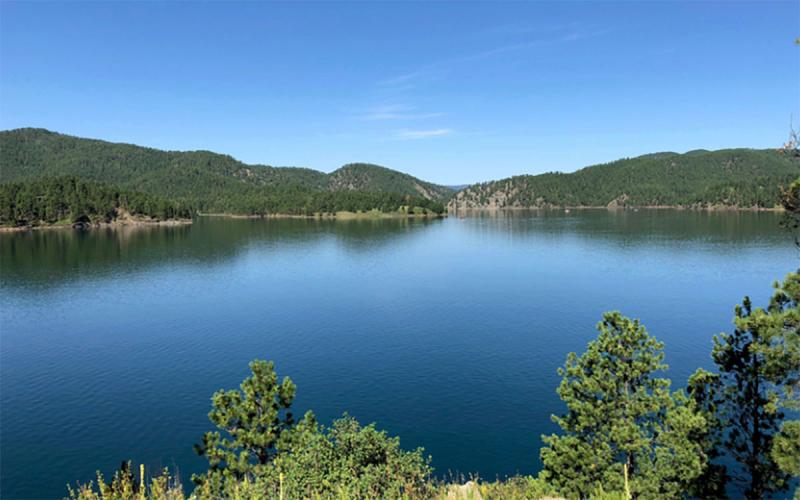
Understanding Suspended Solids in South Dakota's Waterways
Fact sheet on understanding suspended solids in South Dakota's waterways.
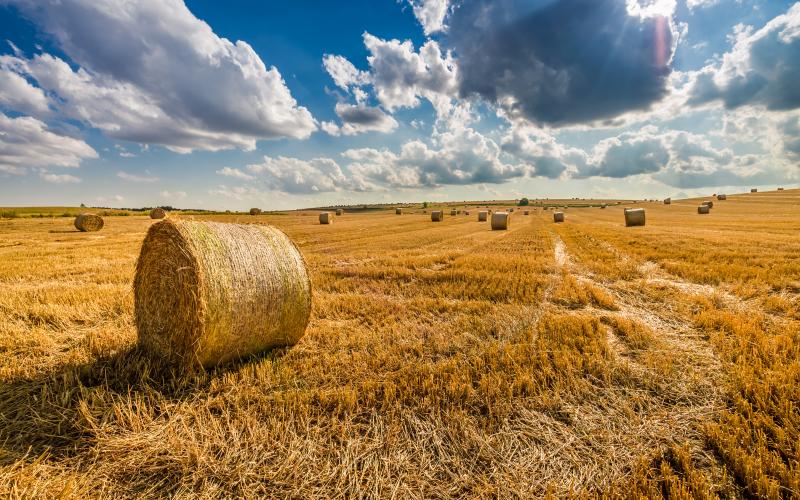
Forage
SDSU Extension works with forage producers, providing them with access to quick tests, research-based information, and best management practices to help maximize yields and nutritional quality of forages.

Life Skills in South Dakota 4-H
Life skills are tools people use to deal with daily situations, make important decisions and enhance their quality of life.
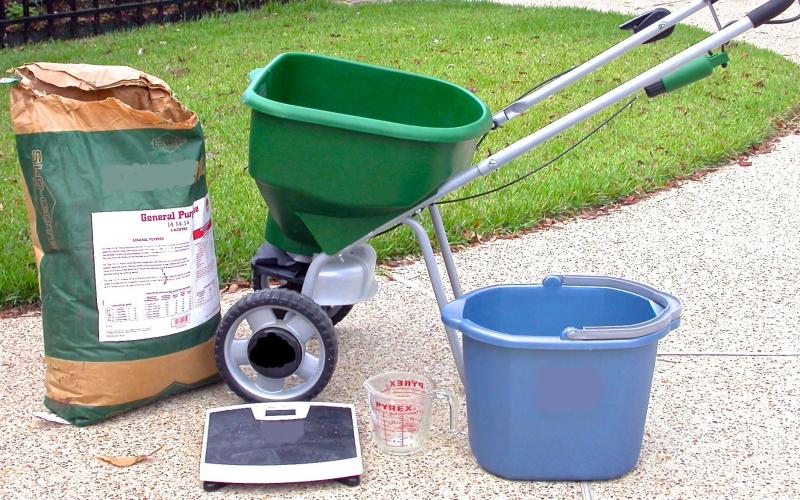
Late-Season Lawn Care in South Dakota
Good late-season management will enhance lawn quality for the remainder of this year and set up the lawn to come out of the spring with improved density, color and fewer weed issues next year.
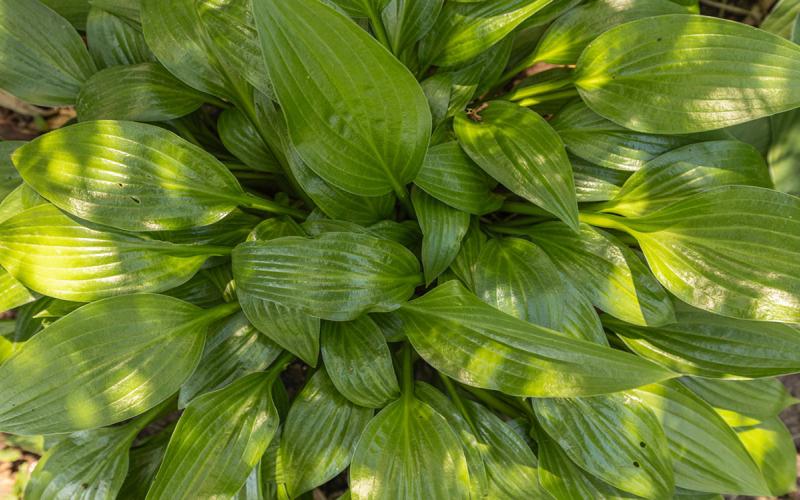
Hosta: A Shade-loving Perennial
Hostas, known for their foliage and love of shade, have developed into a coveted landscaping staple. Learn how to select, plant and grow a hosta that's right for your garden or landscape!