Search
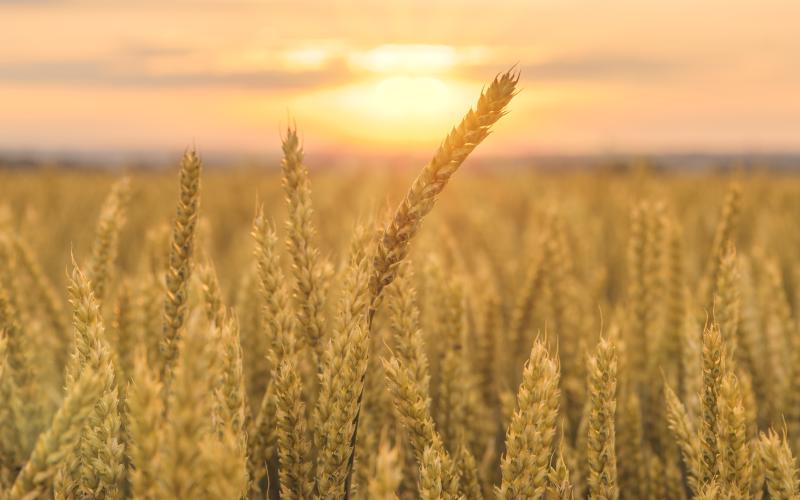
Looking Back: A History of Wheat Production in SD
In spite of the open winter and some of the worst drought conditions in history, South Dakota ended up with a very good wheat crop in terms of yield and quality in 2012. The winter wheat yields averaged 50 bushels to the acre; second highest average yield in SD recorded history.
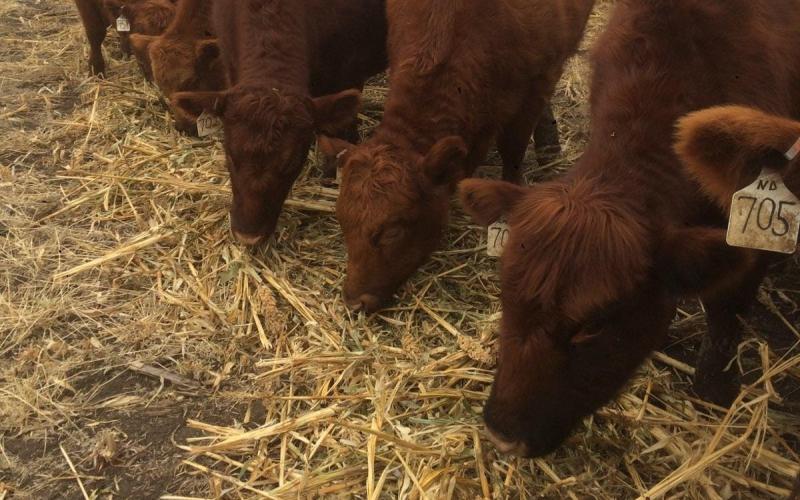
Targeted Feeding for Heifer Development
Heifer development starts with proper whole-herd nutrition year round. Reviewing the basics of heifer development starting with post-weaning selection and development is a good place to start.
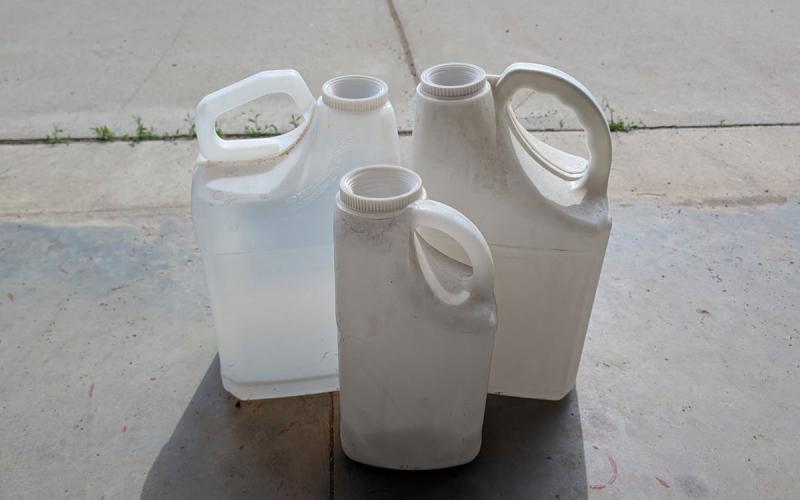
South Dakota Pesticide Container Recycling
The South Dakota Department of Agriculture and Natural Resources is again offering pesticide container recycling services across the state. View a complete list of 2026 dates and locations.
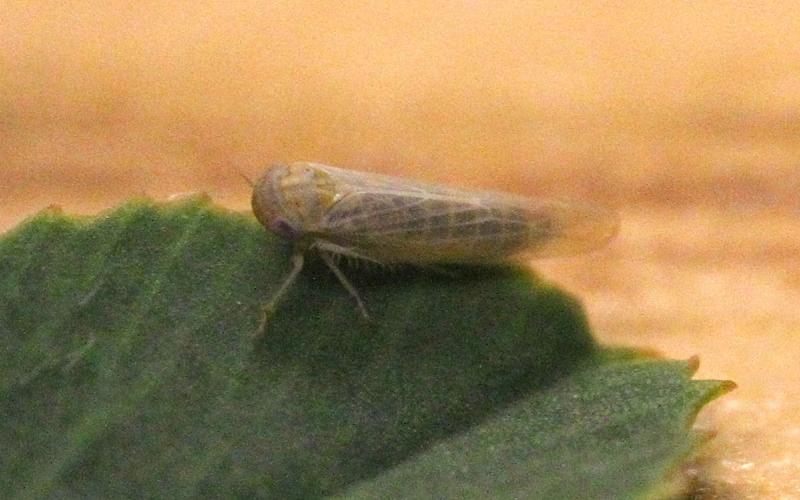
Potato Leafhoppers Arriving Early This Season
Potato leafhoppers are already active in alfalfa due to prevalent south winds and above-average temperatures. Learn some tips for scouting and managing them before they impact yields.
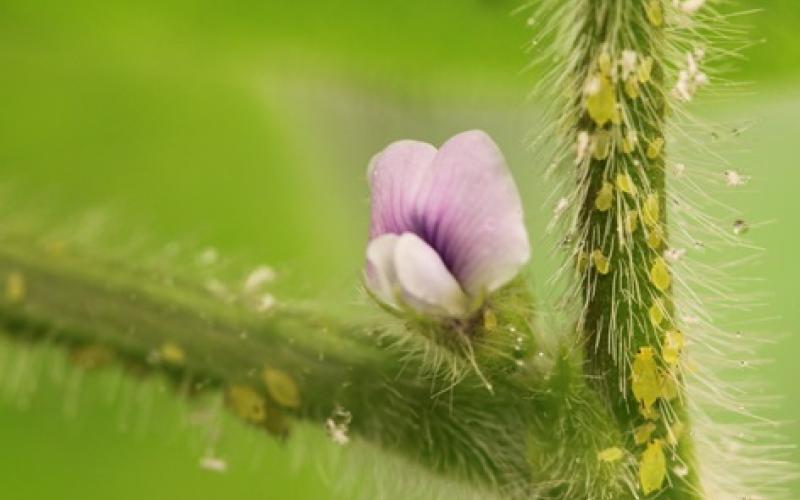
Why the 250 Threshold is Still Appropriate for Soybean Aphids
When gearing up for soybean aphid scouting, it is important to think about the population densities that warrant insecticide management.
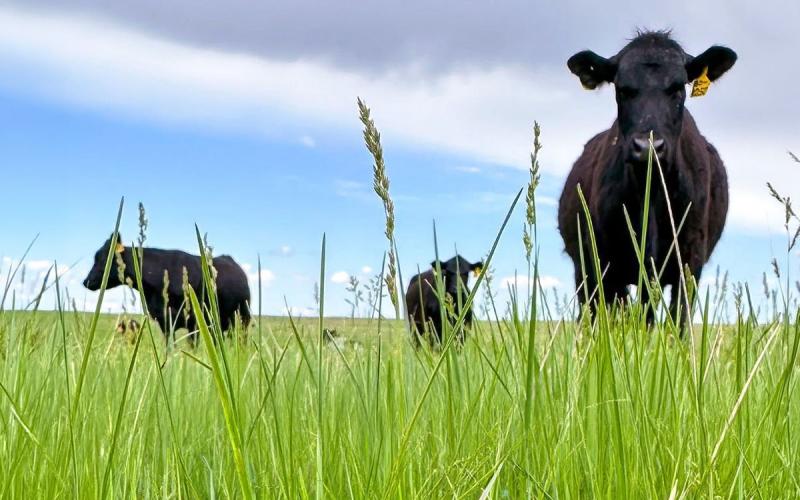
Conservation, Grazing, and Forage Situation
This report summarizes recent trends in the Conservation Reserve Program (CRP), harvested hay acreage, and grazing capacity in the United States and South Dakota. The purpose is to give a current picture of conservation enrollment and forage supply.
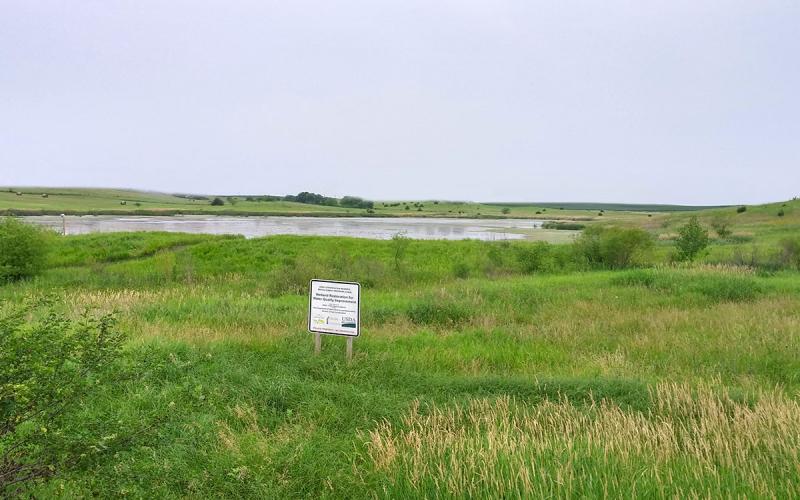
Permitting Considerations for Riparian Areas
Streams and riparian areas are a valued resource to ranchers, providing, among other things, forage, water, and shelter for livestock. Unfortunately, their relatively low prevalence on the landscape and livestock’s heavy reliance on them has led to widespread degradation to many streams and riparian environments in rangelands worldwide.
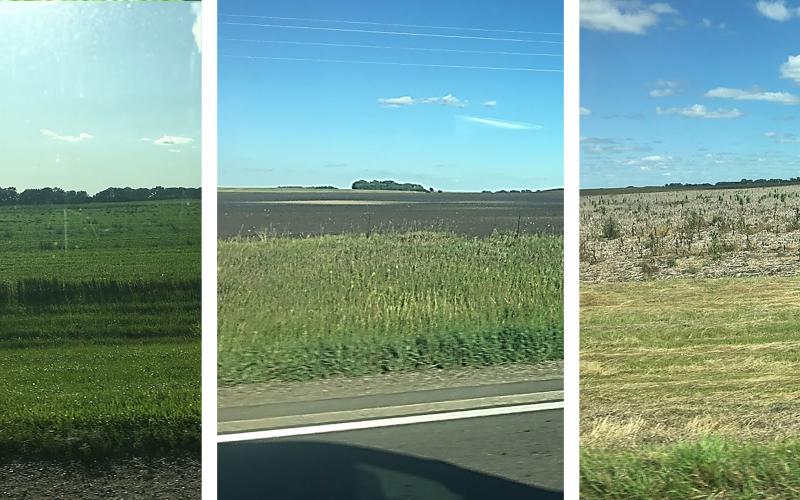
Prevent Plant: Its Effect on Fall and Spring Fertilizing Plans
Driving around South Dakota, you can see the many acres that farmers were not able to plant. Now that fall soil-sampling season is well on its way, many people have questions regarding how different situations of prevented planting will affect soil sampling and fertilizer application needs.
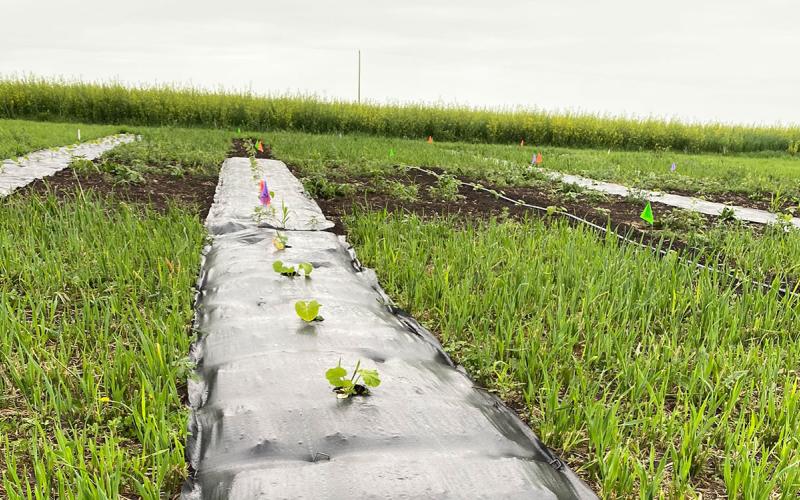
How to Prepare Landscape Fabric for In-row Weed Control for Flower and Vegetable Production
Farmers and gardeners have taken an interest in landscape fabric due to its durability, weed suppression and reusability. Learn some tips for preparing it and installing it for a variety of plants this growing season!

South Dakota 4-H Awards 2021 Scholarships
July 28, 2021
South Dakota State University (SDSU) Extension and South Dakota 4-H are proud to announce the 2021 State 4-H Scholarship recipients.