Search
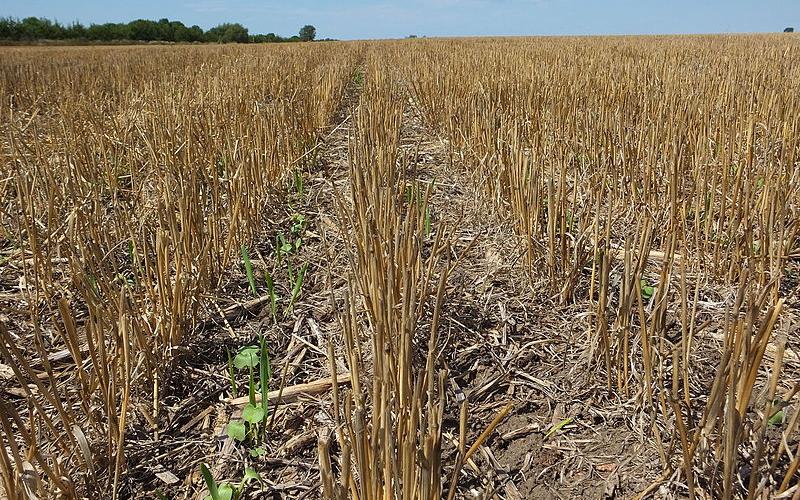
Cover Crop Adoption: Farmers’ perceived benefits & barriers
Cover crops are generally defined as crops planted between cash crops to cover and protect the soil. Some demonstrated benefits of cover crops include: reduced soil erosion, increased soil organic matter, increased biological variety, increased nitrogen supply, and weed control. Depending on the farmers’ objectives, different species of cover crops can be planted. For example, if a farmer’s main objective is to increase nitrogen supply, then legume cover crops best suited to the farm area should be selected.
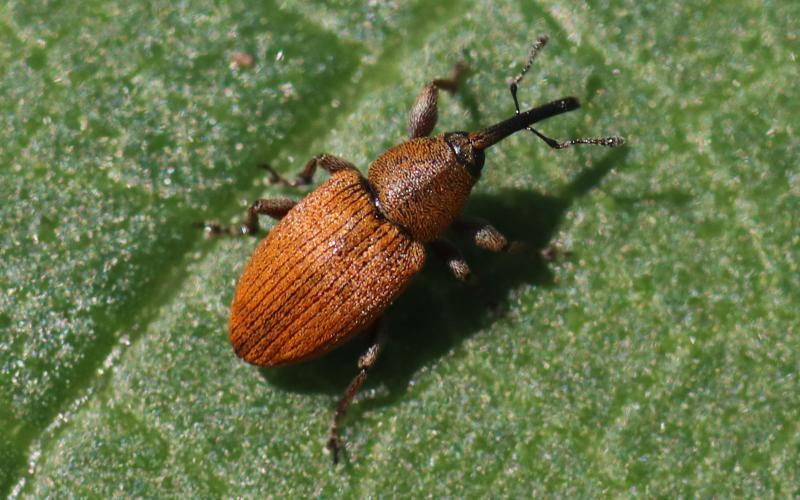
Red Sunflower Seed Weevil Populations Are Active in South Dakota
Red sunflower seed weevils are active in South Dakota sunflowers. Scouting should begin for fields that are going to be reaching the R5 stage within the next week.
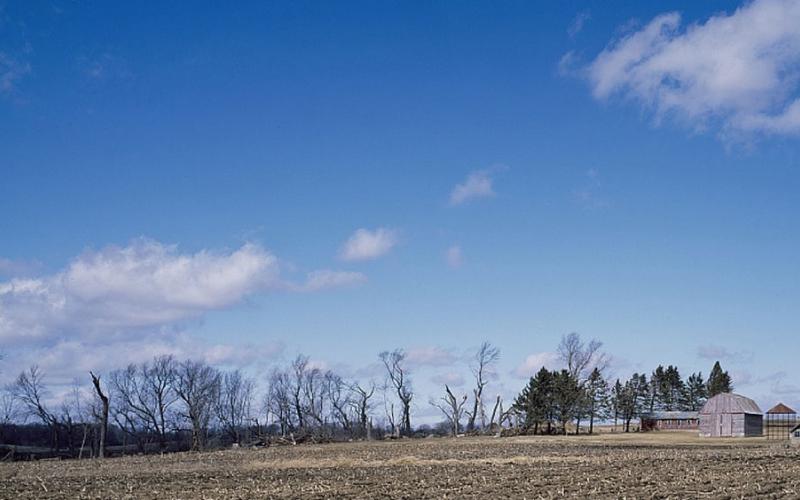
Planting Considerations for a Late Spring
Farm fields in some areas are unusually wet this year with many low areas under water. These conditions will make planting a challenge for farmers this year.
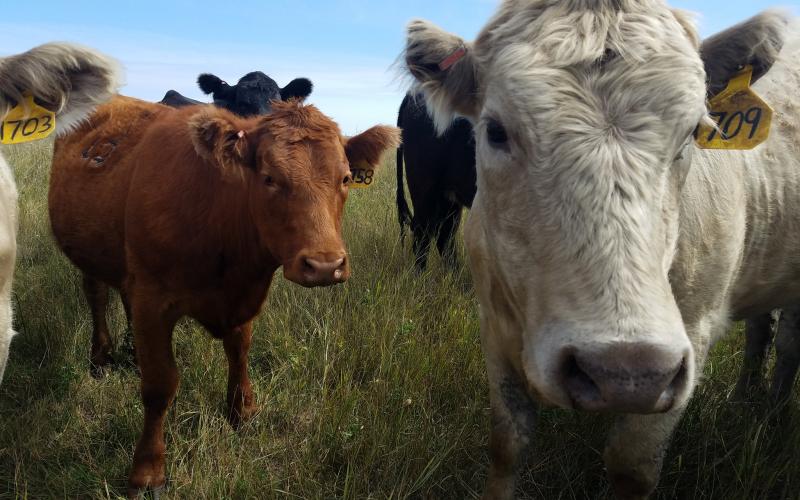
Feeding at the Right Price
Managing feedstuffs efficiently becomes more important during drought conditions or low revenue years.

Bookwork, The Missing Management Component: Farm Income Determination
Many ag producers do not like bookwork. Many times this job gets pushed to the side, until a bill is due or taxes need to be filed. It is also fair to say it is a missing component to the management of most operations. A missing component that could lead to the collapse of the operation.

Start Scouting Your Sunflower Fields for Red Sunflower Seed Weevil Presence
Red sunflower seed weevil adults have been detected in South Dakota. Current recommendations for management in both confection and oilseed sunflower is to begin treatment when the majority of the field has reached the R5.4 growth stage, but applications done between R5.1 and R5.4 can still provide yield protection.
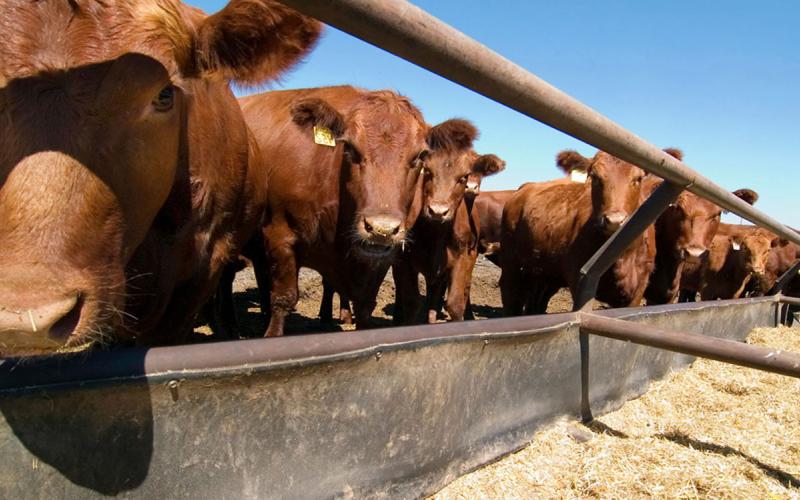
Register now for Dec. 6 Concentrated Animal Feeding Operations training
November 13, 2023
There will be an environmental training session for operators of Concentrated Animal Feeding Operations (CAFOs) on Dec. 6, 2023, at the Crossroads Convention Center in Huron.
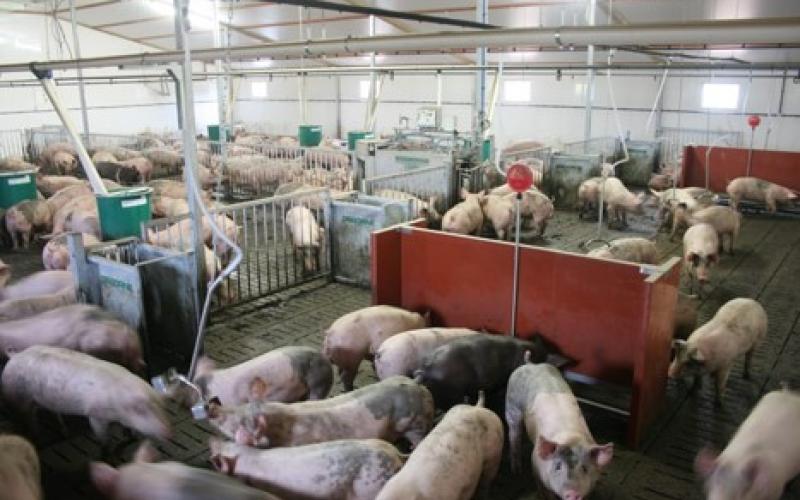
SDSU Extension invites CAFO operators to environmental training on June 26
June 04, 2024
There will be an environmental training session for operators of Concentrated Animal Feeding Operations (CAFOs) on June 26, 2024, at the Crossroads Convention Center in Huron.

SDSU Extension invites operators to CAFO environmental training
May 20, 2025
There will be an environmental training session for operators of concentrated animal feeding operations (CAFOs) on June 25, 2025, at the Crossroads Convention Center in Huron.

How to Properly Launder Insecticide-Contaminated Clothes
It is important to prevent insecticide exposure from occurring when laundering contaminated or potentially contaminated clothing.