Search
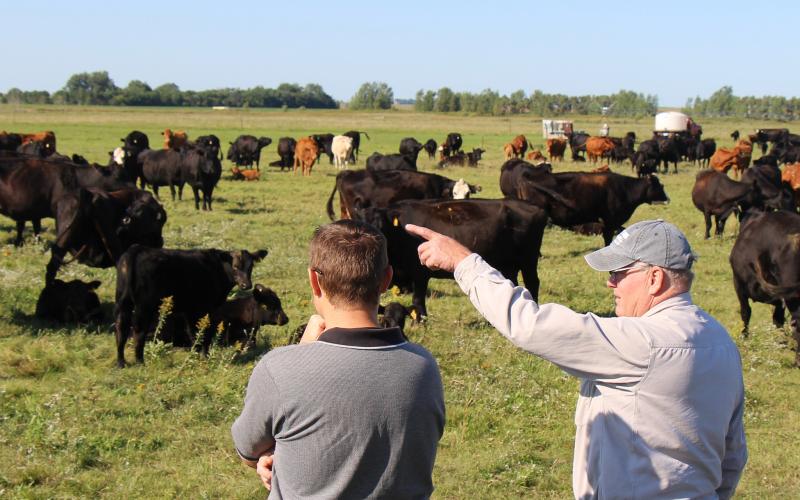
Observing Bulls at Pasture
Checking cows is a daily activity during the summer which becomes even more important once the bulls have been turned out to begin the breeding season. Why? If a bull isn’t doing his job or if he gets injured while on the job, there needs to be a plan B because at the end of the day cows still need to bred.
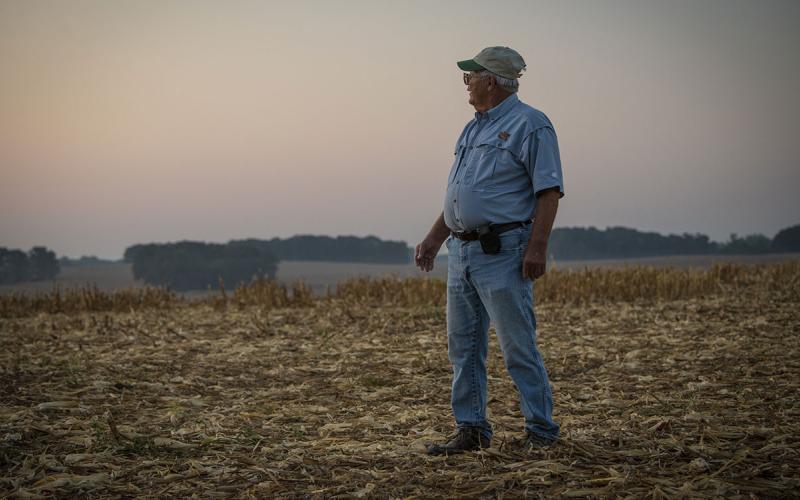
Farming Practice Comparisons in South Dakota: A case study across the fence and implications for the future
This extension study intends to provide some new insights on the financial and carbon storage comparisons between neighboring farms using conventional farming versus conservation practices (mainly no-till and cover crops).
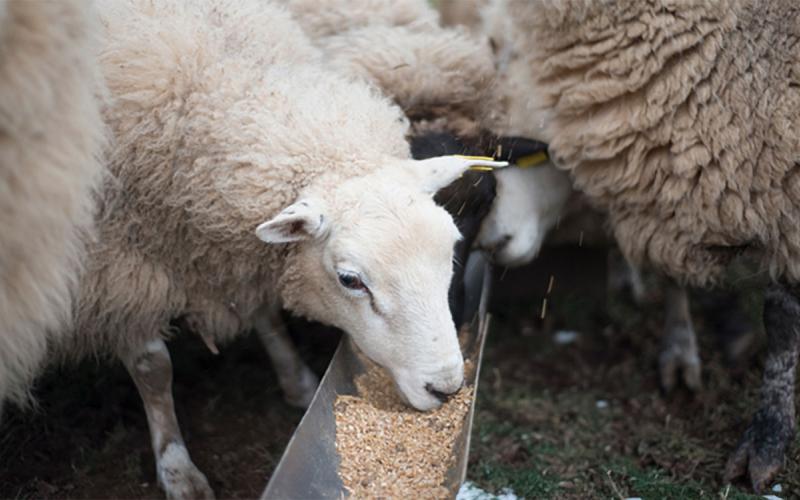
Proper Ewe Nutrition Benefits Future Lamb Performance
Supplying ewes with greater levels of energy during gestation ultimately leads to greater lamb performance throughout their lifetime.
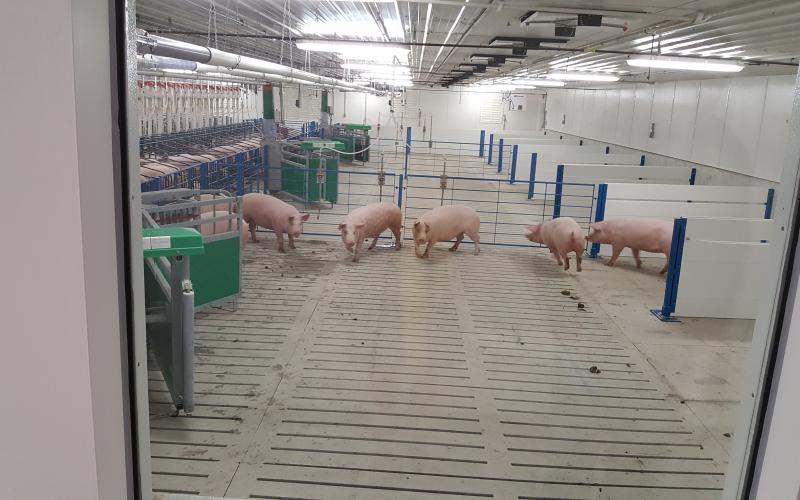
How Much Room Does a Pig Need?
Let’s take a moment to consider one of the animal observations from the Pork Quality Assurance Plus (PQA Plus) Site Assessment and its impacts. Recommendations exist in facility planning books about the square footage for an animal at each phase of production.
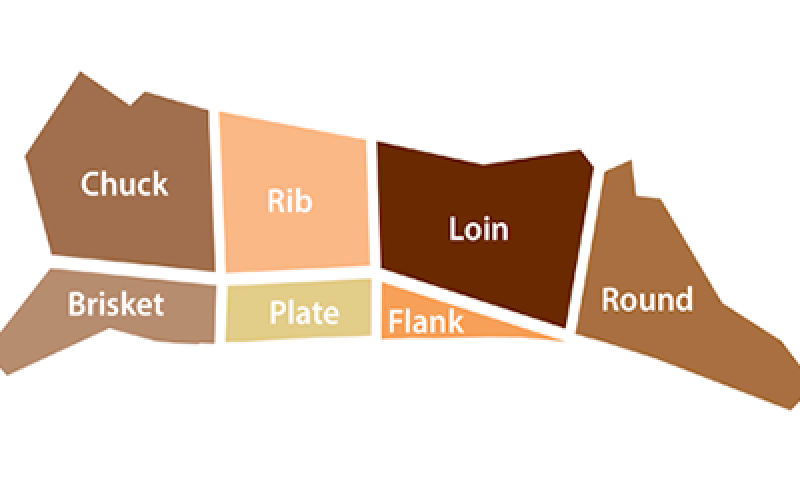
Adding Value to the Beef Carcass: Getting to know the value cuts
New value cuts have provided value back to the beef supply chain. Alternative fabrication provides consumers with more options and increases per head carcass value.
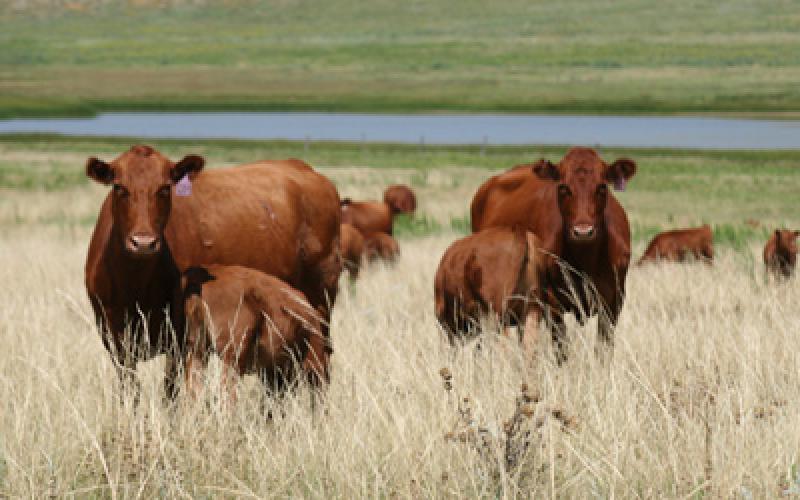
The Cost of Late Calvers
Pounds of beef sold is a key number for cattlemen. Late calvers the cows that drag out the calving season, may cost producers more than extra work and management, they may actually be costing dollars.
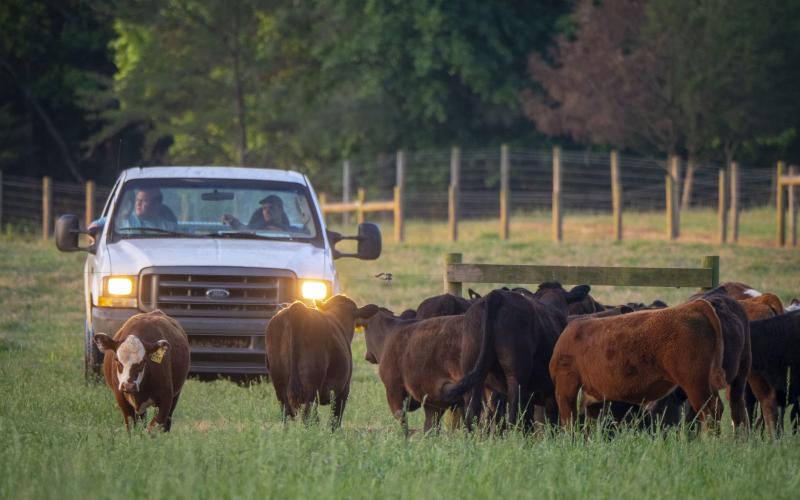
Managing Stress to Reduce Early Embryonic Loss in Beef Cattle
With the majority of pregnancy losses occurring in the embryonic period, it is critical to mitigate losses in livestock by managing stress and avoiding transportation when the embryo is most susceptible to mortality.
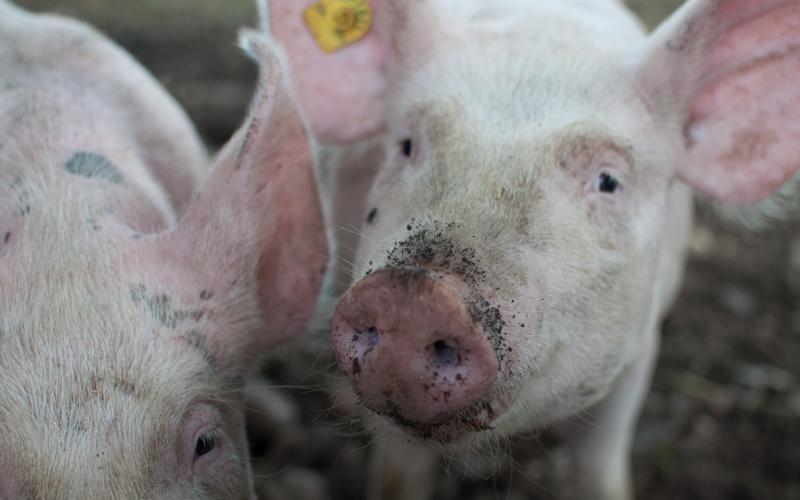
What Would African Swine Fever Look Like if it Hit the US?
The incursion and expansion of African Swine Fever (ASF) into China has raised concerns among producers and regulatory officials about the threat the disease may pose to the U.S. swine industry.
Soybean Growers Sought for On-Farm Research Program
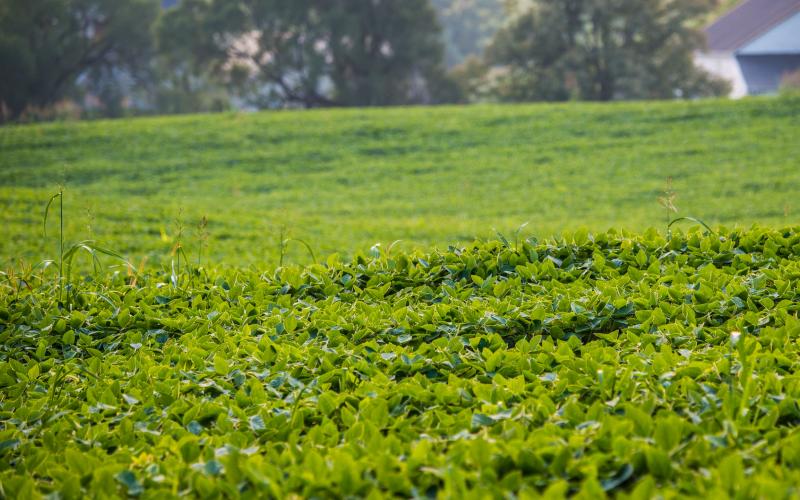
We want you! SDSU Extension and the South Dakota Soybean Research and Promotion Council are seeking South Dakota Soybean Growers willing to participate in a farmer-led on-farm research program.
Field Studies: What do You Mean 5 Bushels Per Acre is Not Significant?
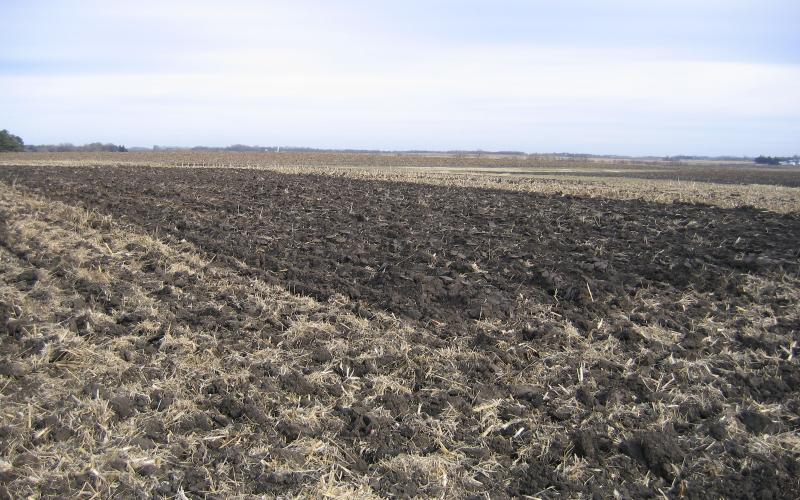
Utilizing sound research results to help make decisions on the farm is a wise business practice. It can be confusing, however, when you see two numbers that are clearly not the same labeled as “not significantly different.”