Search
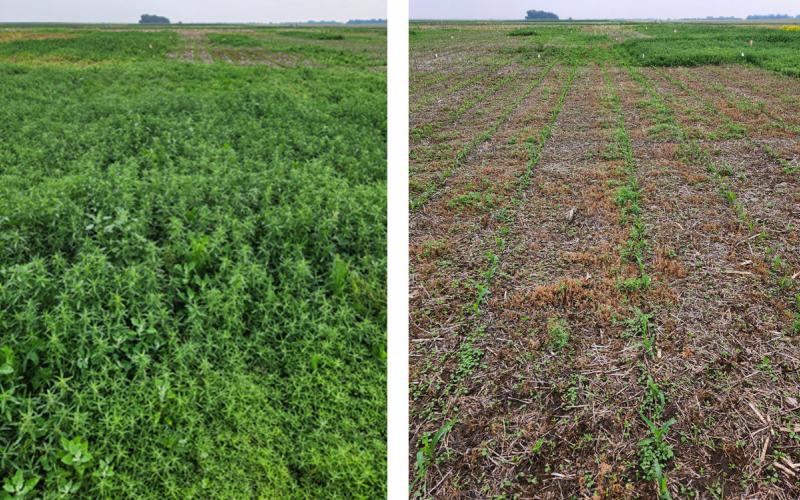
Glufosinate + lactofen is likely an effective mixture to manage kochia postemergence in soybean
Kochia is a difficult to manage weed that infests crops across South Dakota. Mixing effective herbicides is a tactic that can reduce selection pressure on resistant weeds and increase the effectiveness of weed management.
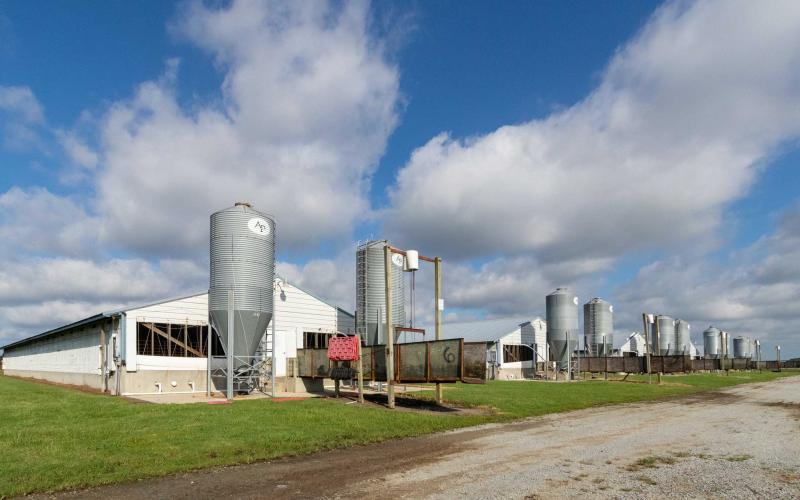
Preparing for a PQA Plus Site Assessment
The PQA Plus site assessment is an on-farm evaluation of a production site by a qualified PQA Plus Advisor. A review of standard operating procedures and office records, including caretaker training, animal observations, and the facilities will occur during the site assessment.

Rural Communities: Addressing Declining Population by Developing Entrepreneurial Communities
As the population decreases, schools close. Businesses close. Services become less and less. Research shows that people want to live in rural areas but don’t believe the opportunities are there. If communities develop a system to connect people to opportunities, rural communities can stabilize their population, keep their schools, businesses and services, and maybe even increase them.
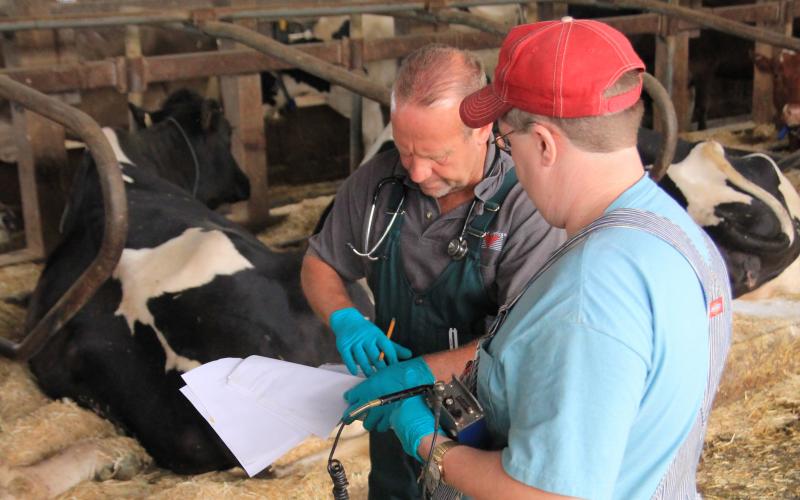
Coaching for Performance
One of the most difficult things for farm managers/owners to master is coaching employees for optimal performance.
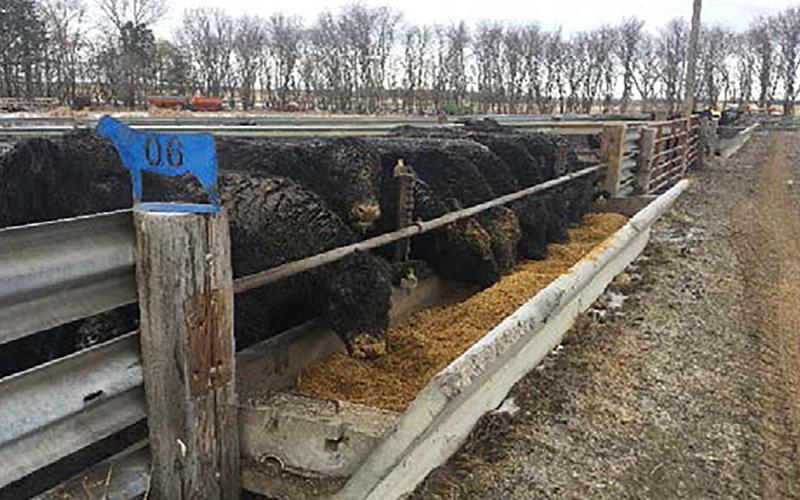
Case Study: Effect of Adding More Concrete to Open Pens
Mud caused by excessive precipitation dramatically reduces cattle performance. Pouring additional concrete and working on improving pen surfaces are approaches that can improve poor-weather performance in an open yard.
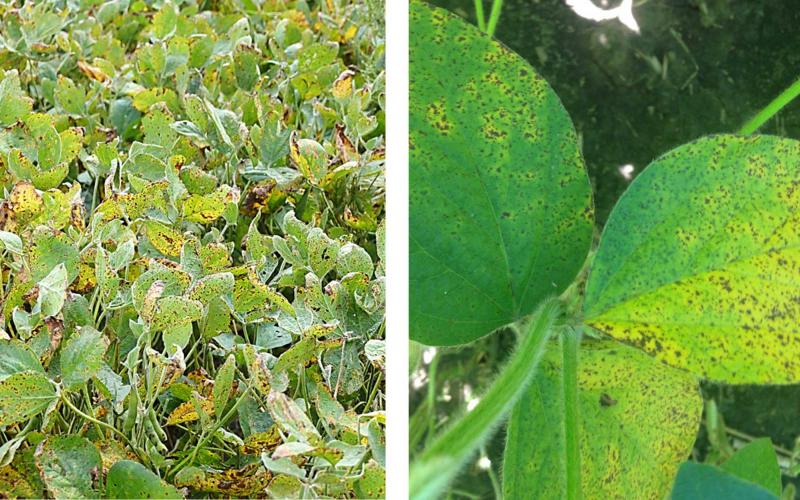
Deciding on Fungicide Application to Manage Mid-Late Season Soybean Leaf Fungal Diseases
Soybean leaf diseases can develop in some soybean fields to reach yield-reducing levels. The question that growers often ask is whether it is profitable to apply a fungicide to soybeans at the R3/R4 growth stage in South Dakota.
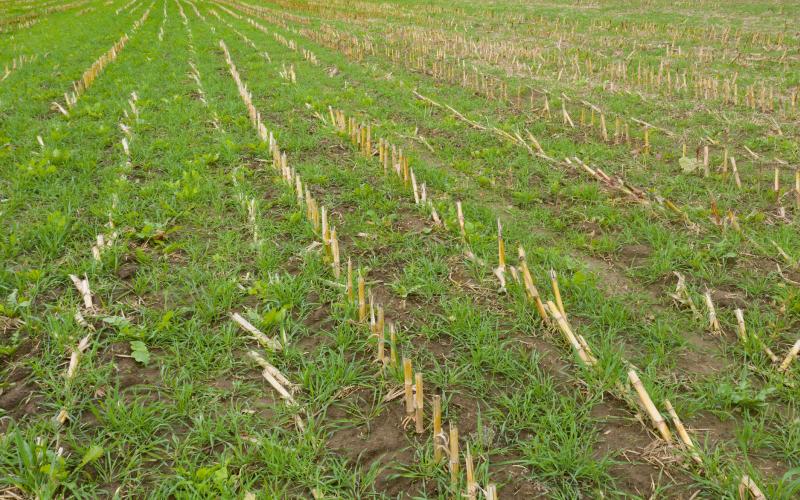
Utilizing Cover Crops for Grazing: An Assessment on Economic Benefits
Grazing cover crops by cattle provides an option to offset cover crop seed costs and increase farm revenue. To facilitate farmers’ decision making, this article will evaluate the economic profitability from grazing cattle on cover crops using a partial budgeting approach.
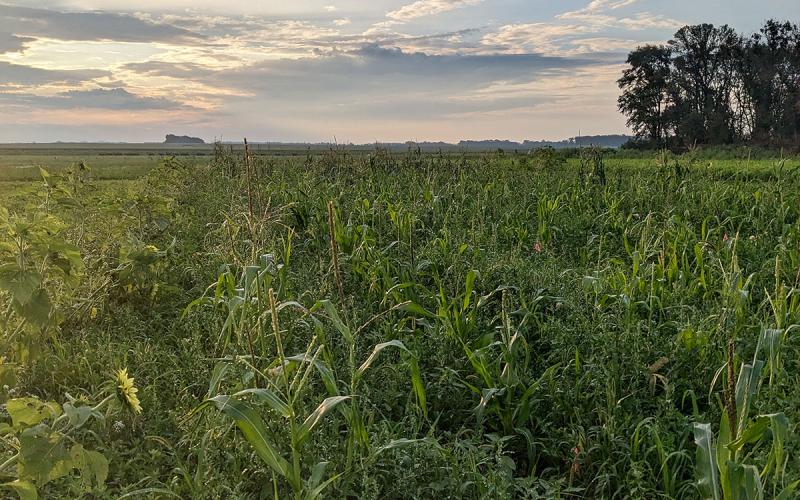
Organic Sweet Corn Production in Clover Living Mulch Systems: 2-Year Research Summary
Research in 2024 and 2025 in a USDA certified organic field at the SDSU Southeast Research Farm explored growing sweet corn in three types of clover grown as a living mulch.
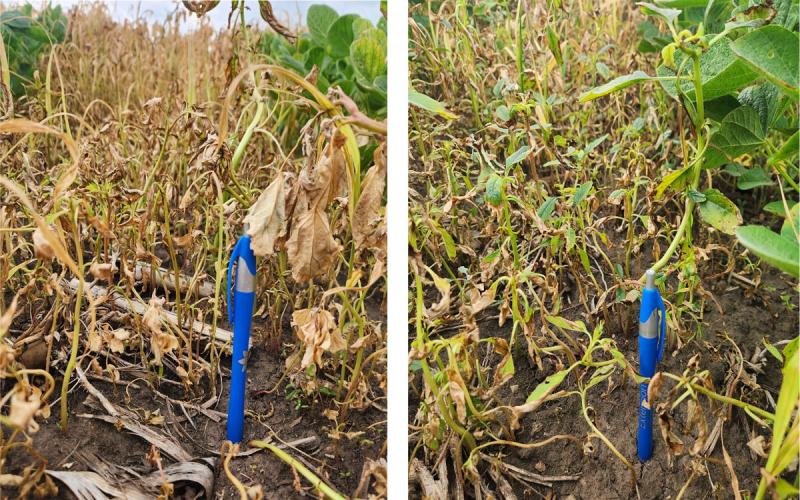
Clock tells the time of the day, not when the job is done. Is that true for weed management?
Common banter at the farm gate implies farmers work long days to get the job finished. However, weed management may improve if spraying stops at a particular time of day.
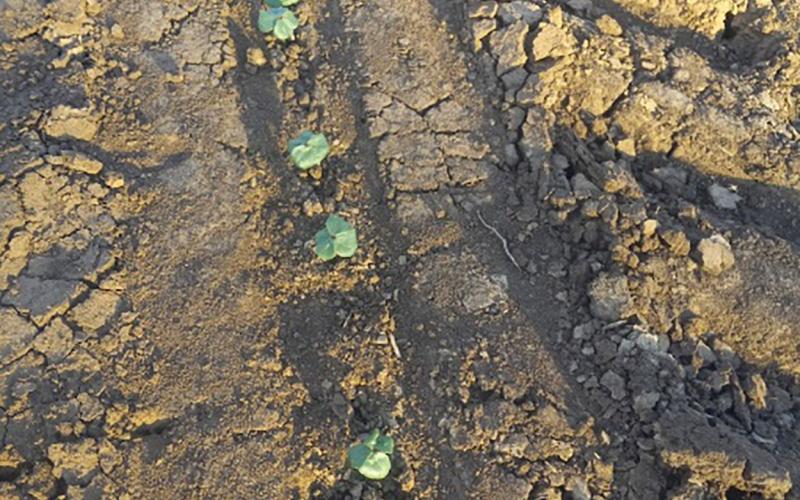
Accounting for Soil Wetness Prior to Conducting Farm Operations to Minimize Compaction
In the spring many agricultural producers are anxious to get into the field and perform tillage, planting, and chemical applications. However, if field operations are done when the soil is too wet, this can lead to soil compaction.