Search
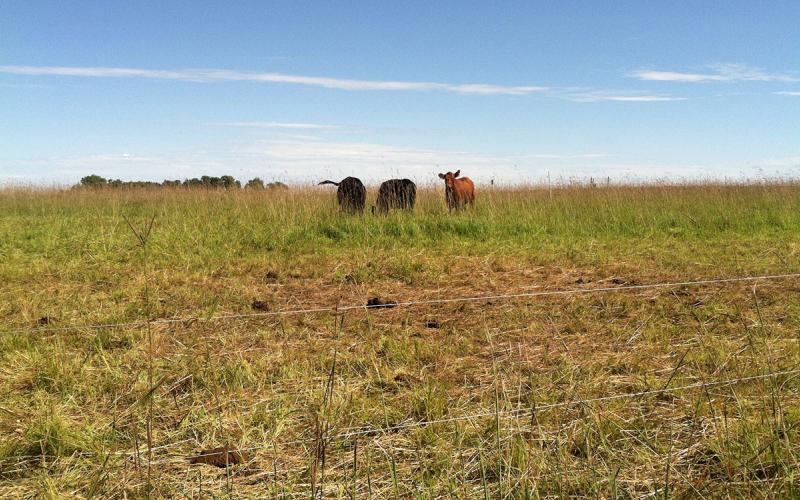
How to Test Hay and Forage for Nitrate Levels Using Test Strips
Step-by-step instructions for how to complete Nitrate testing for forage and hay.
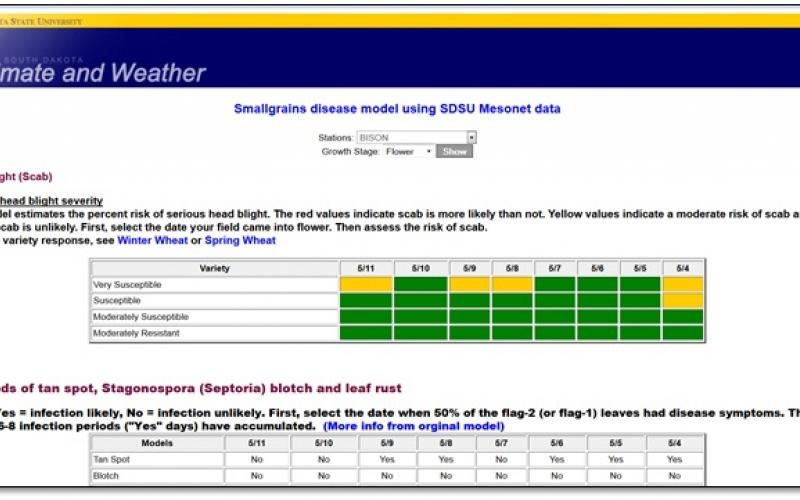
The Small Grains Disease Forecasting System Could Save Producers Money
The South Dakota State University Small Grains Plant Pathology program has partnered with the Small Grains Plant Pathology program at North Dakota State University to deploy a small grains disease forecasting system for South Dakota. The system uses weather variables including rainfall, temperature, and relative humidity to predict the likelihood of disease development. This new tool has the potential to save growers money by helping them avoid unnecessary fungicide applications, or knowing when to apply a rescue fungicide treatment.

Community Vitality helping train South Dakota board members for service with customized curriculum
June 15, 2023
The SDSU Extension Community Vitality team has created the Building Highly Effective Boards curriculum to teach South Dakota board members how to thrive in their roles.
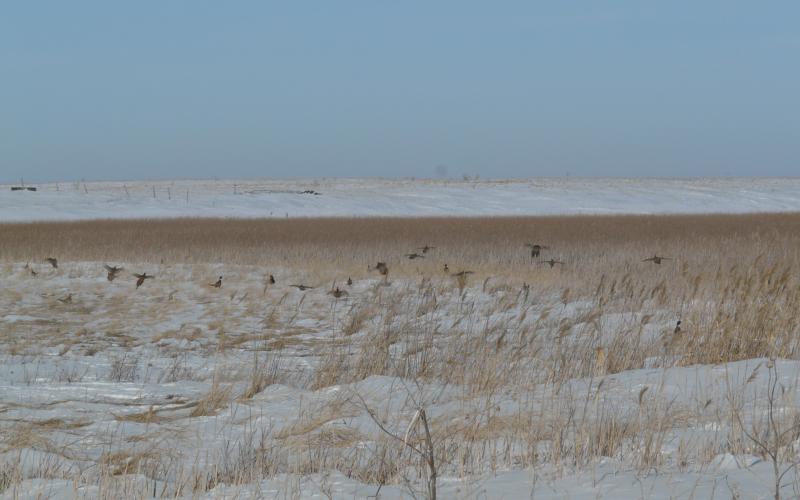
The Importance of Wetlands in Winter
Drive by a wetland in the dead of winter and it may look like a shut-down ecosystem, patiently waiting for spring to return. But that is simply not the case. While winter may present its own challenges, life goes on and wetlands play an important role.
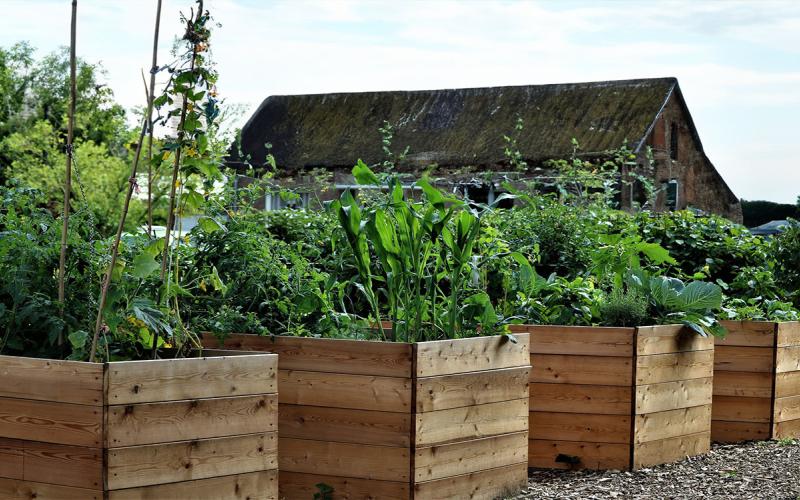
New season of SDSU Extension Garden Hour starts May 5
April 23, 2026
The latest season of Garden Hour, South Dakota State University Extension’s popular webinar series for gardeners, will start on May 5, 2026.
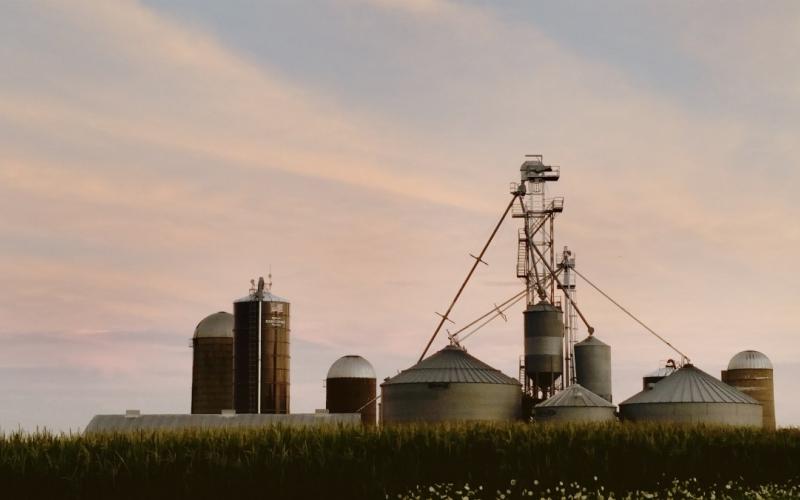
Corn Grain Moisture Discount: Why and How Much?
Corn marketed at the standard moisture content of 15.5% and 56 pounds per bushel typically contains 47.3 pounds of dry matter and 8.7 pounds of water. At harvest, a producer has to decide whether to sell (or even store) his corn at ‘as is’ moisture content or mechanically dry it before taking it to the buyer.
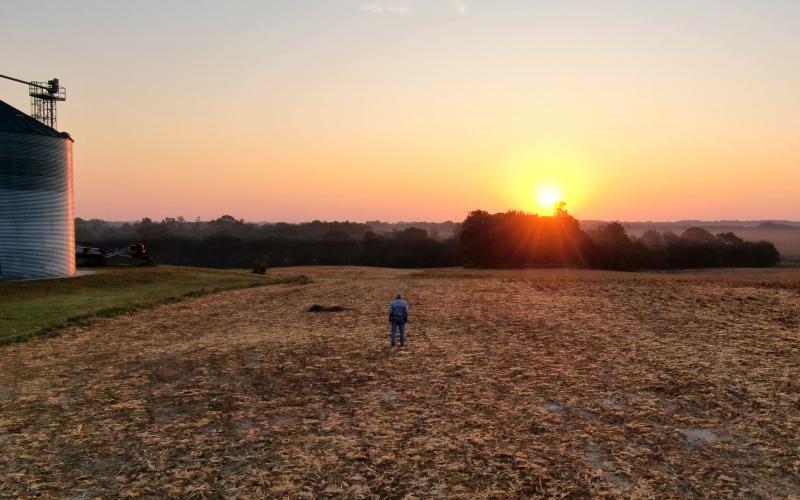
Being Proactive and Prepared During the COVID-19 Pandemic: Tips for South Dakota Farmers and Ranchers
August 10, 2020
Are you prepared to be gone from your operation for a month?
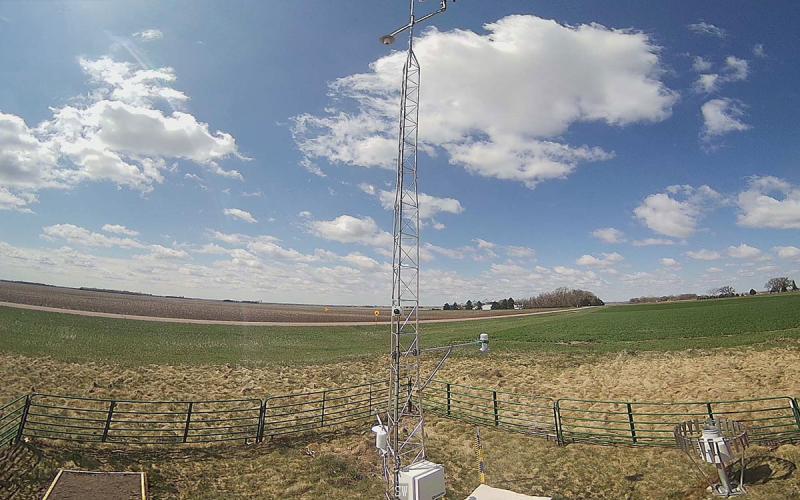
Building Resilient Farms Amid Increasing Weather Variability
Recent decades have brought a noticeable increase in climate variability in South Dakota. Understanding these trends and adopting adaptive management practices can help producers strengthen the resilience of their operations.
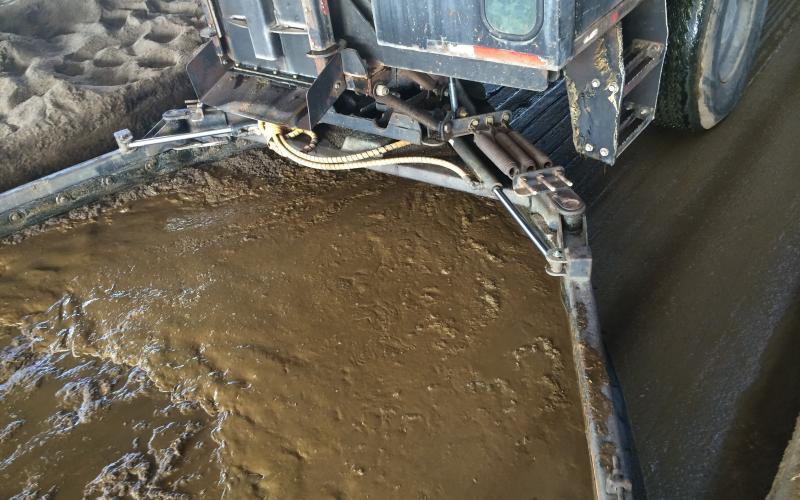
Understanding Manure Storage System Safety Risks
Many producers know and understand the risks associated with confined manure handling systems, but accidents and deaths still occur because unwarranted risks are taken as manure is being handled and removed from the systems.
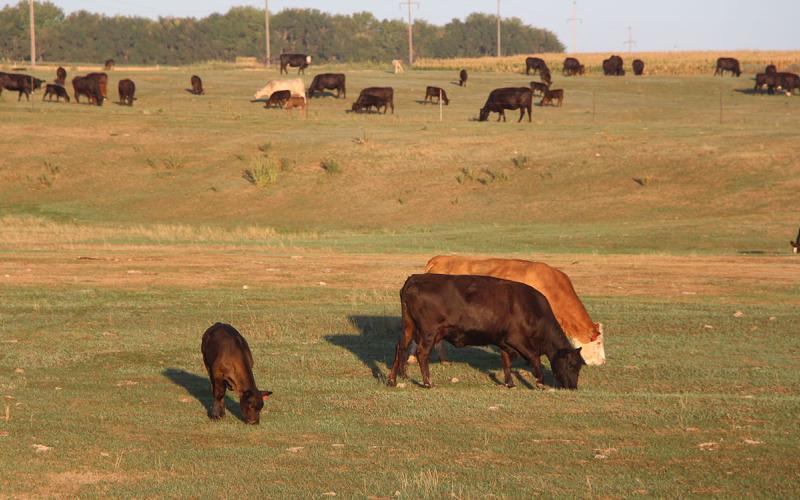
Maintaining Cow Herds in Times of Limited Fall and Winter Moisture
Lack of moisture has been a common theme for a majority of beef cattle producers in the Northen Great Plains the last few years. These conditions cause beef producers to stretch grazing resources and feed inventory reserves.