Search

Strategies to Avoid Sugar Rushes and Crashes: Protein, Movement, and Consistency
Sugar rushes and crashes can happen to both youth and adults—especially during the holidays. But what is going on in our bodies to cause them? And how can we avoid them?

Food Allergens
In the United States, about 8% of children and 10% of adults are affected by a food allergy. Learn about some of the most-common food allergens along with some expert tips for managing them.
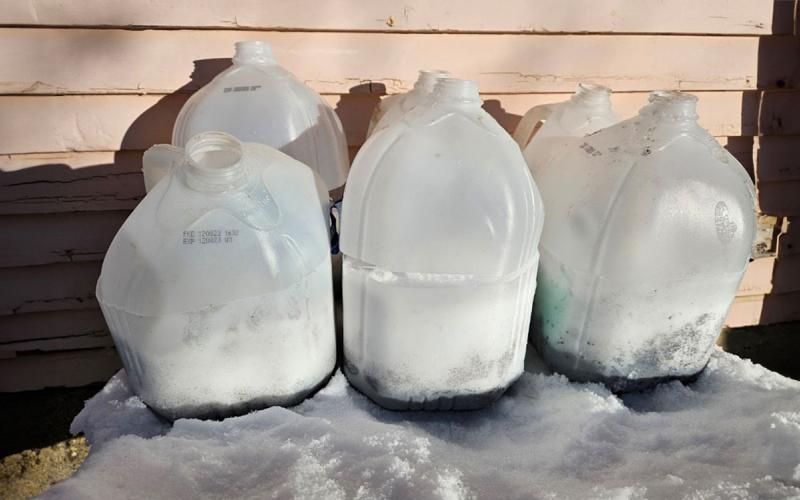
Winter Sowing in the Northern Great Plains
Winter sowing is a technique used to start seeds that have a requirement for cold stratification, including many native perennials. View some expert tips and a step-by-step guide for getting started.
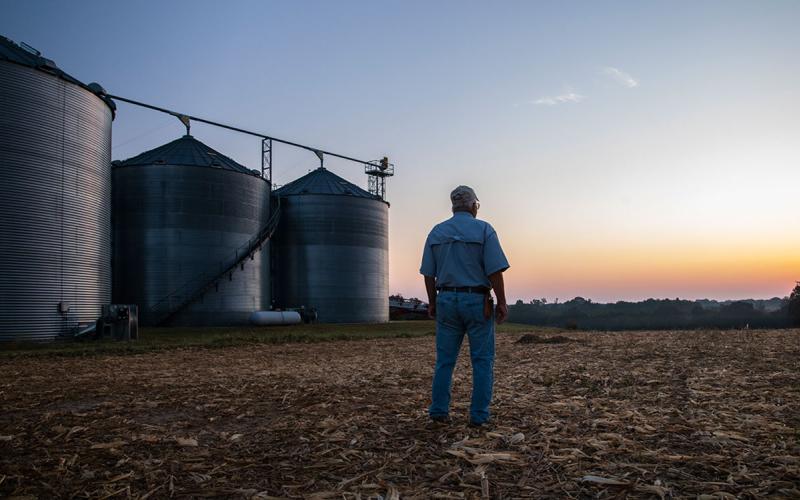
Carbon Markets and Opportunities for Farmers
There is growing interest in paying farmers for regenerative agricultural practices as a means for sequestering carbon. Learn about some of the benefits and challenges that carbon capture opportunities offer for producers.
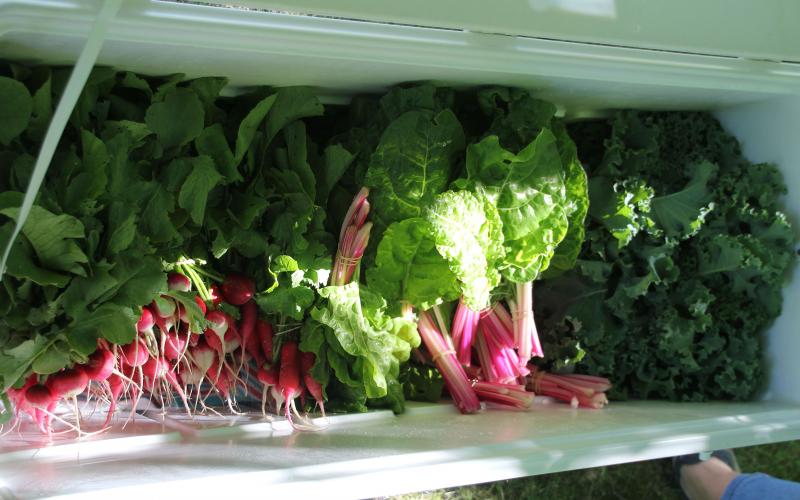
Container Gardens and CSAs
Just about all of us have room to grow a few vegetables, as long as you have some space where they can get good sun exposure for at least six hours a day. You don’t even have to have a garden!
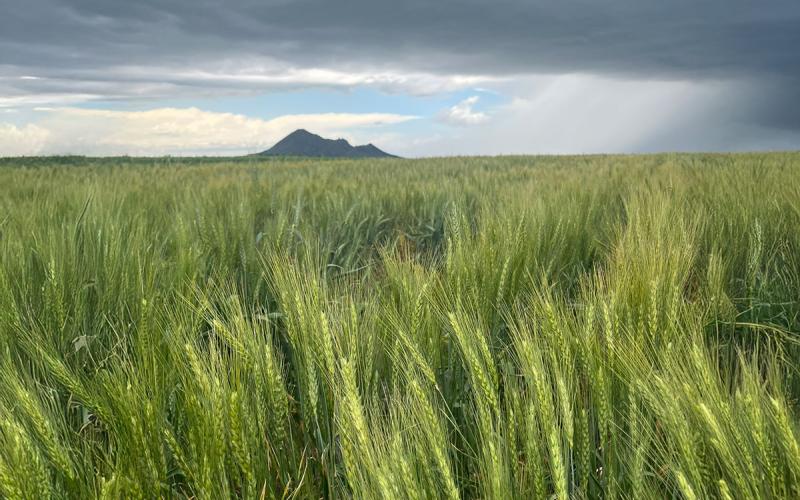
Optimizing Wheat Success for 2026
Whether it be winter wheat or spring wheat, there are many things to consider to help improve the health and success of these crops in the upcoming growing season.

The Twelve Days of Fitness
It is common for health and fitness to take a backseat during the holiday season, but this fun, family-friendly workout can get everyone moving together to have a happy and healthy season ahead!

SDSU Extension Announces Agriculture Behavioral Health Voucher Program
February 24, 2022
Brookings, S.D. – SDSU Extension, the South Dakota Department of Social Services (DSS), and the South Dakota Department of Agriculture and Natural Resource (DANR) have launched an Agriculture Behavioral Health Voucher program.
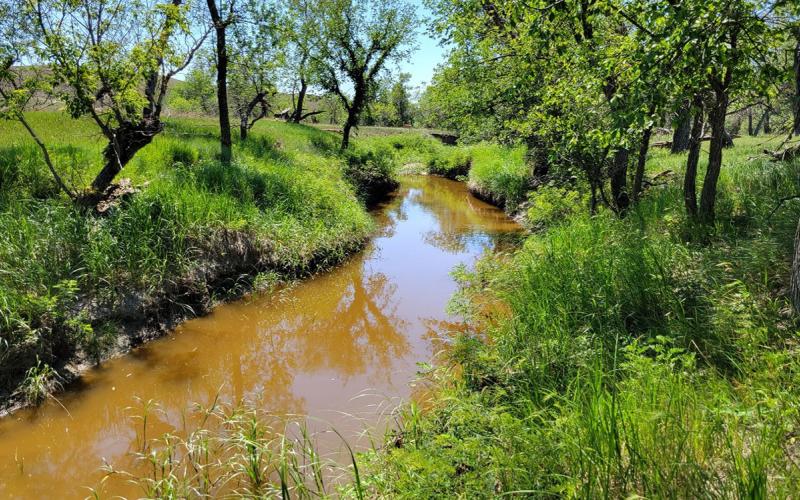
Western South Dakota Stream Guide now available for landowners, managers
January 24, 2023
A new manual, “Understanding Western South Dakota Prairie Streams” – or the Stream Guide – is now available as a free digital download.
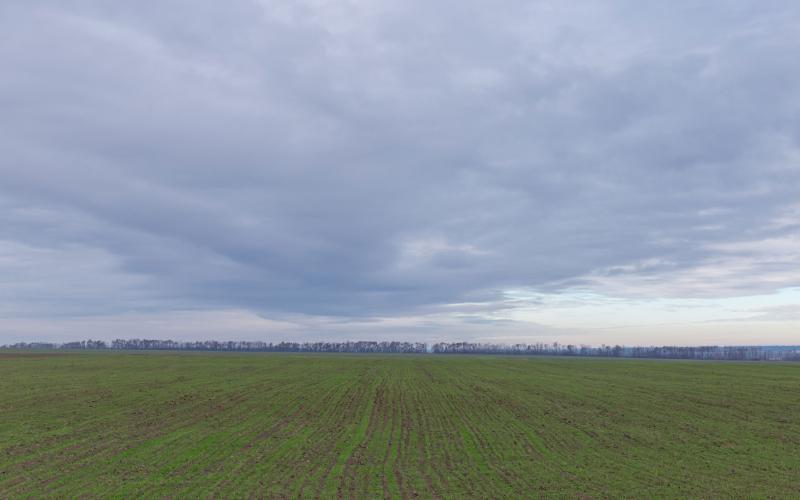
Winter Survival and Spring Stand Counts in Winter Wheat
Every winter, growers are curious if their wheat field will survive the winter. Not enough snow cover during the coldest days, spring flooding, and ice injury are the main reasons for plants to die. The only way to get a true assessment of winter survival is to scout the field in the spring.