Search
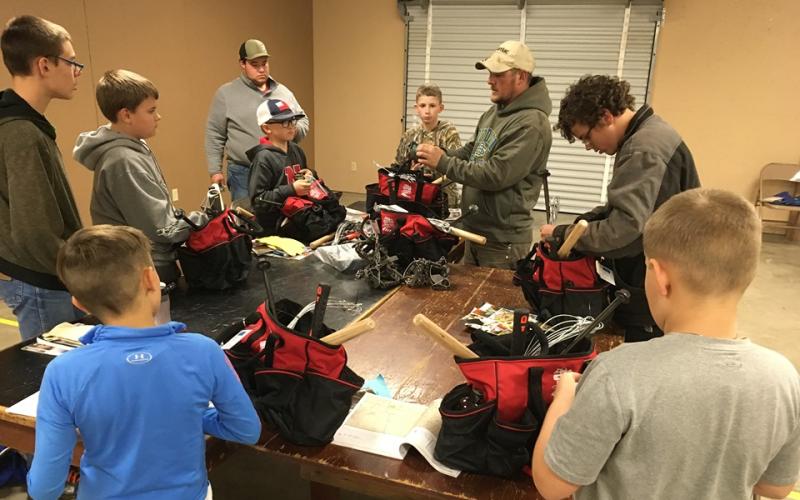
Organizing, Chartering, Reporting, and Disbanding 4-H Clubs/Affiliates
The following procedural guidance guides local 4-H clubs and affiliates as they organize, charter, report, and eventually disband. Collectively, these practices ensure that South Dakota 4-H clubs and affiliates are meeting appropriate federal or state guidelines and program best practices.
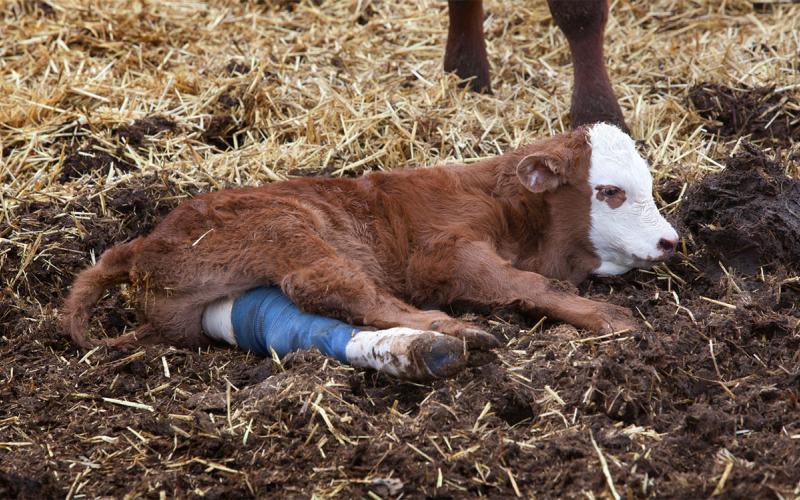
Treating Lameness in Cattle
Successfully treating most cases of cattle lameness usually involves more than a simple injection of antibiotics. Knowing the best intervention for a particular animal starts with a good diagnosis of the problem.
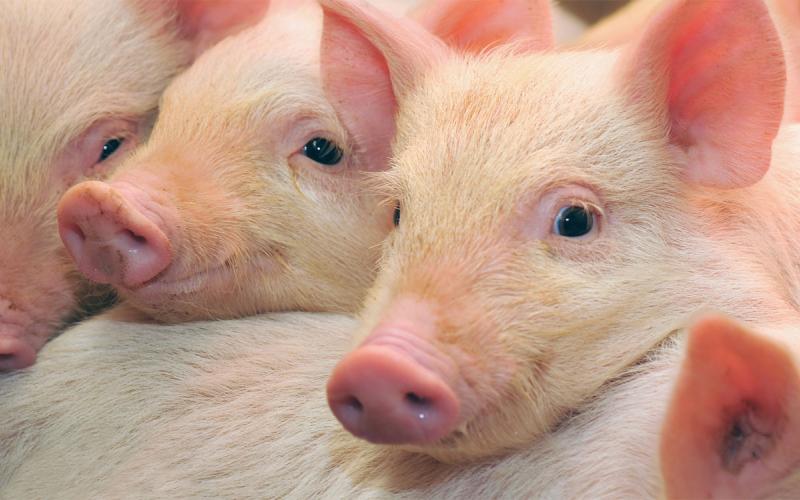
SDSU Extension invites participation in SowBridge needs survey
October 18, 2023
South Dakota State University Extension is inviting swine producers to participate in the SowBridge distance educational series assessment.
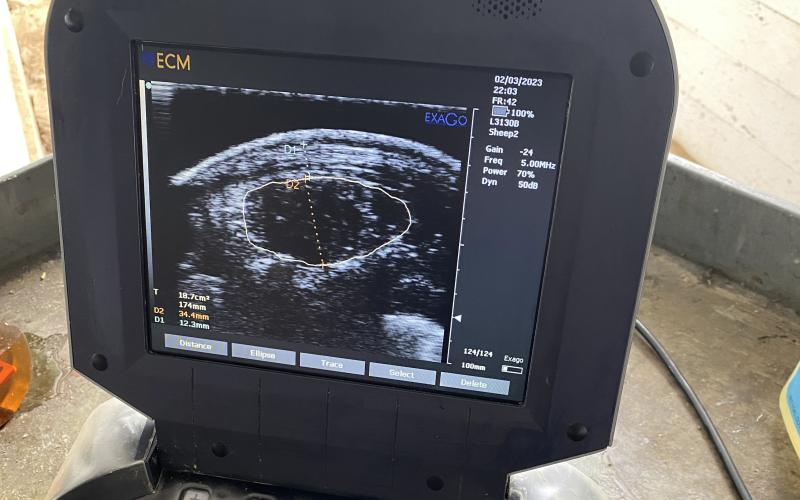
Register now for SDSU Extension Sheep Ultrasound Certification School
July 22, 2024
South Dakota State University Extension is hosting a sheep ultrasound certification school from 8 a.m. Aug. 24 to noon Aug. 26, 2024, at the SDSU Sheep Research and Teaching Unit, located 1.5 miles north of the SDSU campus.
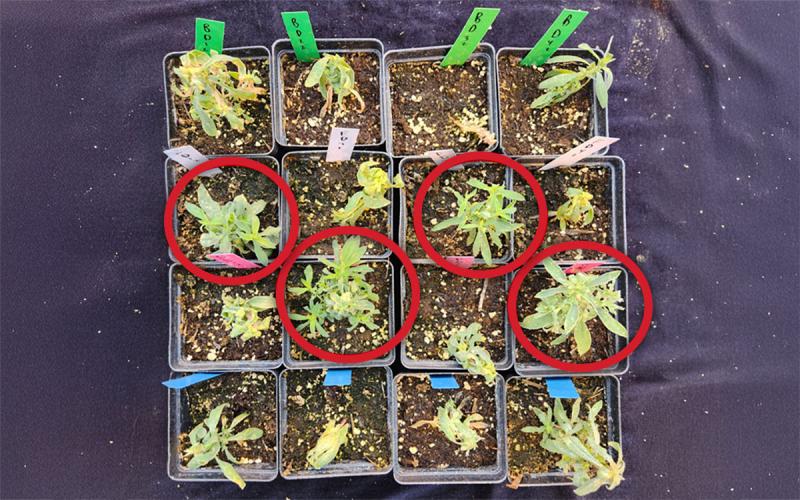
Dicamba-Resistant Kochia Can Likely Be Found Across South Dakota
Kochia populations collected across South Dakota have been subjected to an herbicide effectiveness screen, where a treatment of dicamba was applied and some kochia plants exhibited survival and regrowth after treatment.
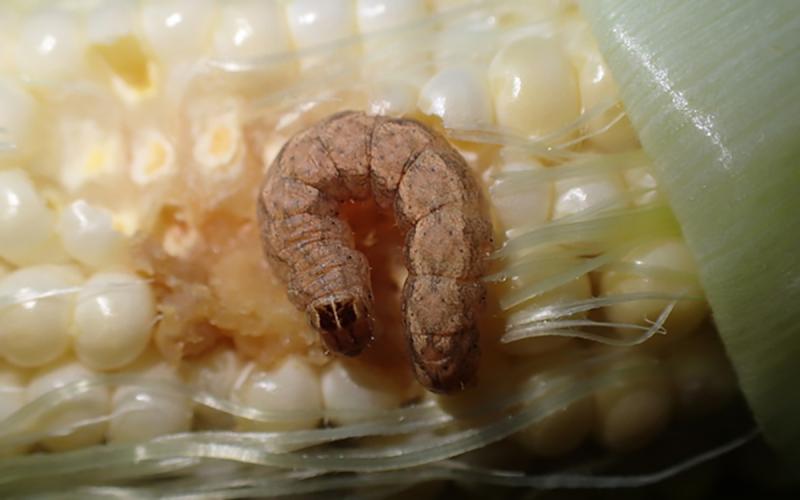
Western Bean Cutworms Detected in South Dakota Corn
Western bean cutworm caterpillars have been reported in South Dakota corn. This pest can cause yield loss by feeding on the tassels, silks, and ears. In addition, ear feeding activities increase the likelihood of secondary diseases and mold growth on the ear.
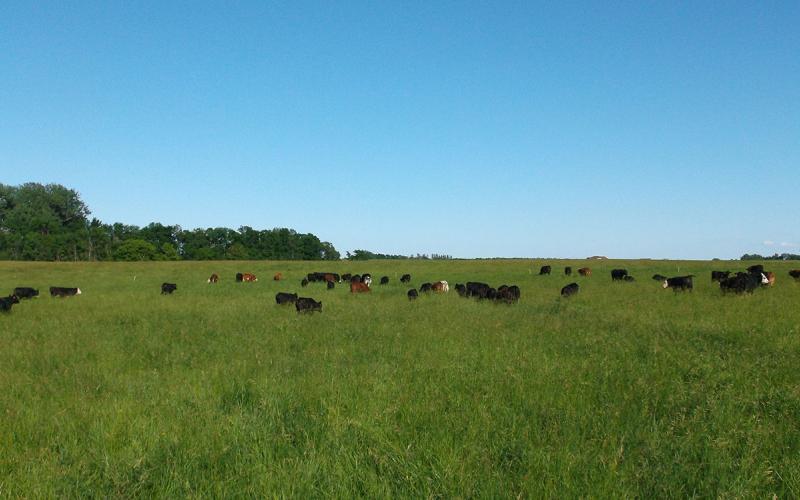
Grass-Fed Beef: Market Share of Grass-Fed Beef
So, how significant is the grass-fed beef industry in America? About four percent of U.S. beef retail and food service sales is comprised by grass-fed beef with a value of roughly $4 billion.
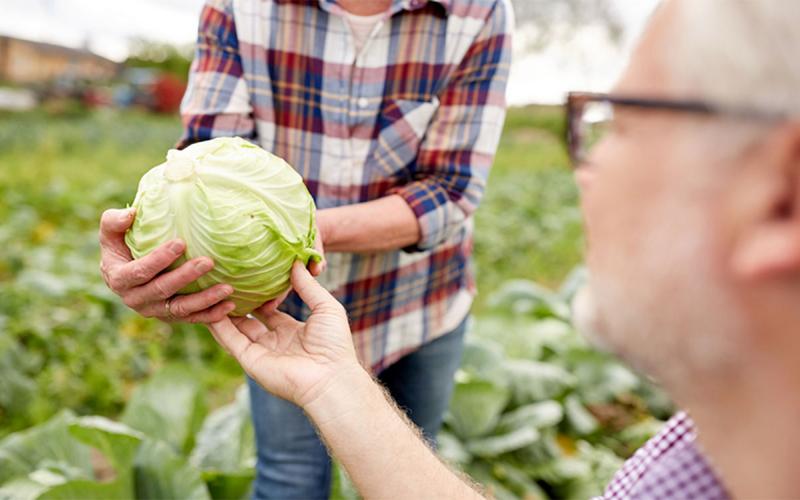
Perfect produce? Understanding the standards behind cabbage quality and condition from a production perspective
Learn about the U.S. Department of Agriculture cabbage grading requirements, as they are key to understanding why produce is graded to certain standards before it ends up on grocery store shelves.
Don’t Discount the Need for Vitamin A and E in Beef Cows During Winter
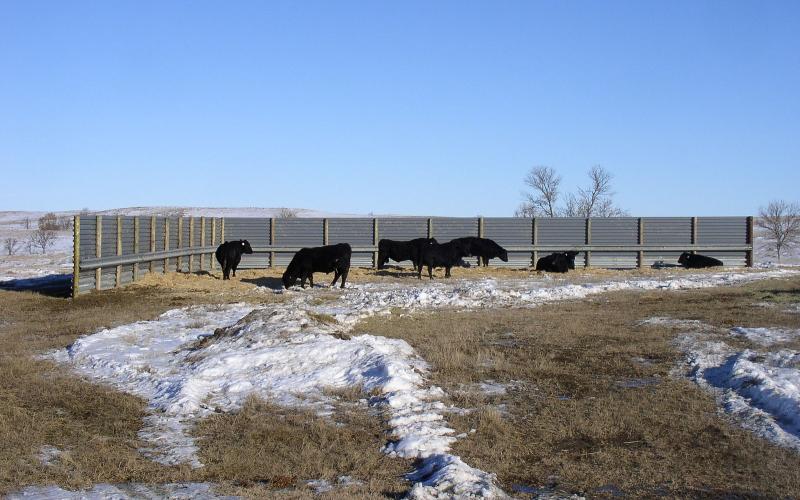
Supplying sufficient Vitamin A and Vitamin E to cows in late gestation is important every year. Vitamins A and E are plentiful in green forages, but tend to be much lower in hay and winter range and continue to decline as the fall and winter progress.
Understanding Feed Analysis Reports
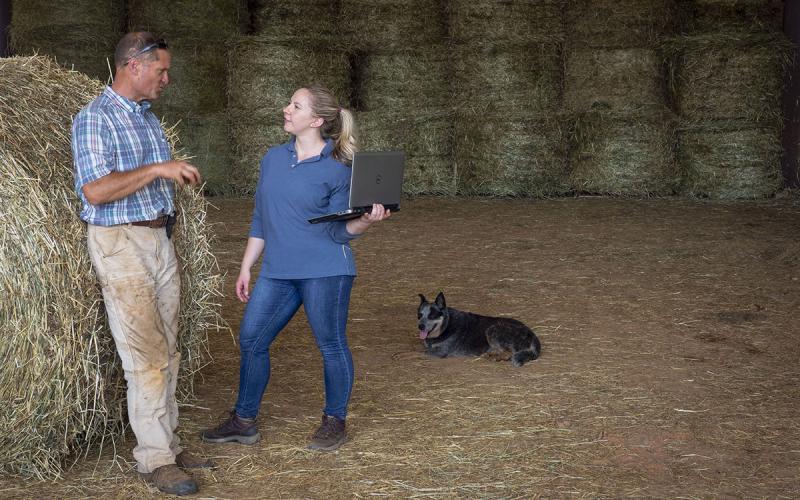
Well-developed rations begin with knowing information about each of the feeds utilized within them. Understanding the components of a feed analysis report can help.