Search
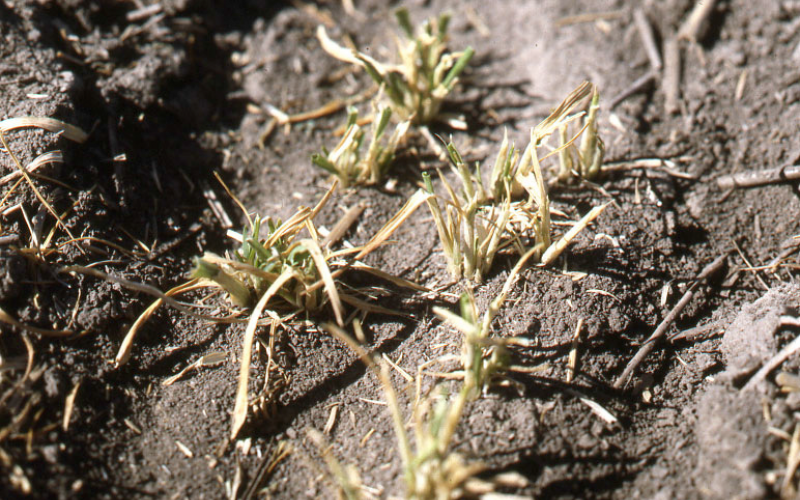
Time to Start Scouting for Cutworms in Winter Wheat
Eventually, South Dakota will warm up. The warmer temperatures will increase insect activity, including pests. For wheat, a couple of early season pests that may already be active are the army cutworm and the pale western cutworm.
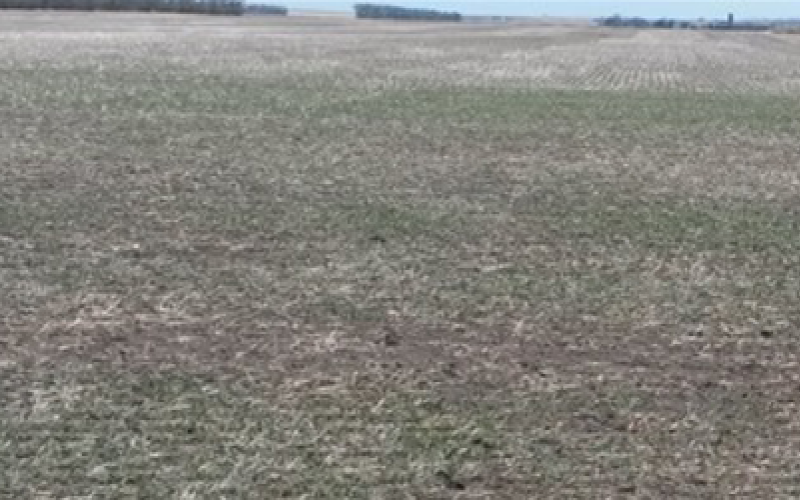
Split Application of Nitrogen in Winter Wheat
Adequate N early in the growing season is important to support healthy tillering and to give young plants the best opportunity to survive the sometimes-harsh South Dakota winter
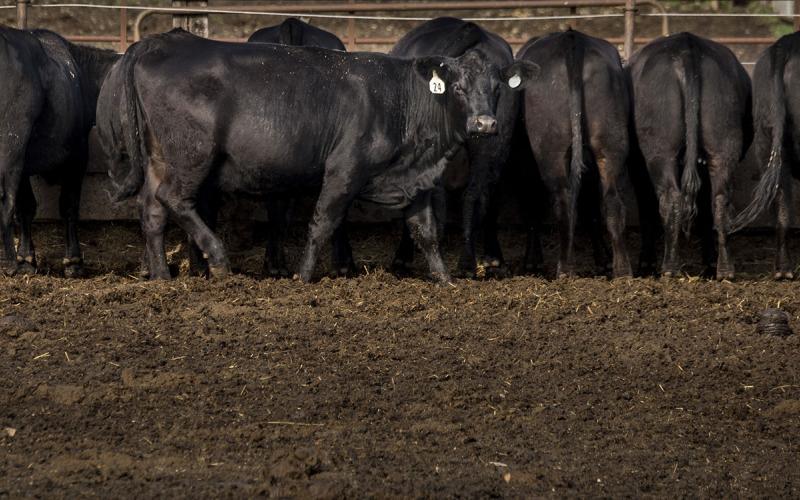
Feeding Damaged Wheat to Cattle
Feeding damaged wheat to livestock is one way to salvage value from the crop. Wheat can work well in cattle diets with some limitations.
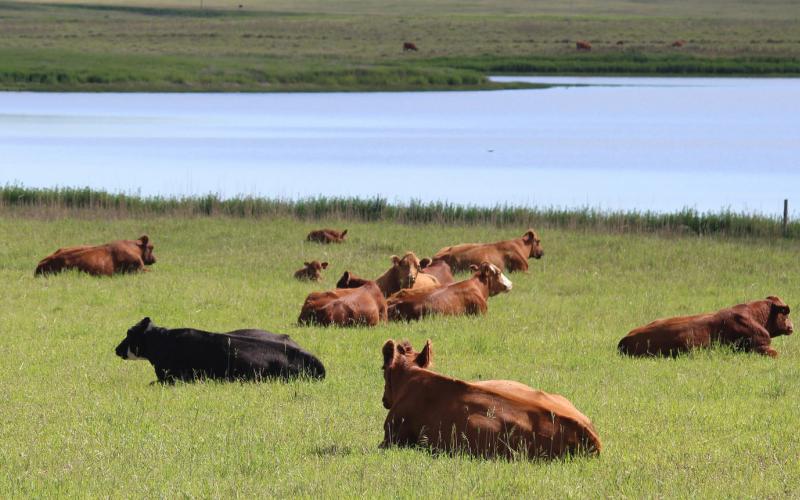
Parasite Control for Cow Calf Operations
Spring is coming and with calving season underway it is important to keep our eyes forward on to the next step in production.
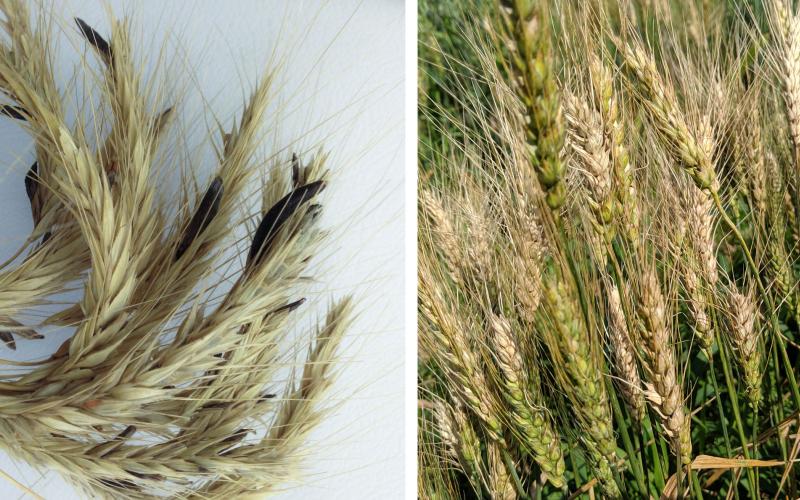
Assess Your Fields for Ergot and Fusarium Head Blight Before Harvest
The 2019 wheat harvest is well underway in South Dakota, with many acres of winter and much of the spring wheat crop left to harvest. To date, reports on yield and quality have been variable, depending on when the crop was seeded, weather conditions at important growth stages (such as flowering and grain fill) and disease pressure throughout the season.
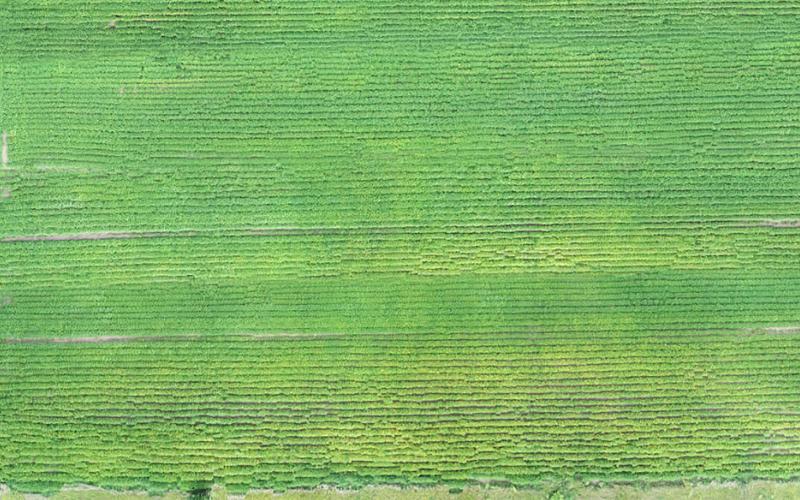
Early Yellowing in a Soybean Field May Indicate Presence of the Soybean Cyst Nematode
Some portions of soybean fields may show clusters of plants yellowing while the rest of the field is still green. One of the factors that could lead to soybean plants showing early yellowing in clusters is soybean cyst nematode (SCN).
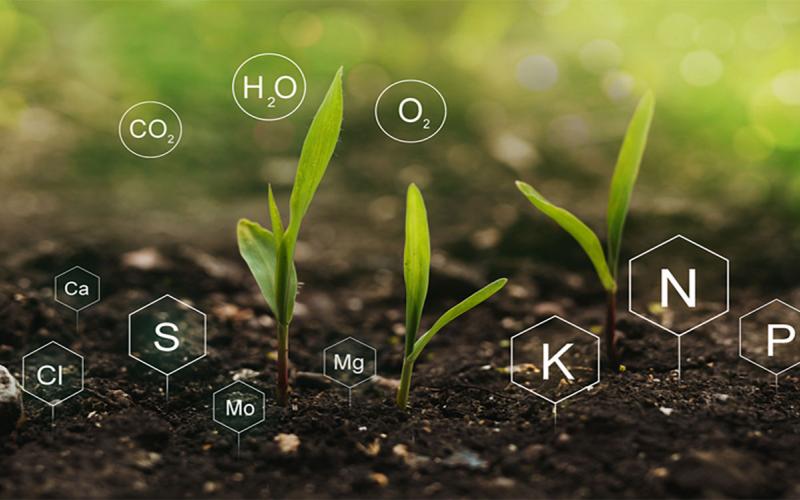
Interpreting Soil Tests for Gardening
There are many different chemicals that make up plants. These chemicals include hydrogen, carbon, oxygen, nitrogen, phosphorus, sulfur, calcium, magnesium, iron, manganese, copper, boron, zinc, molybdenum, cobalt, and chlorine.
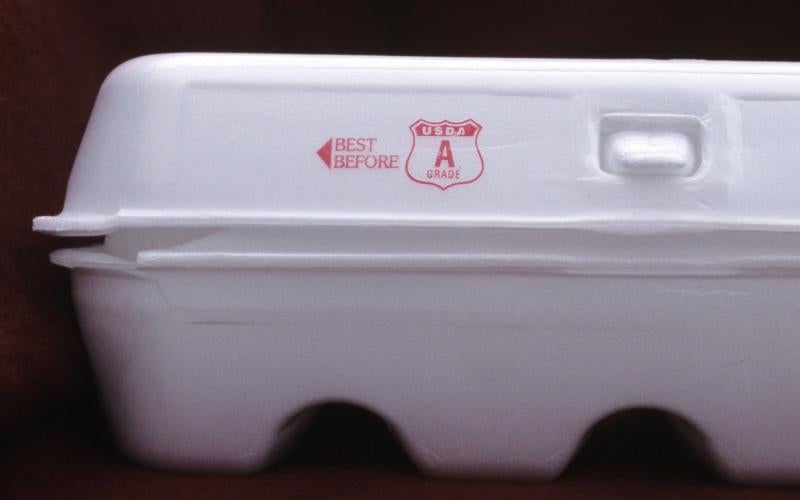
Selling and Distributing Eggs in South Dakota
If planning to sell eggs in the state of South Dakota, an egg dealer license must be obtained annually. The application for this license can be found and printed from the South Dakota Department of Agriculture’s Form Finder website.
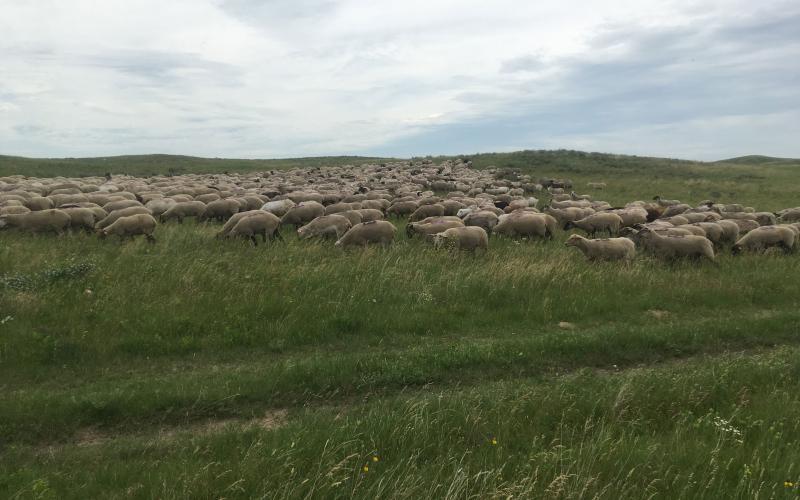
Multi-Species Grazing as an Alternative to Pasture Spraying
Broadacre spraying of pastures is intended to reduce undesirable plants and increase grasses for livestock. This practice often results in unintended consequences, including damage and reduction of native forbs and reduced profitability. One approach to managing perceived “weedy” plants is incorporating different species of livestock into a grazing operation.
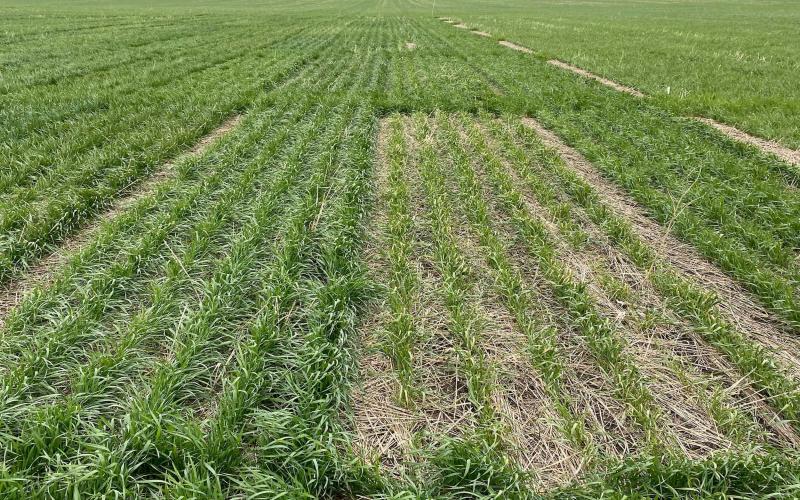
Low Temperature Effects on Winter Wheat
Low temperatures during the early morning hours of May 9–11, 2020 may have had detrimental effects on winter wheat in some areas of South Dakota. However, cooler spring temperatures that have slowed the winter wheat development this year may have actually been beneficial to S.D. producers, as later-maturing wheat is not as susceptible to injury from freezing temperatures.