Search
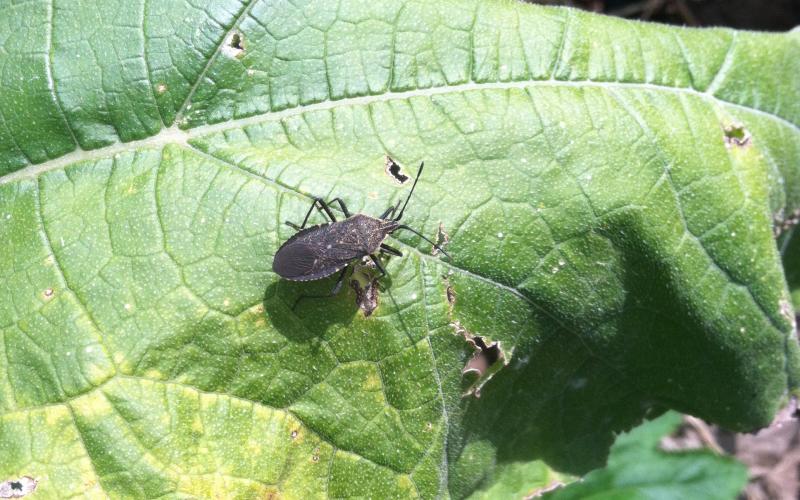
Protecting Your Garden From Squash Bugs
With the end of summer approaching, we are beginning to receive many reports of squash bugs appearing throughout South Dakota. These insects are a common pest in gardens from mid-summer until the first frost.

Time To Harvest Those Winter Squash
One of the wonderful things about having a vegetable garden is having access to fresh produce all season long. Now that the growing season is closing down, you likely still have some vegetables left to harvest, particularly the winter squash. The great thing about squash is that they usually store well so they can provide food for several months during the fall and winter.
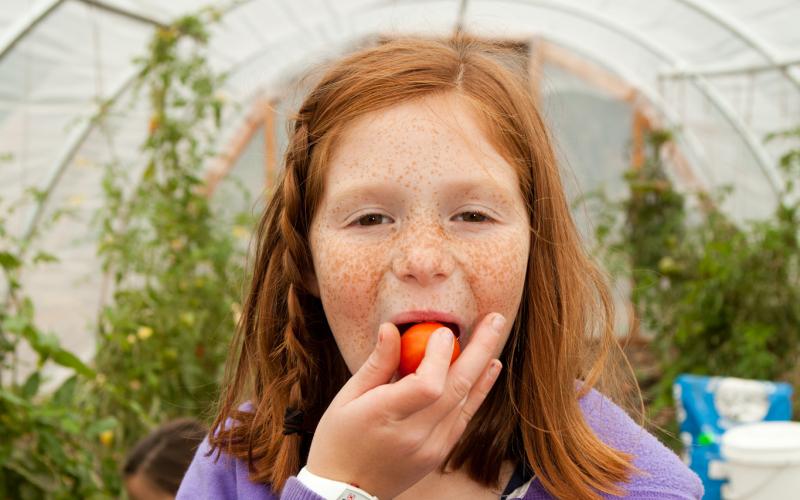
Agritourism
When a producer has decided to sell a product directly from the farm, entertainment or tourism-based activities could be incorporated to create larger appeal. Agritourism could add value to the farm visit though education, entertainment, outdoor recreation, dining, relaxation or other avenues, potentially drawing more customers in.
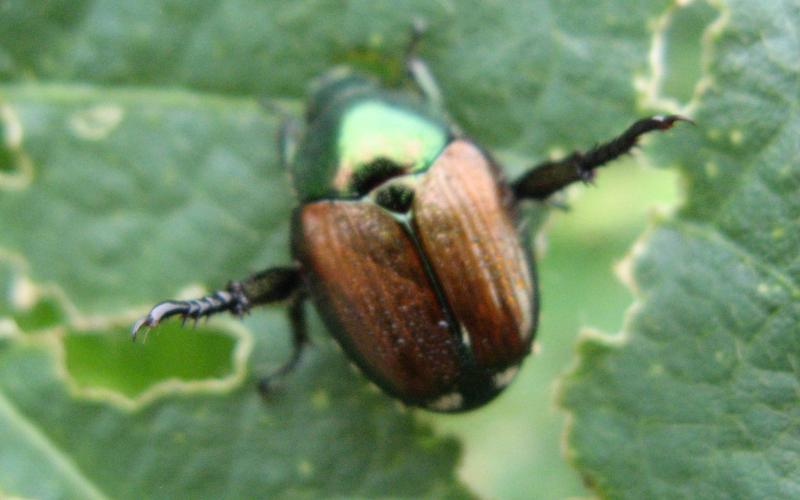
Japanese Beetles
Japanese Beetles (Popillia japonica) are pest beetles feed on trees, ornamental plants and food crops.
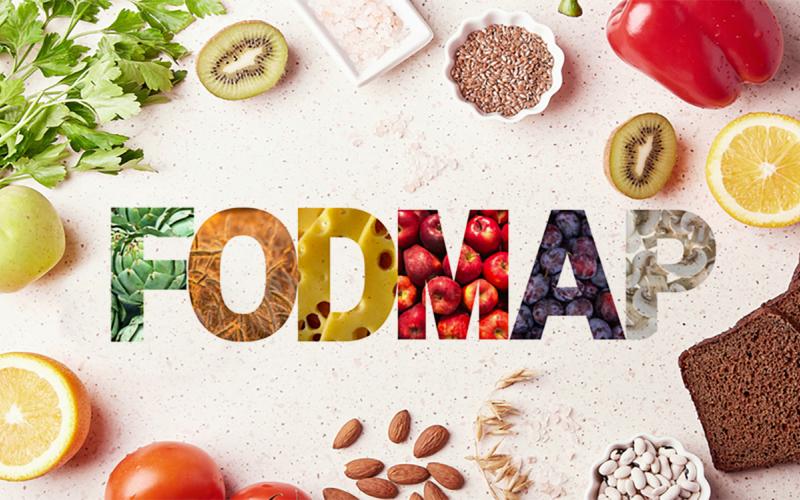
What is the Low-FODMAP Diet?
If you have been diagnosed with irritable bowel syndrome or small intestinal bacteria overgrowth, the low-FODMAP diet may be worth considering. Learn some answers to common questions about this diet.
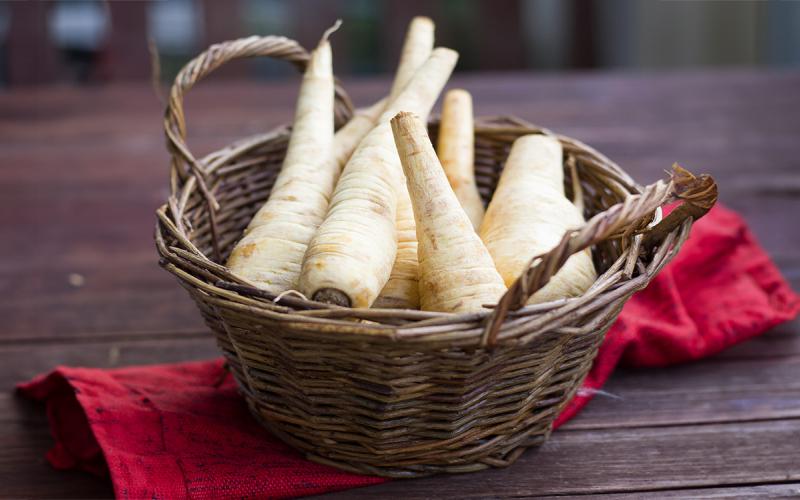
Parsnips: How to Grow It
Parsnips are one of the less-common root crops, closely related to carrots and parsley. Learn some expert tips for planting, growing, and harvesting parsnips in this resource!
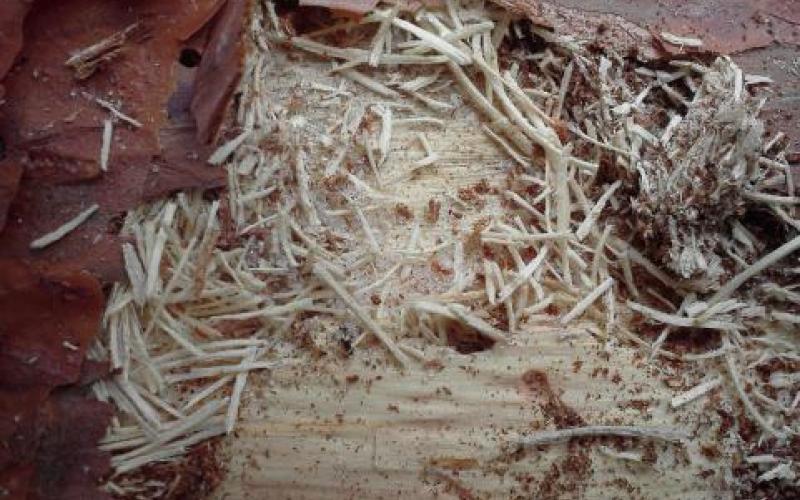
Sawyer Beetles and Pine Wilt Disease
A sample came in from a recently felled Scotch pine tree down in Southeastern South Dakota. The hole and sawdust is due to a sawyer beetle that had infested the tree.
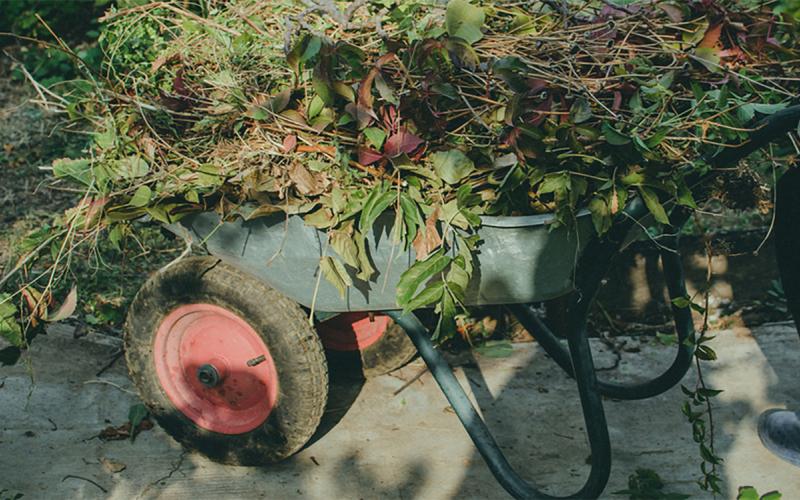
Fall Vegetable Garden Cleanup
Fall cleanup can help with the success of your garden next year, as diseased plants left over the winter can provide fungal or bacterial spores waiting to infect next year's plants. Learn some tips for getting started!

SDSU Extension, SD Specialty Producers Association to host soil, cover crop field day
August 23, 2024
South Dakota State University Extension and the South Dakota Specialty Producers Association invite the public to attend a Soil Health and Cover Crop Field Day for vegetable growers.
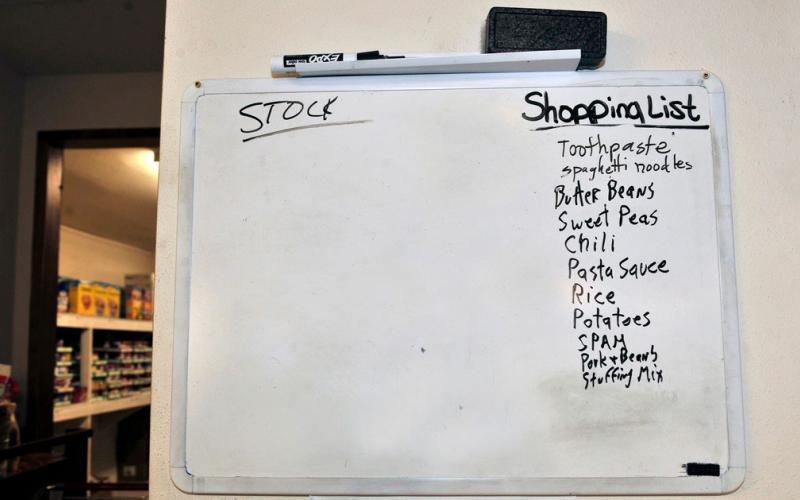
Helpful Food & Shopping Tips During Unexpected Events
When faced with unexpected events, such as a health crisis or natural disaster, planning meals and grocery shopping often comes to mind along with questions: What should I plan to make? What groceries do I need?