Search

Considerations for Grazing Standing Corn
Grazing standing corn is a viable option to supply nutrients to livestock. However, mitigating risk is critical to ensure healthy animals and optimize crops.
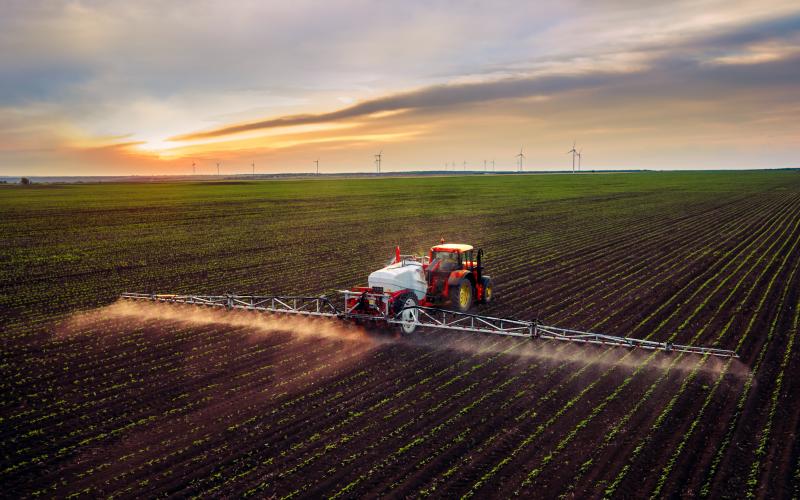
All Straight Dicamba Products Now Restricted Use in South Dakota
Starting April 30, 2018 all dicamba products that are not a mixture but instead straight dicamba are restricted use in South Dakota. This will mean all applicators will need to keep spray records of use and place of application.
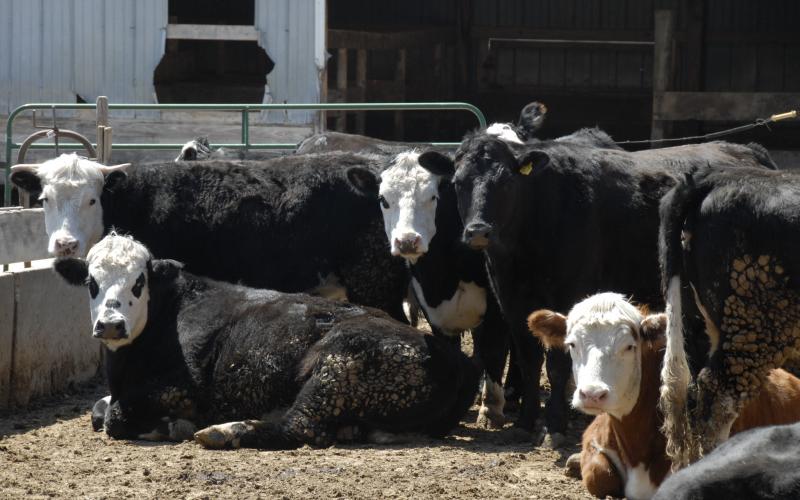
Liver Abscesses: The Unseen Profit Thief
Liver abscesses are a great example of an important value robber in feedlot cattle that’s not immediately apparent.

How the Veterinary Lab Diagnoses Anthrax in a Beef Herd
Anthrax is a serious disease of cattle that pops up somewhere almost every year in South Dakota. It’s caused by a bacteria that survives as a very tough spore form in the soil. Knowing whether a death on pasture has been caused by anthrax is important for several reasons.
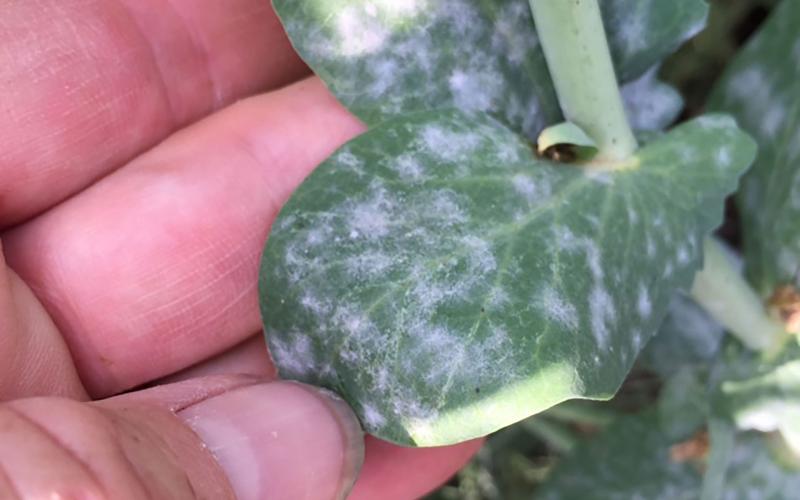
Powdery Mildew: A Disease Concern in Field Peas
Producers of field peas may need to scout for powdery mildew this year. Powdery mildew is a late-season fungal disease that can impact peas if weather conditions are conducive. However, this disease can also occur in early planted fields in South Dakota under the right environmental conditions and when the crop canopy is heavy.
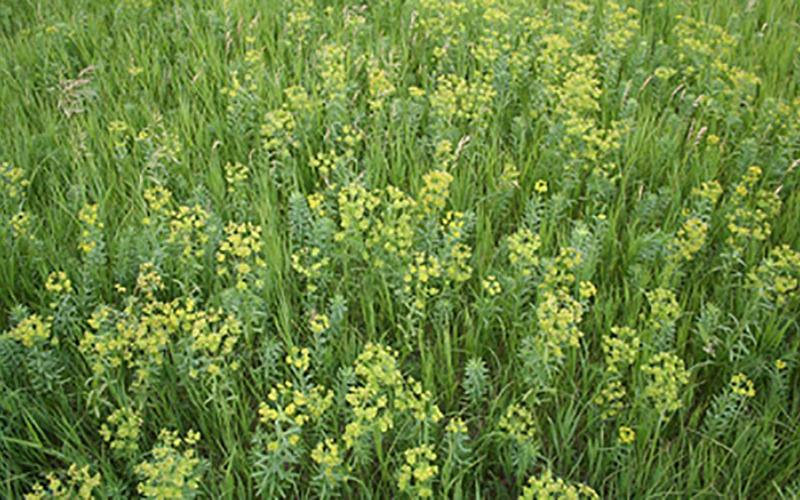
Spot Treatment Options for State Noxious Plants
When controlling grassland weeds, the mindset of row crop weed control may be put into practice too often. In most cases, broadcast control of weeds in grasslands is rarely necessary. Most often, spot treatment can be used more effectively to manage the noxious and invading weeds.
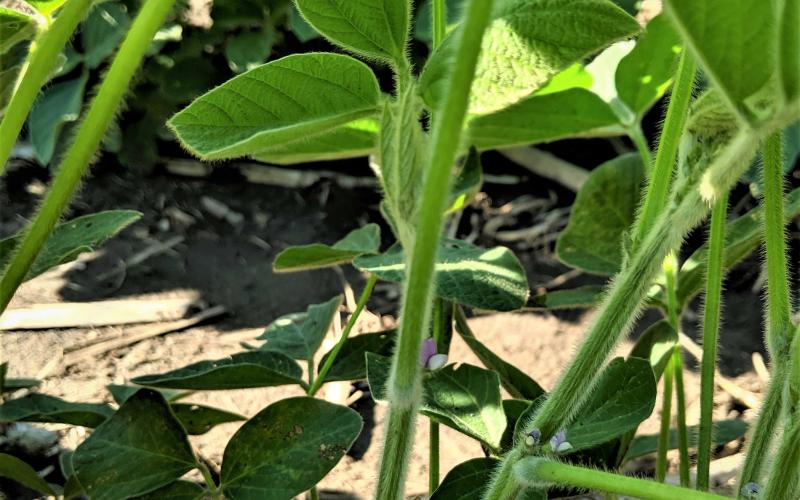
Current Weather Conditions Are Conducive White Mold Development in Soybeans
Frequent rains and overcast conditions continue to occur in South Dakota’s main soybean growing counties. These conditions favor white mold development. In some of these counties, soybean is already at R1, which is also the best timing for fungicide application targeting white mold control.
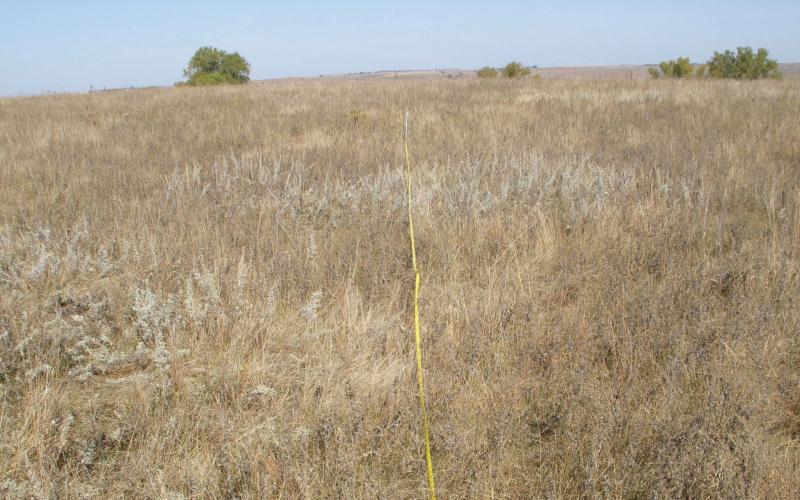
Natural Resources: The Ranch Foundation During Drought
Just as every factory needs a sturdy and healthy foundation to be sustainable, a ranch manager must keep a watchful eye on the natural resources of the ranch during drought.
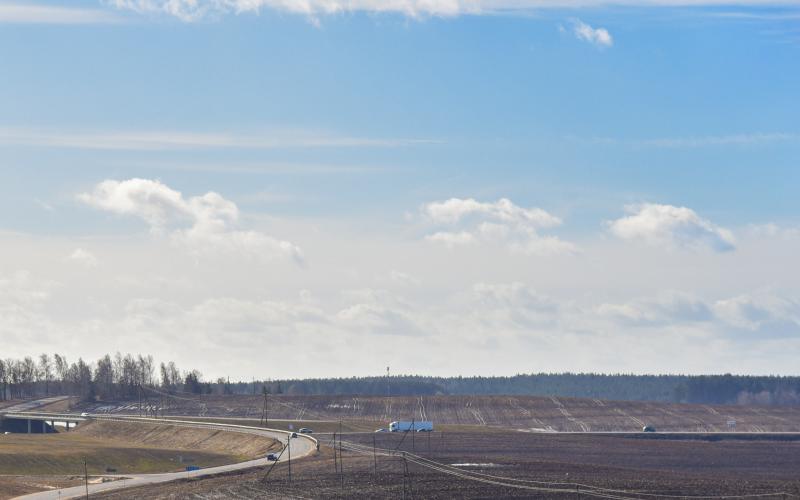
Spring Wheat 2019: A Repeat of Last Year?
The spring of 2019 has been cold and wet in many areas of South Dakota, similar to the spring of 2018. In 2018, despite the challenging weather, spring wheat acres were up 8% from 2017. However, planted acres in 2019 may be reduced as the extended weather forecast shows unfavorable planting conditions extending well into May.

How to Properly Launder Insecticide-Contaminated Clothes
It is important to prevent insecticide exposure from occurring when laundering contaminated or potentially contaminated clothing.