Search
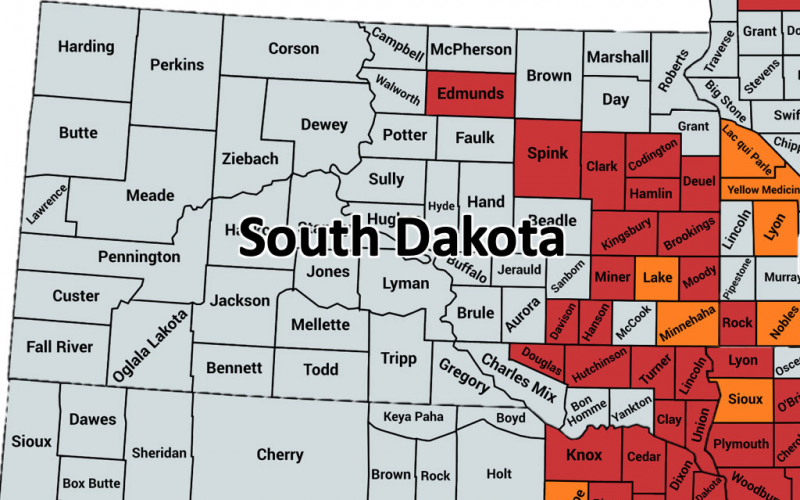
Soybean Gall Midge Showing Up in More Counties
As the season continues, so is our soybean gall midge scouting efforts. For much of South Dakota, the soybean that are infested with soybean gall midge are asymptomatic. That is, they show limited signs of infestation, but we can still find the larvae of the soybean gall midge in the stems.
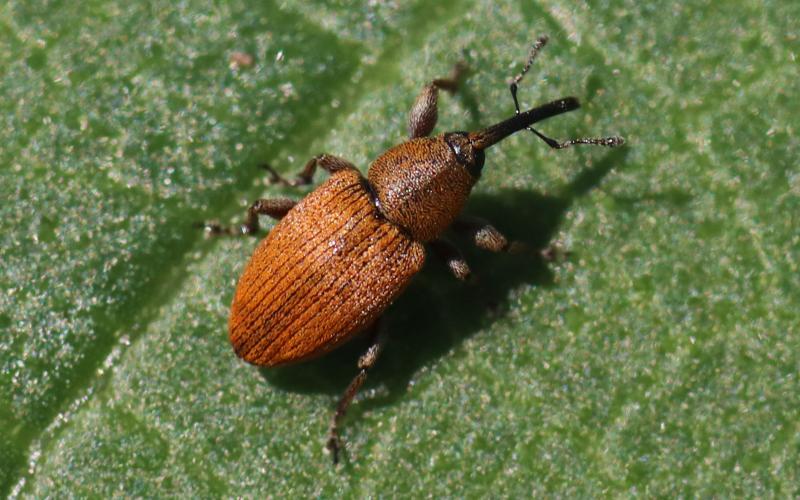
Watch for Red Sunflower Seed Weevils
In South Dakota, sunflower flowering is well underway. That means it is time to start scouting fields for red sunflower seed weevils. During the last two years, red sunflower seed weevil populations have been higher than normal with areas that exceeded the thresholds by as many as 300-500 adults per sunflower head.
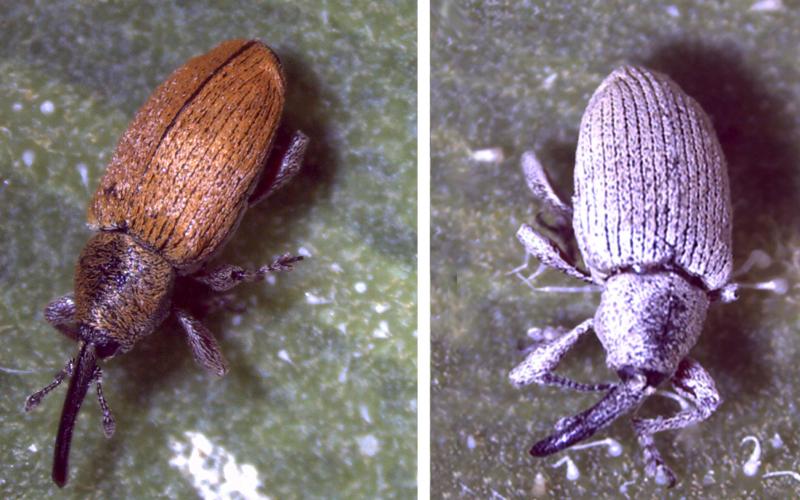
Differentiating Two Species of Sunflower Seed Weevils
While scouting sunflower, there are two types of seed weevils that you may encounter. They are the red sunflower seed weevil and the gray sunflower seed weevil. It is possible to observe both of these species on a single sunflower head.
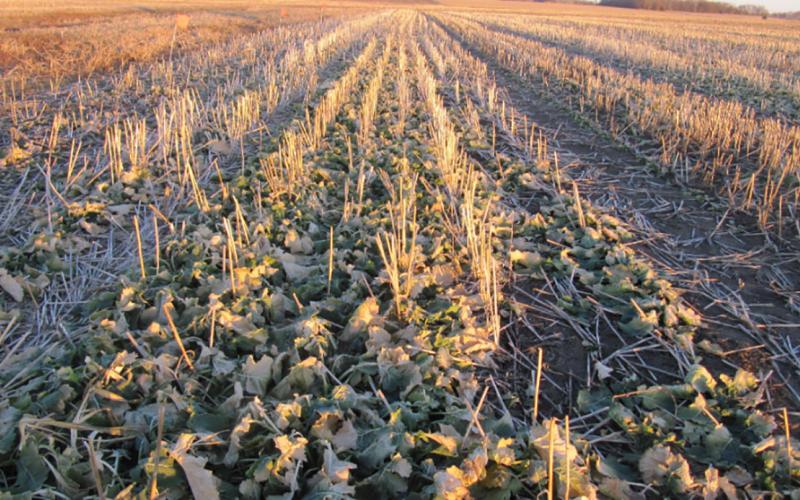
Cover Crops After Small Grains
In last few years, interest in using cover crops has been increasing tremendously among crop and livestock producers in South Dakota. Growing cover crops following small grain is gaining more attention due to feasibility in cover crops species selection and also the time of the year where cover crops receive longer growing and establishing time than following row crops.
Frogeye Leaf Spot Developing in Soybeans
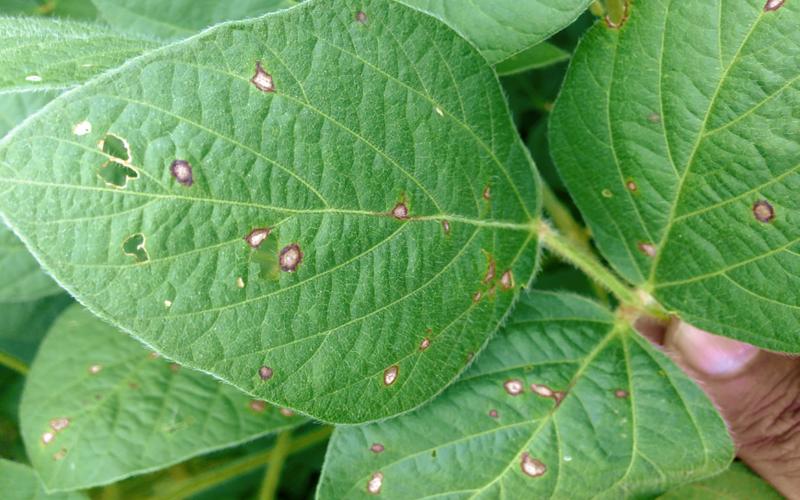
Frogeye leaf spot, also known as Cercospora leaf spot, was found in several soybean fields scouted the week of August 19, 2019. Frogeye leaf spot is characterized by irregular to circular lesions, which are tan-to-gray in color with reddish-purplish borders.
Bacterial Stem Rot, Sclerotinia Basal Rot and Sunflower Rust Developing in Sunflower
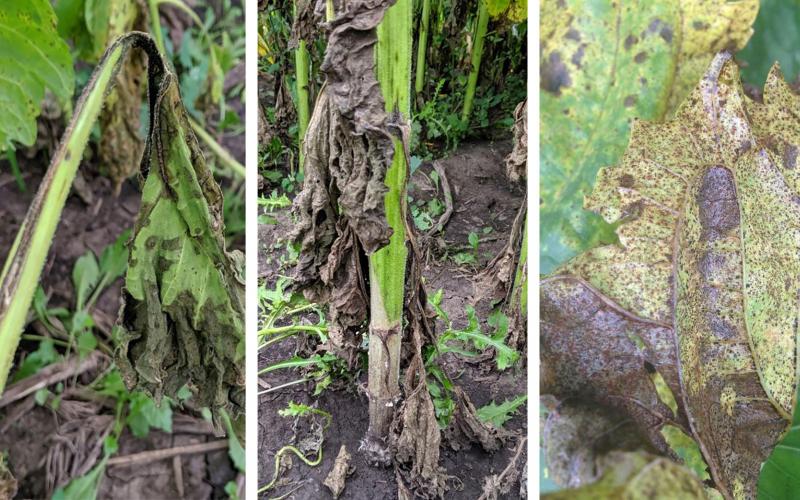
Sunflower scouted this week in Brookings and Kingsbury counties were found with bacterial stem rot, Sclerotinia basal rot and sunflower rust. This area has had plenty of moisture, which favors several diseases to develop in sunflower.
Sudden Death Syndrome Starting to Develop in Soybeans
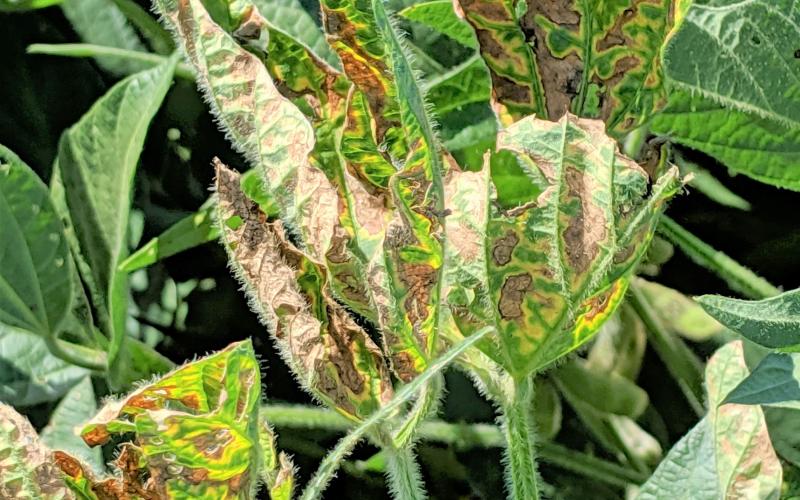
Sudden death syndrome of soybean is starting to develop in soybean fields in South Dakota. Fields currently being found with sudden death syndrome have symptomatic plants scattered within the field, but continued disease development may lead to larger clusters of infected plants.

Winter Wheat Decisions
Winter wheat planting will soon be starting and a number of decisions will have to be made for a successful winter wheat crop, including: the time of planting, the choice of variety to be planted, disease and pest management decisions and crop insurance.
Should I Spray for Soybean Aphids? What’s the Threshold?
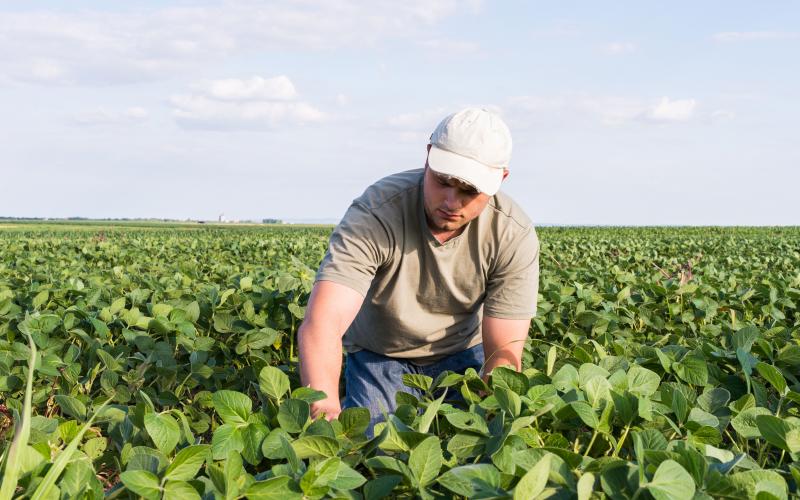
Although many soybean fields are behind schedule, so are the soybean aphid populations. In many reported areas, there are hotspots within a field where a few soybean plants may be heavily infested.
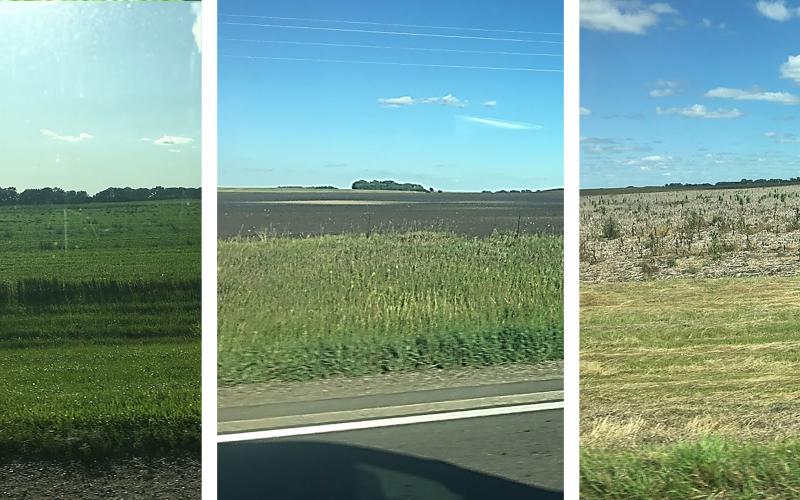
Prevent Plant: Its Effect on Fall and Spring Fertilizing Plans
Driving around South Dakota, you can see the many acres that farmers were not able to plant. Now that fall soil-sampling season is well on its way, many people have questions regarding how different situations of prevented planting will affect soil sampling and fertilizer application needs.