Search
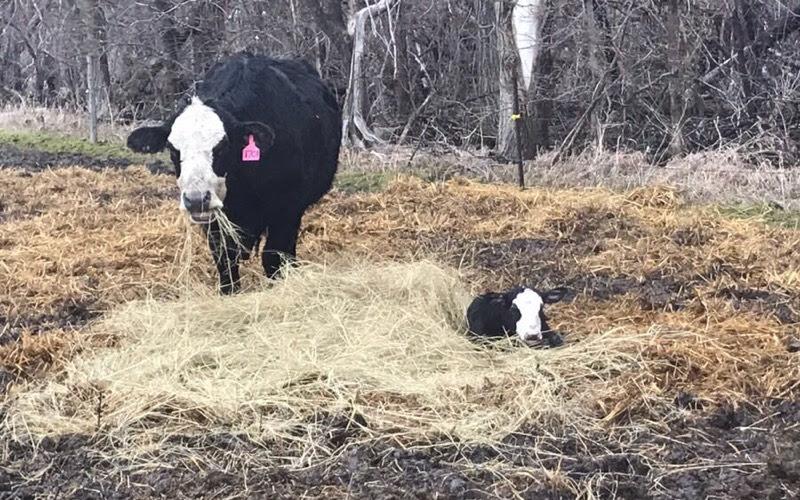
Planning for a Muddy Breeding Season
Early calving spring cow herds have wrapped up calving and are preparing for breeding season. If you are having flashbacks to breeding in the mud of 2018, try approaching this year with an open mind and review breeding season protocols with a “mud” backup plan.
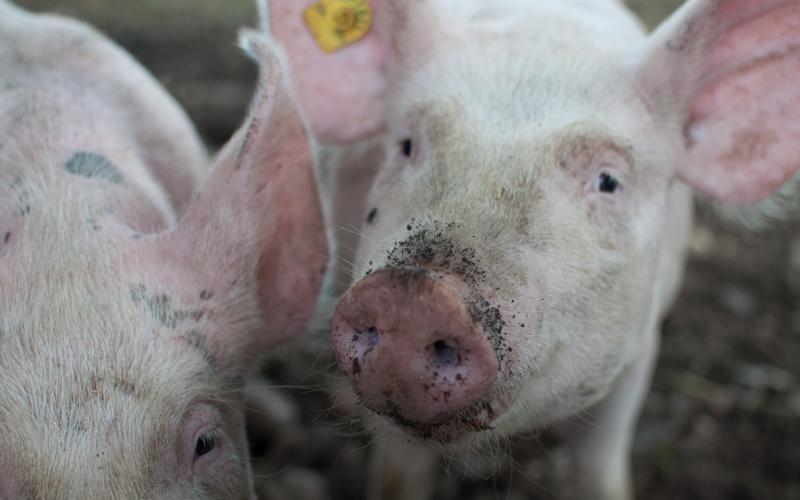
What Would African Swine Fever Look Like if it Hit the US?
The incursion and expansion of African Swine Fever (ASF) into China has raised concerns among producers and regulatory officials about the threat the disease may pose to the U.S. swine industry.
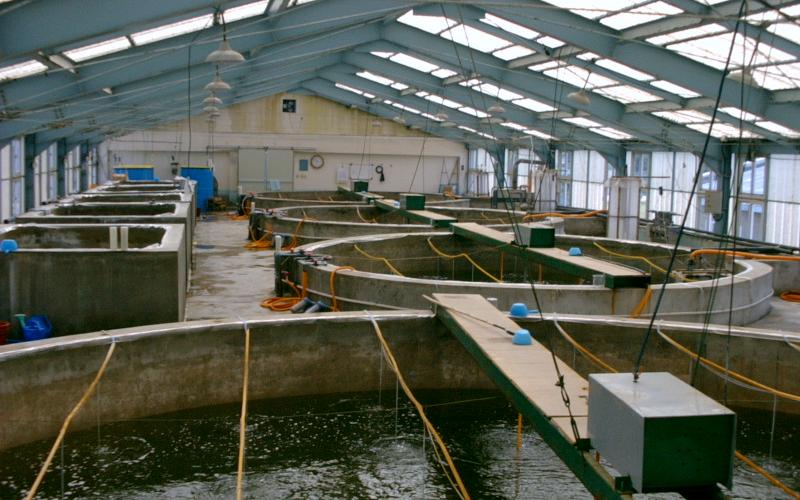
Selling Fish at a Farmers Market in South Dakota
This article was developed to address some of the questions around selling fish at the farmer’s market and to ensure that seller’s may be well-informed to ensure they are selling fish that meet regulatory requirements as well ensuring the product is safe.
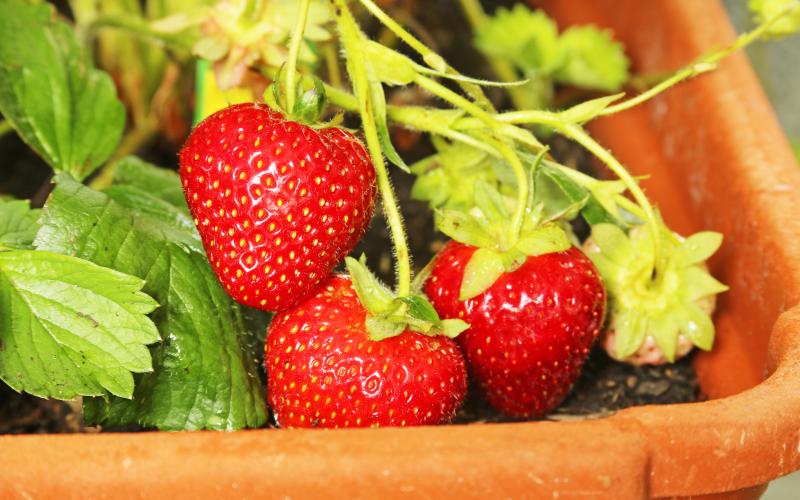
Strawberries in South Dakota
Learn how to grow junebearing or everbearing strawberries in home gardens.

2019 South Dakota Grasshopper Forecast
The USDA Animal Plant Health Inspection Service conducts an annual survey to monitor grasshopper populations in Western South Dakota. In 2018, SDSU conducted a survey to monitor populations in Eastern South Dakota. These previous-year surveys can be used as a prediction tool for where grasshoppers may be an issue during the upcoming season.
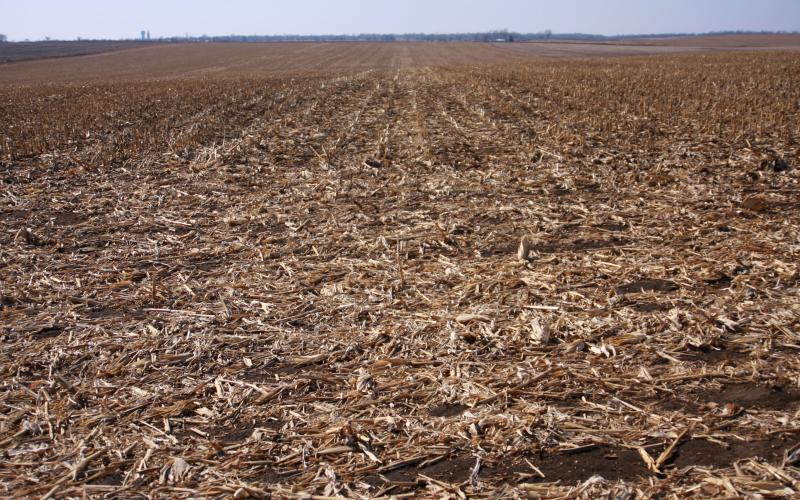
Planting Considerations and Resources for 2019
As May approaches, many farmers are preparing for row crop planting. In areas where flood waters have receded and soils are dry enough to begin field operations, farmers will likely be out in full swing soon.
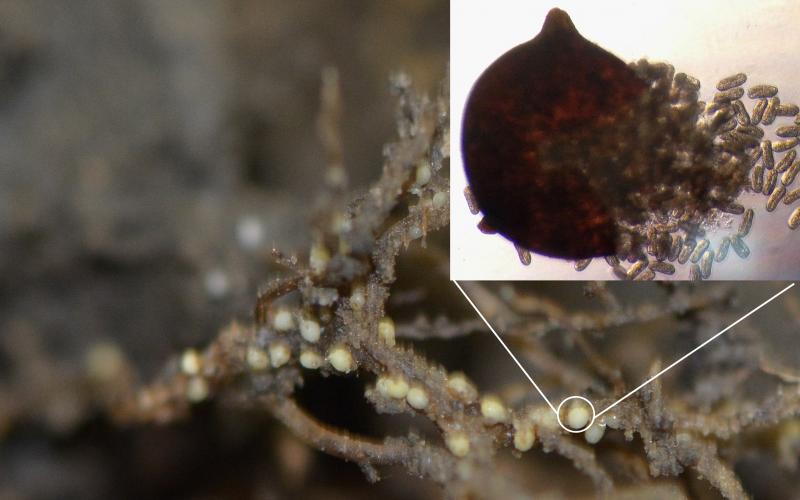
Test Your Soil for the Soybean Cyst Nematode (SCN) This Spring
The soybean cyst nematode (SCN) is a major soybean pathogen that causes significant yield loss. Fields that were not tested for SCN last year can still be sampled this spring to determine the presence of SCN or SCN population changes if testing was done in the past.
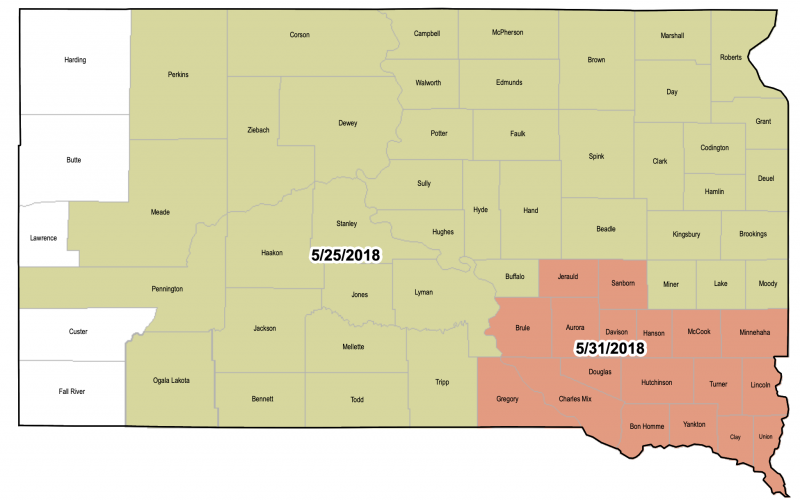
Late Plant Crop Insurance Dates
Crop insurance late plant dates are fast approaching for planting small grains in South Dakota. Late plant dates for corn, soybean, and sunflower are nearing as well. Producers will want to work with their crop insurance agent to explore planting options and reporting of prevent plant areas.

Another Piece of the Puzzle? Understanding South Dakota Veterinarian's Response to the Opioid Epidemic
Researchers at South Dakota State University (SDSU) wanted to understand the extent of this problem in South Dakota in order to better prepare veterinary clinics to deal with this epidemic.
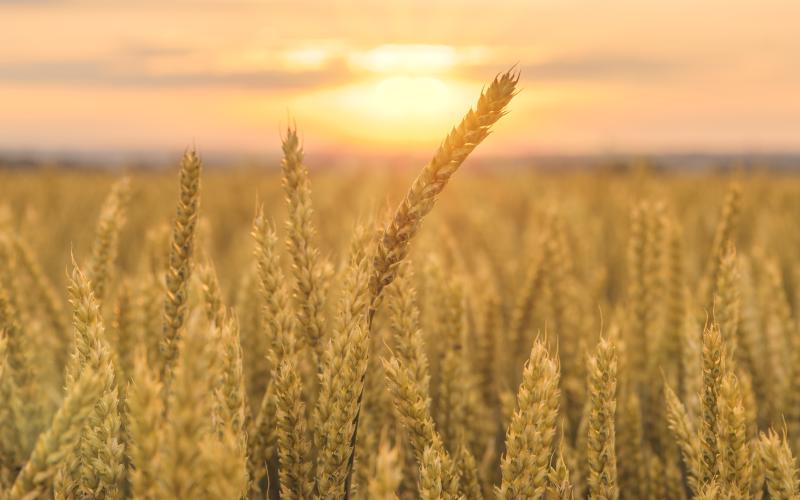
Instinct HL and Nitrogen Management Effect on Winter Wheat Yield
Nitrogen (N) additives to control N losses through volatilization, denitrification, and leaching are widely used in the Midwest. Slowing the conversion of nitrogen fertilizers to nitrate may lessen leaching and denitrification losses if precipitation or soil becomes saturated.