Search
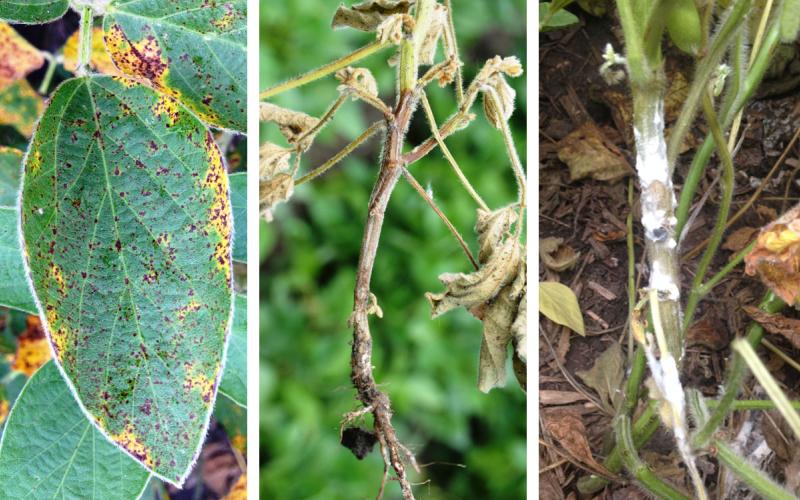
Mid-to-Late Soybean Disease Management
Even though it has been hot and humid this summer, some soybeans around the state have seen ideal conditions for mid-to-late season disease development. Learn some common diseases to scout for.
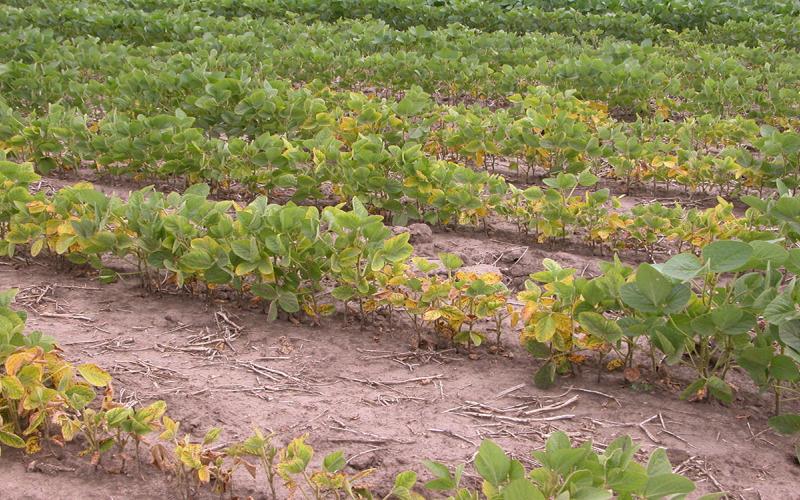
Know Soybean Cyst Nematode, Numbers Matter!
Have you noticed parts of your soybean field turning yellow earlier than expected? Are some of the plants stunted or showcasing a roller coaster appearance? Soybean cyst nematode may be to blame.

Incorporating Corn Into Beef Cow Rations Can Save Forage and Feed Expenses
For operations with the right facilities and management ability, replacing forage with corn can stretch forage supplies and potentially reduce feed costs.
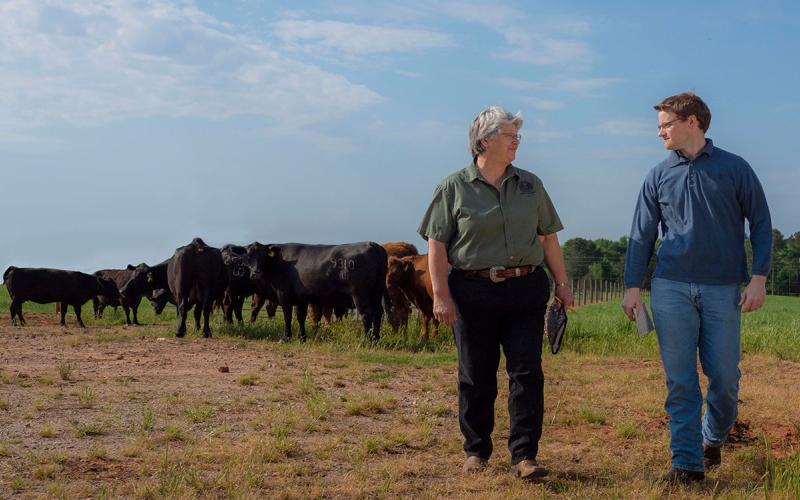
Economic Contribution of the South Dakota Beef Industry
From added value to the economy to jobs throughout the state, the widespread impact of the South Dakota beef industry may surprise you. Warren Rusche, Assistant Professor and SDSU Extension Feedlot Specialist, examines some highlights from recent economic research.
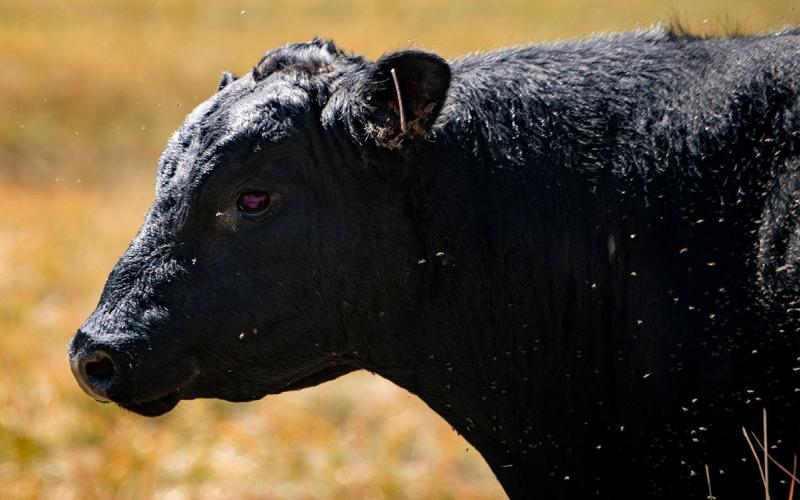
What Does Pinkeye Cost?
A common disease during fly season, pinkeye in cattle can have a measurable impact on profits. A recent research project investigated the impact of eye issues on sale barn prices to find out just how much.
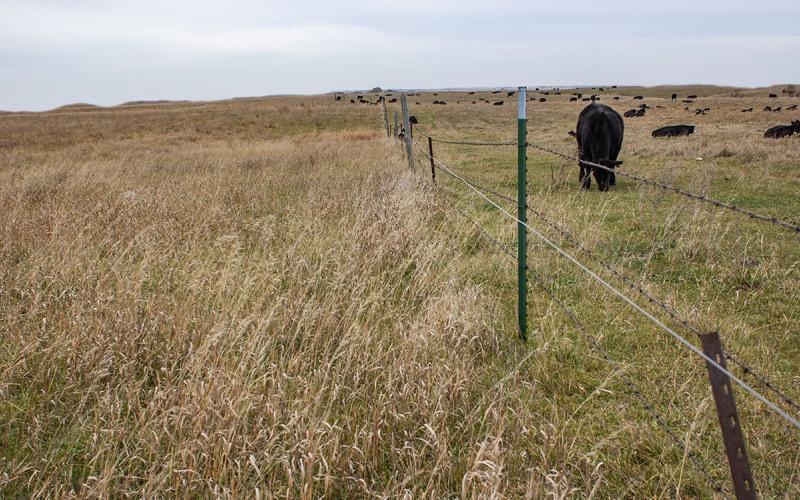
Reading the Range: Range readiness, grazing timing and drought considerations
Grazing timing is key when managing rangelands during a drought. Learn how to determine grazing readiness for different plant communities found throughout pastures and rangelands.

Latest Recommended Planting Dates for Spring Wheat in South Dakota
A major question that producers have been asking is, “How late can wheat be planted in South Dakota without a significant reduction in yield potential?” See our latest recommendations for those considering late planting this May.
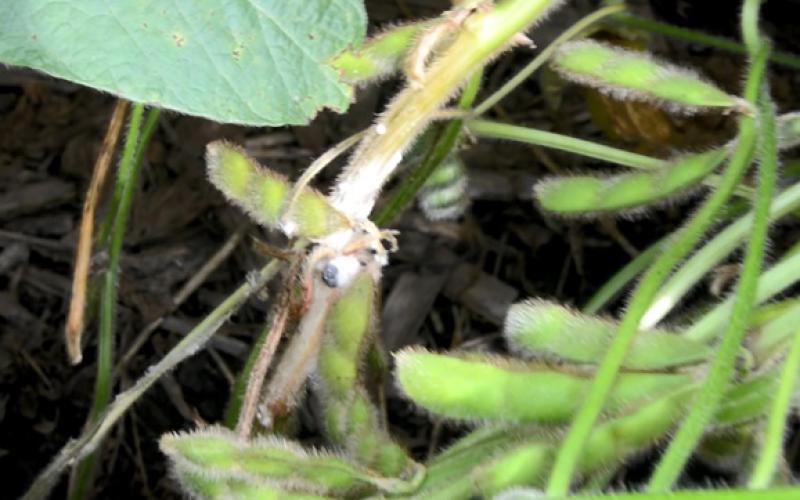
White Mold Development: Is your soybean field at risk?
According to USDA-NASS crop progress report for the week of July 17, 49% of the soybeans in South Dakota are at flowering. The flowering growth stage is also the time when white mold infection is initiated. The white mold pathogen infects the soybeans through the flowers that are senescing after pollination.
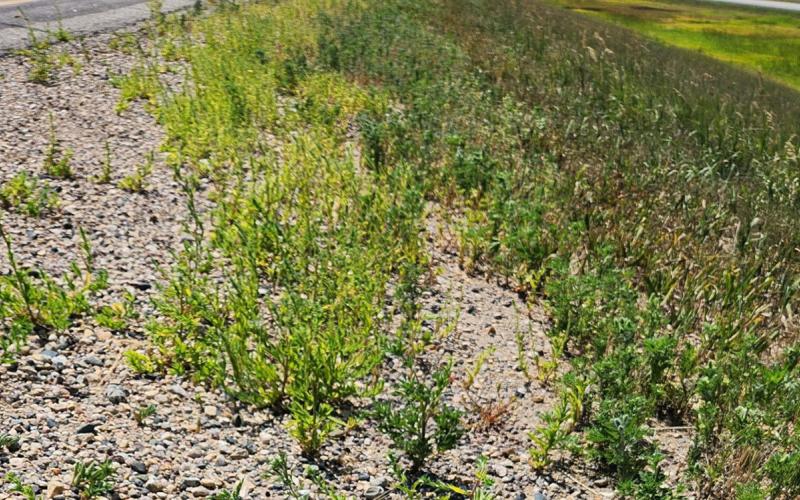
Late-Season Weed Management
At this time during the growing season, many herbicides cannot be applied to crops in the reproductive growth stage. However, weed management can still be implemented. Learn some expert tips for controlling late-season weeds.
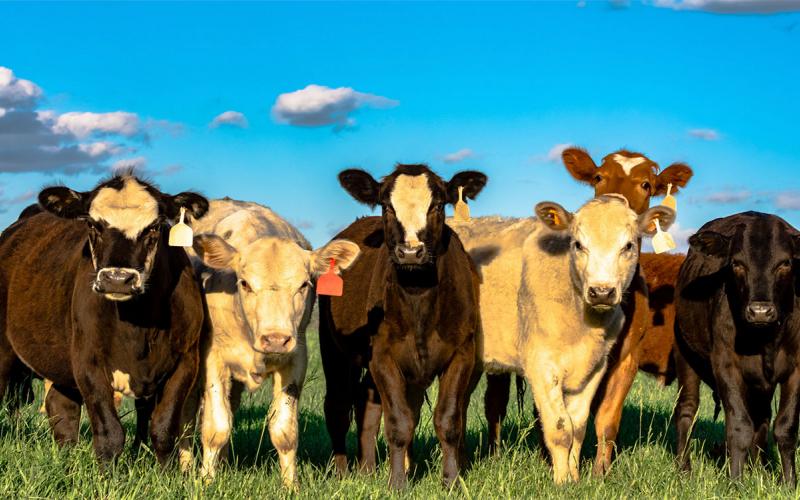
Synchronization for Natural-Service Breeding Programs
Similar to synchronization with artificial insemination, the benefits associated with natural-service synchronization are similar: a concise calving distribution with the potential for heifers to be serviced twice in about 30 days versus twice in 40 days.