Search
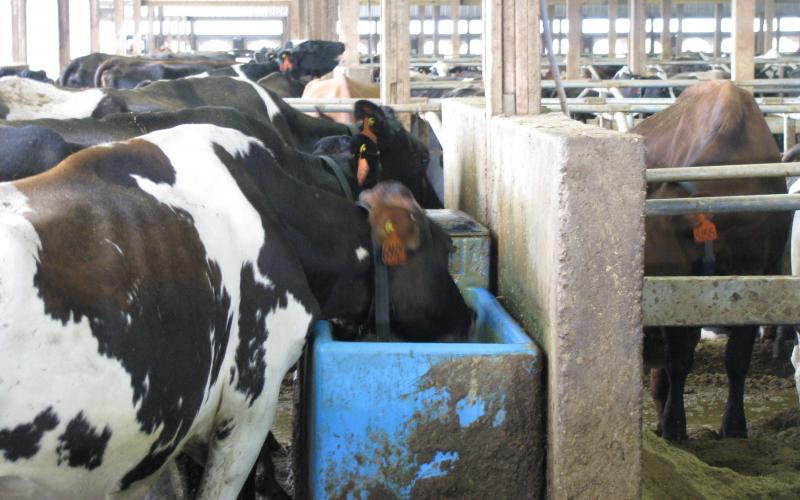
Water Importance in Lactating Dairy Cows
When considering the importance of water in lactating cow diets, we need to remember that milk is 87 percent water, and its consumption is directly correlated with milk production and feed intake. Water also makes up anywhere from 55 percent to 70 percent of the body weight of a lactating dairy cow, depending upon the phase of the lactation cycle.
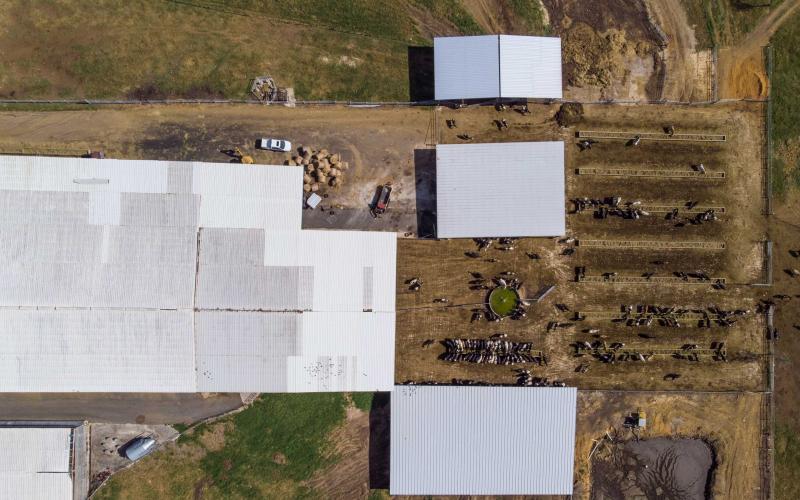
Dealing With Heat Stress in Dairy Cows
Alleviating heat stress is critical to milk production. Heat stress from high environmental temperatures can be compounded by mistakes in managing and feeding cows. Water is your first concern during periods of high temperatures.
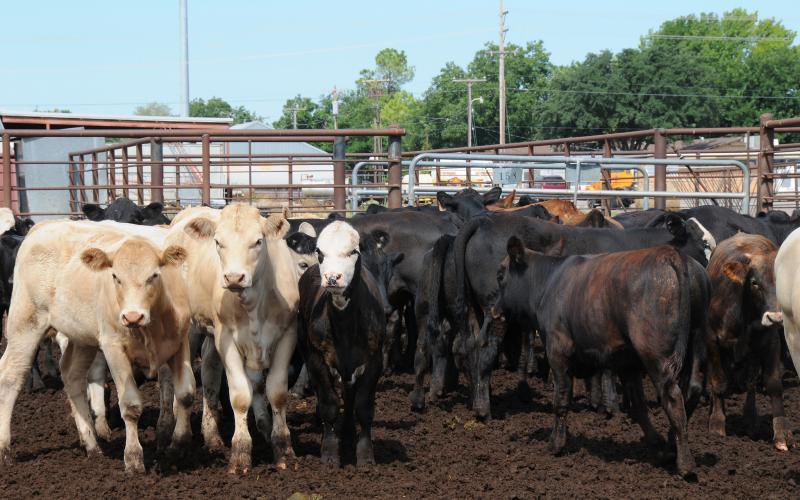
Mineral Sources May Impact Reproductive Efficiency
It is well-known by producers and feed specialists that trace minerals play an essential role in physiological functions. Minerals like copper, iodine, manganese, selenium, and zinc are important in embryonic development.
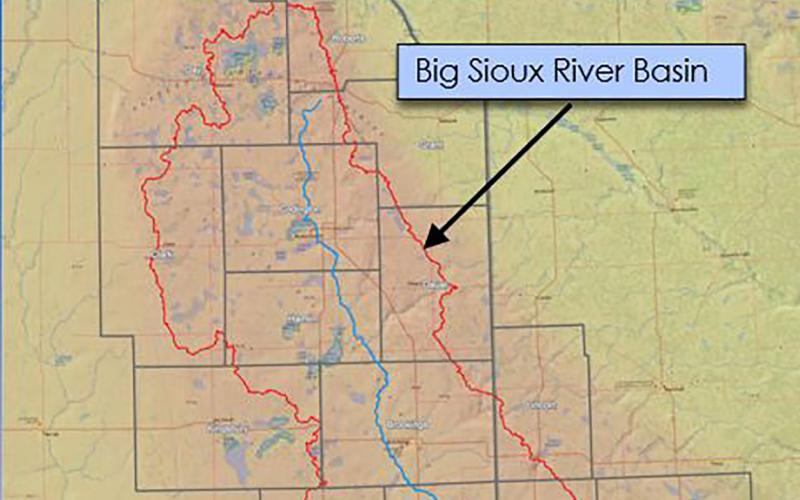
Big Sioux River Flood Information System Sees Heavy Use During Spring 2019
The Big Sioux River Flood Information System is the result of a combined effort between the SD Department of Environment and Natural Resources, local governments, and private industry, to create a product that can be used to predict the impact of flood events in the Big Sioux River Basin.
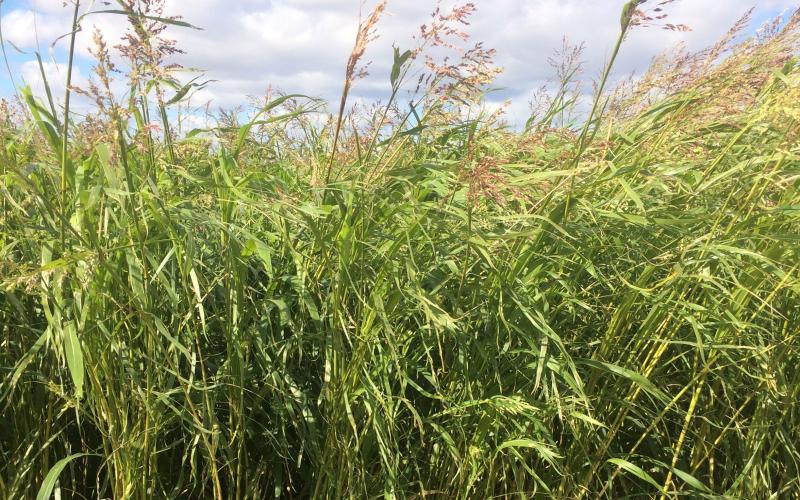
Cover Crops 2019: What to Plant When
As many Midwest producers look to cover crops to build soil health and provide supplemental forage after a soggy spring, many questions are arising regarding management decisions, specifically, species selection and planting timing.
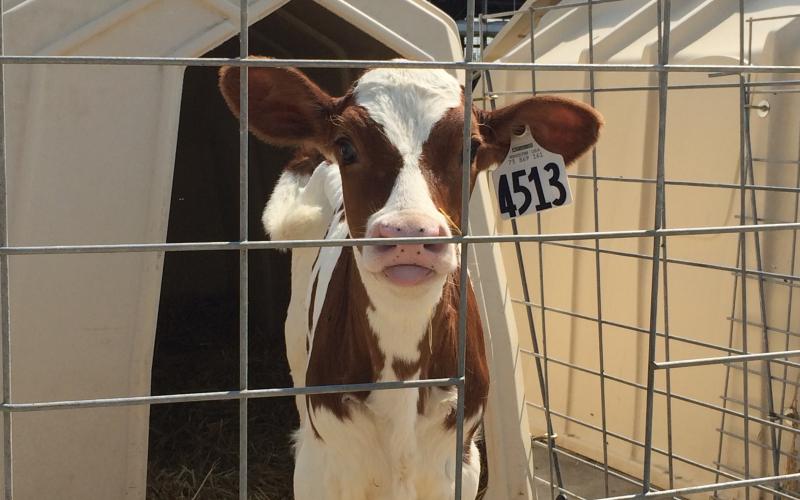
Understanding and Mitigating Heat Stress in Young Dairy Animals
We often don’t focus as much on heat stress in young dairy calves and tend to focus more on cold stress. However, it is just as important and producers or calf raisers should have a plan in place to help mitigate heat stress in these animals also.
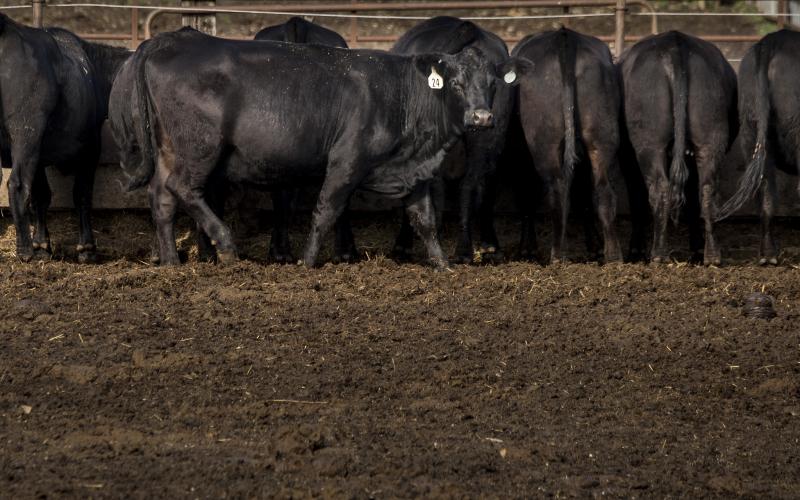
Do Temperament and Breed Type Play a Role in Feeding Efficiency and Carcass Quality?
Is there a relationship between temperament and profitability in cattle? A recent study conducted by Texas A&M University took a closer look at the impacts that temperament and breed types can have on feedlot growth performance, feed efficiency, feeding behavior, carcass characteristics, and value in finishing beef heifers.
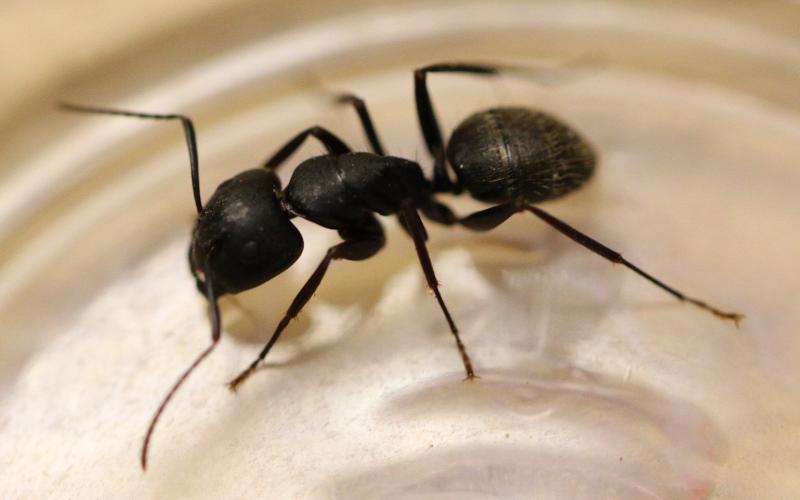
Watch Out For Carpenter Ants
With the continued moisture and warmer temperatures, carpenter ants have become a more common appearance in South Dakota. Similar to termites, this insect can be a structural pest, causing damage to homes and other buildings. It is important to identify and treat carpenter ants early to prevent any potential damage.

Monitor Canola Fields for False Chinch Bug Activity
While scouting canola this week, I came across a field that had plants along the edge that looked like they were suffering from drought stress, but given the recent rain I doubted that to be the case. Closer inspection of the stressed plants indicated that they were covered in false chinch bugs. Although false chinch bugs are not normally an issue in canola, very large populations do have the potential to reduce yield.
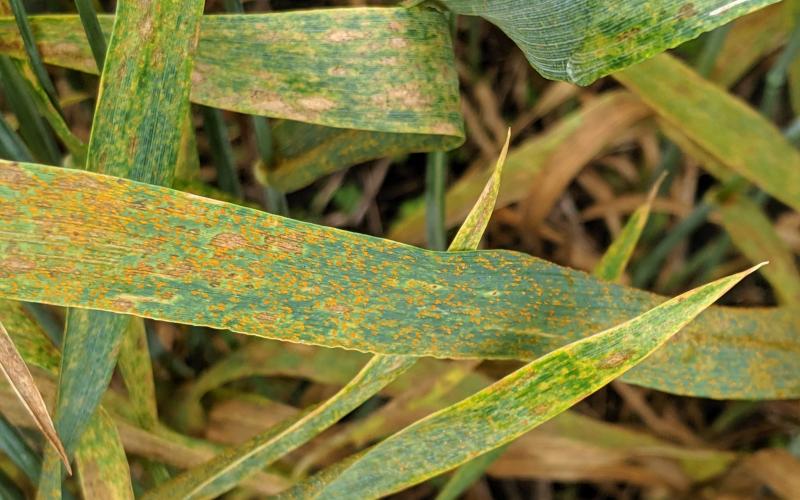
Diseases in Winter Wheat Imply High Inoculum for Spring Wheat
Winter wheat is past the need for an in-season fungicide application. However, many spring wheat fields are yet to flower, making them prone to disease development. A few diseases, including leaf rust, stripe rust, and Fusarium head blight have developed in winter wheat. This implies that there is enough inoculum available for these diseases to develop in spring wheat; especially East River, where rainfall has been frequent.