Search
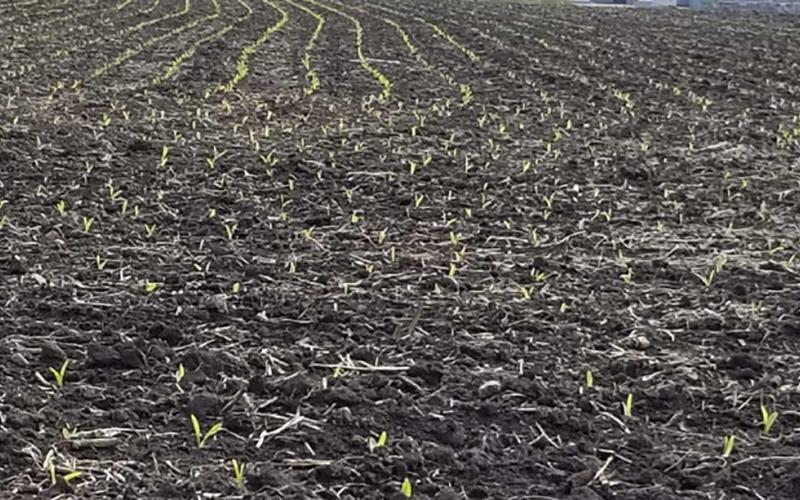
Corn Emergence During Cold Weather
After a very welcome warm and relatively dry April, the month of May has brought winter-like temperatures again to South Dakota. Due to cold and wet conditions, concerns of the cold temperatures have been expressed by producers who have recently planted corn.

Understanding Hay Inoculants and Preservatives on ‘Dry’ Hay
As haying season approaches, producers across South Dakota will begin preparing to get out the baler. In recent years, it has been quite difficult for many producers to put up quality, dry hay. This often results in growers considering using inoculants and hay preservatives.
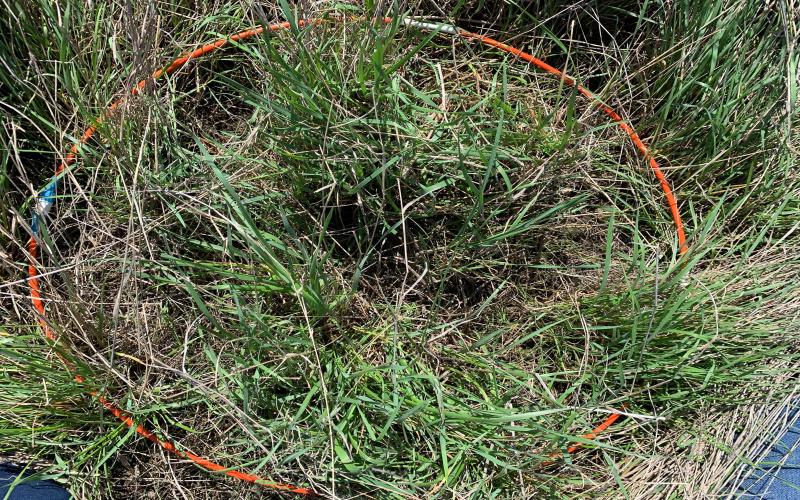
You Can’t Manage What You Don’t Measure: Range Record Keeping
Range record keeping helps detect and demonstrate landscape changes that have a direct impact on your ability to maintain or grow your herd.

Drought and Heat Effects on Corn Production
Nearly every season in South Dakota there are periods of hot, dry weather in at least parts of the state. While we have no control over the weather, producers can prepare for drought stress by using proactive practices.
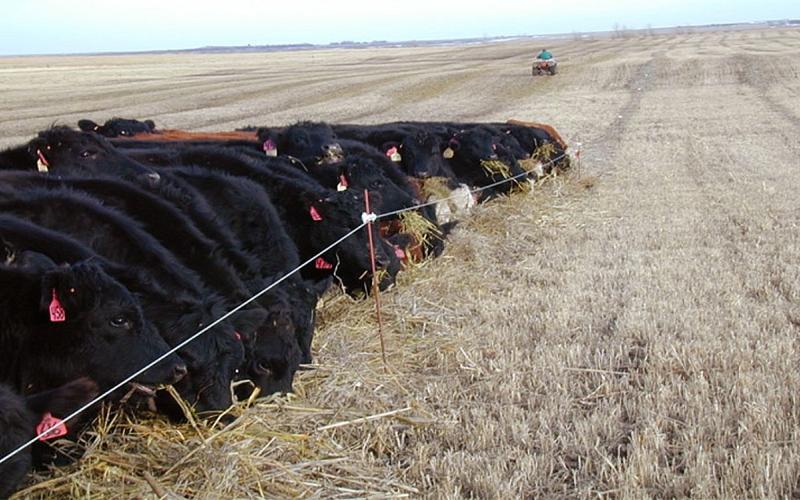
Swath Grazing
Swath grazing can be utilized with various crops and can improve utilization of the crops for feed, while decreasing fuel, harvest and feeding costs and also improving soil health.
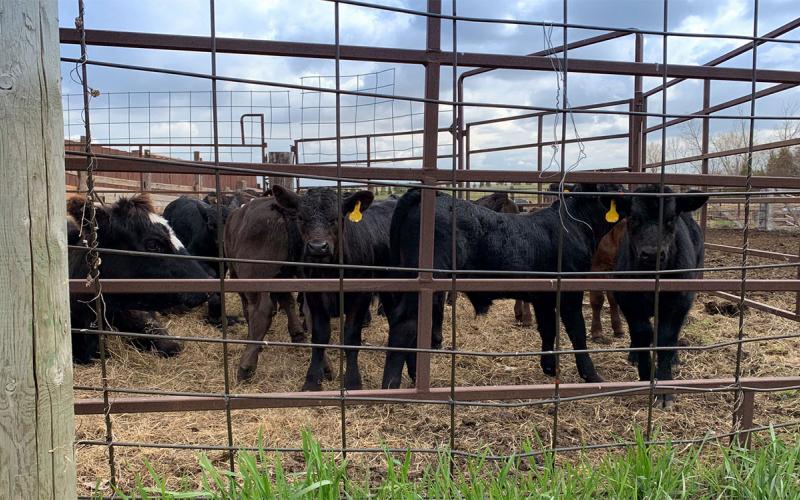
Managing Earlier Weaned Calves
Weaning calves at an earlier-than-normal age is a proven strategy to reduce grass demands by 25% or more during drought conditions. Learn some key management considerations for getting started.
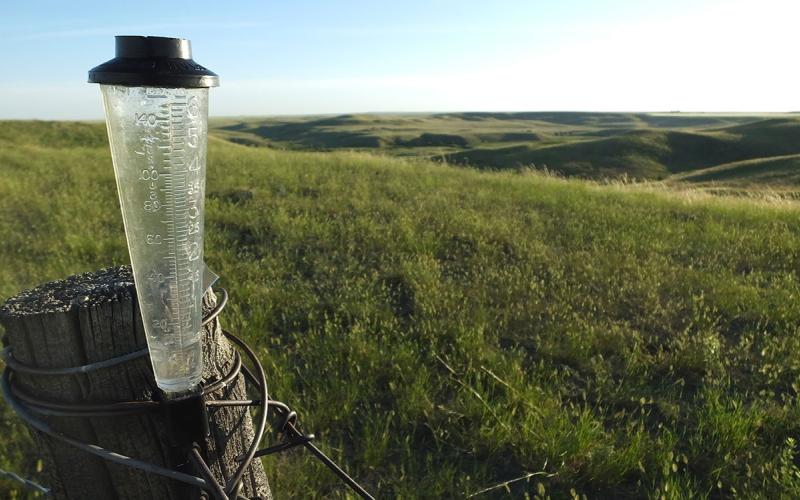
Five Range Management Principles: #5 Climate Ready
Understanding your ranching system is critical, and identifying anticipated soil-plant-animal responses during periods of dry, wet, or normal conditions will enable you to develop climate-ready practices. Learn how to get started today!
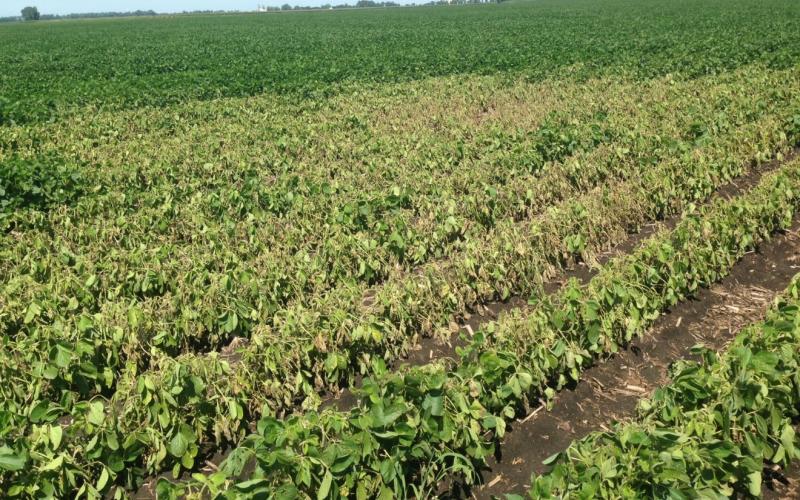
Replanting Considerations
Every season weather events such as hail or flooding can damage or destroy previously planted crops in all or in portions of fields. In May or even early June, many producers will replant these areas. As the end of June approaches, the window for replanting narrows and producers may want to do a more careful evaluation of whether or not to replant.
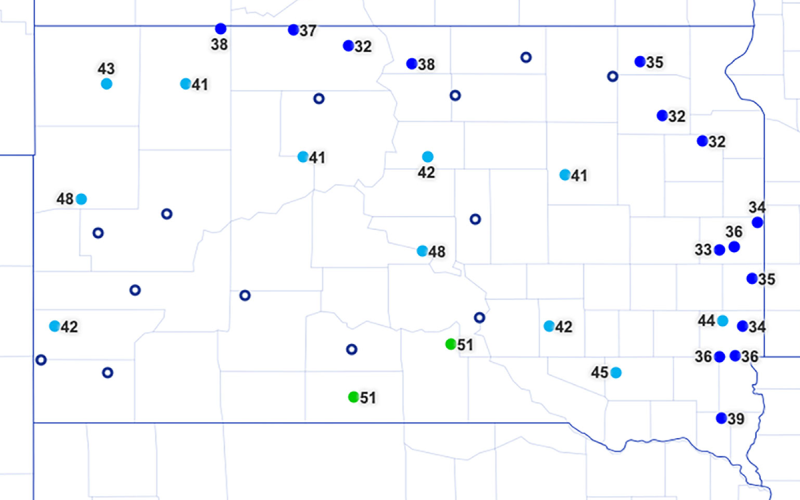
Delayed Planting Due to Soil Temperatures?
Although it can be tempting to get a head start with row crops, it's important to be mindful of soil temperatures and the risks associated with planting early.
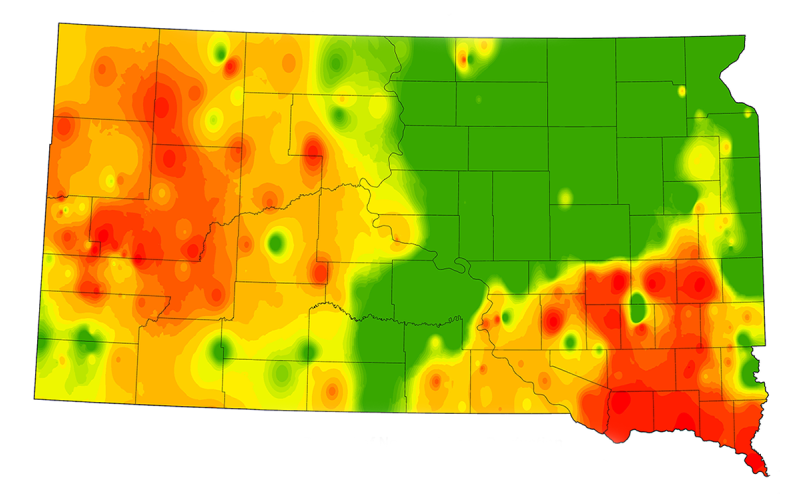
Herd Inventory Centers on Feed Available
With drought conditions continuing across the state, livestock producers will be making hard decisions on livestock inventory numbers as pasture and feed availability become an even more significant factor.