Search
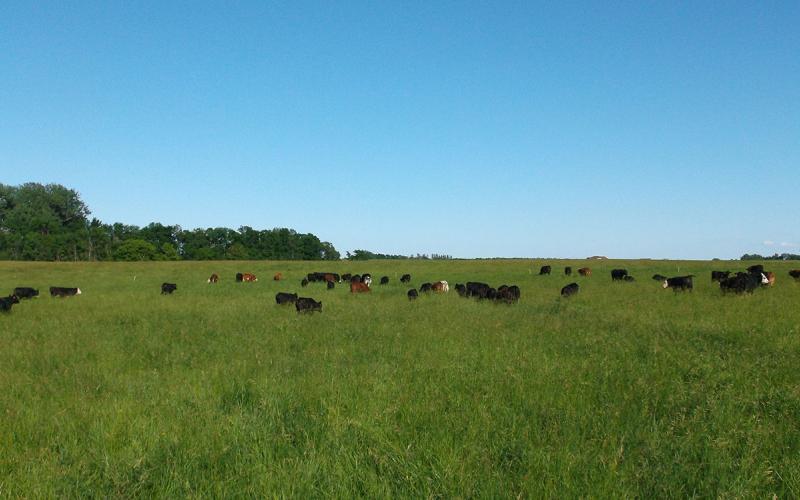
Grass-Fed Beef: Market Share of Grass-Fed Beef
So, how significant is the grass-fed beef industry in America? About four percent of U.S. beef retail and food service sales is comprised by grass-fed beef with a value of roughly $4 billion.
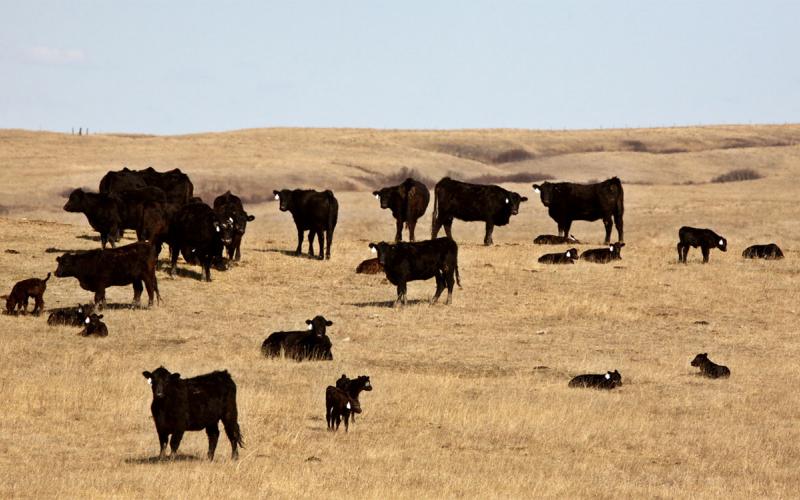
Selecting a Calving Season Based on Matching Nutritional Needs and Resources
Choosing the calving season is a complex and highly individual decision for each beef cattle producer. A primary consideration in pasture-based cow-calf operations is choosing a calving season that will best match the forage supply to forage demand.
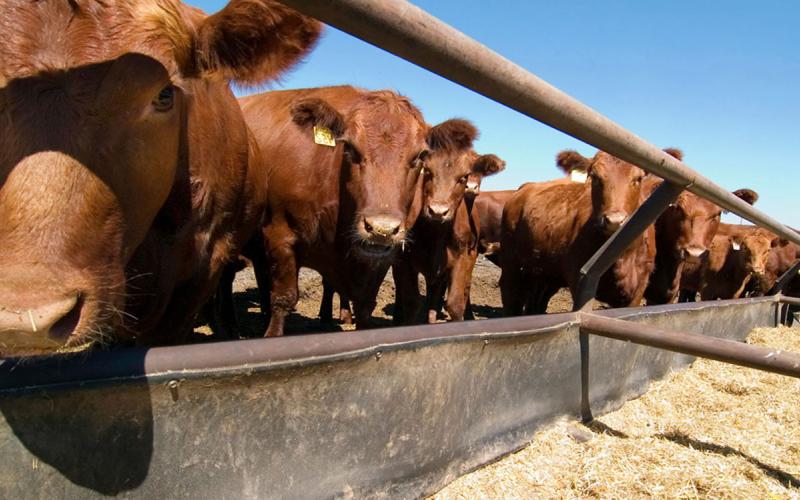
Raising Freezer Beef: Management Considerations
A trend that has become more prominent in recent years is for ranchers to finish a few animals and sell beef direct to the consumer. Proper feeding and management is key to capturing extra value and in meeting customer expectations.
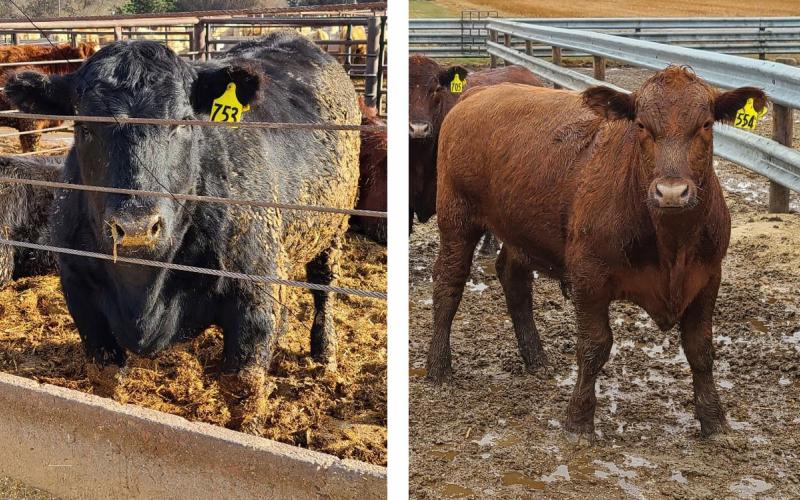
Raising Freezer Beef: When Is the Animal Finished?
Many producers have had their own beef processed for years, and some may have been selling animals to their neighbors on occasion. It's another matter entirely when the objective is satisfying customer expectations, especially if finishing cattle hasn't been a normal part of your operation.
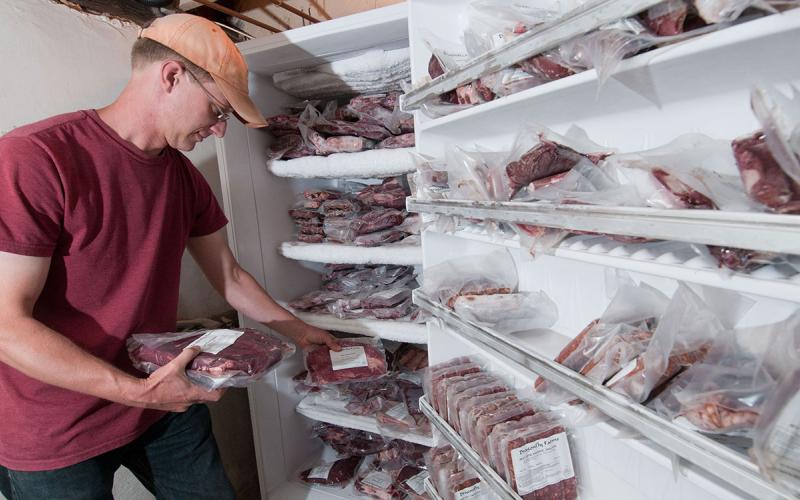
Raising Freezer Beef: Meeting Customer Expectations
A variety of factors may lead consumers to purchase beef directly from a producer. When purchasing freezer beef, most consumers expect an eating experience that would be as good or better than buying beef from retail.
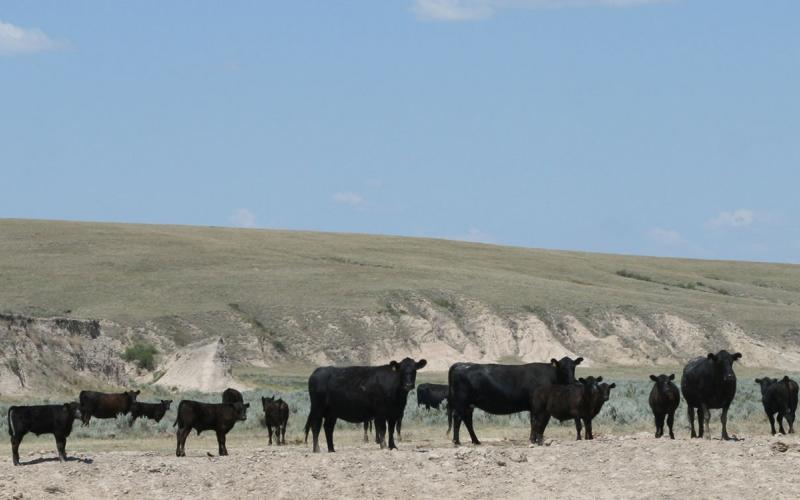
Adaptive Management: One Strategy To Increase Your Operation’s Flexibility and Resiliency
Adaptive management is a strategy that livestock producers can use to manage year-to-year variability in forage production and build drought resiliency for their operations.
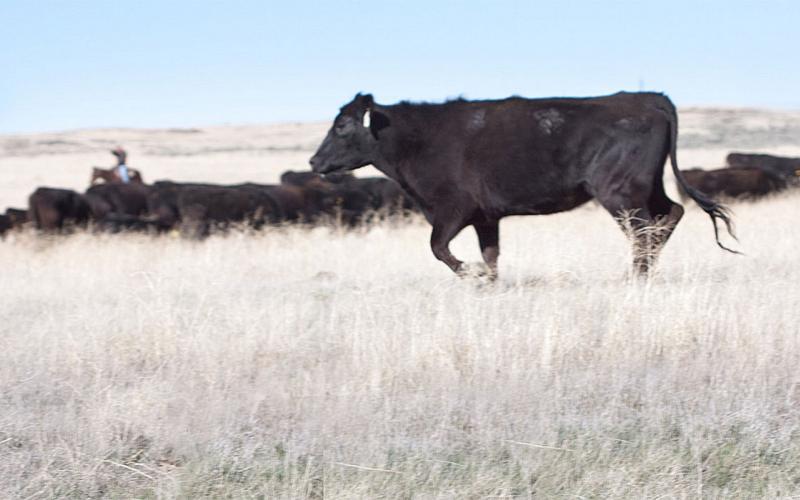
Trigger Dates: Critical Decisions for Drought Management
Having a drought plan in place ensures that you can overcome the inhibitions surrounding a drought response, the basis of which is figuring out trigger dates.
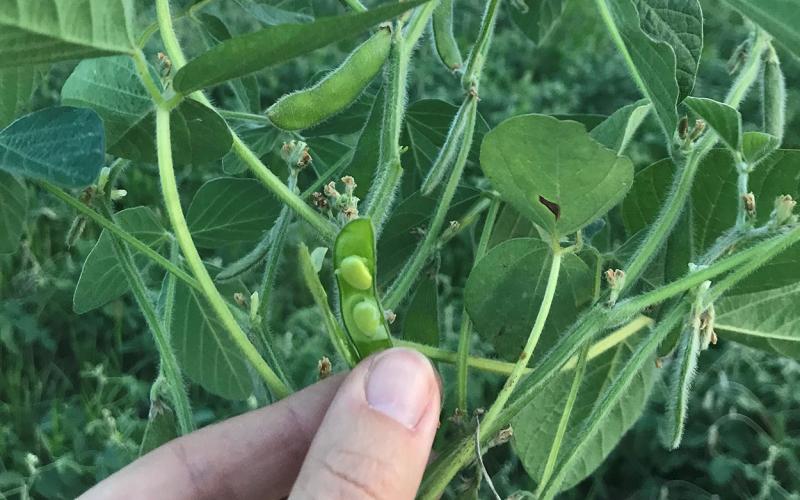
Salvaging Drought-Stressed Soybeans as Feed
One of the more popular questions we’ve been receiving lately involves using soybeans as forage. Although the soybeans planted for grain are not typically bred for forage use, we can salvage the crop for said forage if need be.
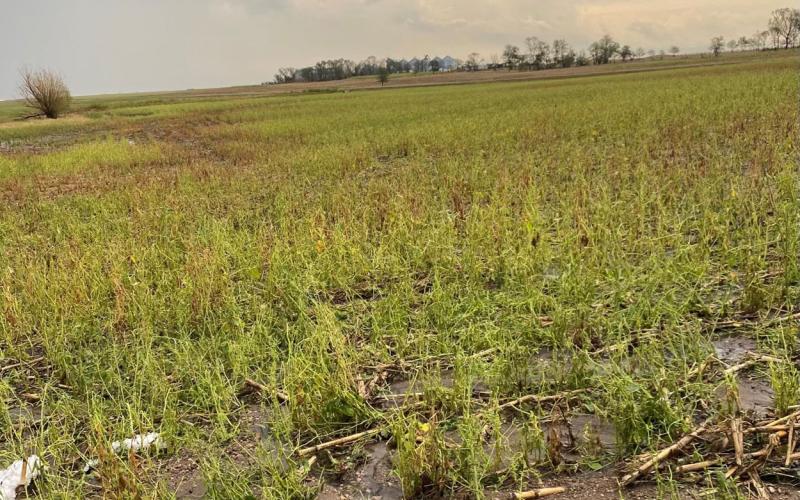
Making Decisions With Hail-Damaged Row Crops
Late-season hail damage can leave growers wondering what to do next. Before deciding what to do with your hail-damaged fields, take some time to consider a variety of management options.
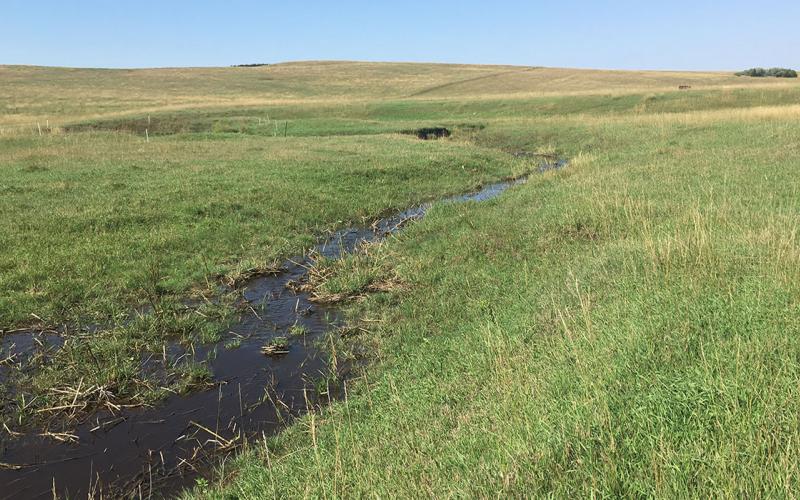
Be Careful Grazing the Green this Fall
With fall grazing on the horizon, nearly all of South Dakota is still experiencing drought conditions. Regardless of where your ranch is located, a rancher must be very careful when grazing the fall green-up of cool-season grasses.