Search
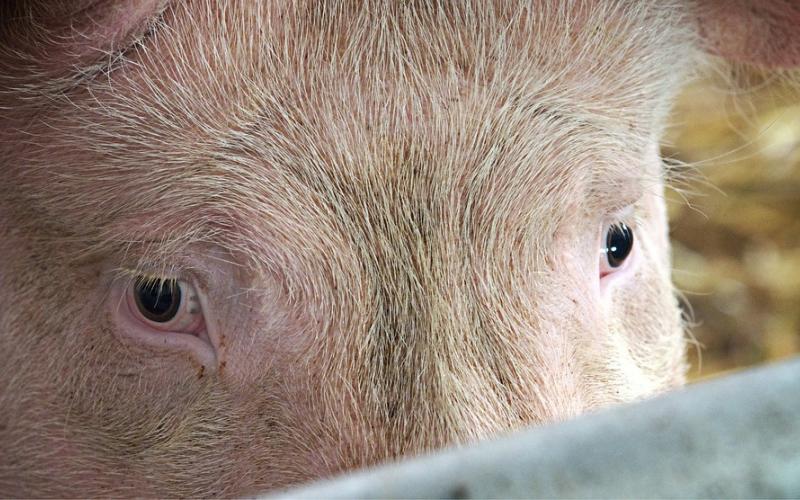
Swine Respiratory Health: Detecting Multiple Viruses
Over the past decade, surveillance and diagnosis of respiratory agents have been revolutionized by the use of non-invasive techniques such as oral fluids sampling.

Supplementing Cows on Pasture to Stretch Forage Supplies
With dry conditions spreading quickly across the Dakota’s, producers are forced to make challenging decisions on how many cow/calf pairs to turn out to pasture, and then determine how long the pastures will even last if moisture doesn’t come soon. During the spring/summer months, supplementing grass with energy and protein can decrease forage dry matter consumption.
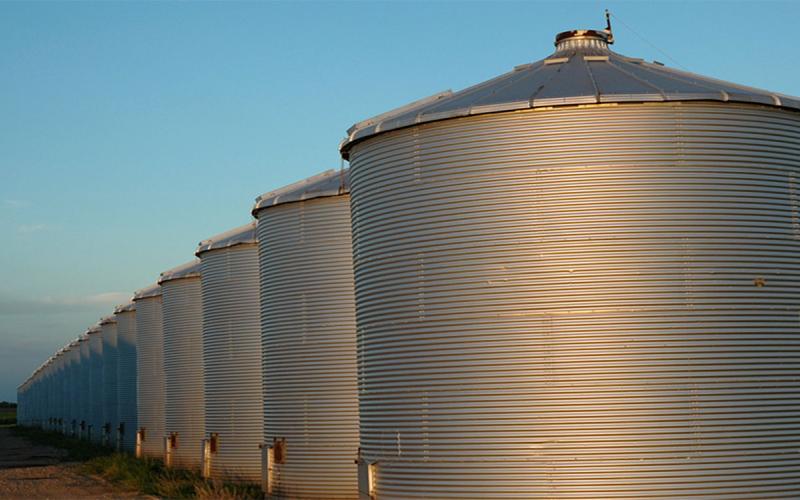
A Few Considerations for Fall and Winter Grain Storage
Proper grain storage during fall and winter is essential to ensuring a successful harvest. Learn some expert tips for managing stored grain pests and maintaining an ideal bin environment for post-harvest grain storage.

3 Master Lamb Producers recognized at 2023 SD Sheep Growers Association convention
October 17, 2023
The South Dakota Master Lamb Producers Association recognized three producers on Sept. 22-23, 2023, during the 86th annual South Dakota Sheep Growers Association convention in Rapid City, South Dakota.
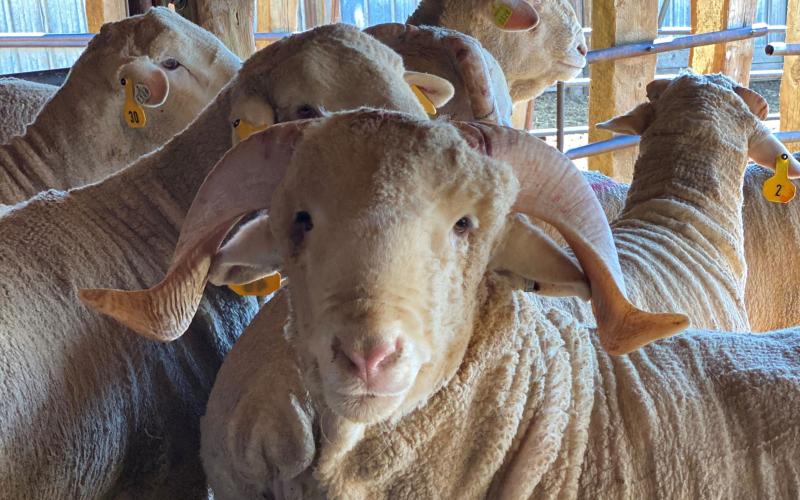
2022-2023 Dakota Performance Ram Test results available
April 18, 2023
The results of the 2022-2023 Dakota Performance Ram Test are now available online for sheep producers.
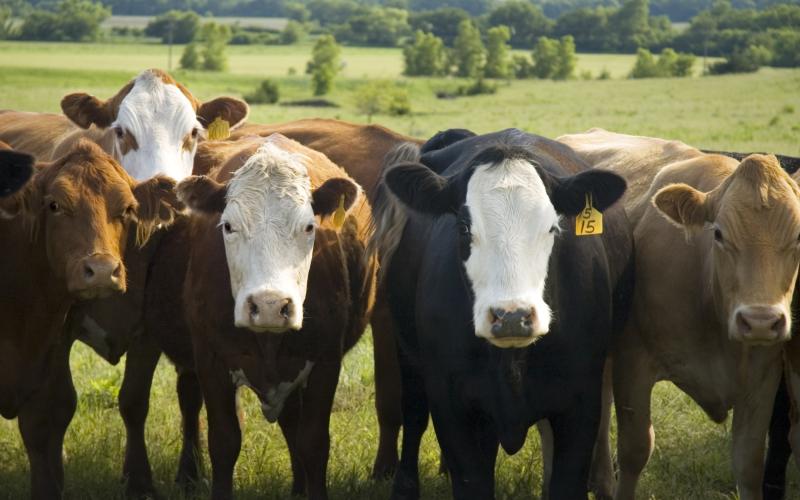
Concentrated Animal Feeding Operations Training Set for March 2
February 15, 2022
An environmental training session for operators of Concentrated Animal Feeding Operations will be held Wednesday, March 2, in Huron at the Crossroads Convention Center.

Is Your Water Safe to Drink?
Consuming water in some way, shape, or form is essential for survival. Staying adequately hydrated gives your body the balance it needs to continue throughout the day. During a flood or other natural disasters, the circumstances can become more difficult to find safe water to drink.
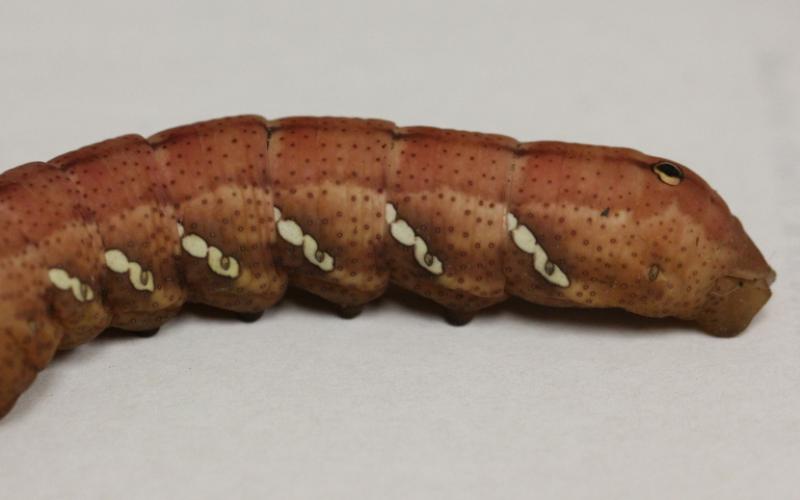
Achemon Sphinx Moth Caterpillars
Achemon sphinxe caterpillars (Eumorpha achemon) feed on wild grape, Virginia creeper, and related vines.
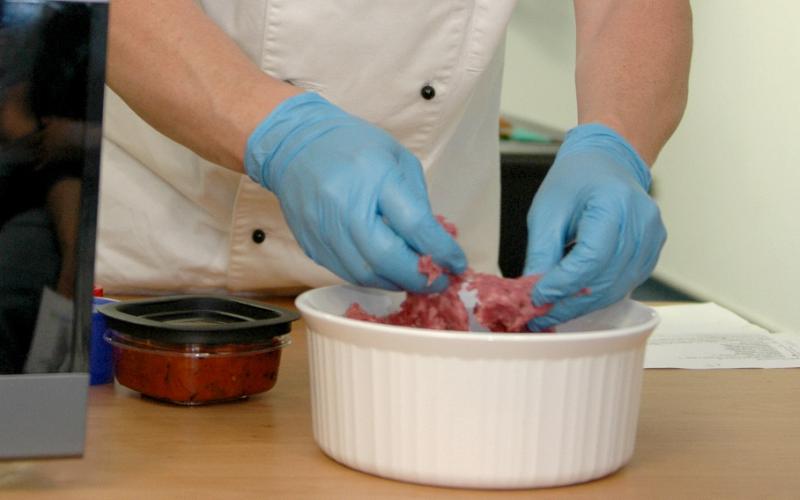
Cell-Based Meat Products: Background and Current Status
There is ongoing development of cell-based or lab-grown meat products by numerous companies around the world.
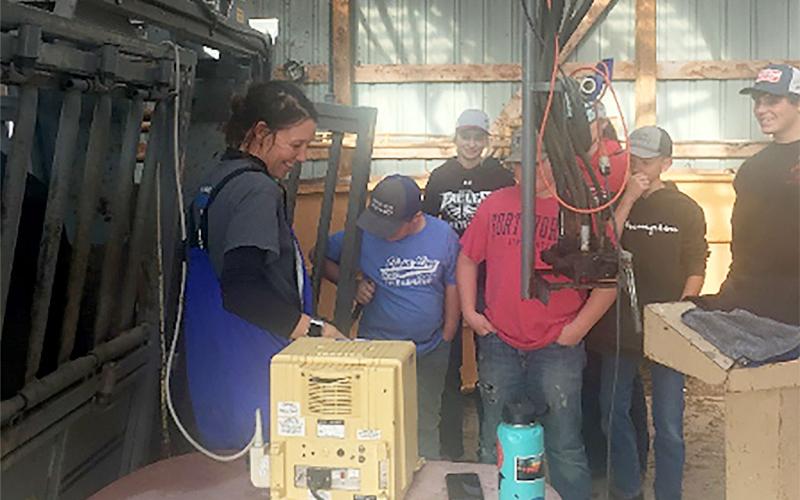
SDSU Extension Hosts Cattle AI Day Camp at Cottonwood Field Station
December 03, 2021
Twenty 4-H youth involved in the beef project area traveled to the Cottonwood Field Station to participate in the South Dakota State University Extension Cattle AI Day Camp held Nov. 6.