Search

How the Veterinary Lab Diagnoses Anthrax in a Beef Herd
Anthrax is a serious disease of cattle that pops up somewhere almost every year in South Dakota. It’s caused by a bacteria that survives as a very tough spore form in the soil. Knowing whether a death on pasture has been caused by anthrax is important for several reasons.
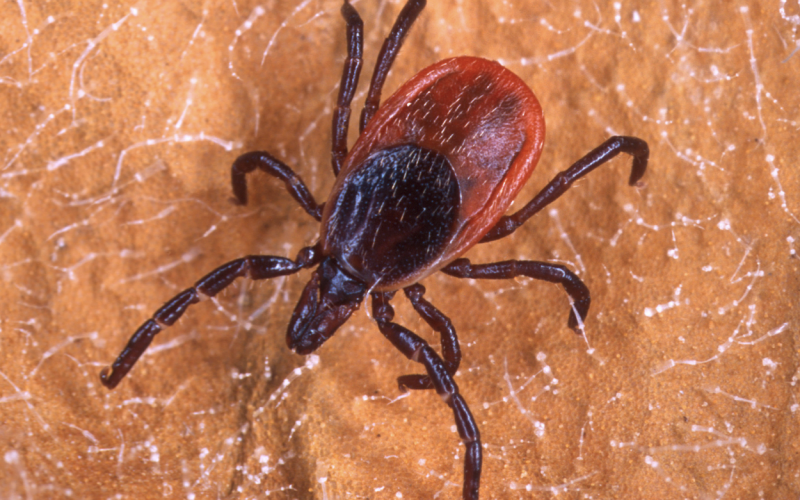
An identification guide to common Ticks of South Dakota
A guide to identifying common ticks in South Dakota
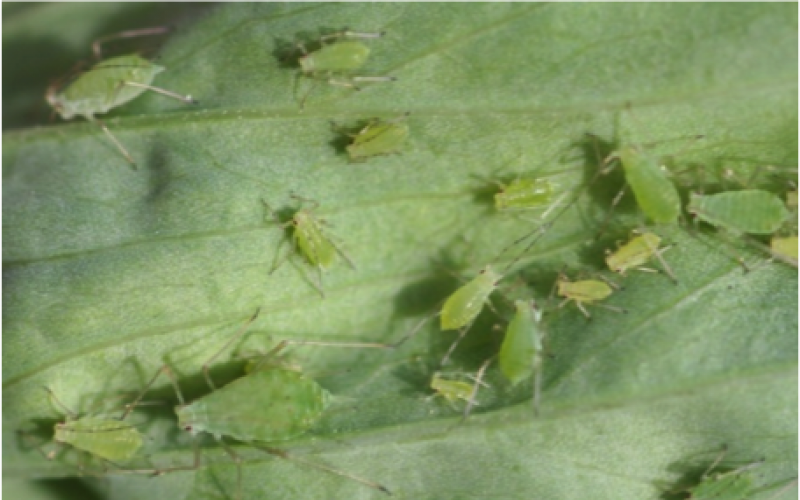
Soybean Aphids in South Dakota
Factsheet on Soybean Aphids in South Dakota
![A herd of cattle gather around a stock pond on a vast, lush grassland. Courtesy: USDA [CC BY 2.0]](/sites/default/files/styles/teaser_800x500/public/2019-05/W-00231-00-cattle-grazing-grassland-pasture-range.jpg?h=8f818b46&itok=6GS1_Ww0)
The Environmental Disease Called Pinkeye
Plentiful moisture during the grazing season might contribute to what could be called a “bad year” for a certain cattle disease: pinkeye.
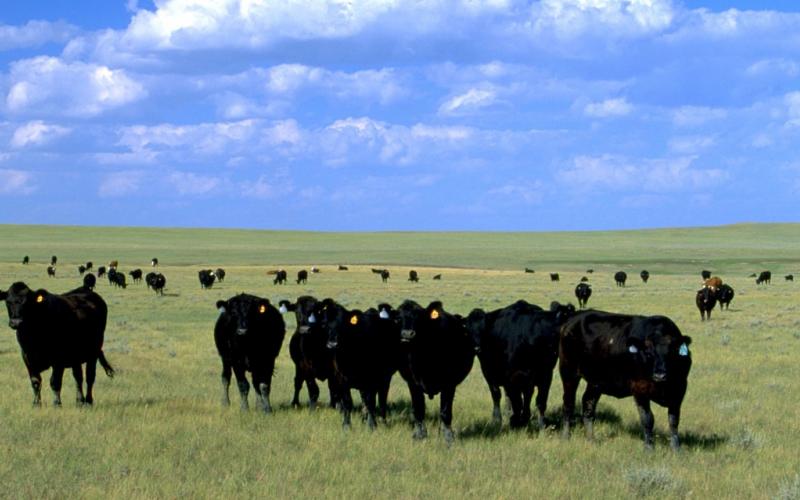
Census of Agriculture Cattle Insights
The "2017 Census of Agriculture" is a valuable source for insights related to cattle operations at the state level. There were 13,928 operations across South Dakota with cattle in 2017, and the total inventory was 3,988,183 head.

2017-2018 Multi-State Organic Oat Variety Trial Results
The tight production margins currently present in agriculture have increased interest in growing organic oats.

Wearing a Respirator? Then No Facial Hair for You!
At commercial or private applicator re-certification trainings, it is possible to hear the phrase, “Don’t wear a respirator if you have facial hair!” Facial hair, whether a full beard or stubble, may prevent respirators from sealing to the skin or interfere with their valve function.

Large Farms More Dominant in South Dakota Crop Production
Large farms play a more dominant role in South Dakota crop production, according to the recently released 2017 U.S. Census of Agriculture. As of 2017, large farms of more than 2,000 acres operate 66.8% of South Dakota total cropland aces compared to 47.7% as of 1997.
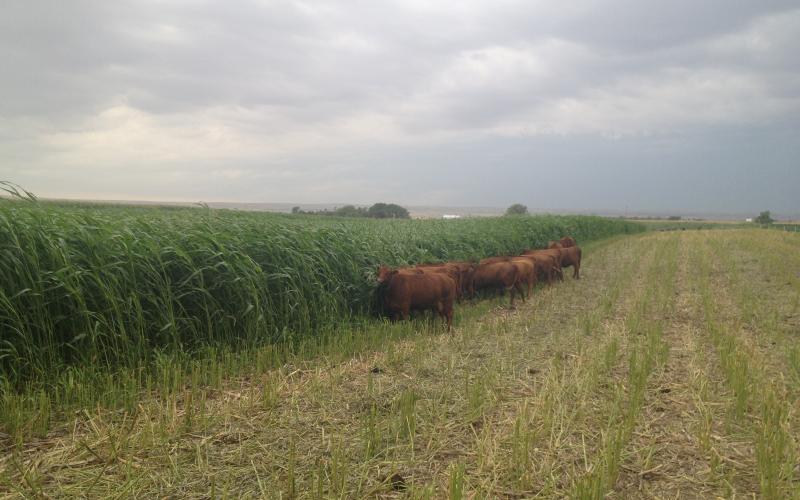
Delayed Planting Challenges: Alternative Forages
With the excessively wet planting conditions much of South Dakota is now experiencing, many producers are looking for “Plan B” to meet forage needs for their livestock, or as a commodity that can be marketed to livestock producers.
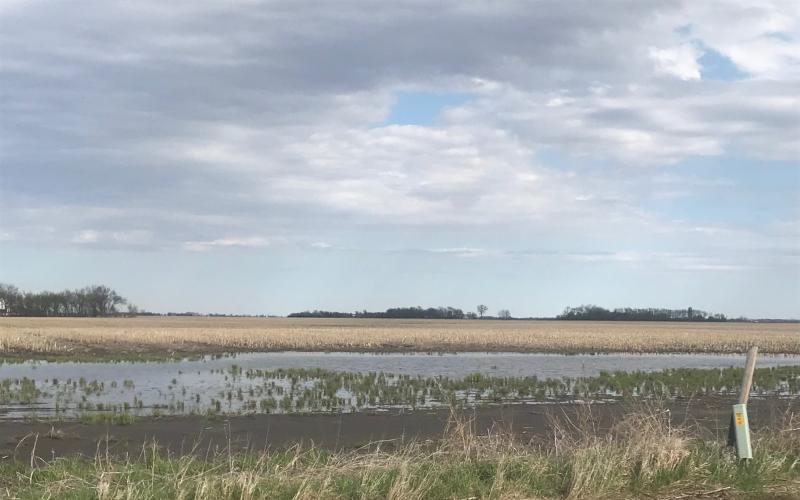
Delayed Planting Challenges: Cover Crop Considerations
High waters and saturated soils across many counties in South Dakota have producers worried about getting their crops planted in a timely manner this spring. In many areas, typical cash crops will not be a possibility. Producers may need to develop alternative plans.