Search

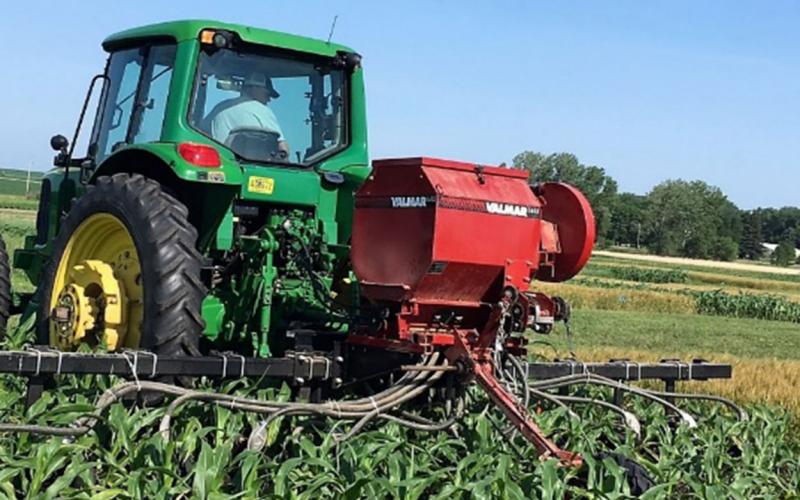
A green tractor, pulling a red, high-clearance planter through a field of emerging corn.

Interseeding Cover Crops Effect on Corn and Soybean Production: 2019

Incorporating cover crops into our cropping systems and moving from conventional tillage to no-till can improve soil organic matter, soil structure, and water and nutrient holding capacity of our soils.

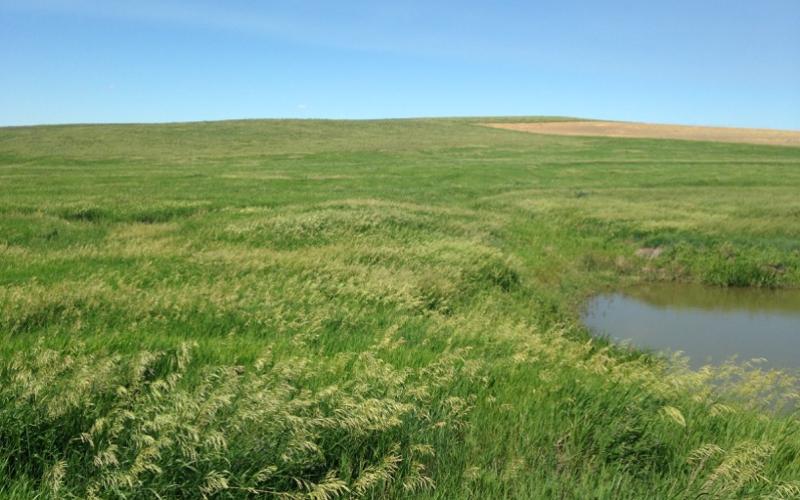
open rangeland with smooth bromegrass growing throughout

Smooth Bromegrass Grazing Management

Smooth bromegrass is a cool-season introduced grass with an advanced root system that tolerates temperature extremes and drought exceptionally well.

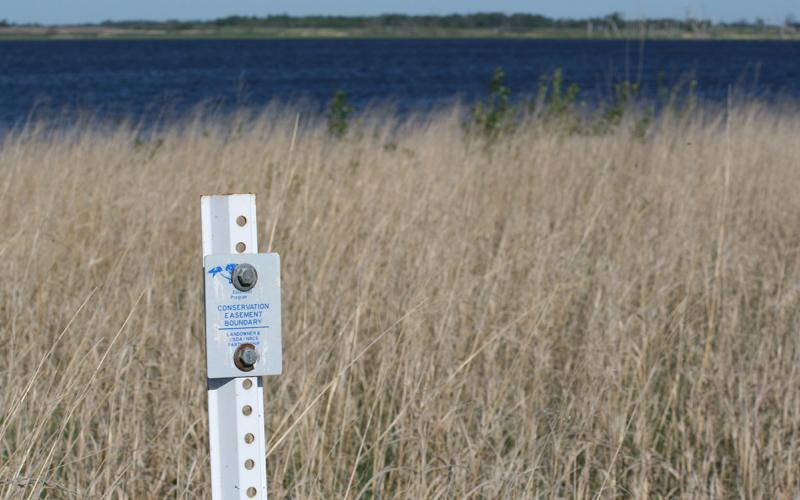
Marker indicating the boundary of conservation easement area.

Understanding Conservation Easements

Conservation easements are a common, yet often misunderstood, real estate transaction tool. This article is intended to provide factual information regarding the rules and regulations that govern the use of conservation easements in South Dakota.

A large square bale of Alfalfa hay that has been put up for storage.

Understanding Hay Inoculants and Preservatives on ‘Dry’ Hay

As haying season approaches, producers across South Dakota will begin preparing to get out the baler. In recent years, it has been quite difficult for many producers to put up quality, dry hay. This often results in growers considering using inoculants and hay preservatives.

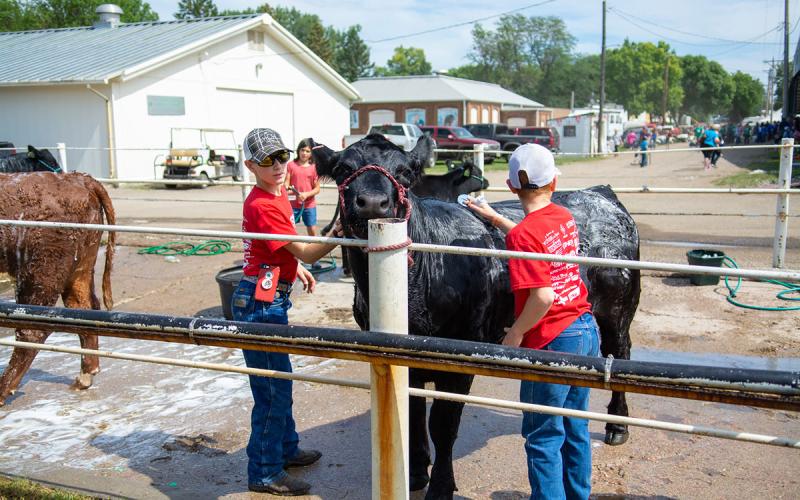
4-H youth washing a black beef cow in preparation for a fair.

Fair Season Biosecurity

Fairs are a big part of youth livestock programs, but they come with a responsibility to care for animals the right way. With a few extra steps, you’ll be doing your part to keep your animals, your barn, and your community healthy, now and for the seasons to come.

Team of natural resource management researchers and professionals standing in a stream.

Finding Technical and Financial Assistance for Fish Barrier Removal and Mitigation

Manmade barriers can limit the movement of many aquatic species and prevent them from gaining access to critical habitats. For public entities and private individuals interested in the removal or mitigation of those barriers, both technical and financial assistance is available.

Mitchell Regional Center

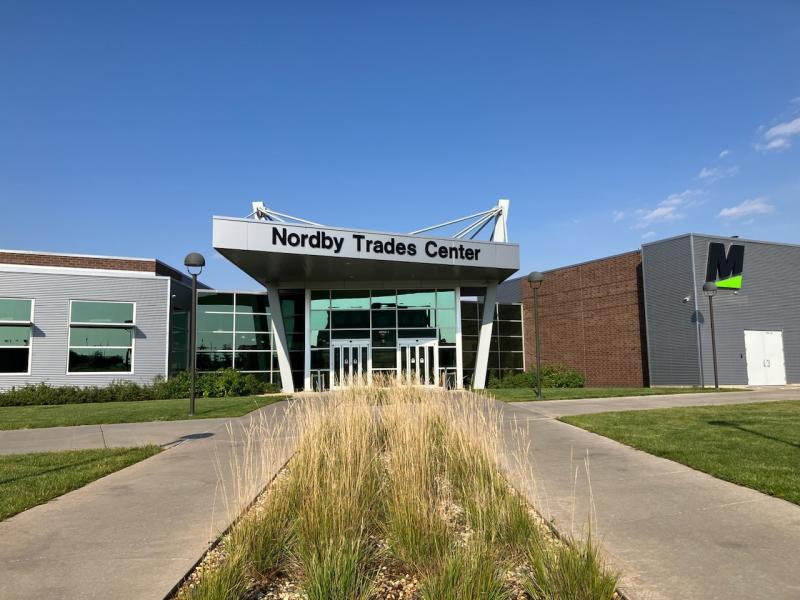
Norby Trades Center building on the campus of Mitchell Technical Institute

Address:
SDSU Extension Mitchell Regional Center
1800 E. Spruce St.
Mitchell, SD 57301

Phone: 605-995-7378

Email

The office is located inside the Nordby Trades Center on the Mitchell Technical Institute campus. When entering the parking lot, look for the sign that says SDSU Extension parking. Enter Nordby through the main double doors and immediately turn left to find the SDSU Extension offices (look for the sign).

  • Classroom: There is a conference room with enough seating for 10 people, and a smart classroom with enough for 42. Rooms are available to rent for full or half-days. Rental rates are available for full or half days. It is $50 for a half day without technology or $75 with technology; a full day without technology is $100 or $150 with technology.
  • Commercial Applicator Testing: Tests are offered in four-hour time blocks, 8:00 a.m.-12:00 p.m. or 1:00-5:00 p.m. Call to schedule an appointment.
  • Livestock Water Testing: On-site livestock water testing services is offered at this location. 
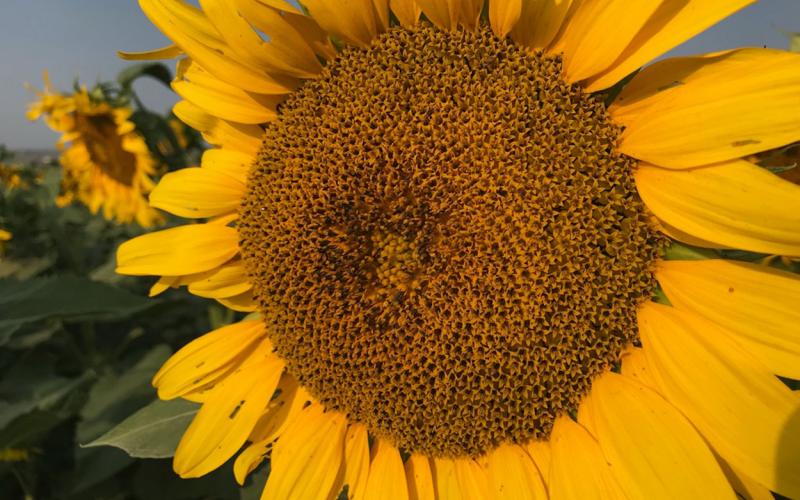
Close-up of a yellow sunflower head.

National Sunflower Association 2021 Sunflower Survey

Volunteers from private industry and SDSU Extension will soon be visiting South Dakota sunflower fields to participate in the biennial sunflower survey. The survey aims to evaluate yields and production practices along with pest pressure from weeds, insects, diseases and birds.

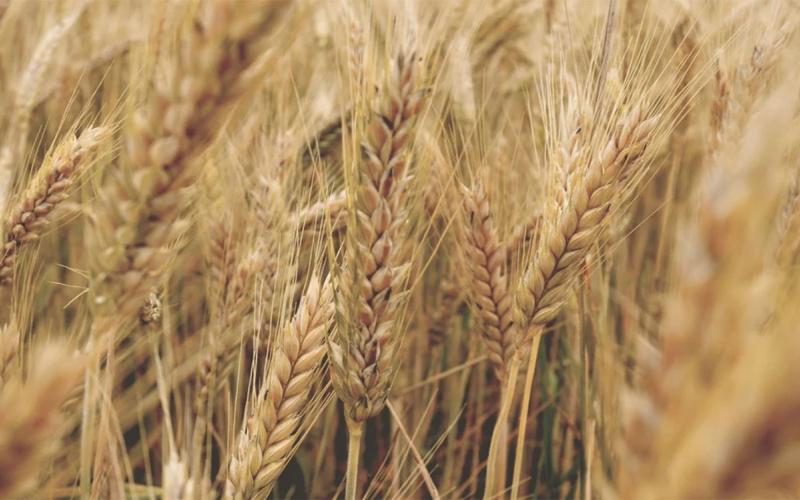
Winter wheat.

SDSU Extension 33rd Annual Winter Wheat Meeting To Be Held August 24

August 19, 2022

SDSU Extension, in collaboration with the Jones County Crop Improvement Association, will host the 33rd Annual Winter Wheat Meeting in Draper, South Dakota, on August 24 at 6:30 p.m. CDT.

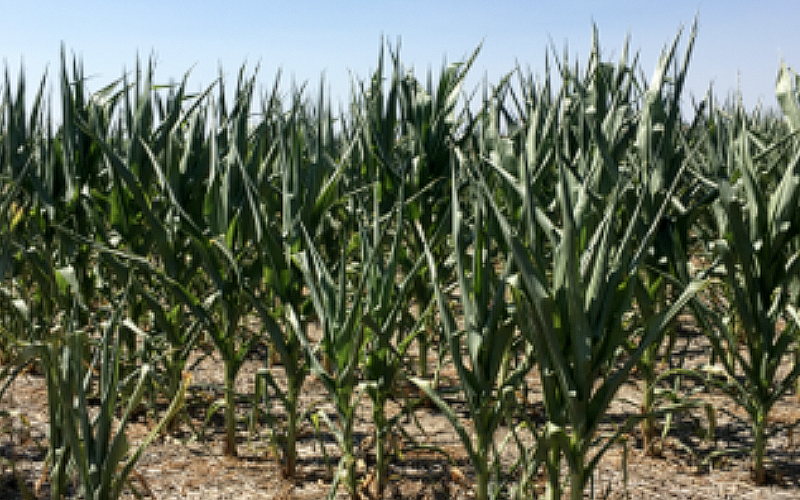
corn showing symptoms of drought stress

Using Drought-Stressed Corn as Forage

When drought has compromised tonnage of corn grain, silage producers may still retain part of its feeding value.