Search
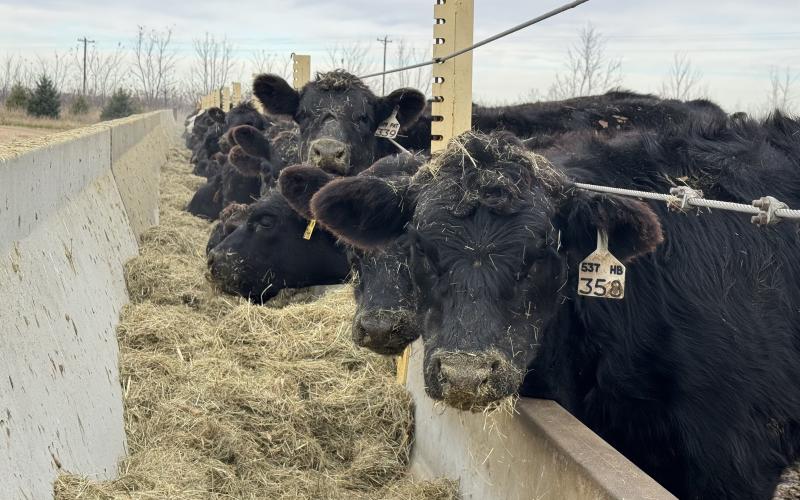
SDSU Extension helping cattle producers grow bigger, better beef
May 28, 2025
Warren Rusche would contend that some of the best cattle in North America are born in South Dakota. That gives Rusche and the rest of the applied feedlot research group at SDSU a unique opportunity, and they are making the most of it.
The Research and Impact of Uterine Microbiome on Livestock Fertility
This episode of Cattle HQ, Robin Salverson learns from Dr. Rebecca Poole about the cutting edge research around the uterine microbiome and the potential impact on fertility.

Engineering Cooperatives in the 21st Century: Education, Research, and Outreach
The Cooperative structure represents a unique organization type that is governed/owned by the users of the services and products. South Dakota has many types of Cooperatives, some organizations are not readily recognized as Cooperatives however, like mutual insurance, credit unions, etc. More commonly, Cooperatives are associated with Farmer Cooperatives that are prevalent in South Dakota.

Embracing Technology to Teach Early Literacy Skills
Research suggests that learning happens when children can use multiple senses, such as sight, sound, and touch. With technology, parents, caregivers, and educators can nurture reading skills in new, exciting ways!
About 4-H
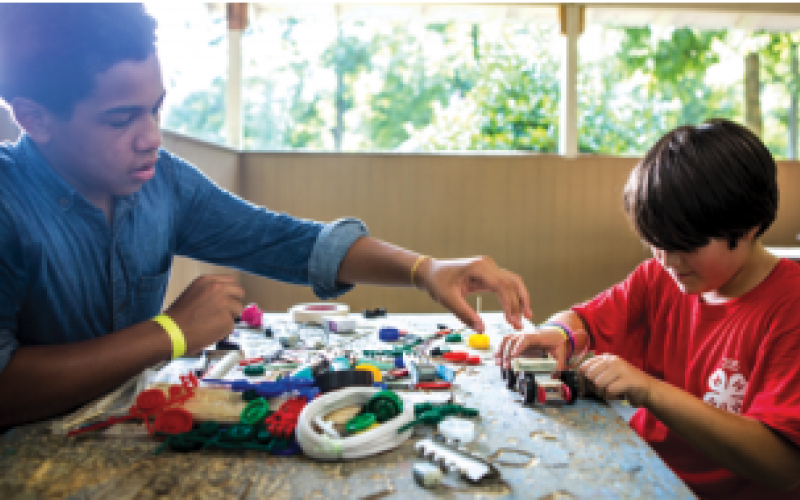
Learn about SDSU 4-H mission, values, history and initiatives. Discover the 4-H essential elements, learning model, and life skills that 4-H members will obtain through hands on learning. Discover the many different science, health, agriculture and citizenship projects available in the 4-H programs.

Distillers’ Dried Grains With Solubles Decreased Feed-To-Water Ratio
Recent research at SDSU found that using distillers’ dried grains with solubles in swine diets showcased a significant impact on water consumption, leading to a decrease in the feed-to-water ratio.
Sale Barn Data
On today’s episode, SDSU Extension Cow/Calf Field Specialists Adele Harty and Olivia Amundson discuss current research looking at factors affecting value of calves sold through South Dakota sale barns.
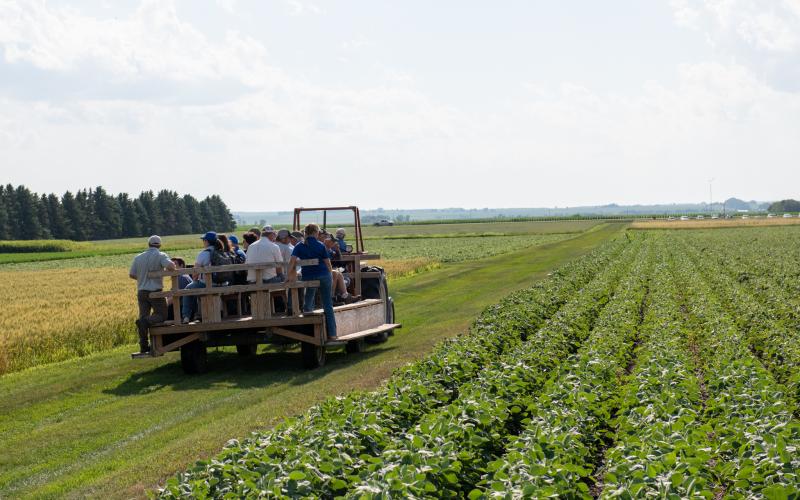
Summer field days showcase South Dakota Agricultural Experiment Station sites
August 25, 2023
Each summer, the South Dakota Agricultural Experiment Station system showcases its research stations with field days. The days include guided tours of each facility and presentations from SDSU and SDSU Extension researchers. Producers, industry professionals and members of the general public can see how winter wheat varieties are tested, or take a trip through a high tunnel.
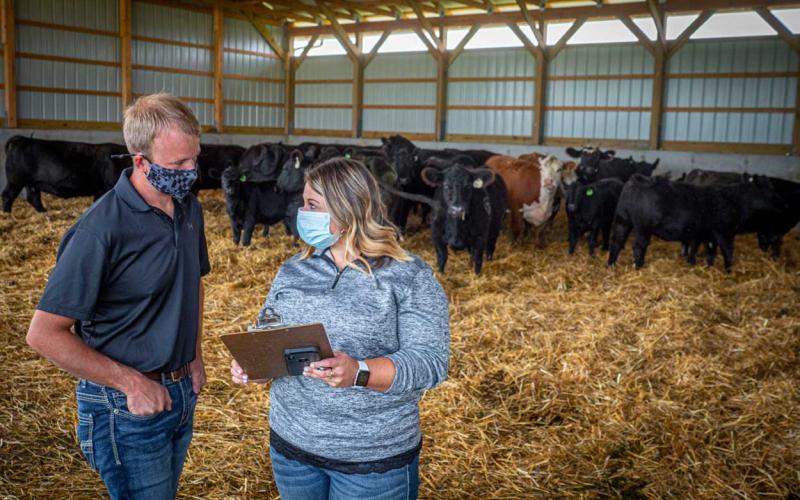
COVID-19 Tips for Farms and Ranches
Continuing to keep employees and family members healthy through the COVID-19 pandemic will require extra effort as you enter the busy time of fall harvest.

Cut Flowers on Campus: 2022 Zinnia and Snapdragon Trial Overview
The Lang Lab at South Dakota State University is currently working to increase research and support for South Dakota's cut flower farmers. Learn about their recent trial that examined popular cultivars of zinnias and snapdragons.