Search
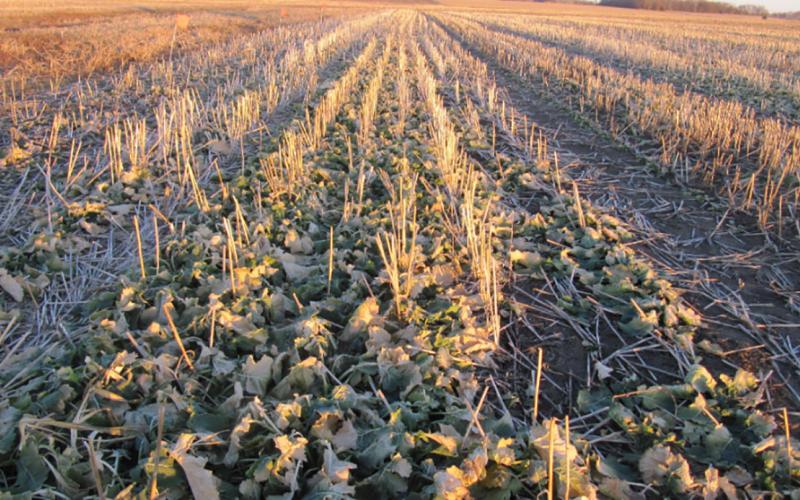
Cover Crops After Small Grains
In last few years, interest in using cover crops has been increasing tremendously among crop and livestock producers in South Dakota. Growing cover crops following small grain is gaining more attention due to feasibility in cover crops species selection and also the time of the year where cover crops receive longer growing and establishing time than following row crops.

Healthy Sleep and Shift Work
Learn how to overcome a few common barriers that may impact your ability to achieve restful sleep when working a non-traditional work schedule.

Be Aware of Fungicide Resistance in Field Crops
A few soybean and corn fields have received or will be receiving a fungicide application this season. We recommend scouting fields treated with fungicides to determine if diseases are controlled as expected or if there are signs of reduced sensitivity.
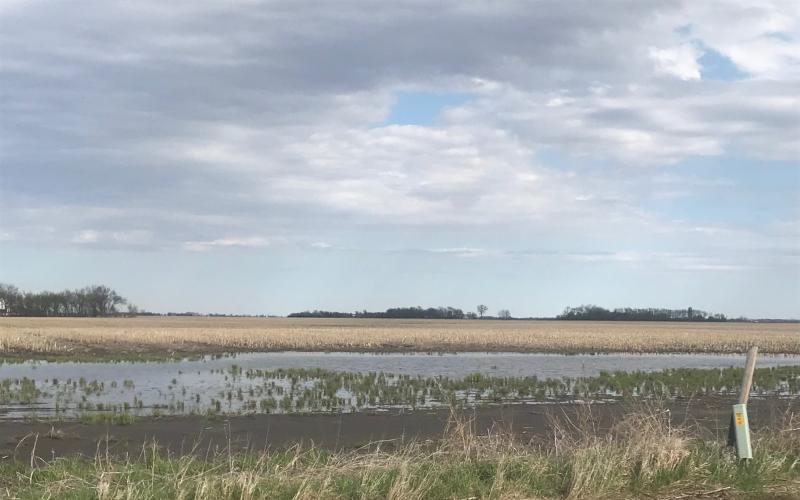
Delayed Planting Challenges: Cover Crop Considerations
High waters and saturated soils across many counties in South Dakota have producers worried about getting their crops planted in a timely manner this spring. In many areas, typical cash crops will not be a possibility. Producers may need to develop alternative plans.

Calving Apps: Beyond the Barn
There are many calving apps available for smart phone users, and finding the right one can be challenging. Learn some expert tips on selecting the right one to accomplish your operation's goals.
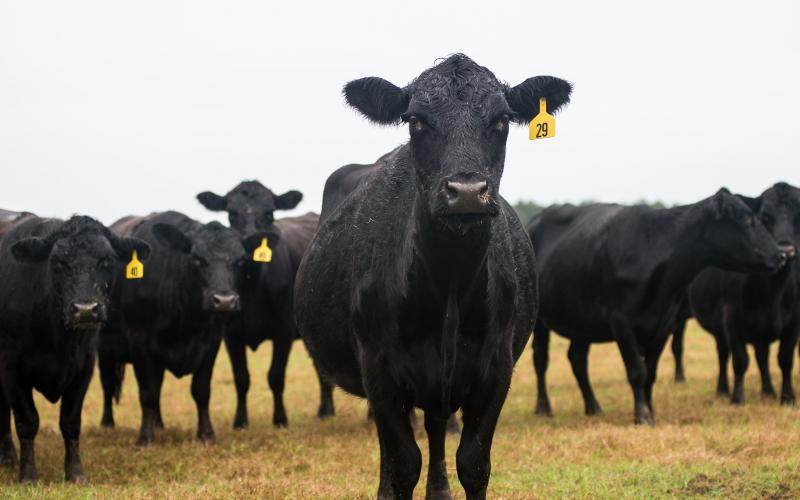
Detection of Standing Estrus in Cattle
Fact sheet to help with the detection of standing estrus in cattle. Available in English and Spanish.

Eating Like a Pig is Healthy
On Thursday, February 25, 2016, Dr. Eric Berg gave a presentation at South Dakota State University on “Eating Like a Pig: The Role of Meat in the Human Diet” as part of the University’s Speakers series.
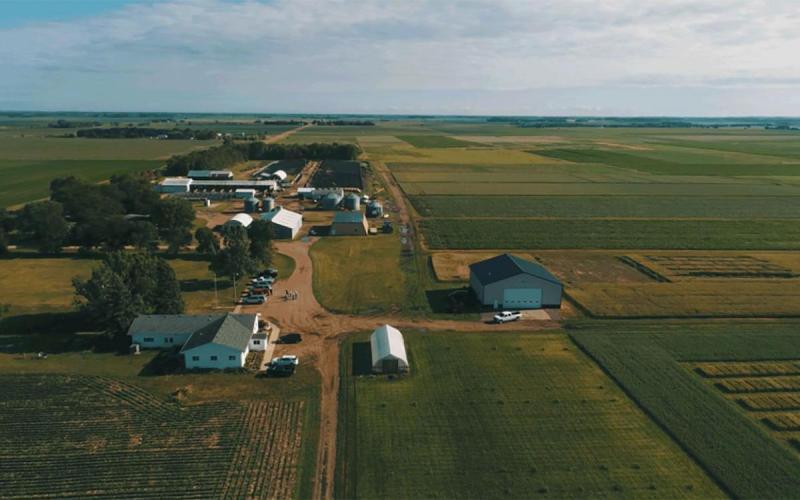
Southeast Research Farm Seminars @ Dakota Farm Show
Join SDSU Extension for a series of educational presentations during the Dakota Farm Show from January 6-7, 2026, at the USD DakotaDome (1101 N Dakota St, Vermillion, SD 57069).
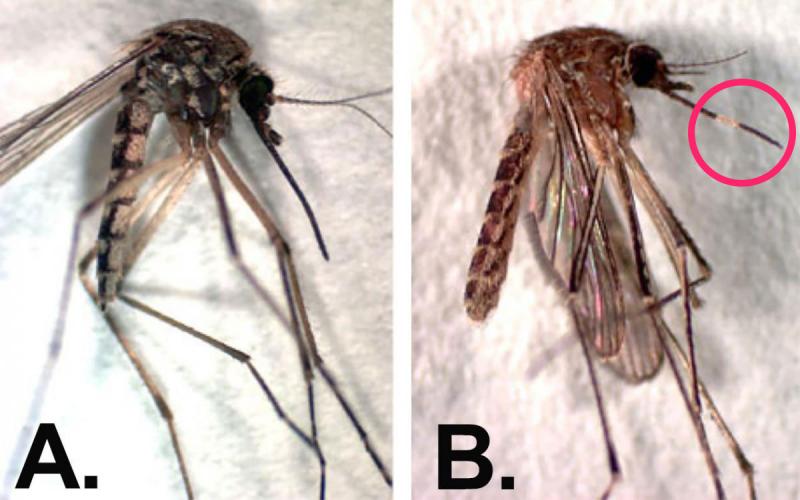
Be Ready for Mosquitos
With the very wet 2019 spring and recent rains, it inevitable that mosquito populations will be high this year. Although there are over 20 species of mosquitoes that call South Dakota home, there are really only two species that account for the majority of observed individuals.
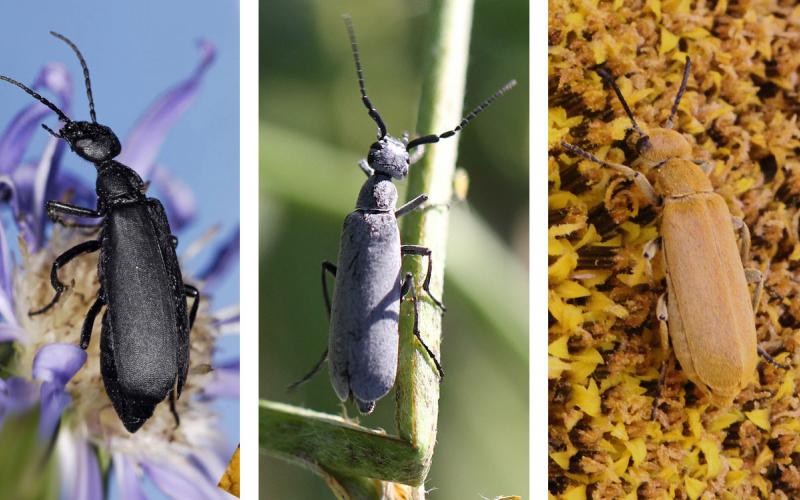
Blister Beetles Showing up in Alfalfa Fields
Blister beetles are now active in South Dakota. Although the larvae of blister beetles can be beneficial by feeding on grasshopper eggs, the adults cause issues when large populations are present in alfalfa at the time of harvest.