Search

Forcing Tender Bulbs Indoors
Winter and early spring months can benefit from a pop of color brought on by forcing bulbs to bloom indoors. Learn about a variety of bulbs to consider for both beginning and experienced plant lovers.

Peas: How to Grow It
The most common type of pea in American gardens is the shelling pea, also called the “garden pea” or “English pea.” Tender, sweet peas are removed from thin, tough pods before eating.

Lady Beetles of South Dakota
Lady beetles are one of the most familiar groups of beneficial insects. Farmers and gardeners appreciate them for devouring insect pests. Both adult lady beetles and caterpillar-like juveniles eat pests.

Best Management Practices for Sunflower Production
This is your unbiased, research-based guide to sunflower production, providing the latest recommendations to help increase yield, reduce input costs and protect your investment.
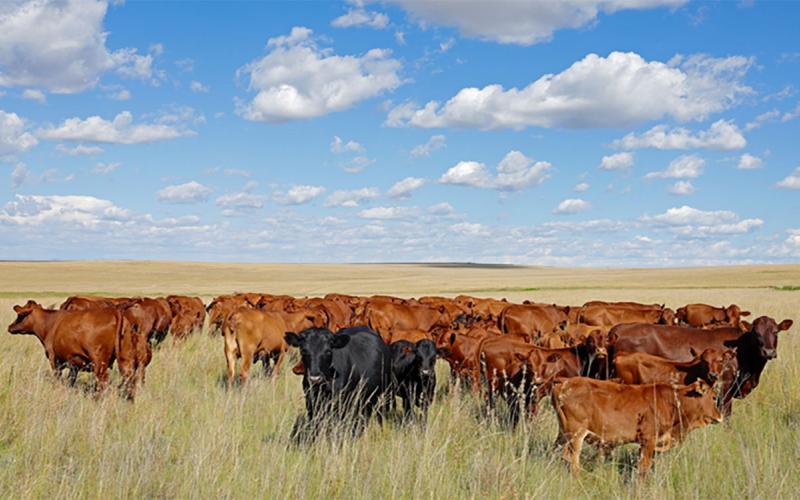
Adopt-A-Cow
The “Adopt-A-Cow” program engages elementary age youth in learning about animal agriculture through hands-on activities and by connecting youth virtually with real South Dakota animals.
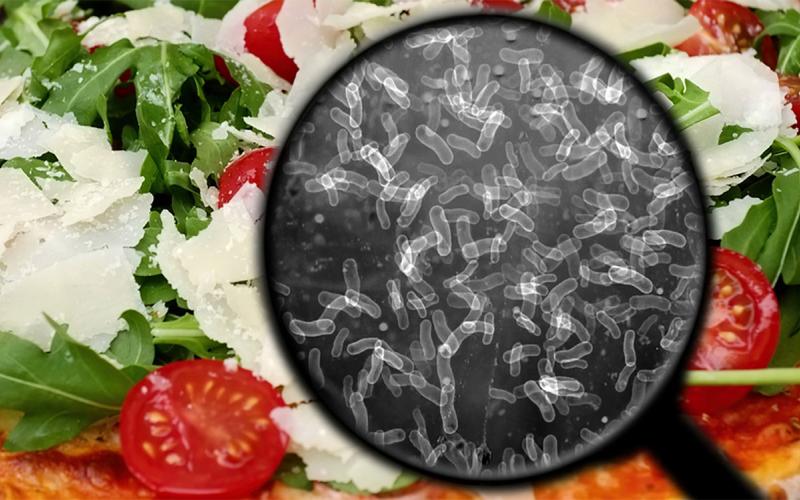
Foodborne Illnesses
Foodborne illnesses are caused by consuming foods that are contaminated with bacteria, viruses, or parasites. Learn about the risk factors for some of the most-common foodborne illnesses.
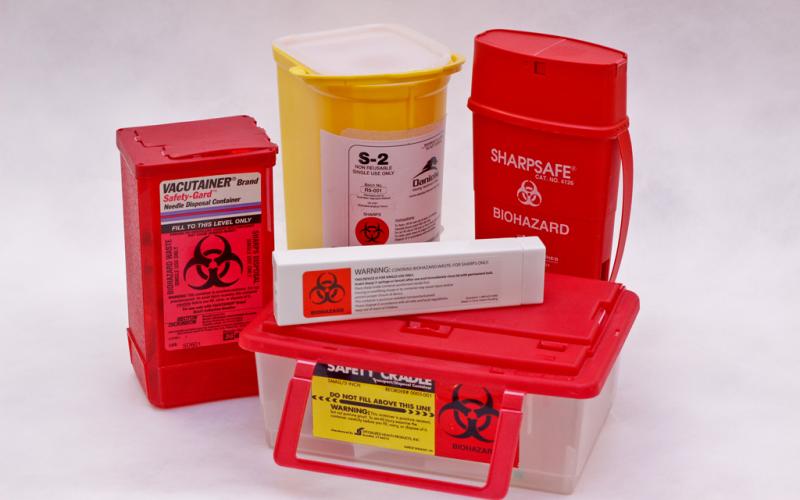
Where Do the Sharps Go?
Sharps used in livestock husbandry practices are considered medical or infectious waste. Regardless of why an animal received a shot, it is important to dispose of the needle in a safe way.
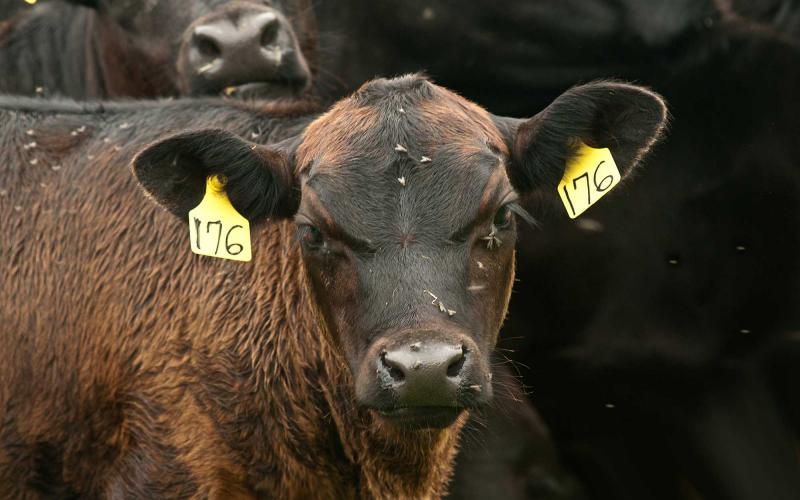
Summer Fly Control in Feedlots
Just as longer days mark the beginning of summer, so does the arrival of increased number of flies in feedlots. Flies are not only are an annoyance, they can reduce performance and worsen heat stress. Successful control strategies start with sanitation.
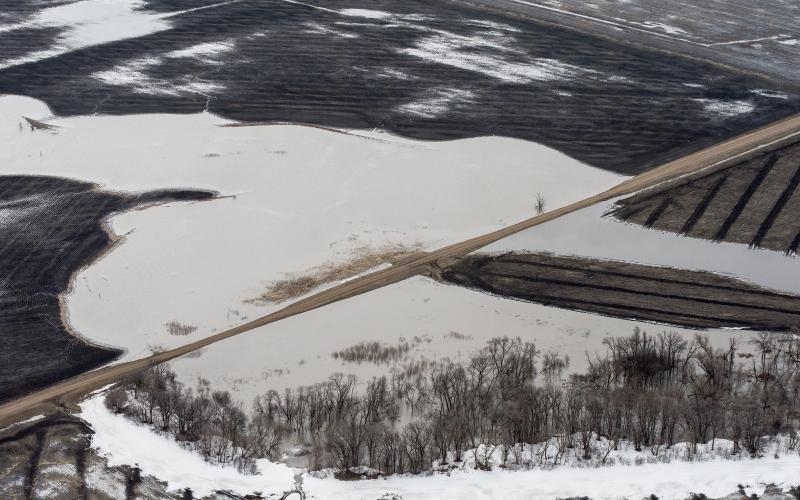
Managing Soil and Soil Fertility After Flooding
During floods, your fields will experience different amounts of erosion, sediment deposition, and crop residue accumulation. To avoid compaction of these soils it is crucial to let soils drain and dry out sufficiently before removing any large debris from fields or working the soil.
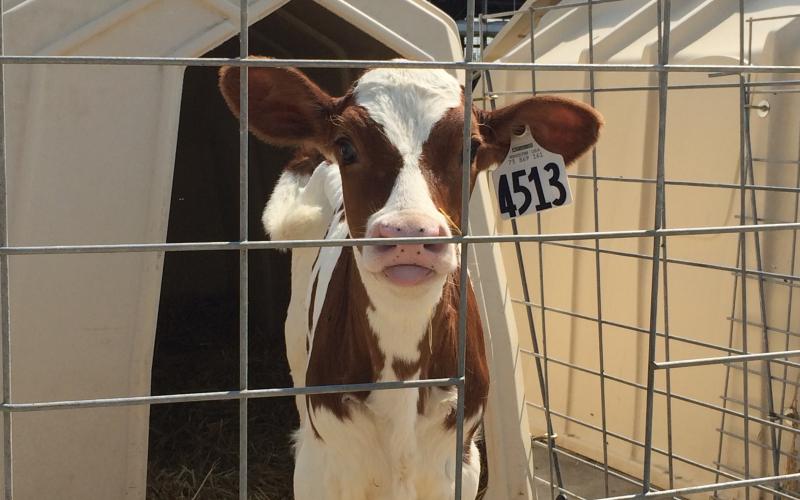
Understanding and Mitigating Heat Stress in Young Dairy Animals
We often don’t focus as much on heat stress in young dairy calves and tend to focus more on cold stress. However, it is just as important and producers or calf raisers should have a plan in place to help mitigate heat stress in these animals also.