Search
Microbial Water Testing for South Dakota Producers
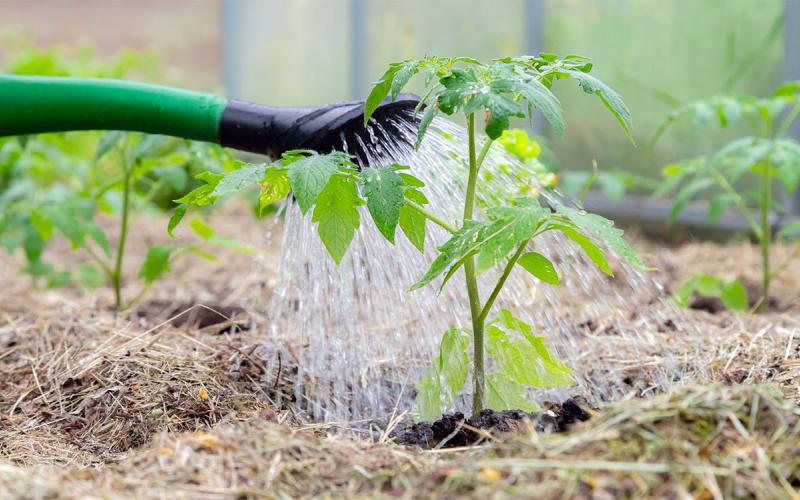
Microbial water testing is important for produce growers to know the quality of their water to help ensure the safety of the fruits, vegetables, and herbs they produce.
Icebreakers: Winter Water Supply
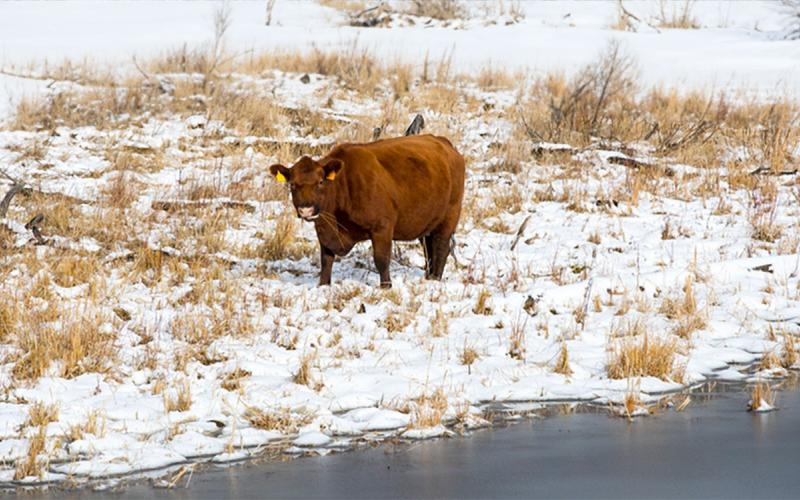
Cold weather creates a challenge for producers who house their herds in areas where there are limited water resources and available natural water sources may be frozen over.
Managing Water with Soil Health
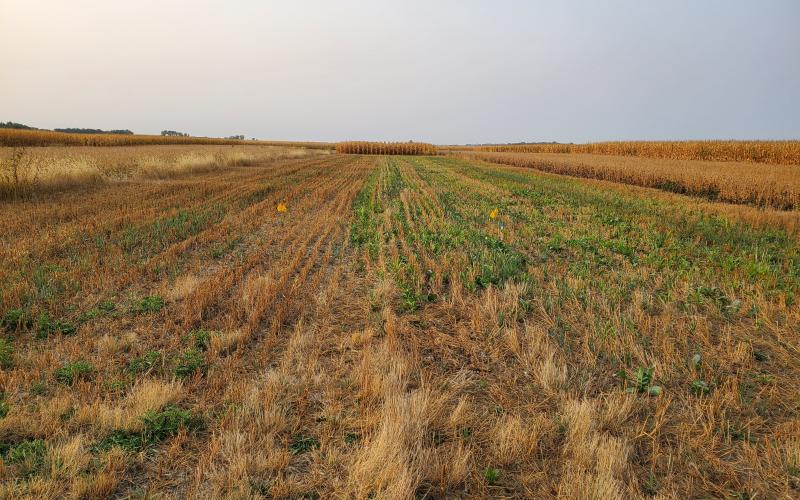
If we are seeing so many benefits to drainage and soil health systems, why isn’t everybody doing it? Can we see a win-win-win situation when looking at habitat, agronomy, and water quality in a system?
Nitrates and Livestock Water Quality
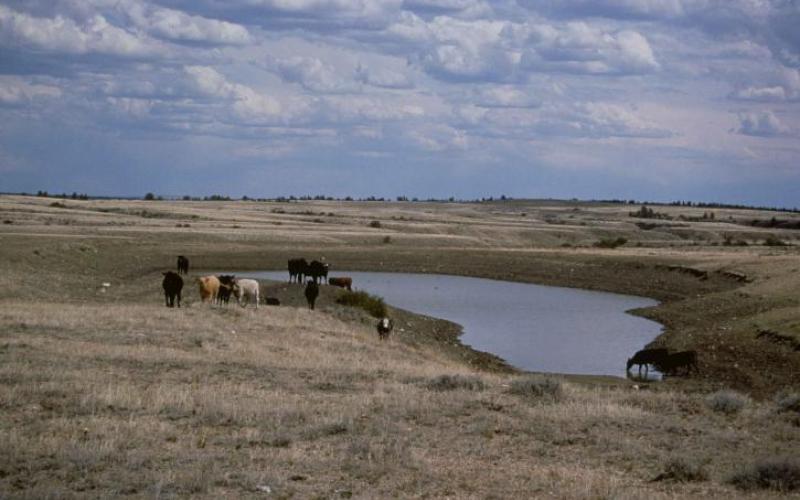
Nitrate poisoning is something we think about with forages such as millet, oats, corn, sorghum, sudan, kochia and others that have been fertilized or if there is a drought, but water can also be a contributing factor.

West Dakota Water Development District Looks To Improve Rapid Creek Water Quality Through Stormwater Mitigation and Erosion Control Projects
Two pilot projects initiated by the West Dakota Water Development District are intended to improve water quality in Rapid Creek by reducing suspended sediment loading over time.
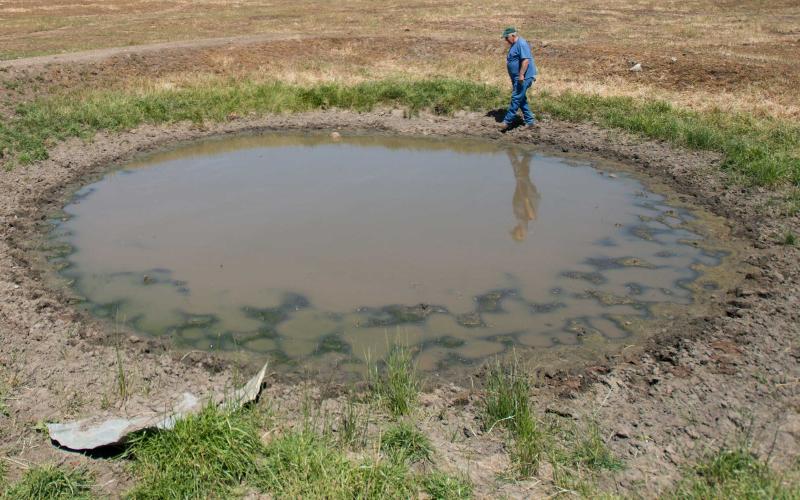
How Do Sulfates in Water Affect Livestock Health?
Poor-quality water will cause an animal to drink less. As a result, they also consume less forage and feed, which leads to weight loss, decreased milk production and lower fertility.
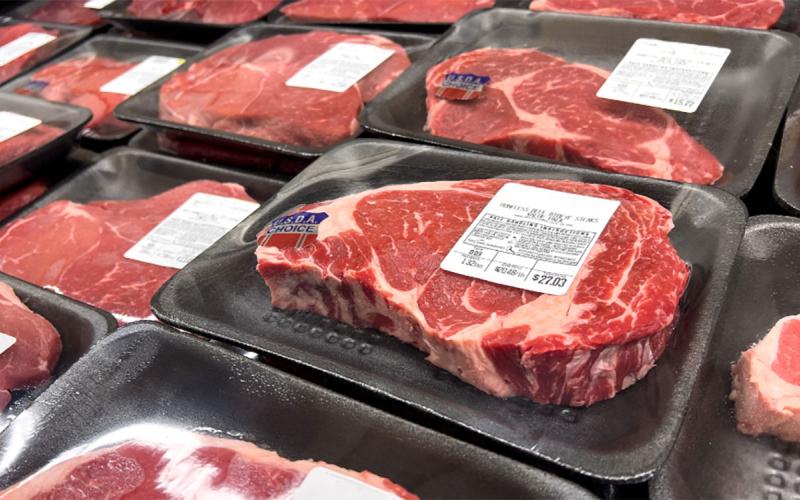
USDA Beef Quality Grades: What do they mean?
A large portion of beef sold at retail is accompanied by a USDA quality grade label. Learn how quality grades are determined, what they mean, and how they can be used to select the perfect cut for your purposes.
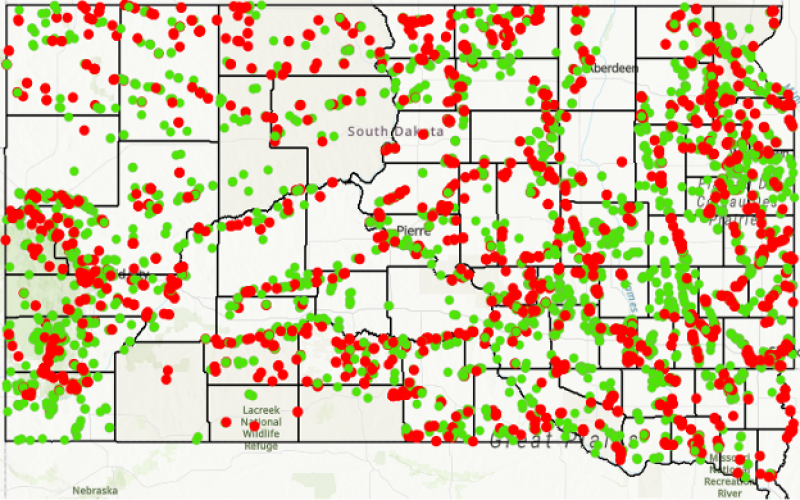
Water For All
These videos are meant to raise awareness among South Dakota citizens about the kinds of water information available to them.
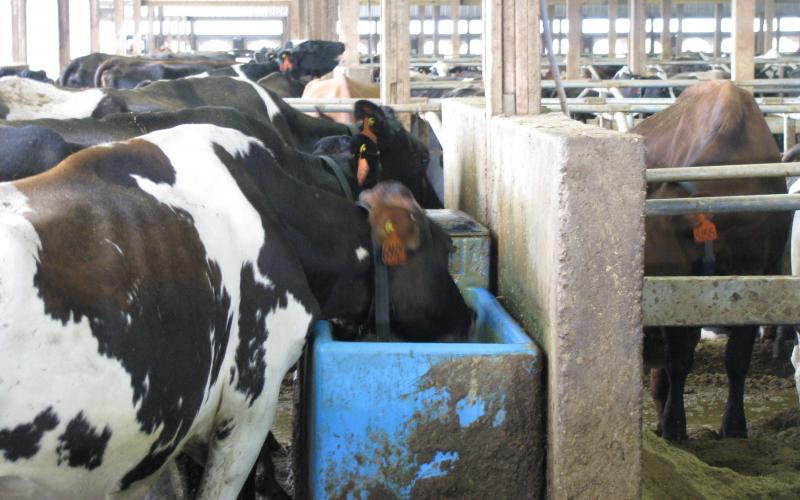
Water Importance in Lactating Dairy Cows
When considering the importance of water in lactating cow diets, we need to remember that milk is 87 percent water, and its consumption is directly correlated with milk production and feed intake. Water also makes up anywhere from 55 percent to 70 percent of the body weight of a lactating dairy cow, depending upon the phase of the lactation cycle.
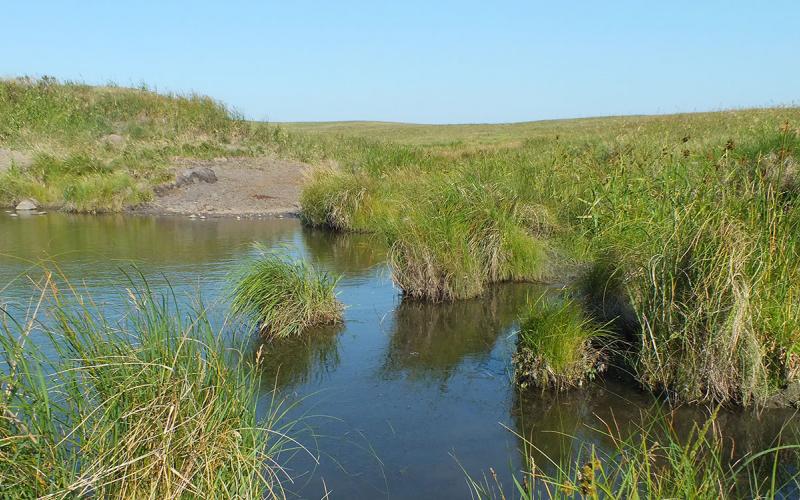
Managing Livestock Attractants Near Water
In the event that your pasture includes riparian areas, such as streams, rivers, lakes or ponds, you’ll want to take special care of these habitats. A riparian area is the space immediately adjacent to the shore, where water and land interact.