Search
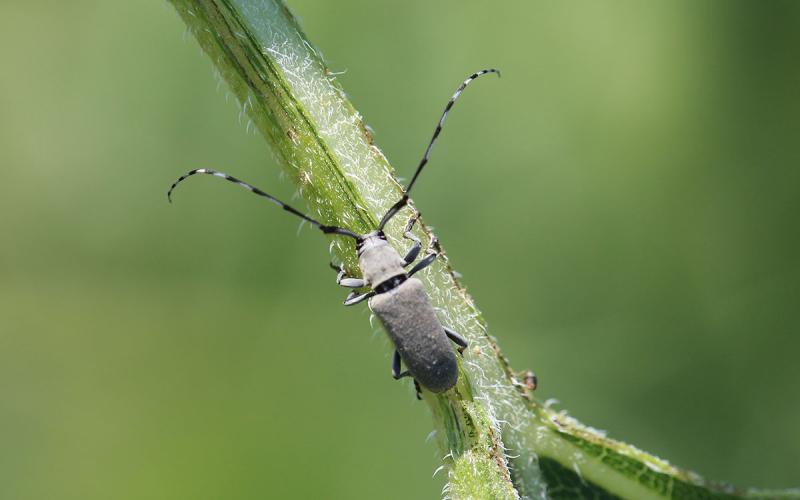
Dectes Stem Borer in South Dakota Soybeans
Fact sheet on Dectes stem borer in South Dakota soybeans

SDSU Extension to host emerald ash borer meetings
June 25, 2025
South Dakota State University Extension will host public meetings about the emerald ash borer in Watertown and Milbank following the insect’s discovery in those communities.
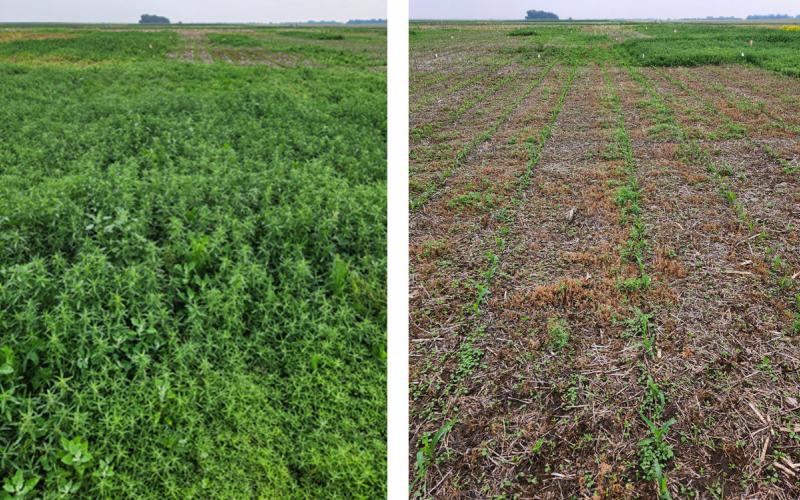
Glufosinate + lactofen is likely an effective mixture to manage kochia postemergence in soybean
Kochia is a difficult to manage weed that infests crops across South Dakota. Mixing effective herbicides is a tactic that can reduce selection pressure on resistant weeds and increase the effectiveness of weed management.
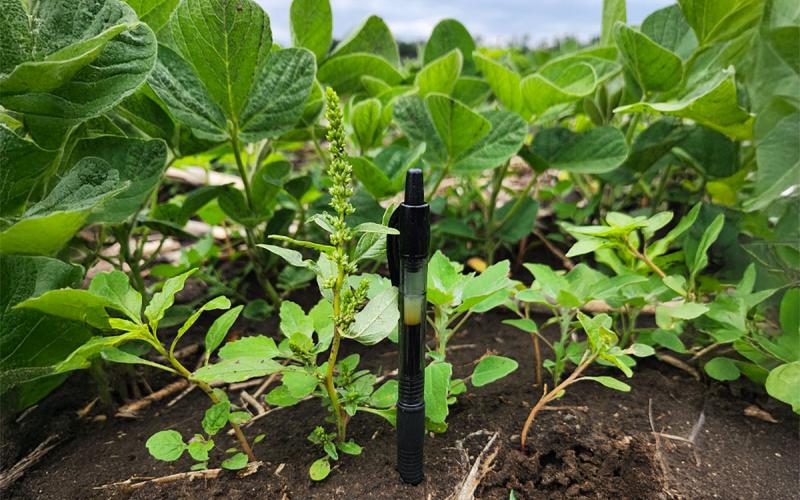
Waterhemp is flowering. No seeds present yet.
Waterhemp is one of the most-difficult weeds to manage in South Dakota row crops. While herbicide resistance is a great factor in the difficulty of managing this weed, the biology of the species plays an important role as well.
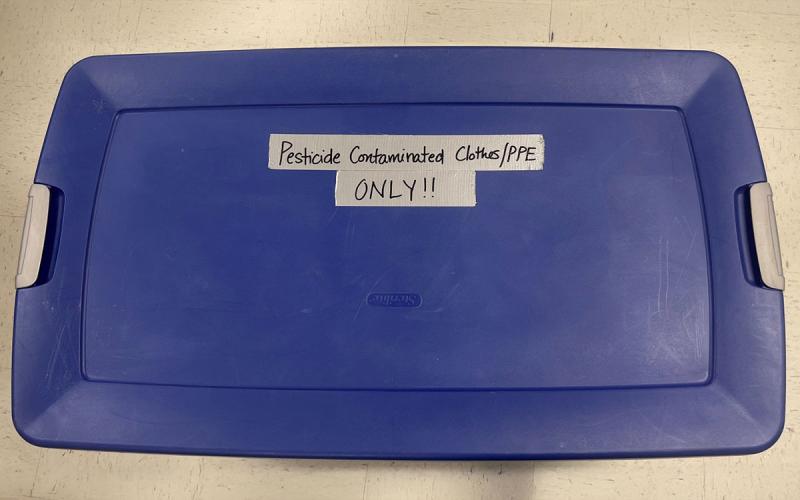
How to Properly Launder Pesticide Contaminated Clothing
Many types of personal protective equipment are intended for single use only and should be discarded after use, but how do you wash reusable equipment and clothing contaminated with pesticide residue?
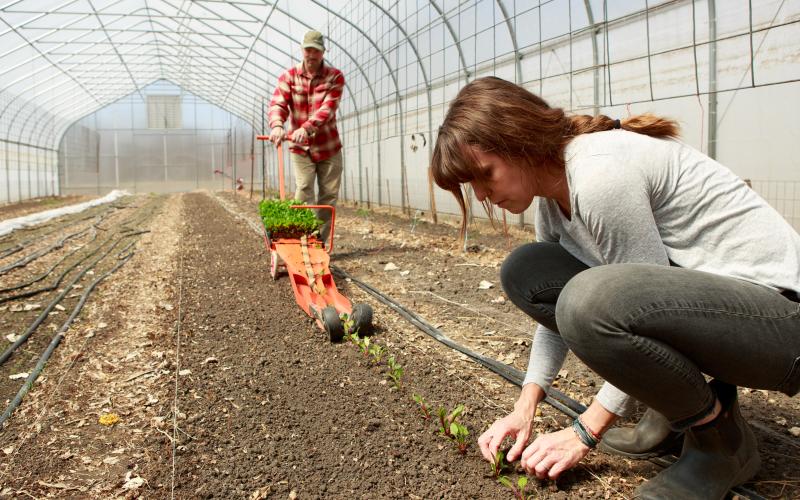
SDSU Extension to host event showcasing vegetable production at Cherry Rock Farms
July 15, 2025
South Dakota State University Extension is pleased to announce an event highlighting how to grow vegetables in a high tunnel at a Brandon-area farm on July 23, 2025.

Inexpensive and Simple Herbicide Programs in Corn and Soybean Will Not Be Effective
While selecting an inexpensive program with only one active ingredient in each application may be tempting due to the current agricultural economy, the result will likely be a more expensive problem in the future.
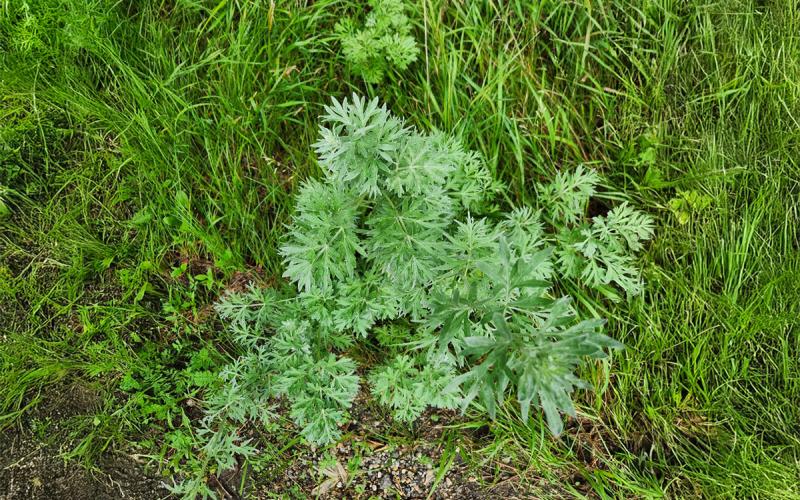
Absinth Wormwood Spray Window Passed: Mow now and plan to treat the regrowth in the fall
Absinth wormwood is a statewide noxious weed that inhabits cropland, pasture, rangeland, right-of-ways, and waste sites. If not effectively managed, the species can displace desirable vegetation, reduce crop yield and decrease land value.

Update on Chlorpyrifos Use in South Dakota
As of June 30, 2025, the labeled uses for chlorpyrifos products for food and feed are limited to alfalfa, soybean, and wheat in South Dakota. Chlorpyrifos can no longer be used to treat sunflowers.
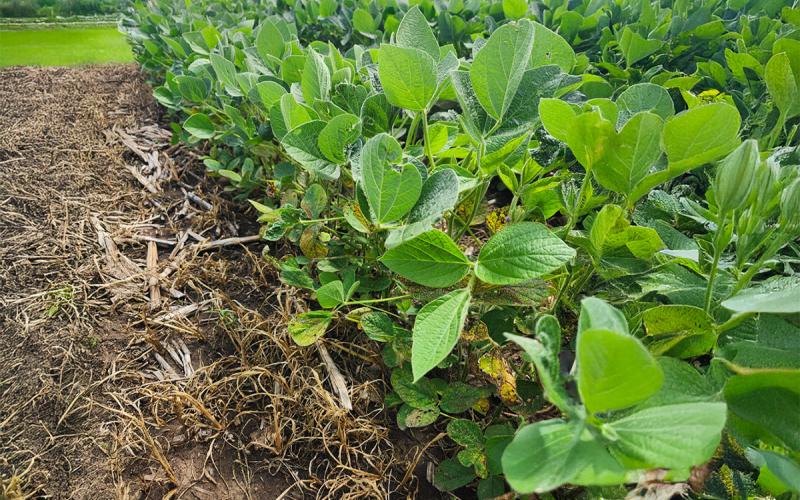
Burnt Soybeans Look a Lot Better Than Weedy Beans!
Prior to the introduction of Roundup-Ready soybean, growers were accustomed to soybeans exhibiting short-lived herbicide injury. While soybean plants may look unsightly from a PPO-inhibiting herbicide application, a more unsightly view is a soybean field full of weeds.