Search
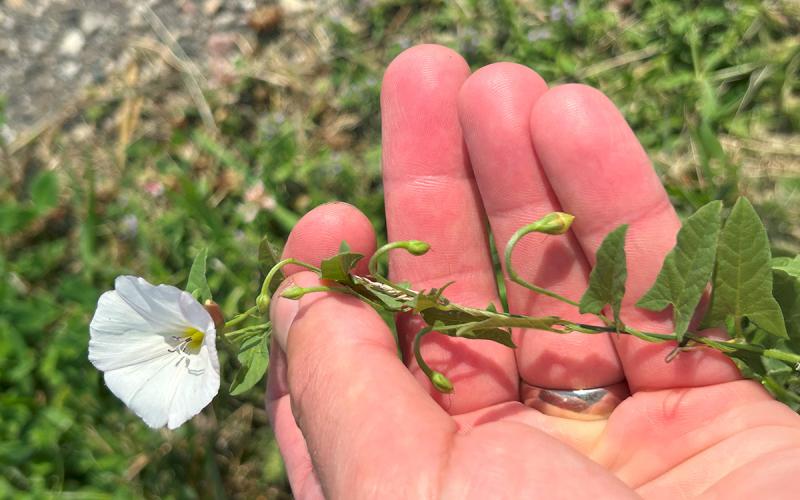
In a Bind With Field Bindweed?
It’s August and field bindweed, one of our most-persistent perennial weeds, is flowering. Although field bindweed is not statewide noxious, it’s locally noxious in Bennett, Bon Homme, Clarke, Lake, Stanley, and Yankton counties.
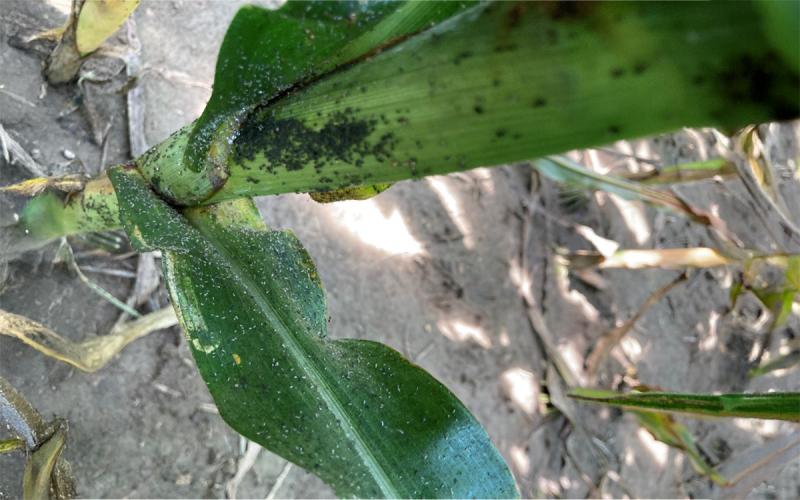
Aphids Infesting Corn in South Dakota
Aphid populations are taking off in some southeastern South Dakota corn fields. The two aphid species that are commonly observed in corn include the corn leaf aphid and the bird cherry oat aphid.
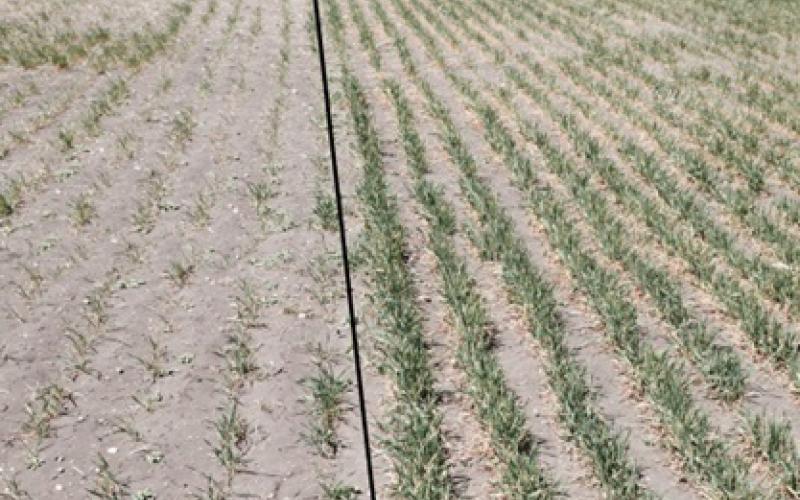
The Difficulty in Winter Wheat Stand Assessments
From freak snow storms to sub-zero temperatures and on to a recent lack of moisture and a cool spring, the climate in South Dakota has left many winter wheat growers and agronomists wondering about the health of their stands.
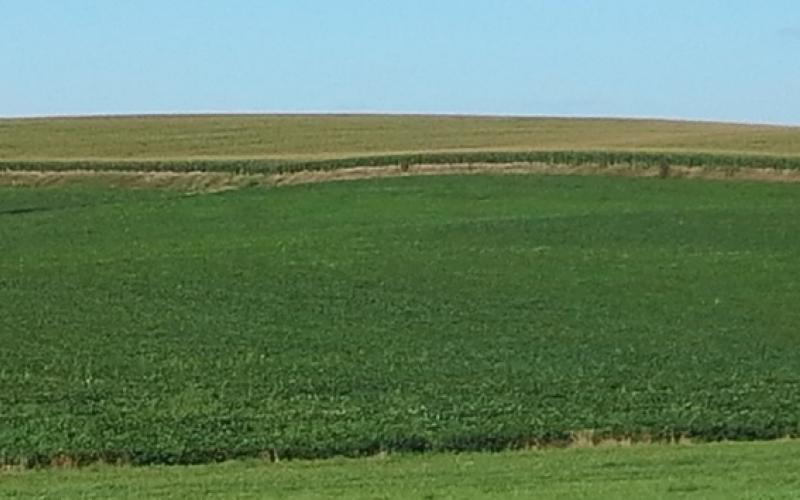
Yellow Soybeans
Yellow soybean areas within fields are being noticed in some areas of the state. There are six factors which could be causing the soybean plant yellowing: nitrogen (N), potassium (K), or sulfur (S) deficiency, iron deficiency chlorosis (IDC), soybean cyst nematode (SCN), or yellow flash from Roundup application.
Water Use by Plant Stage
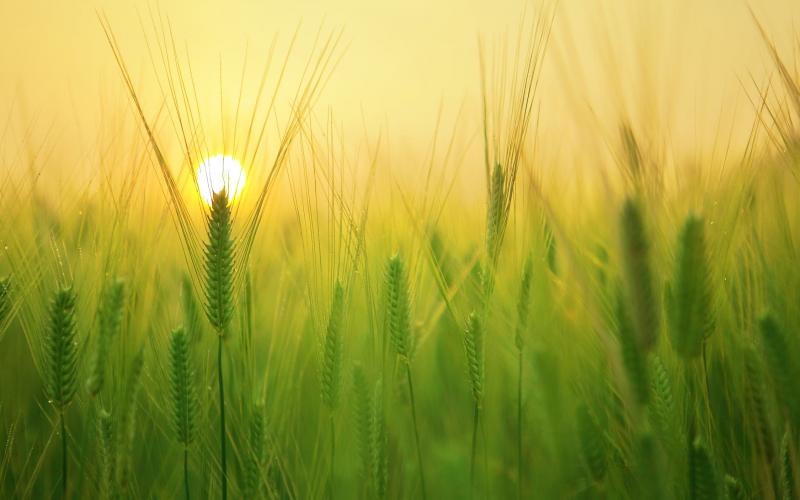
Over the growing season, solar radiation, air temperature and plant size are the dominant factors in determining evaporative demand and the rate of water use by wheat. Water use can vary dramatically on a day-to day basis, depending on climate and wheat health.
Kentucky Coffeetree
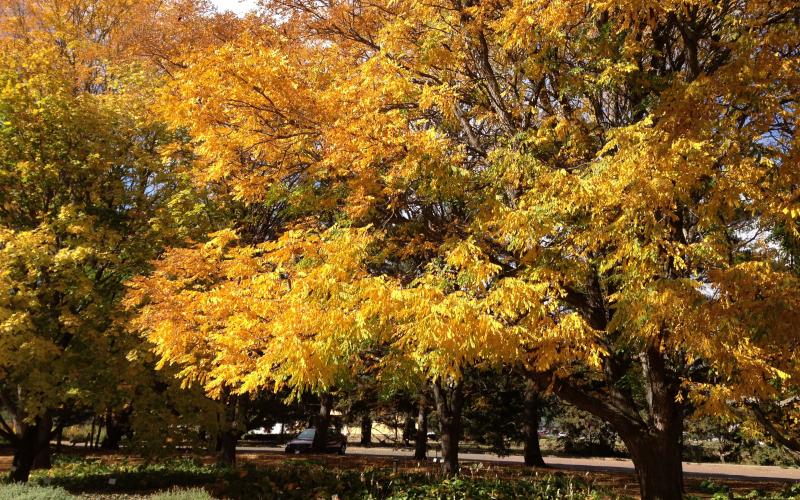
Kentucky Coffeetree (Gymnocladus dioicus) is a medium-sized tree that will fit into many landscapes and provide interest all year with its bark, leaves, flowers, fruit and even great fall color, if weather conditions are right.
Cottonwood Galls
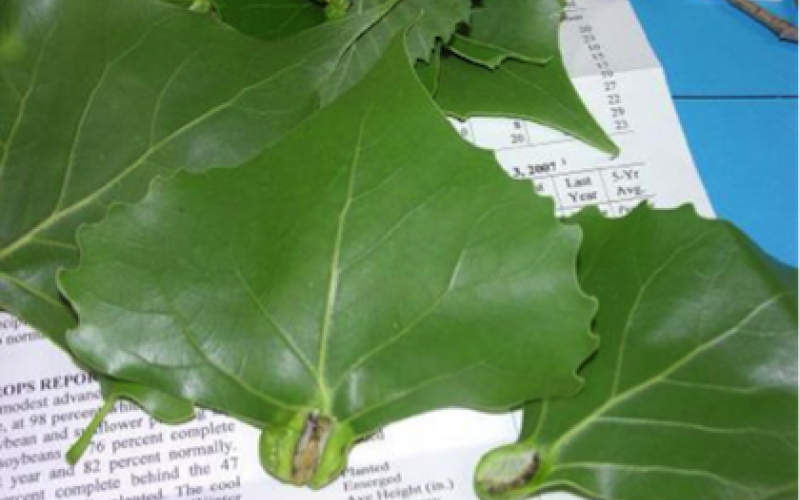
Just about every year I receive samples of fallen cottonwood leaves with a “bump” at the base and the first one for this year was from Winner. This is the cottonwood petiole gall formed by the feed activity of a very small green aphid.
Aphids On Trees
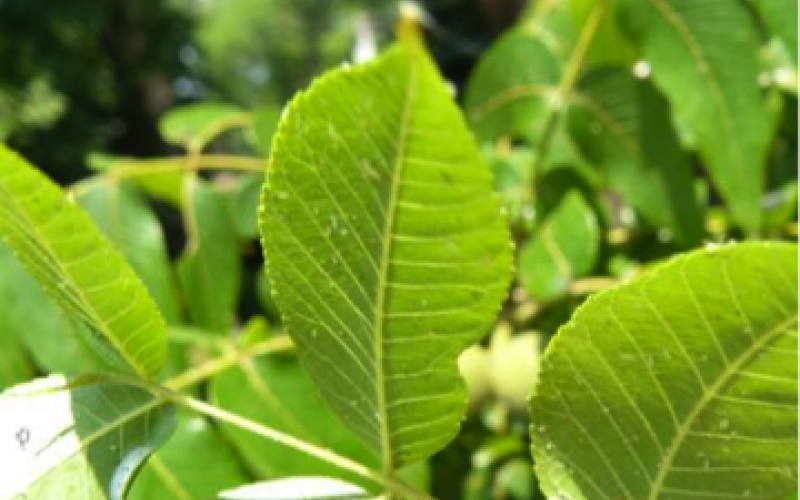
Aphids are appearing on many trees at this time of year and their activity is generally noticed by the abundance of honeydew they excrete on the lower leaves and any plants or objects beneath the tree.
Ash Tree Issues
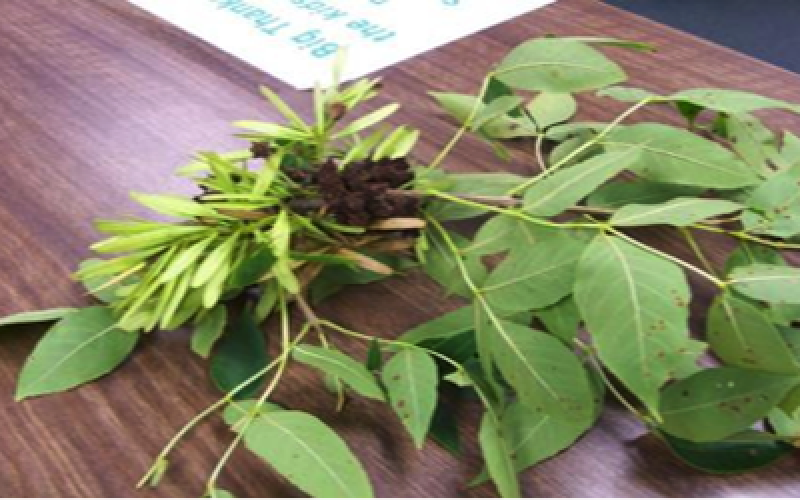
Ash flower galls are appearing on the twigs of ash throughout the state. The brown to black “balls” hang in clusters beneath the branch shoots. The galls are due to the feeding activity of the ash flower gall mite (Eriophyes fraxiniflora) and this mite only feeds on the male flowers of ash.
2018 Annual Climate Summary
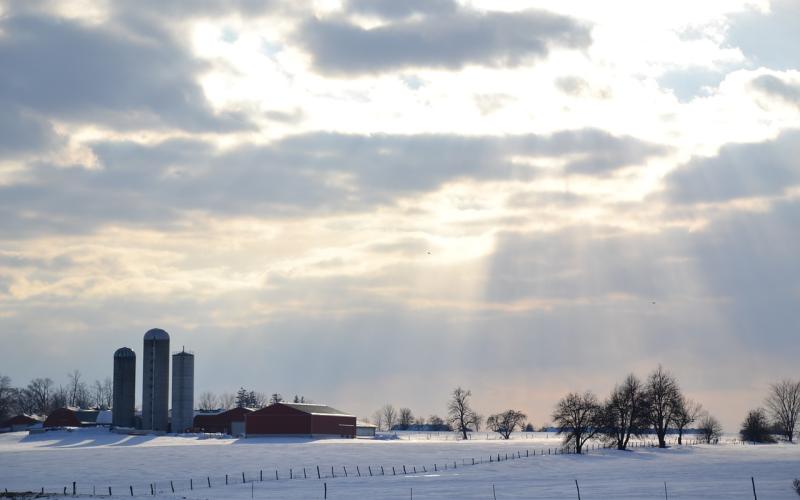
In 2018, South Dakota saw the typical weather extremes of all kinds. New Year’s Day 2018 started out with record cold temperatures and wind chills; the year ended with a blizzard on December 31, with a lot of extremes in between.