Search
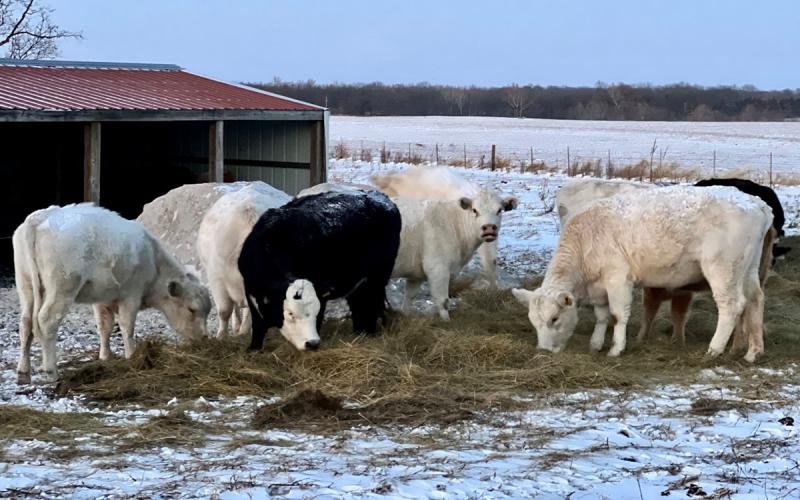
How to Interpret Forage Test Results
Forage testing is a management tool that both forage and livestock producers should incorporate into their operations. Knowing the quality of the feed being provided allows producers to meet livestock nutritional needs more accurately and cost-effectively.

SDSU Basis Report: Monitoring Agricultural Market Dynamics
The SDSU Basis Report application provides an interactive platform for monitoring basis values, representing the difference between the cash price paid for grain locally and the nearby futures price.

Cost-effective and Balanced Cow Rations
Before buying "cheap" feed, it is important to ensure that it will be cost-effective when creating balanced rations for the winter. Learn some things to consider before purchasing.
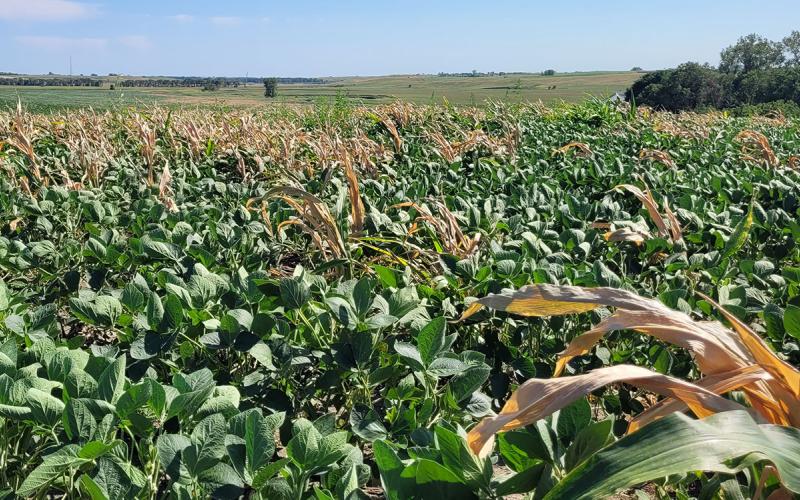
Stalk Grazing to Combat Volunteer Corn
Fall aftermath grazing by livestock, particularly cows, can dramatically reduce the amount of volunteer corn in the field. Learn some key benefits that stalk grazing can bring to your operation.
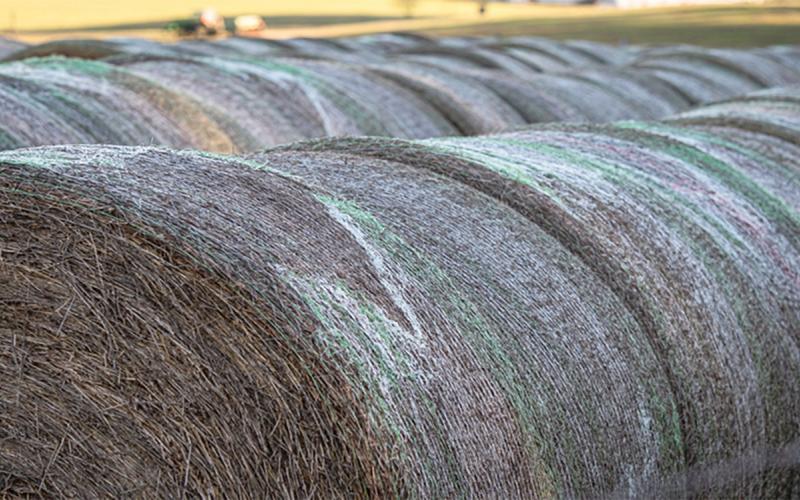
Best Management Practices for Reducing Dry Hay Storage Loss
When hay prices are high, proper storage is financially important. Learn some best management practices to reduce storage loss and ensure an adequate forage supply.
Does the GREET Carbon Model Address Soil Health Principles?
Learn how the recent Greenhouse Gases, Regulated Emissions, and Energy Use in Technologies (GREET) production model lines up with the Five Soil Health Principles.
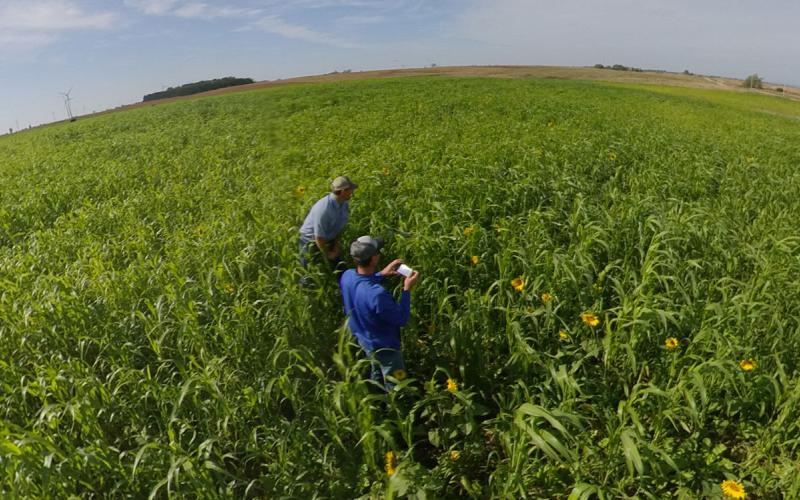
Does the COMET Carbon Model Address Soil Health Principles?
The COMET-Farm model, developed by USDA/NRCS and Colorado State University, is a whole farm and ranch carbon and greenhouse gas accounting system. Learn how it addresses the Five Soil Health Principles.
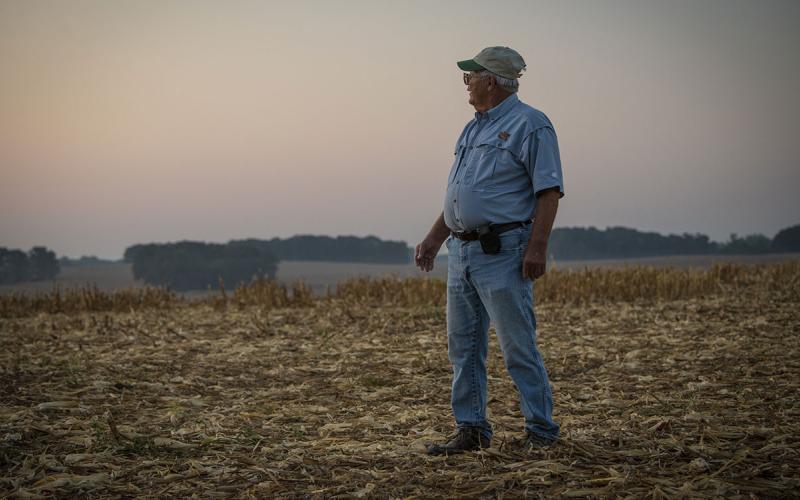
Farming Practice Comparisons in South Dakota: A case study across the fence and implications for the future
This extension study intends to provide some new insights on the financial and carbon storage comparisons between neighboring farms using conventional farming versus conservation practices (mainly no-till and cover crops).

Growing Connections: An Organizational Map of the South Dakota Local Food System
Behind every farmer’s market, community supported agriculture share, or local food event is a network of advocates, educators, and organizations that make it all possible. The South Dakota Local Food System map illustrates the organizations that strengthen local food through a variety of roles and functions.
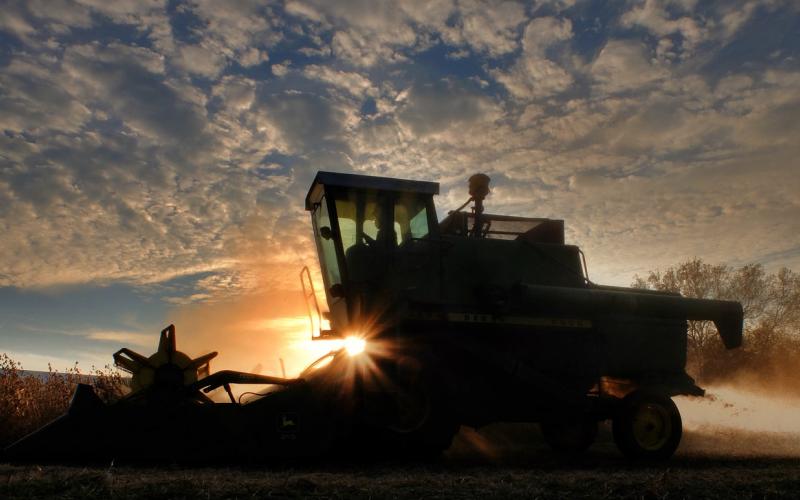
Trade Impacts on Soybeans
Agricultural trade agreements were first established in the General Agreement on Tariffs and Trade (GATT), legal treaty signed initially by 23 nations in 1947. The purpose was to promote international trade by reducing barriers such as tariffs.