Search
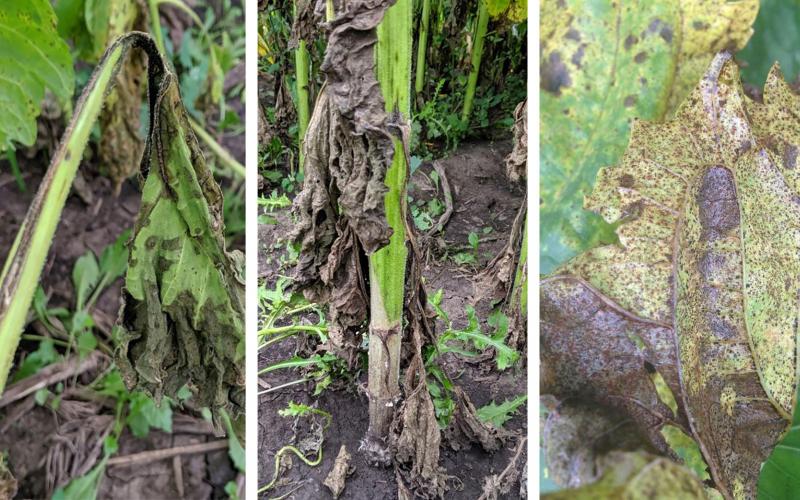
Bacterial Stem Rot, Sclerotinia Basal Rot and Sunflower Rust Developing in Sunflower
Sunflower scouted this week in Brookings and Kingsbury counties were found with bacterial stem rot, Sclerotinia basal rot and sunflower rust. This area has had plenty of moisture, which favors several diseases to develop in sunflower.
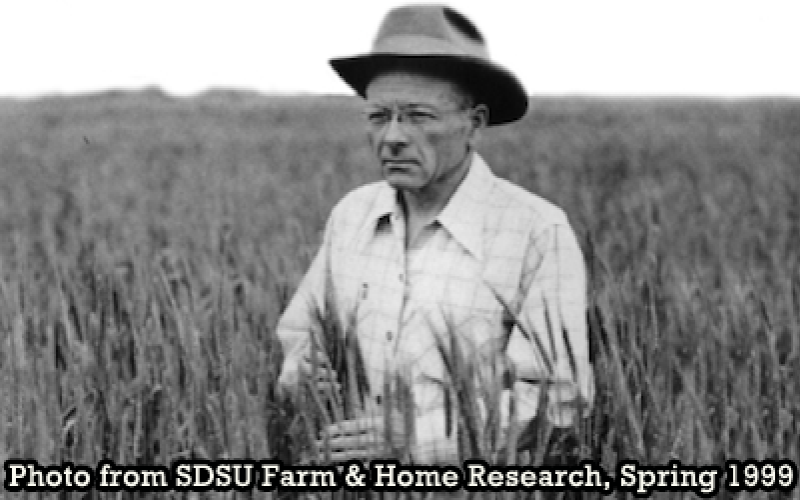
McFadden and Borlaug: Pioneering Rust-Resistant Wheat
During a brief period of time in the Dakota Territory in the late 1800’s, wheat acreage increased from just over 100,000 acres to well over a million acres. During one year in the height of this heyday, 1897, it has been stated that two-thirds of the world’s wheat was shipped from present-day Eureka, SD, and wagons bearing the crop rolled in from as far as 75 miles away.
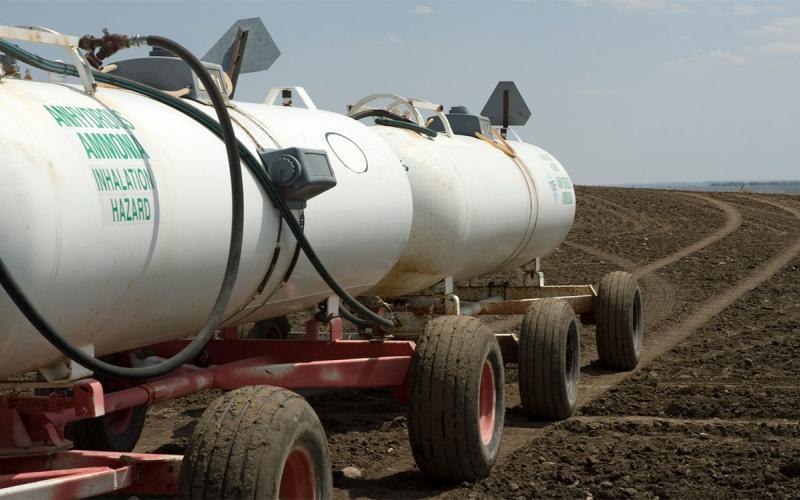
Determining an Economically Optimal Nitrogen Rate for Corn in 2022
While we can't know what the prices of corn and nitrogen fertilizer will be next year, it is very important to understand how the level of both prices will influence corn profitability for 2022.
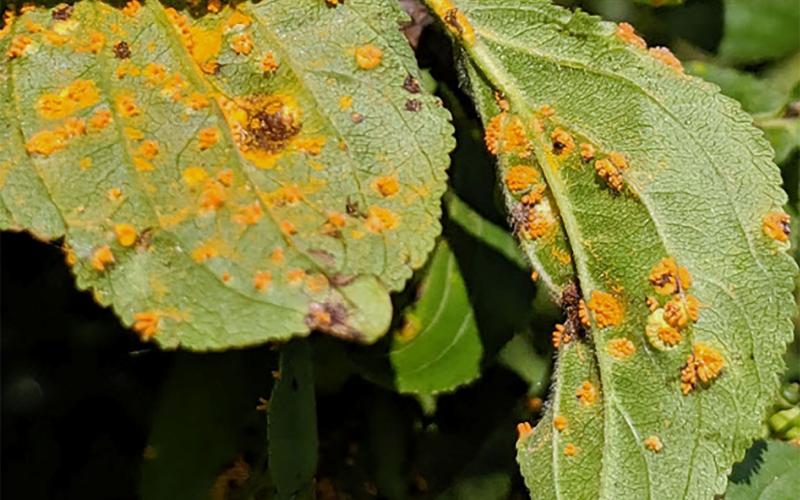
Oats Crown Rust Inoculum Abundant This Year
Crown rust is the most important fungal disease of oats in South Dakota. In years with heavy disease pressure, susceptible cultivars can have over 80% yield loss due to crown rust. The presence of crown rust inoculum on buckthorns can be an indication of the likely risk for crown rust to develop during the growing season. Buckthorns scouted recently were loaded with crown rust inoculum.
Thistle Caterpillars Showing Up on Canada Thistle
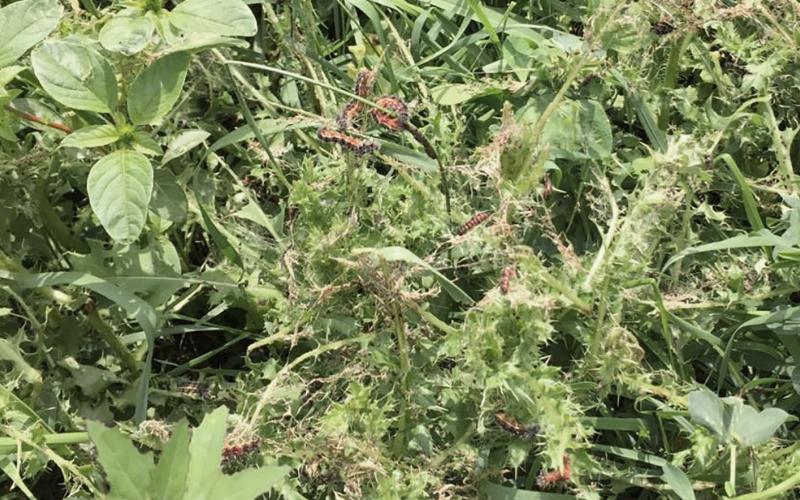
This week we received reports of caterpillars feeding on Canada thistle. After taking a look at the caterpillars, we determined that they are thistle caterpillars. However, we typically don’t see thistle caterpillar activity in S.D. until July or August. So why are they showing up so early this year?
New digital Fertilizer Recommendation Support Tool launches nationwide
April 11, 2024
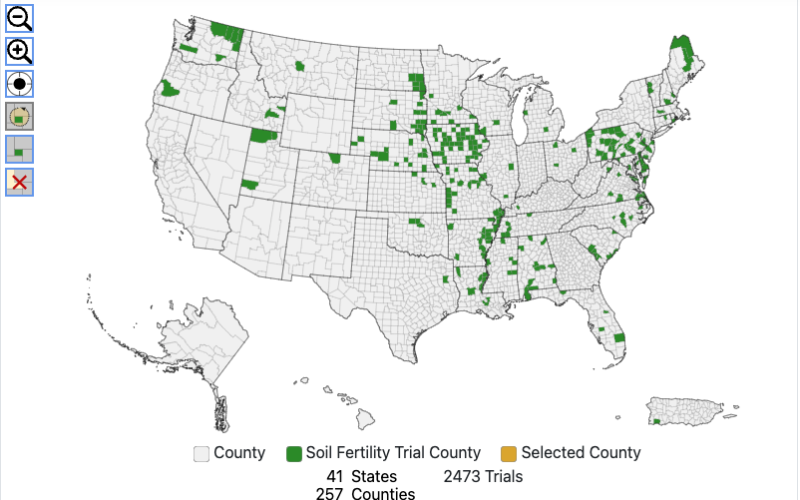
South Dakota State University Extension and project partners are proud to announce the nationwide release of the Fertilizer Recommendation Support Tool (FRST), a decision aid that provides an unbiased, science-based interpretation of soil phosphorus and potassium values for crop fertilization.
Corn Rootworm Presence in Cut Flowers
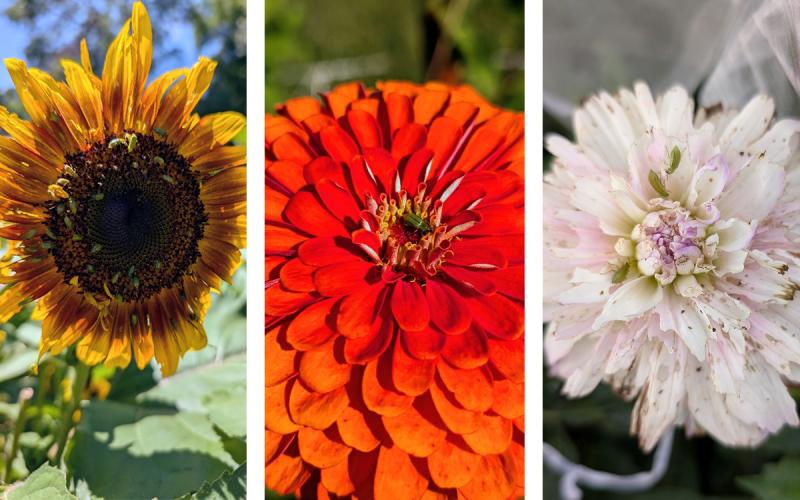
Multiple cut flower farms in Eastern South Dakota have reported corn rootworms on a variety of crops, including sunflowers, zinnias, and dahlias. Careful attention to species present, their timing, and the damage they cause can help inform integrated pest management strategies.

Grasshopper Mites in South Dakota
Fact sheet that covers the ectoparasite grasshopper mites.
Where could cyberattacks occur in a precision agriculture system? An outlook on the system breakup.
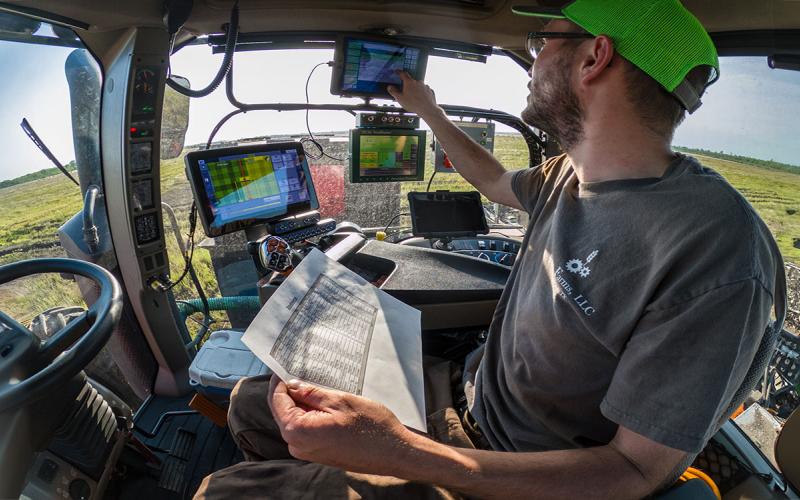
Precision agriculture relies on cyber-physical systems that bring together sensors, computers, the internet, and farm equipment. Despite its numerous benefits, it also brings some risks to farming practices.
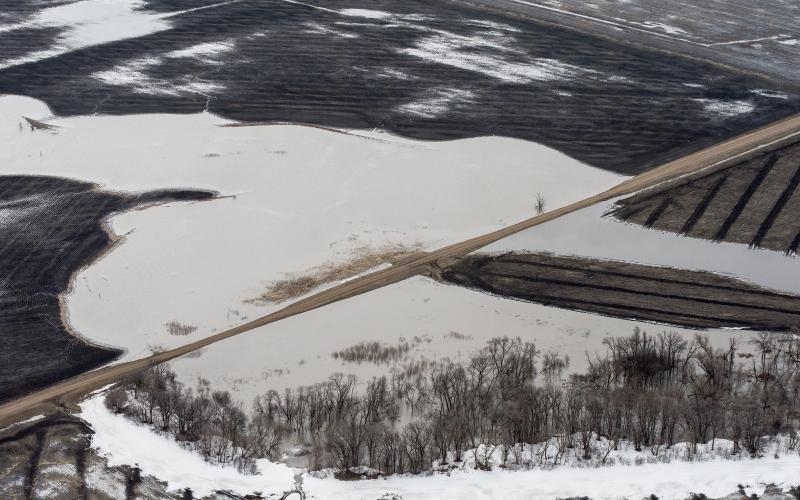
Managing Soil and Soil Fertility After Flooding
During floods, your fields will experience different amounts of erosion, sediment deposition, and crop residue accumulation. To avoid compaction of these soils it is crucial to let soils drain and dry out sufficiently before removing any large debris from fields or working the soil.