Search
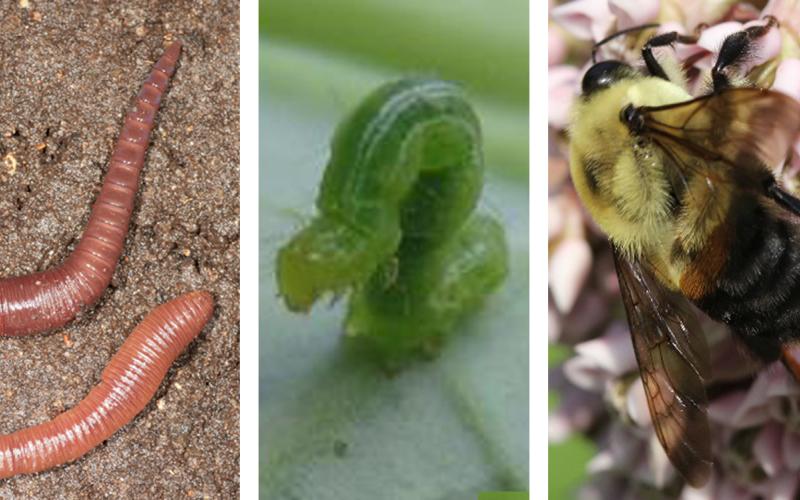
The Seen and Unseen World of Invertebrates and Vegetables: The good, the bad, and the cute
The seen and unseen worlds of invertebrates in our gardens offer an opportunity to understand how each organism plays a crucial role in the balance of our environment, whether they are good, bad, or even cute.
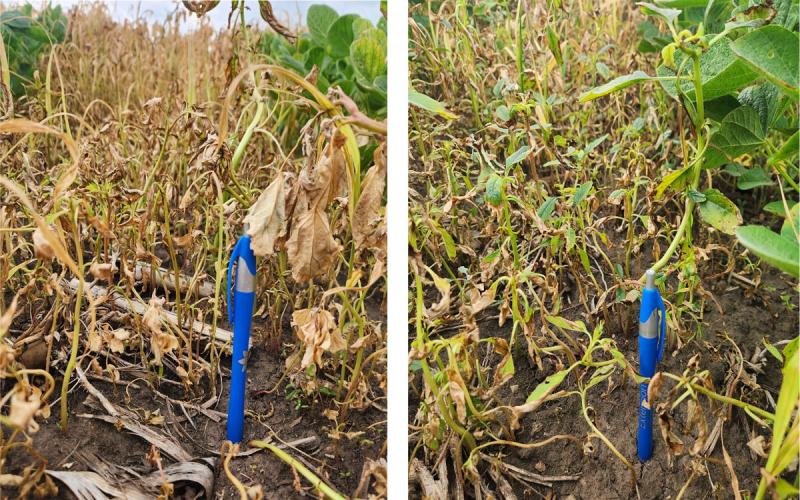
Clock tells the time of the day, not when the job is done. Is that true for weed management?
Common banter at the farm gate implies farmers work long days to get the job finished. However, weed management may improve if spraying stops at a particular time of day.
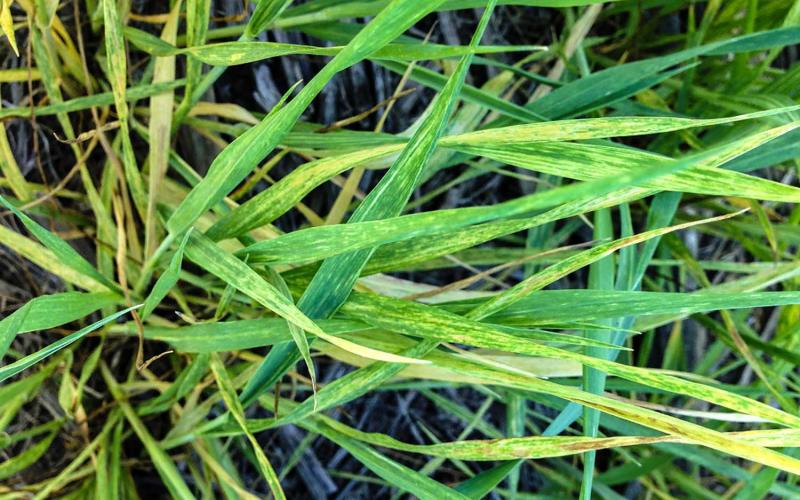
Wheat Streak Mosaic Disease Developing in Winter Wheat
Although the majority of winter wheat in the state is rated good to excellent in the recent USDA-NASS report, a few winter wheat fields in Central South Dakota have been diagnosed with wheat streak mosaic disease (WSMD) caused by wheat streak mosaic virus (WSMV).
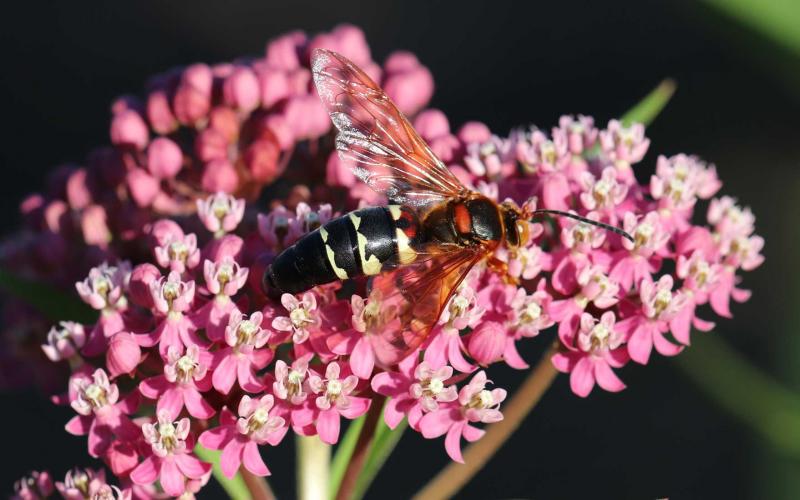
Cicada Killer Wasps Are Active in South Dakota
The cicada killer wasps are active in South Dakota, which means cicadas are probably not far behind. As their name implies, cicada killer wasps use cicadas as a food source. They can present an impressive spectacle if you observe one carrying a paralyzed cicada from a tree.
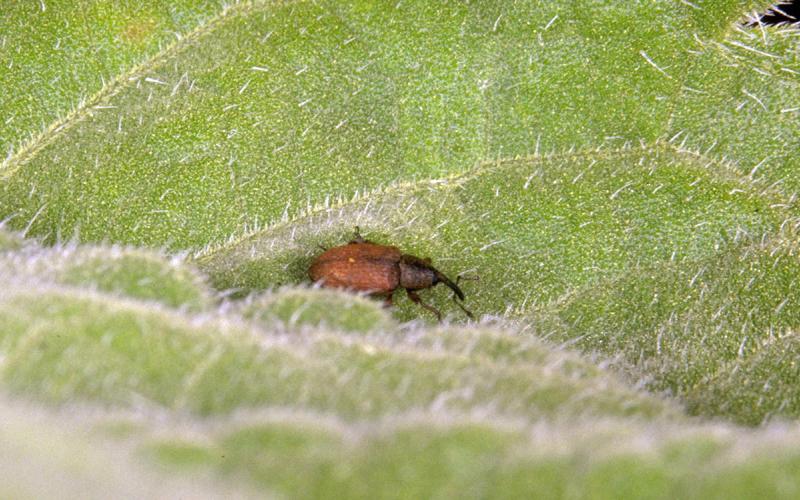
Malathion: Emergency crisis exemption for red sunflower seed weevil in South Dakota from Aug. 16-31
An emergency crisis exemption for Malathion has been approved for red sunflower seed weevil control in sunflowers in South Dakota from August 16-31, 2023. Learn everything you need to know before applying it to sunflower crops before the deadline.
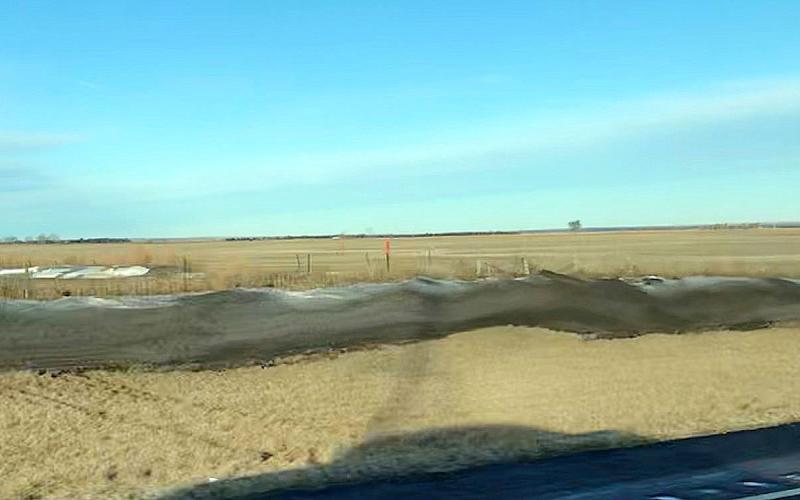
“Snirt” and How To Minimize It
Blowing soils, dust storms and “snirt” (snow with dirt on it) are frequent challenges during dry, windy winters. Learn some soil health principles to limit erosion and minimize snirt on field edges this planting season.
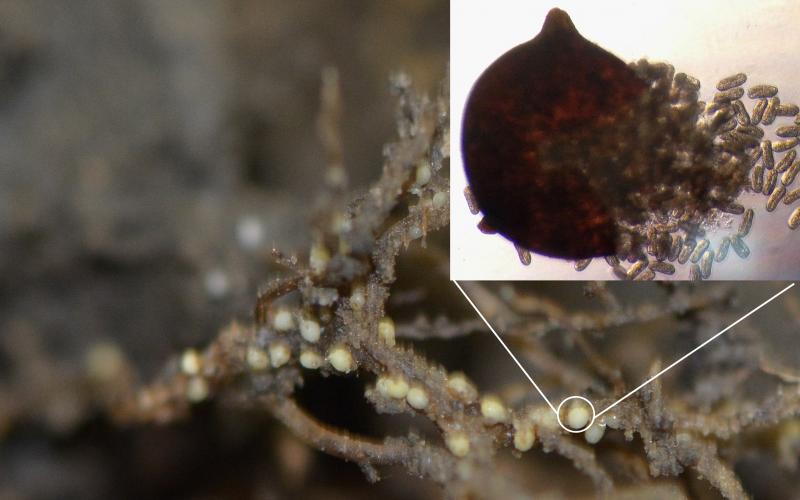
Test Your Soil for the Soybean Cyst Nematode (SCN) This Spring
The soybean cyst nematode (SCN) is a major soybean pathogen that causes significant yield loss. Fields that were not tested for SCN last year can still be sampled this spring to determine the presence of SCN or SCN population changes if testing was done in the past.
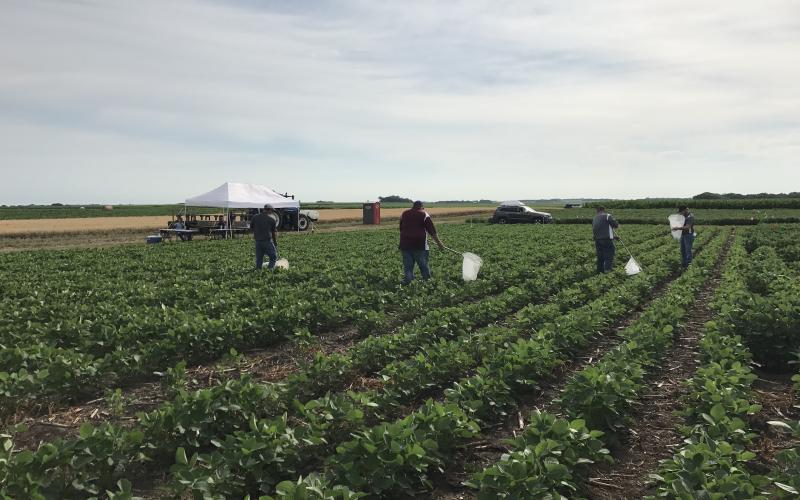
SDSU Extension to Offer Integrated Pest Management Field School Online
July 30, 2021
South Dakota State University Extension will kick off its 13th annual Integrated Pest Management (IPM) Field School Aug. 1.
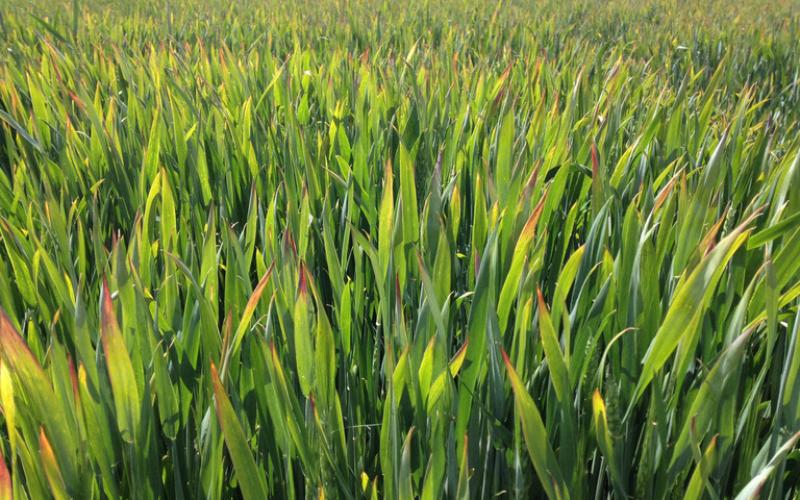
Grass Diseases of South Dakota Identification Guide
Common grass disease identification guide.
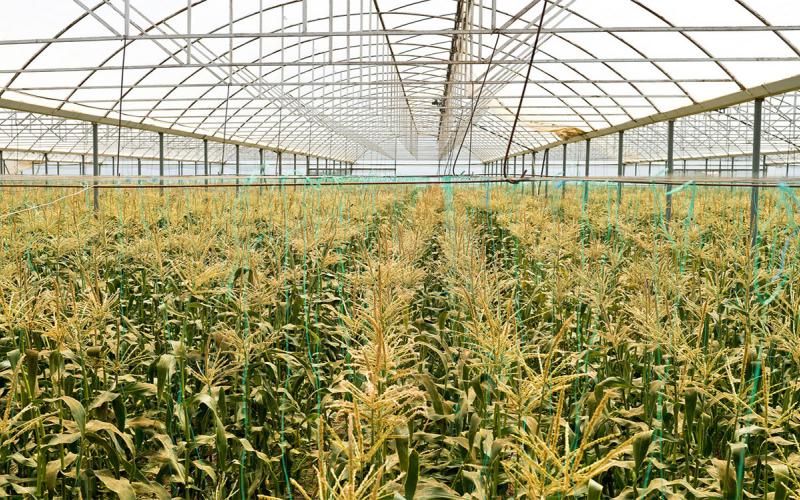
Consumer Demand for Genome-Edited Crops: Implications for Farmers’ Adoption Decisions
Genome-editing is a breakthrough technology for crop improvement that makes site-specific modifications in the genomes of cells and organisms.