Search
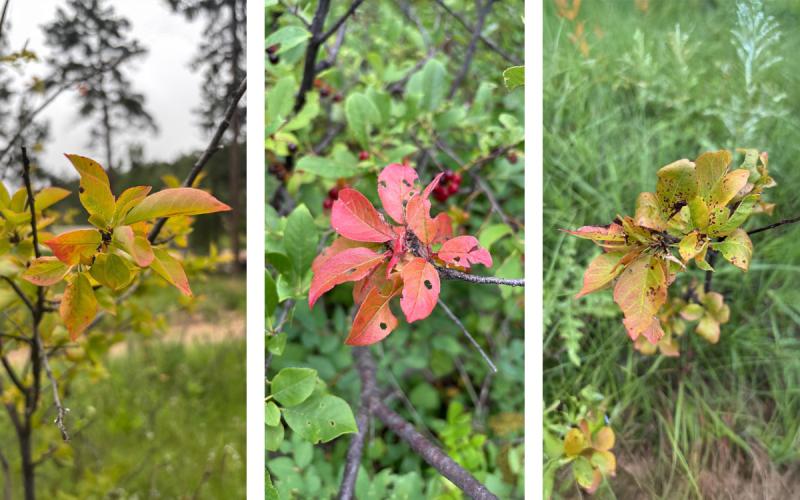
X-Disease in Chokecherries
X-disease is the name given to a set of diseases caused by a strain of the bacteria “Candidatus Phytoplasma pruni” that primarily affects stone fruits. Infected plants will typically display yellowing or reddening of their leaves by mid summer.
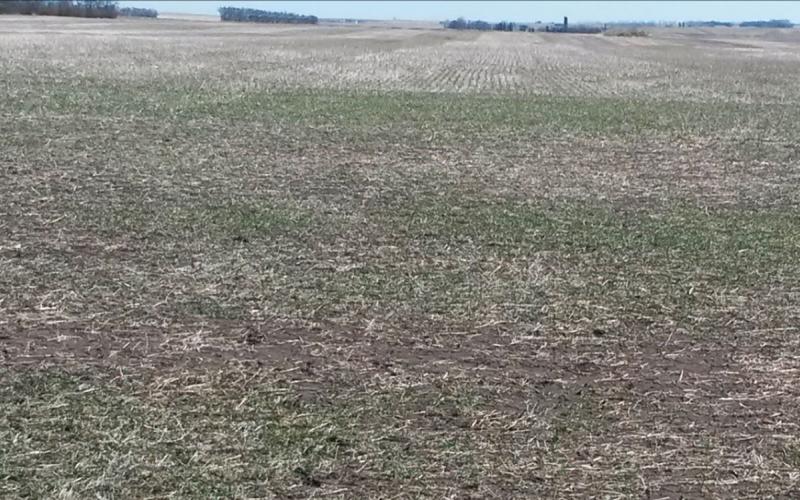
Winter Wheat Planting Considerations
As we move into fall, winter wheat growers often ask, "What is the best time to plant winter wheat?" If planted too early, winter wheat can develop disease and insect problems. If planted too late, it can get winter killed.
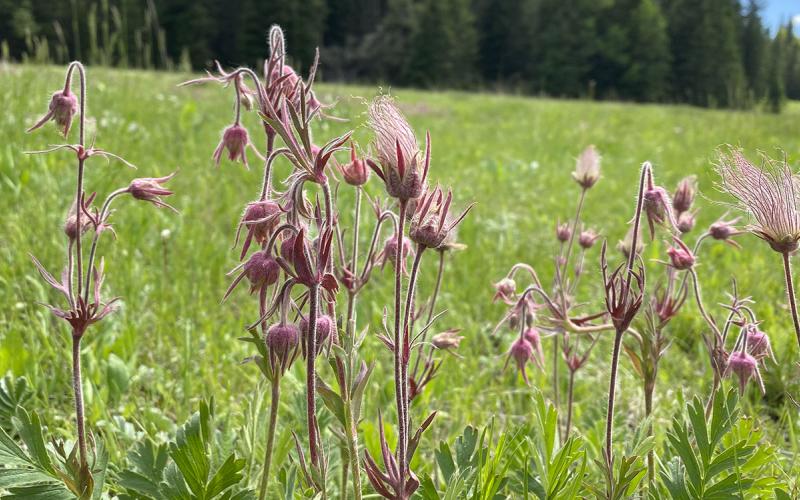
Native Plants to Know: Prairie Smoke (Geum triflorum)
Geum triflorum or Prairie Smoke (Rosaceae) is a flowering, herbaceous (non-woody stem) perennial, native to North American prairies known for its distinctive nodding and wispy flowers that resemble plumes of smoke
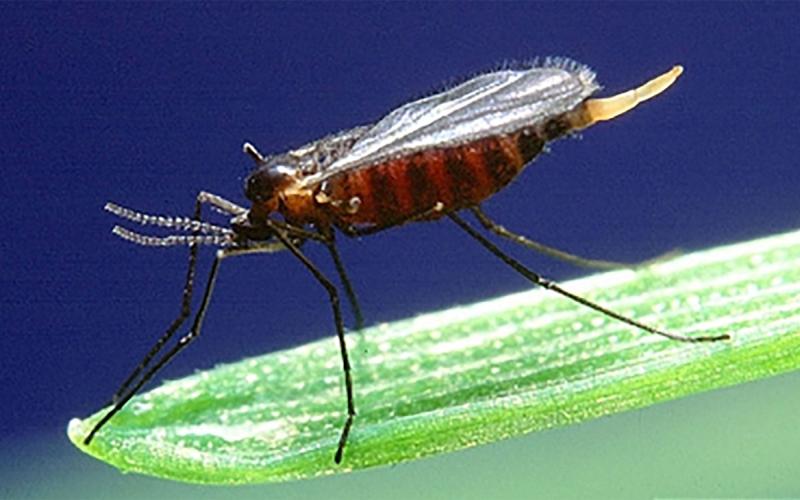
Hessian Fly: Preventing Outbreaks in Wheat
Hessian flies (Mayetiola destructor) are tiny, gnat-like flies. Their larvae are considered serious pests of wheat and occasional pests of barley and rye.
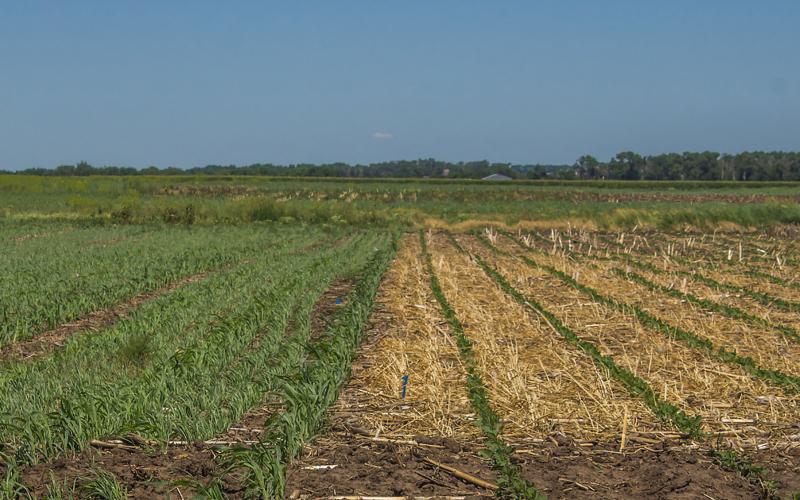
Crop Residue, Cover Crops Impact on Soil Health Parameters
Interest in no-till and cover crops has been on the rise among South Dakota crop producers. In 2019, half of South Dakota crop ground was under no-till management and about 900,000 acres were planted to cover crops.
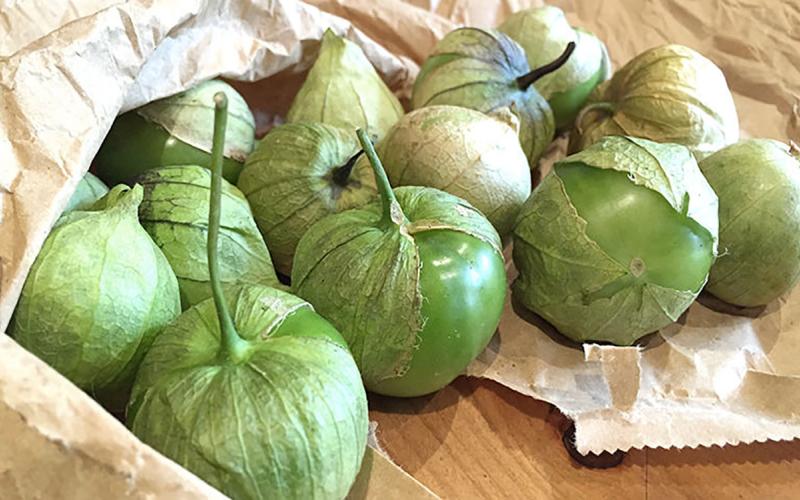
Tomatillos: Harvest and Storage
Tomatillos are an annual, warm-season crop with requirements similar to tomatoes. Learn how to select, grow, harvest and store them with this helpful guide!
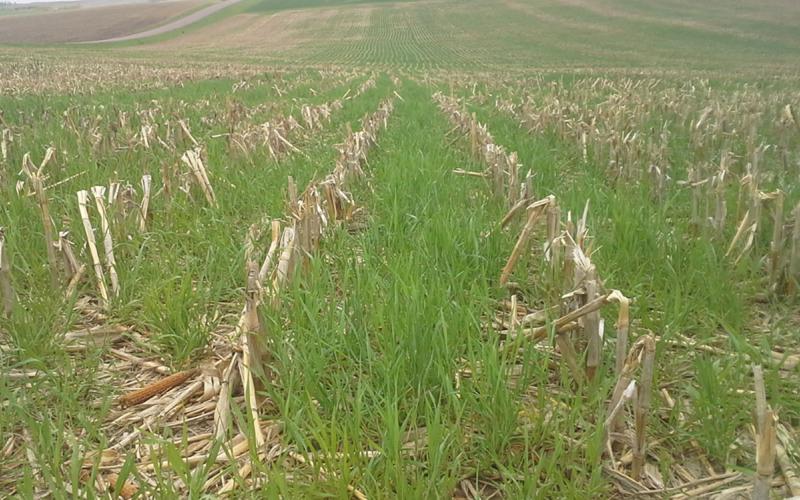
Thinking Cover Crops? Winter Rye Between Corn and Soybean
Although the 2021 growing season in has been impacted by widespread drought and record-high temperatures, recent rain events have brought planting cover crops back into the conversation.
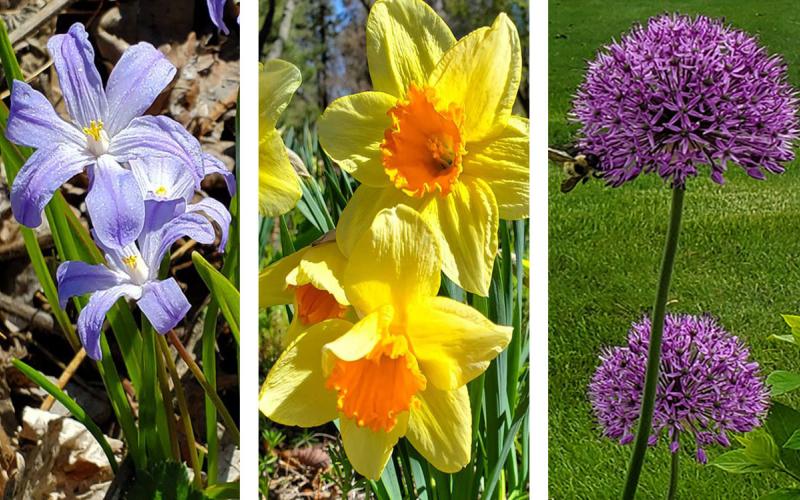
Bulbs to Plant in the Fall
Fall is the time to plant cold-hardy bulbs in South Dakota gardens. This will ensure that your landscape will have a variety of color, size, and bloom types the following season.
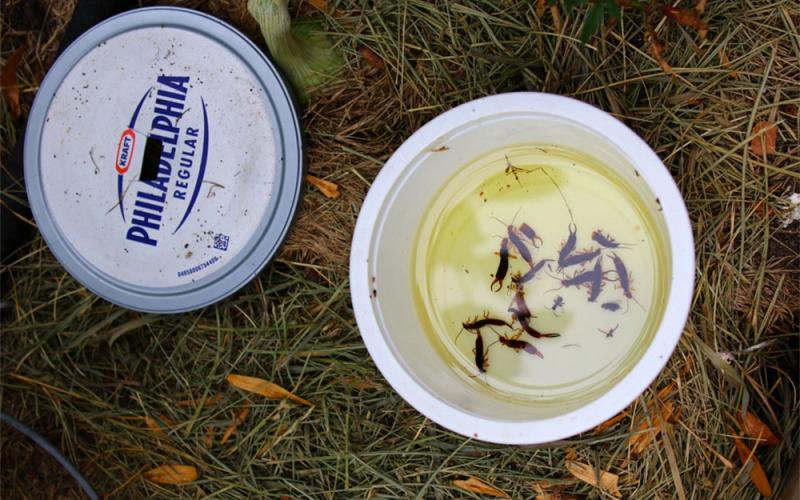
Earwigs in the Garden: Less-Toxic Control Alternative
Since earwigs provide some ecological service as natural enemies, I hesitate to recommend a pesticide application to control it. As an alternative least-toxic solution, bait trapping the earwigs should work to reduce the insect’s population to the non-threatening levels.
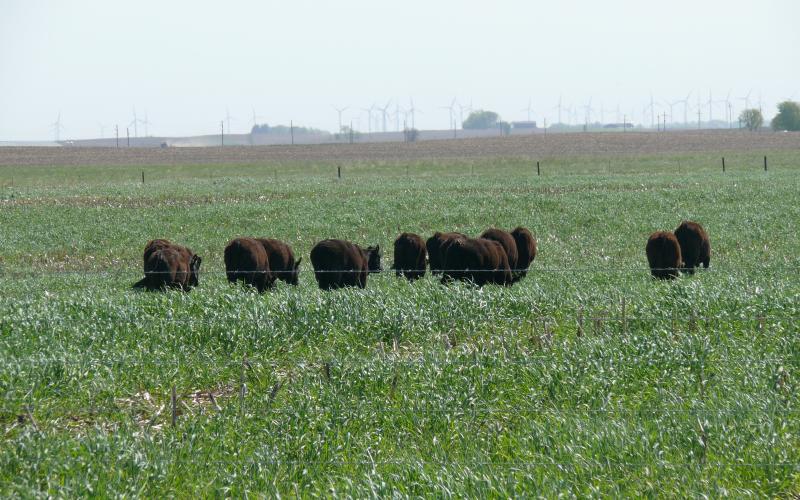
Cover Crops & Livestock Integration: A Profit Opportunity for S.D. Farms
Cover crops have been gaining a reemerging acceptance over the last decade, with very few producers disagreeing about the potential soil health benefits of adding cover crops to their farming operation.