Search

Creating Management Zones Using Electrical Conductivity
The first step to practicing zone management is to identify the variations that control yield. There are various methods for characterizing soil variations within a field, and among them, electrical conductivity measurement is one of the most-reliable.

Rhoda Burrows to retire after 24 years with SDSU Extension
June 16, 2025
Rhoda Burrows, professor and South Dakota State University Extension Horticulture Specialist, is retiring after 24 years with the organization.

Are Fungicides Needed on Crops Damaged by Wind, Sand Blasting or Hail?
When extreme weather brings hail and sand blasting to fields, many growers wonder if a fungicide application is needed afterwards to protect wounded plants from bacterial diseases.
SDSU Extension to host third annual Specialty Crop Field Day in Brookings
September 06, 2023
South Dakota State University Extension’s horticulture team invites everyone to attend the 2023 Specialty Crop Field Day.
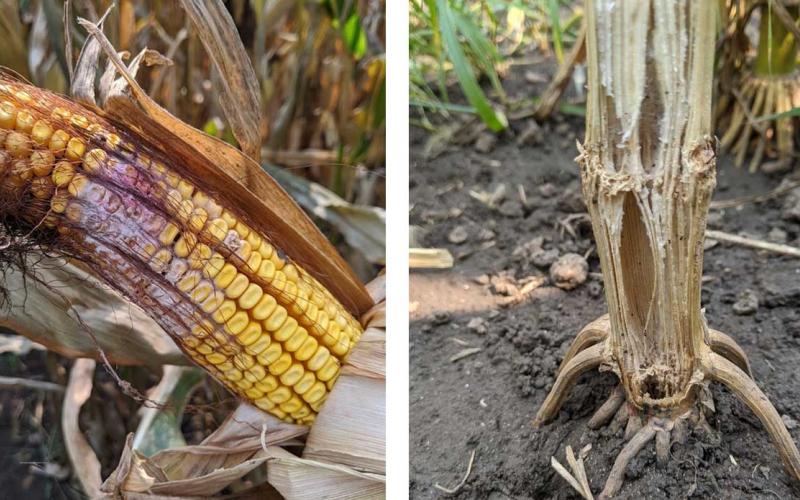
Corn Ear Rots and Stalk Rots: The Last Issues To Check for in Corn Before Combining
Before combining corn, it is recommended to scout your field for corn ear rots and stalk rots. It is important to scout corn fields for these two issues in order to make timely decisions on corn combining.
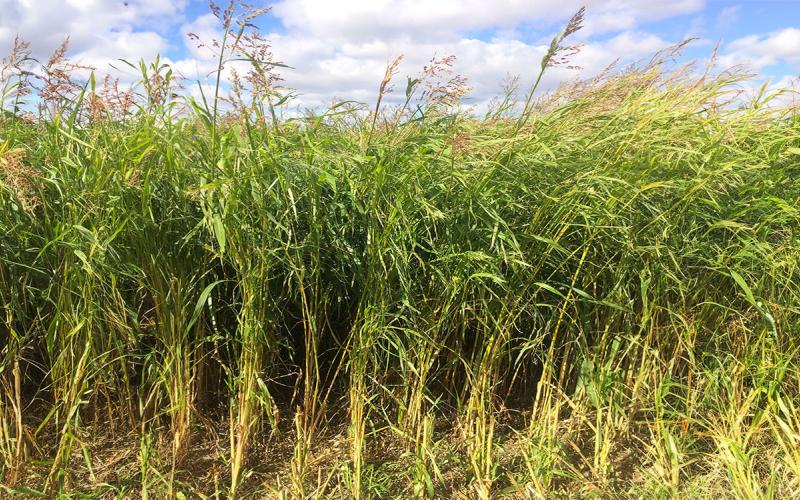
Your Cash Crop Flooded Out. What’s Plan B?
With significantly higher than normal precipitation in eastern South Dakota, many producers will soon be seeking a "Plan B" for their flooded-out row crops.

Frost and Freeze Impacts on Plants
Farmers and gardeners often use the terms frost and freeze interchangeably, but the two are not the same. Understanding these differences, along with the ways frost and freeze impact spring planting, can help protect farms and gardens.
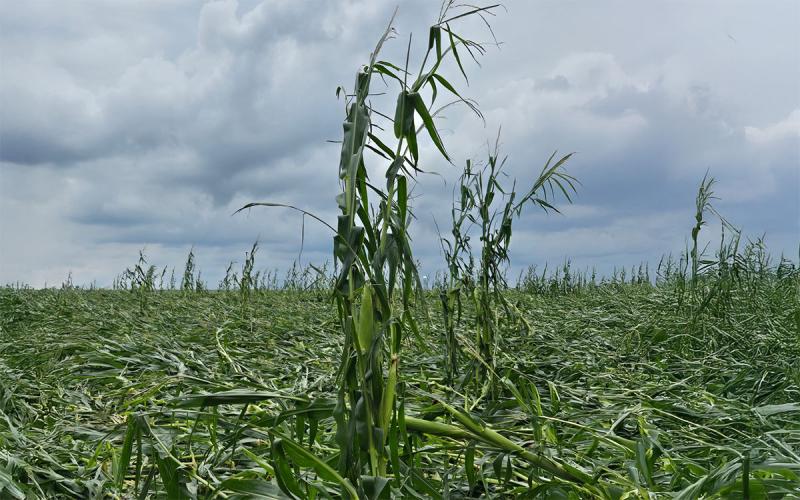
Are Fungicides Needed On Hail-Damaged Crops?
Recent storms brought rain, severe wind, and hail. With the hail and wind damage that occurred, many growers are wondering if a fungicide application is needed to protect their hail or wind-damaged crops.
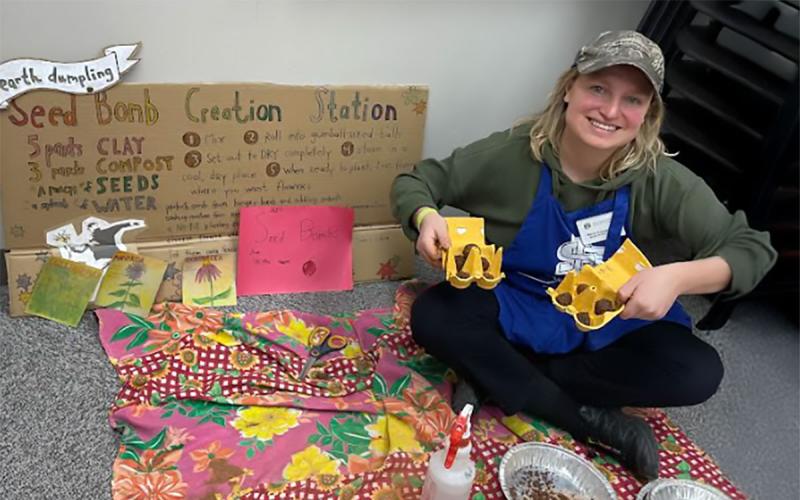
How to Organize a Seed Swap
A seed swap is a gathering of people who come together to share seeds, including vegetables, herbs, and flowers. Learn some tips on planning a seed swap event to help build excitement for the upcoming growing season!
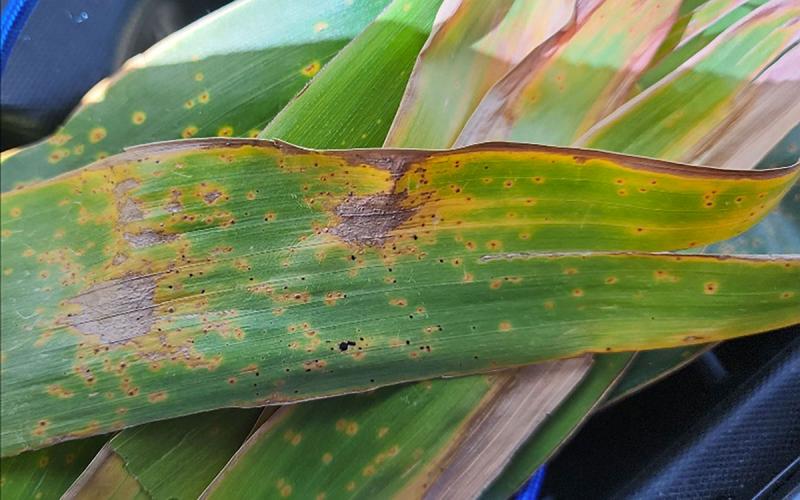
South Dakota Tar Spot Update: September 30, 2024
As of September 26, 2024, our researchers have confirmed the presence of tar spot in 25 counties across the eastern half of South Dakota. The severity of infection has varied anywhere from less than 1% to approximately 20% on individual corn plants.