Search
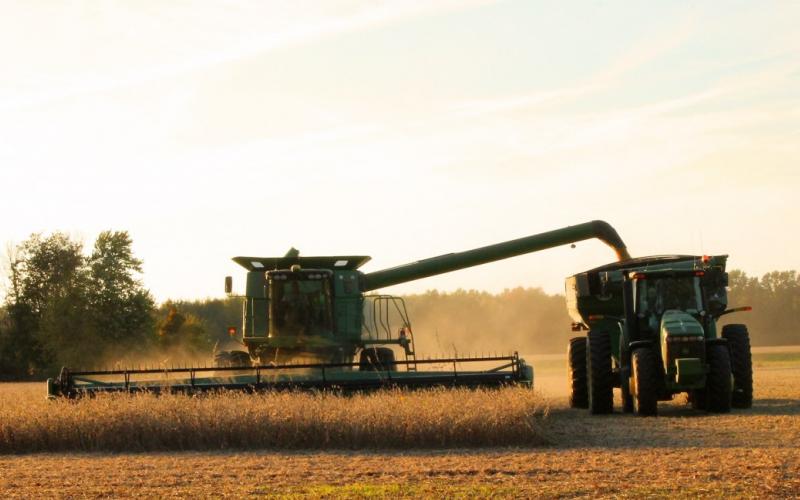
Evaluating the Economic Consequences of Possible Section 199A(g) Expiration of Agricultural Cooperatives in the Upper Midwest
A comprehensive evaluate of the potential economic impact of Section 199A(g) deduction sunsetting on agricultural cooperatives and rural communities.
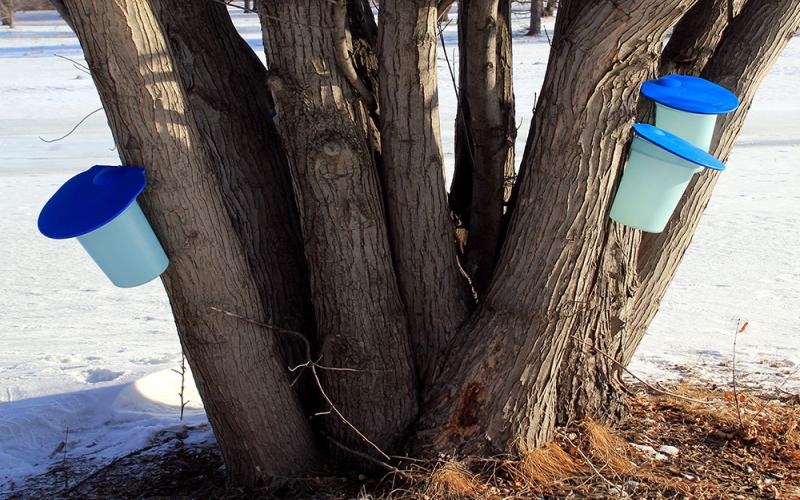
Tapping Maples for Sap
Fact sheet on how to tap maple trees for sap.

Lady Beetles of South Dakota
A guide for monitoring, properly identify, and promoting the growth of lady beetles.
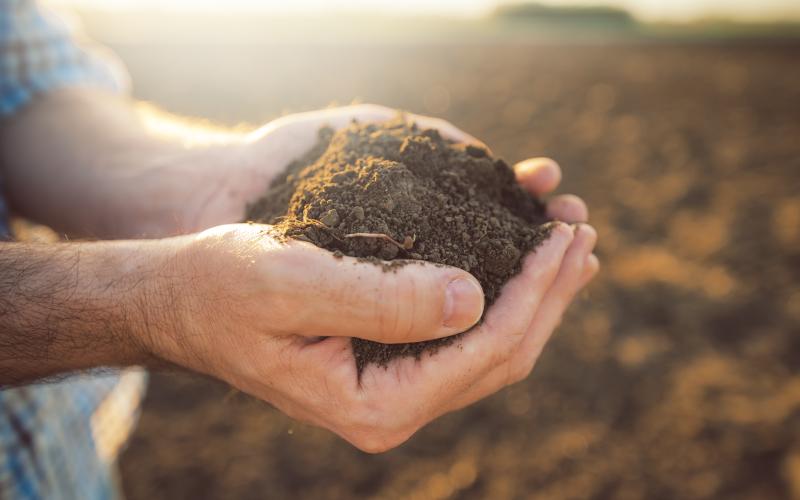
Transitioning to Soil Health Systems in Eastern South Dakota Intended for beginners: Where do I start?
Fact sheet for beginners on where to start transitioning to soil health systems in eastern South Dakota.

Cyber Insurance for Agriculture
Fact sheet about cyber insurance for agriculture
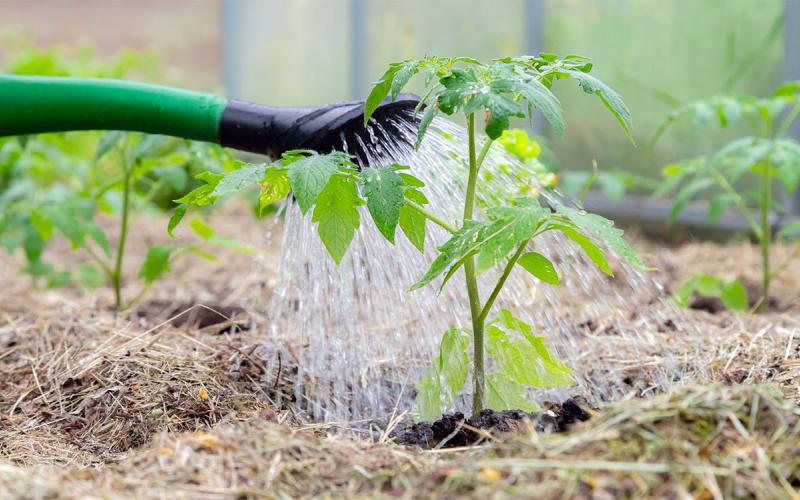
Microbial Water Testing for South Dakota Producers
Microbial water testing is important for produce growers to know the quality of their water to help ensure the safety of the fruits, vegetables, and herbs they produce.
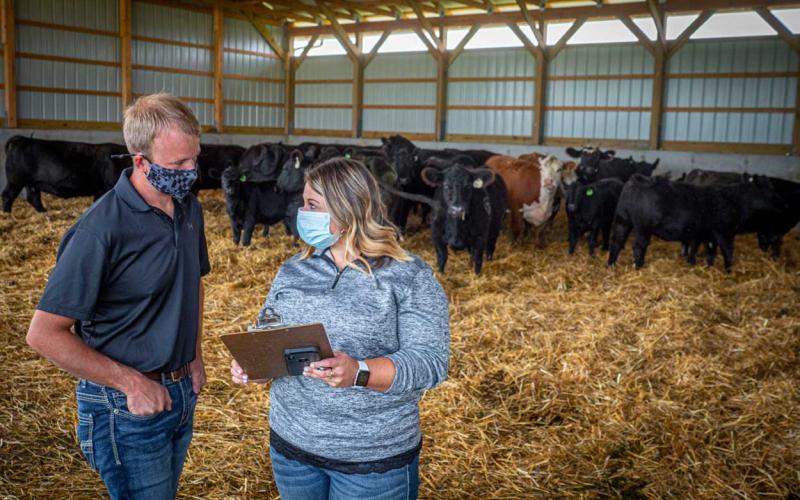
COVID-19 Tips for Farms and Ranches
Continuing to keep employees and family members healthy through the COVID-19 pandemic will require extra effort as you enter the busy time of fall harvest.
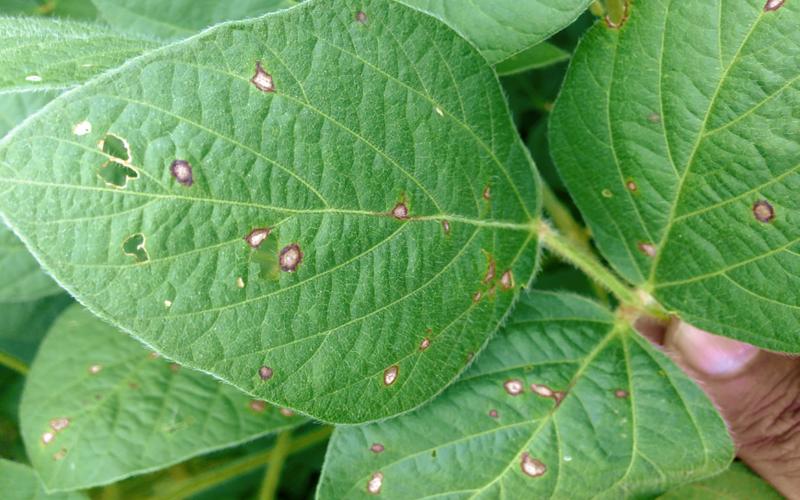
Frogeye Leaf Spot Developing in Soybeans
Frogeye leaf spot, also known as Cercospora leaf spot, was found in several soybean fields scouted the week of August 19, 2019. Frogeye leaf spot is characterized by irregular to circular lesions, which are tan-to-gray in color with reddish-purplish borders.
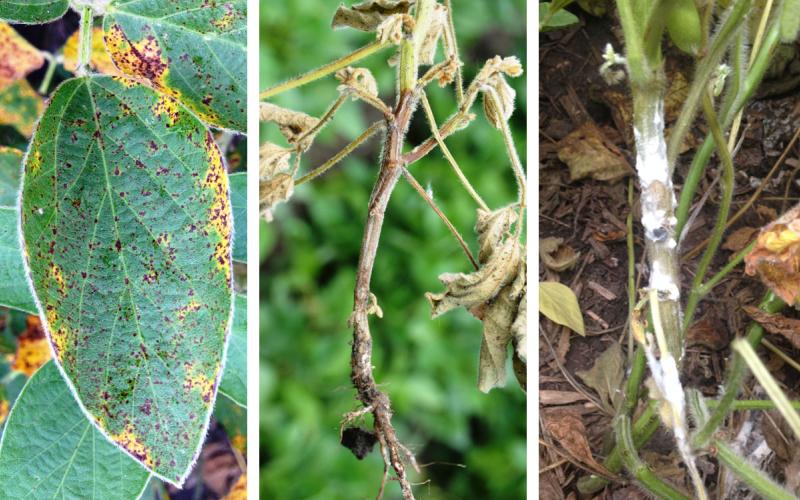
Mid-to-Late Soybean Disease Management
Even though it has been hot and humid this summer, some soybeans around the state have seen ideal conditions for mid-to-late season disease development. Learn some common diseases to scout for.
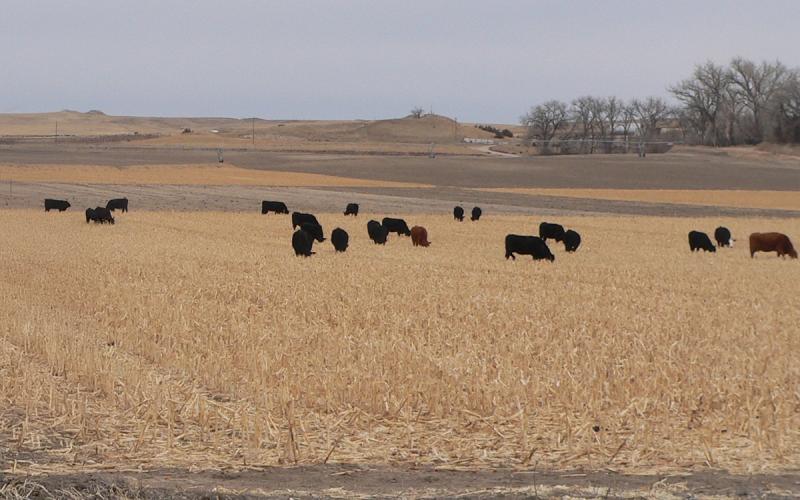
Why Cropland Grazing Now?
The evidence is consistent: cropland grazing delivers measurable economic returns, proven soil health benefits, and growing adoption in South Dakota.