Search

Start Scouting for Grasshopper Activity in Crops and Grasslands
Most of Eastern South Dakota is experiencing very low grasshopper populations. However, this is not the case for many areas in Central and Western South Dakota.

Southern Rust, Bacterial Leaf Streak, and Eyespot Are Developing in Corn
Southern rust was found in Yankton County, bacterial leaf streak was found in Brule County, and eyespot was found in several fields and counties the week of July 27, 2020.
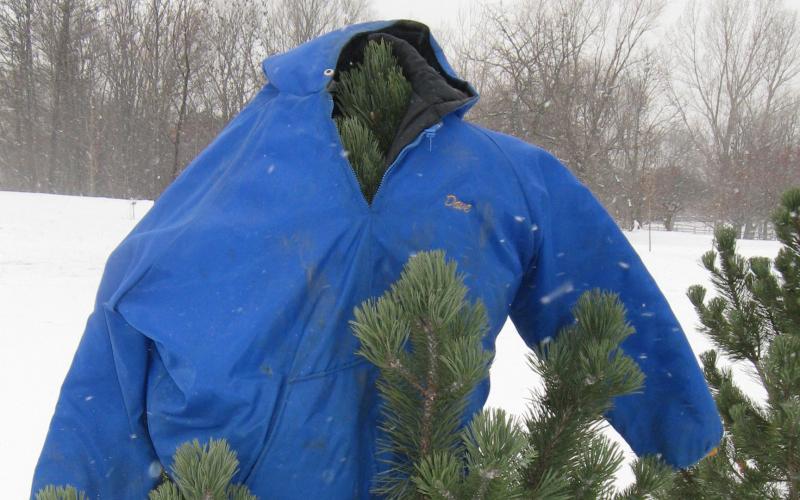
It's Cold! How Can Our Plants Trees and Shrubs Withstand It?
The Northern Great Plains have experienced colder than normal weather over first few weeks of December. Cold temperatures certainly do affect our plants but there are some important differences.
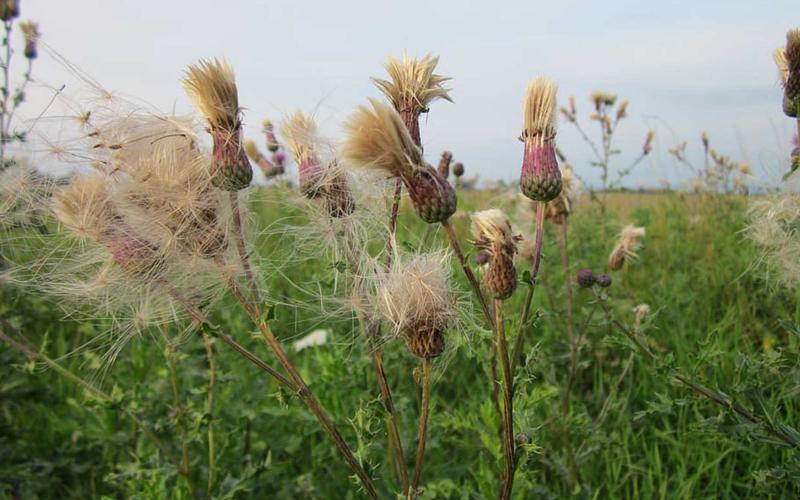
Dense Seeding Can Reduce Canada Thistle in Planted Grasslands
Canada thistle is a common invader in grassland plantings. Over the past decade, researchers and land managers have experimented with controlling Canada thistle in planted grasslands through increasing competition from desirable plants.
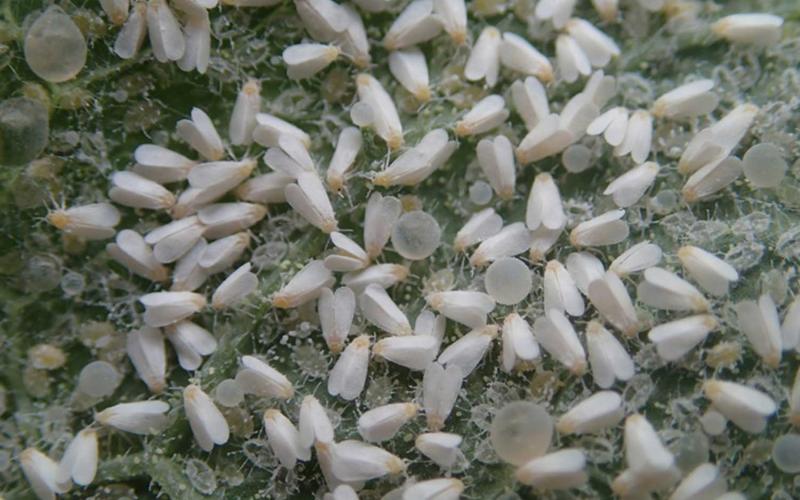
What Are These Small White Insects in My Soybean Field?
During the last two weeks we have received reports of increasing numbers of small white insects present on soybean. The insects in question are whiteflies.
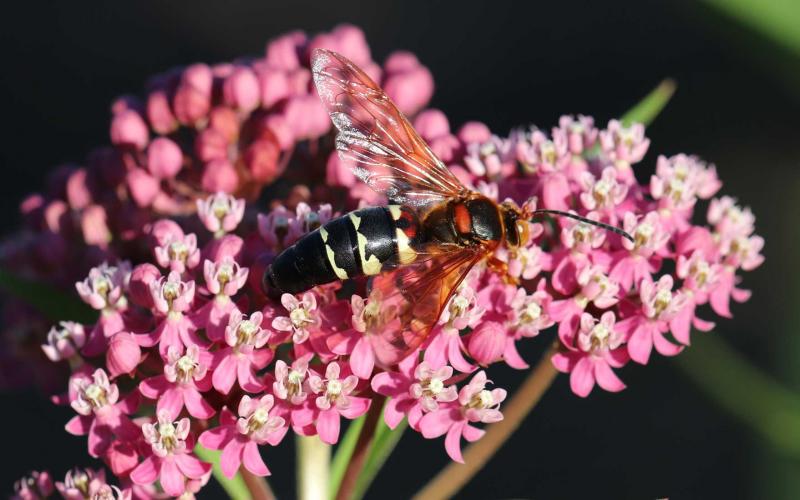
Giant Wasps Are Invading My Yard! No, They Still Aren’t Murder Hornets.
Every year we receive multiple reports of giant wasps that seem to invade yards and gardens. These wasps aren’t the same as the so-called "murder hornets," but are actually cicada killer wasps.
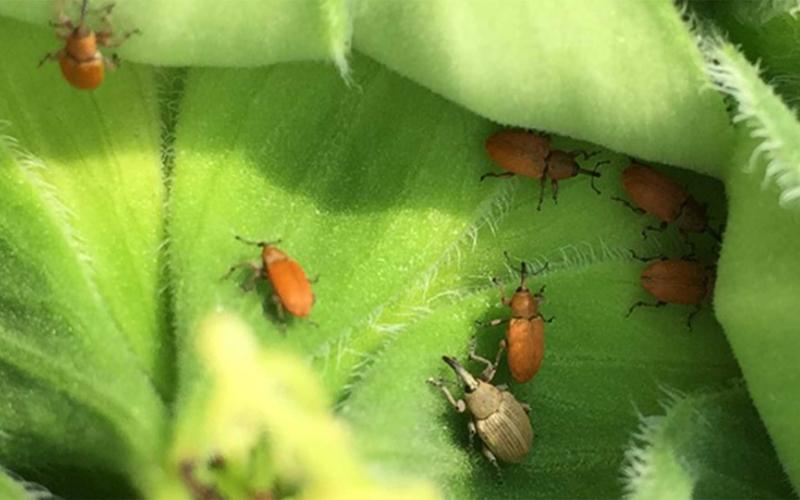
Identifying Red and Gray Sunflower Seed Weevils
When scouting sunflower, the most observed weevil is the red sunflower seed weevil. However, there are two species of seed weevils that can be present on sunflower heads in South Dakota.
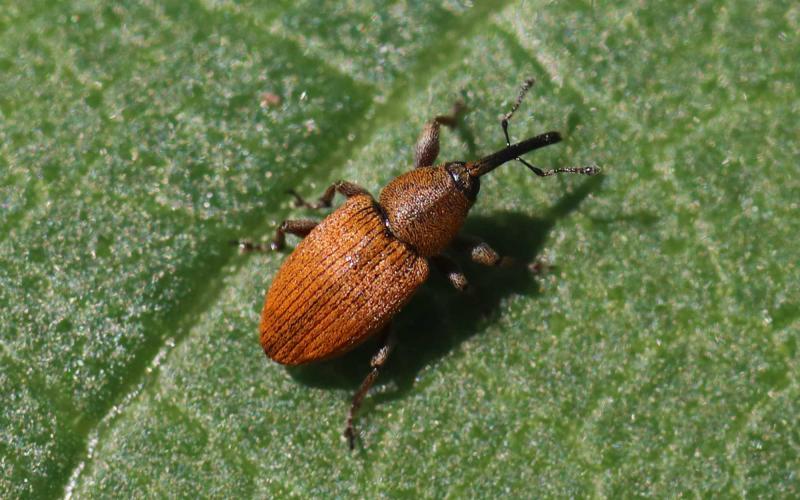
It’s Time to Start Scouting for Red Sunflower Seed Weevils
In South Dakota, sunflower flowering is getting underway. That means it is time to start scouting fields for red sunflower seed weevils.
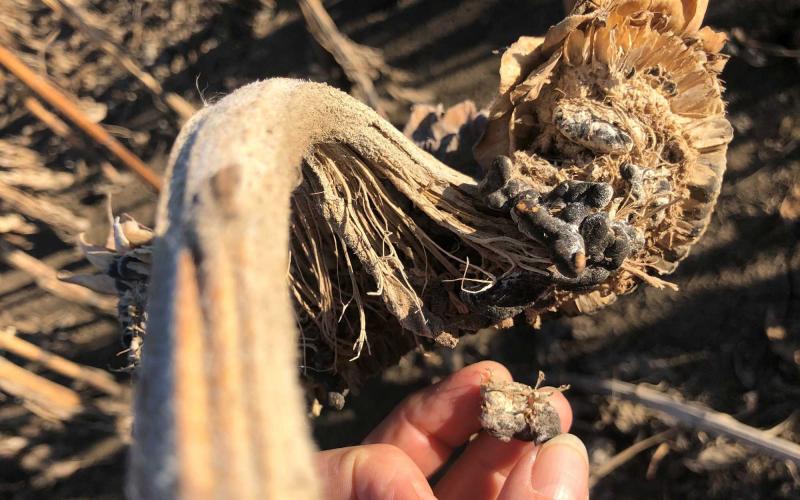
Sclerotinia Concerns in Sunflower
Sclerotinia diseases are a concern in sunflowers, because the fungus can infect the plant through the root, mid-stalk or the head. Wet weather and cool temperatures two-to-three weeks prior to and during flowering favor disease development.
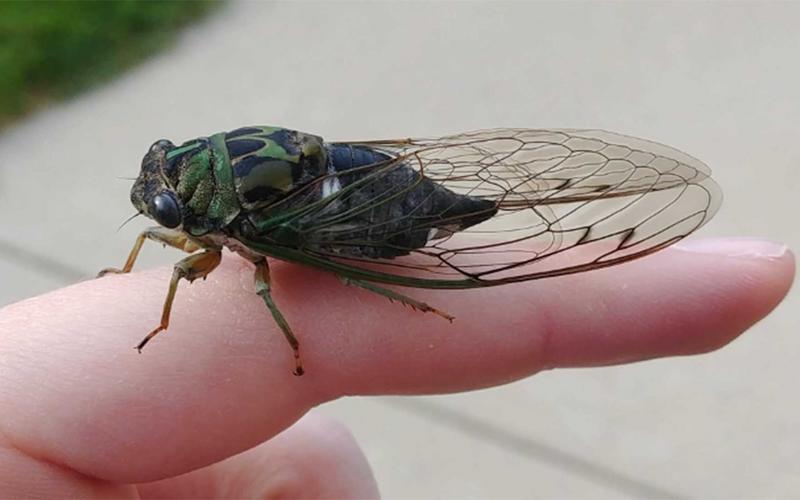
What’s Buzzing in the Trees?
Each summer we hear a droning buzz that comes from the trees. Many residents of South Dakota attribute this noise to locusts. But that isn’t what is making the buzzing sound! The insects responsible for the buzz are actually called cicadas