Search
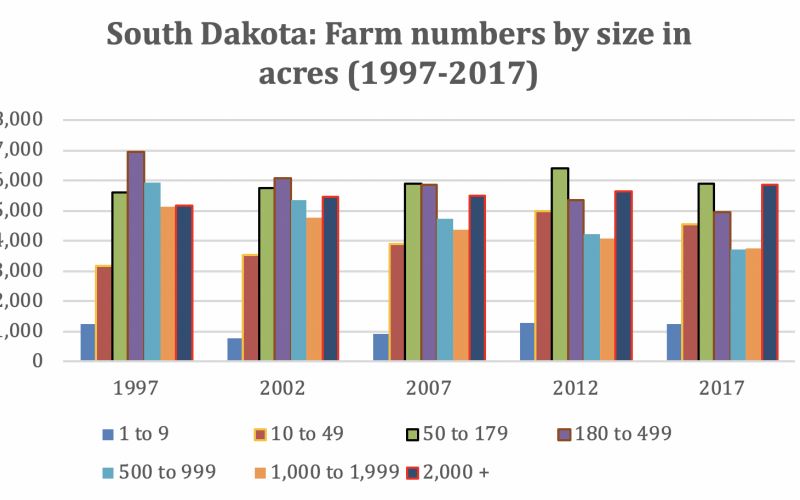
Farm Size in South Dakota: Where Are We Heading?
Agriculture is going through some difficult times not only in the United States, but globally as well. Aside from some short-lived price hikes for different products, the overall trend has been to higher costs of production and lower output prices.
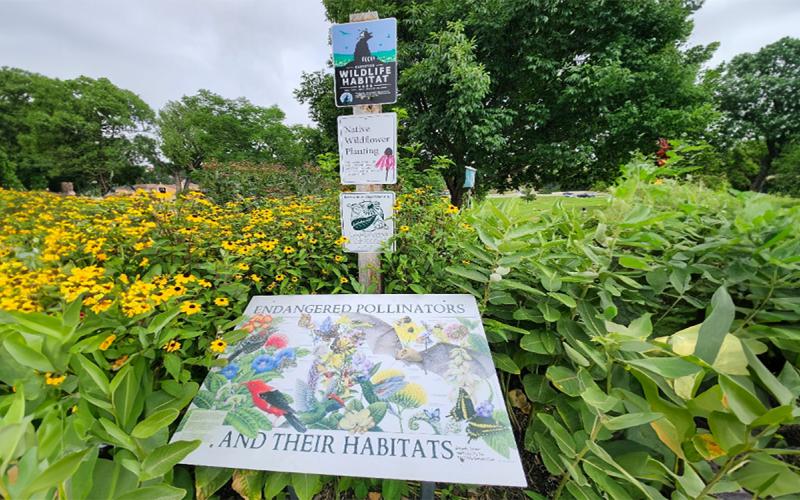
Funding Opportunities for Small-Scale Pollinator Habitats: A Guide for Urban and Home Garden Projects
Learn about some of the many funding opportunities available for urban pollinator habitat projects of all sizes and scopes.
New Forage Association to Host Kick-Off Meeting in January
January 25, 2023
South Dakota State University Extension is proud to announce that the newly formed Northern Plains Forage Association will hold its first formal meeting this month during the Sioux Falls Farm Show.

Smart to Lead SDSU Extension Agriculture and Natural Resources Program
July 06, 2021
South Dakota State University Extension has named Alexander “Sandy” Smart as the new Agriculture and Natural Resources Senior Program Leader.
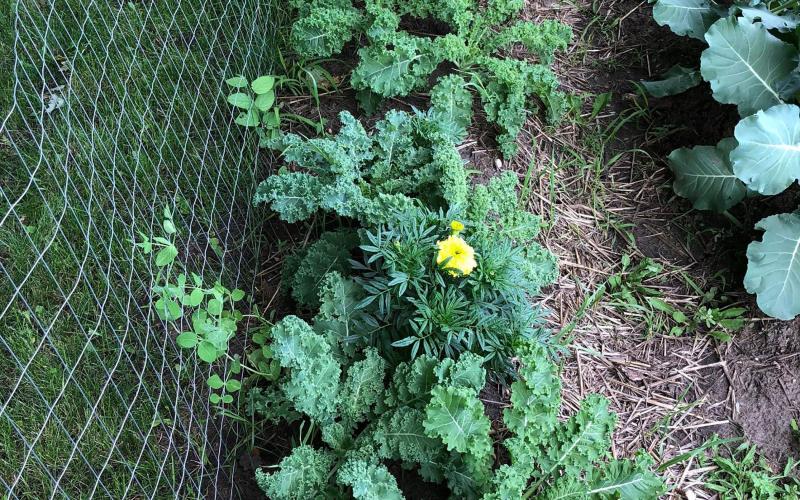
Organic Pest Control Methods
Integrated pest management is an environmentally conscious approach to managing insects, weeds and disease. By focusing on natural processes, growers use pest control methods beginning with the least toxic and amplifying the pest control needs gradually if problems persist.
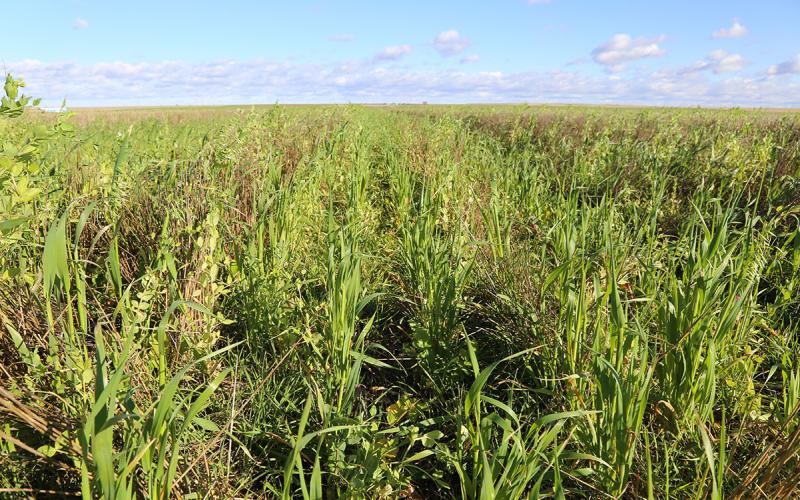
Organic Conference @ Sioux Falls
SDSU Extension and the SDSU Southeast Research Farm will host an organic conference on March 12 from 8:45 a.m. to 3:40 p.m. at the Best Western Plus Ramkota Hotel (3200 W Maple St, Sioux Falls, SD 57107)
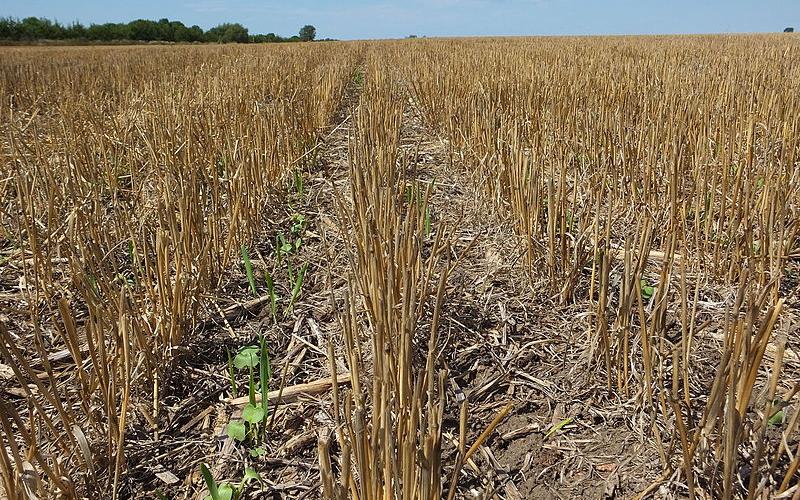
Cover Crop Adoption: Farmers’ perceived benefits & barriers
Cover crops are generally defined as crops planted between cash crops to cover and protect the soil. Some demonstrated benefits of cover crops include: reduced soil erosion, increased soil organic matter, increased biological variety, increased nitrogen supply, and weed control. Depending on the farmers’ objectives, different species of cover crops can be planted. For example, if a farmer’s main objective is to increase nitrogen supply, then legume cover crops best suited to the farm area should be selected.
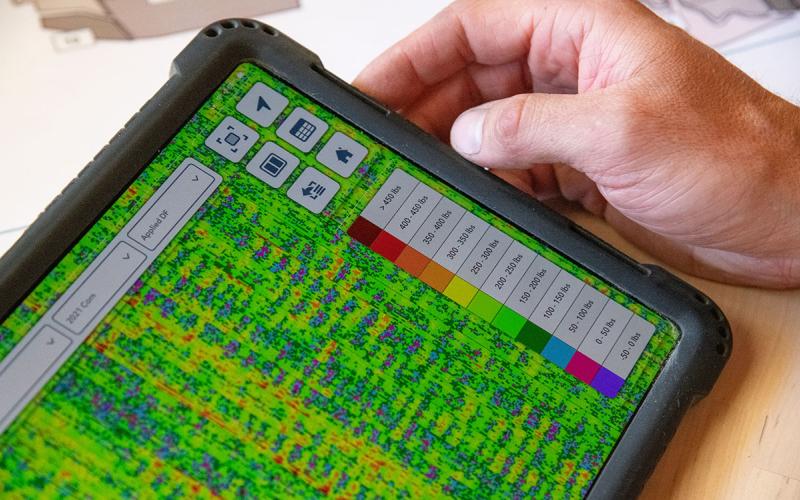
The 5 R’s of Precision Agriculture
Precision agriculture is a management strategy that uses cutting-edge technology to gather, process and analyze information to provide optimized crop inputs. Learn about the five R's that guide its use on farms.
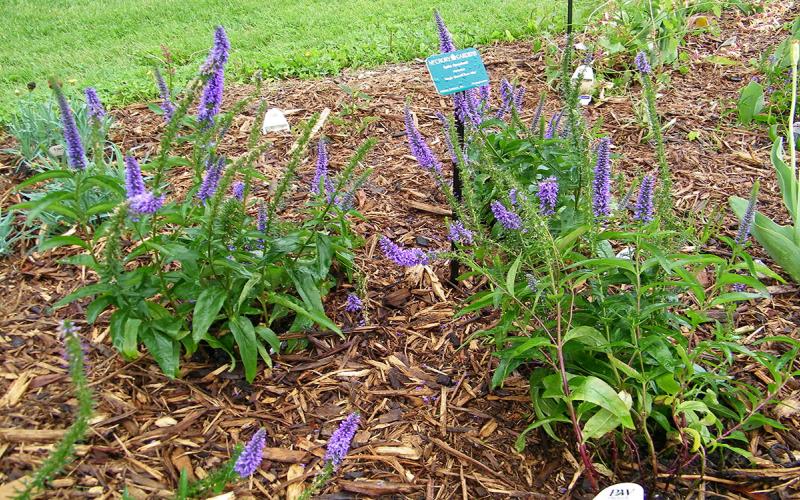
Veronicas Add Variety to Your Perennial Garden
Veronicas offer gardeners a wide array of perennial plants to work into many different landscaping niches in the garden. Many are hardy in South Dakota, withstanding our cold winters as well as heat and drought.
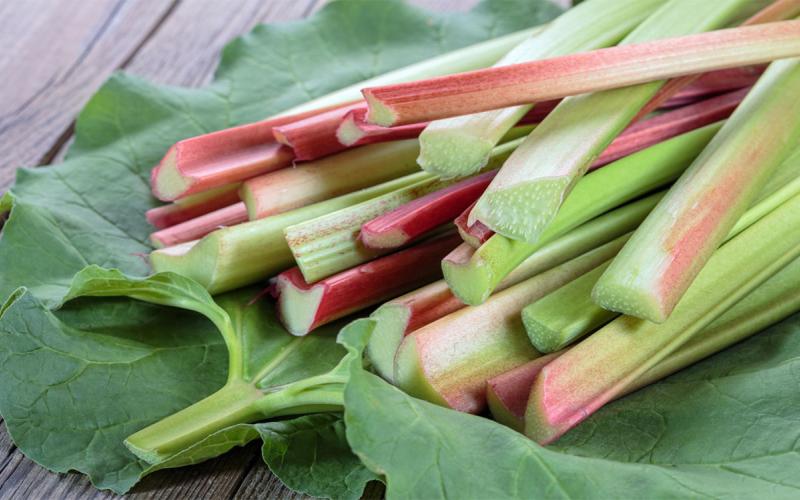
Rhubarb: Harvest and Storage
Rhubarb is a cool-season, herbaceous perennial commonly grown for its edible leafstalks. Learn how to select, grow, harvest and store rhubarb with this helpful guide!