Search
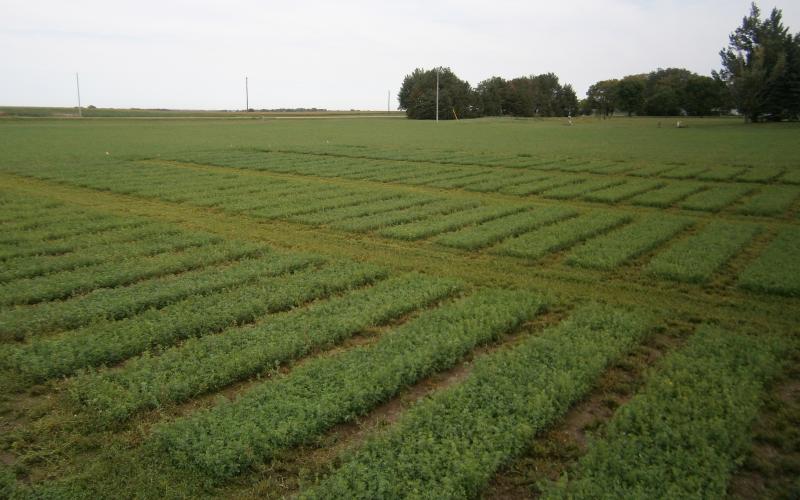
Forage Field Day @ Morris, Minnesota
Attend the 2026 I-29 Moo University Multi-State Summer Forage Field Day on Tuesday, August 18, 2026 at the University of Minnesota West Central Research & Outreach Center (46352 State Hwy. 329, Morris, MN 56267) from 9 a.m. to 3 p.m. CDT.

Financial Record Keeping Software: A comparison of Quicken and QuickBooks
As fall nears many producers are beginning to gather their records to prepare for taxes. From these records many important operating decisions are made. Agriculture producers often use computer software to keep financial records. While there are software packages tailored for farm and ranch businesses, many producers successfully use general commercial software such as Quicken® or QuickBooks®. Both products can be useful for an agricultural producer’s record keeping. The question which often arises from producers is, “which one do I need”?
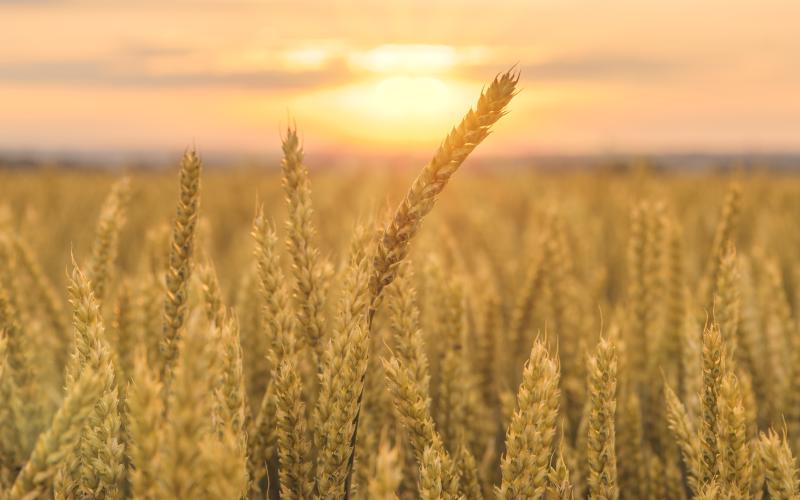
Instinct HL and Nitrogen Management Effect on Winter Wheat Yield
Nitrogen (N) additives to control N losses through volatilization, denitrification, and leaching are widely used in the Midwest. Slowing the conversion of nitrogen fertilizers to nitrate may lessen leaching and denitrification losses if precipitation or soil becomes saturated.
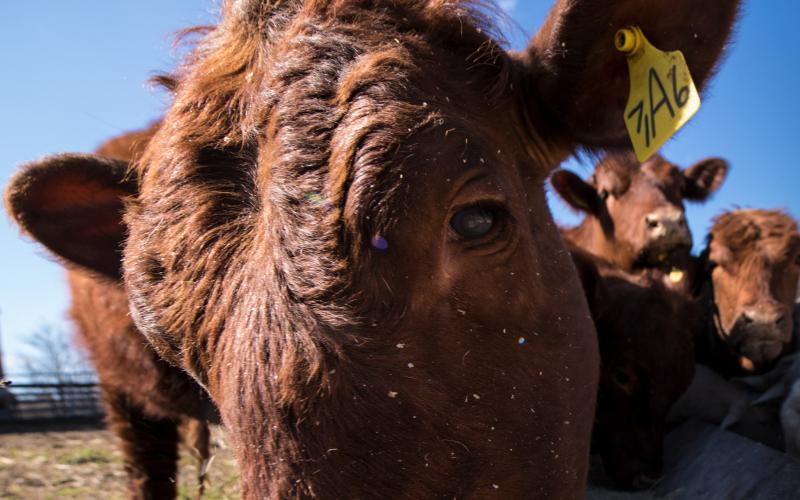
Limited Forage: What Are Some Alternatives?
Research has shown that a variety of feedstuffs can be utilized to meet the cows’ nutrient requirements with similar performance to hay or hay plus supplement ration.
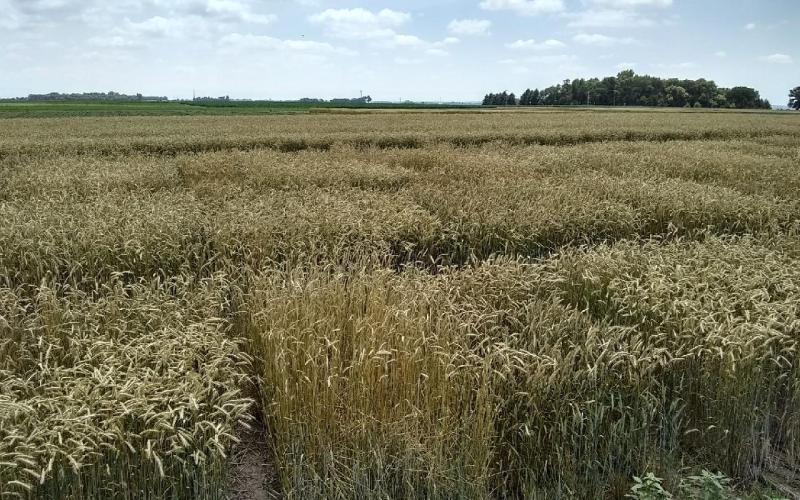
Rye Variety Trial Results
2025 Rye Variety Trial Results in South Dakota.
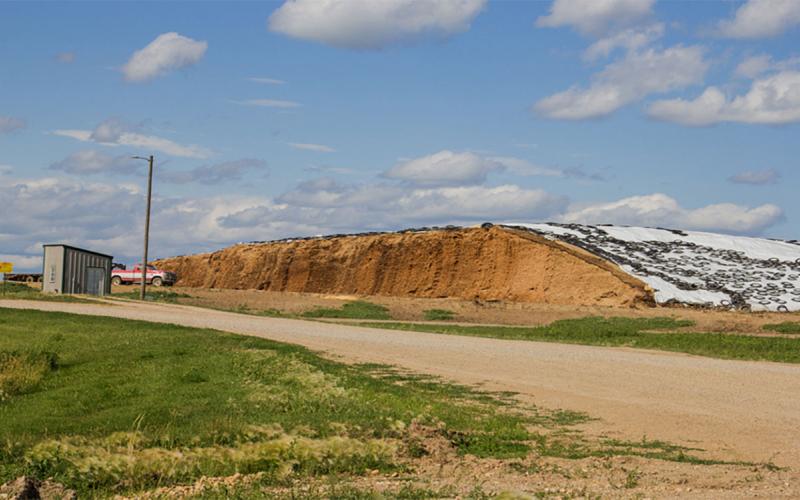
Silage Covering and Harvest Management to Maximize Feed Value
Covering silage piles is critically important to control nutrient loss in silage, but what covering strategies result in the best-quality feed? Learn what a recent SDSU Extension research project found out.
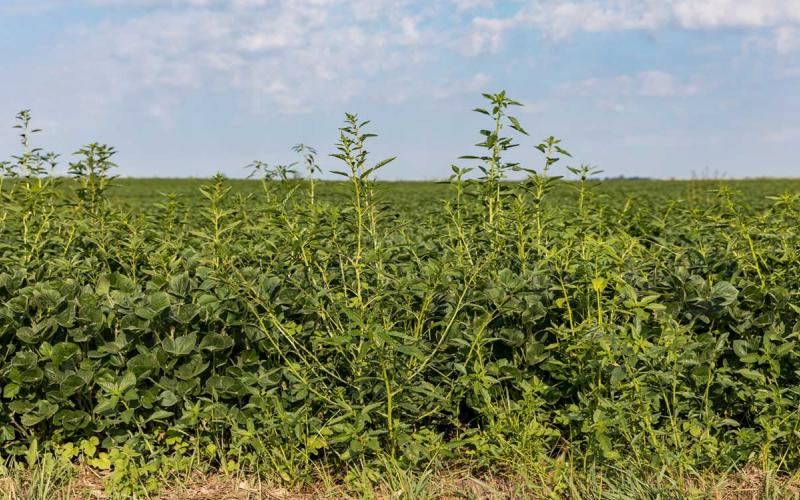
Checking Weed Control at Harvest
With harvest now in full swing, don’t forget to look at your fall weed control. What are the weeds that are left in your crop? Do you know what weeds they are? Is there a weed that you do not know?
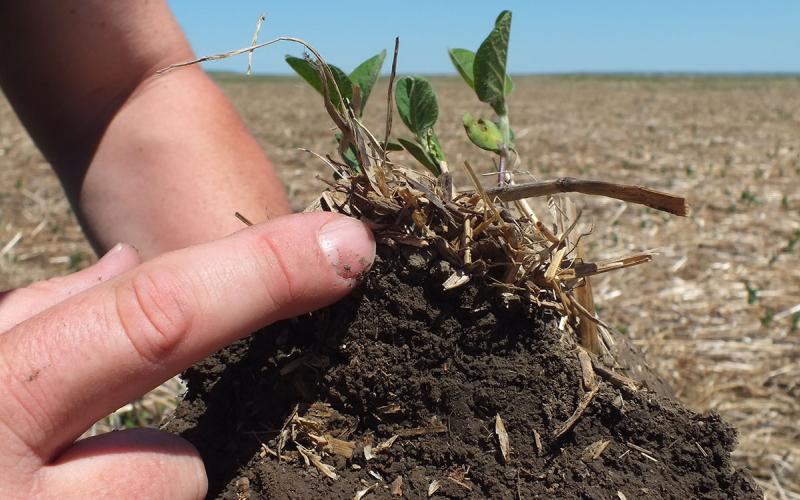
SDSU Extension Crop Hour 2026 webinars start in January
November 24, 2025
South Dakota State University Extension’s Crop Hour webinar series for 2026 will return in January.
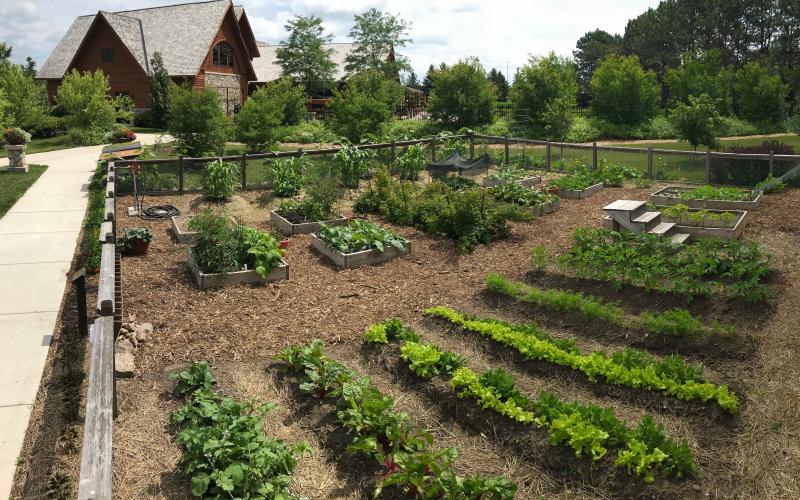
Garden Hour
Make the most of your garden and landscaping with weekly insights and ideas from our team of experts.
2018 Field Plot Summaries for Wheat Disease Management Trials
The wheat disease management field experiments conducted in the 2018 growing season evaluated several experimental and commercially available fungicides for managing foliar, head or root diseases of spring wheat. Foliar and spike/head diseases incidence and severity were assessed. The field experiments were implemented at Volga Research Farm and Northeast Research Farm (NERF) near South Shore, SD. Results of the same experiment may vary between Volga and Northeast due to environmental differences between the two locations.