Search
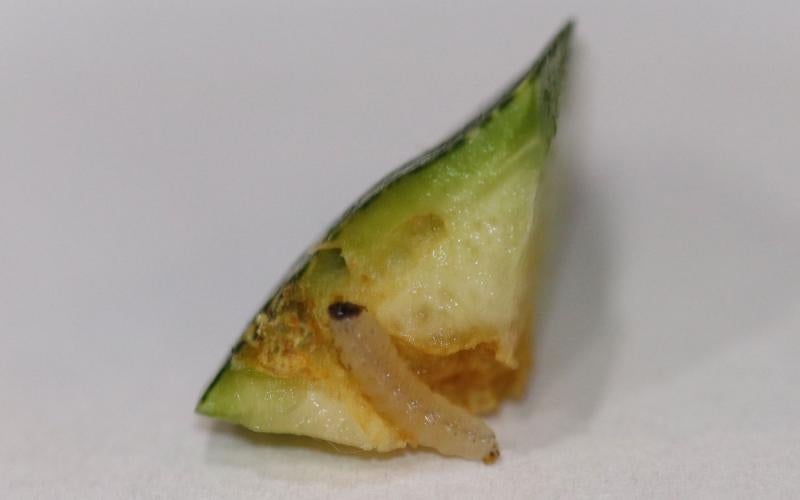
Squash Vine Borers Strike Again: This Time They’re in the Produce!
The larvae of the squash vine borer can wreak havoc on squash plants by boring into the stems and slowly killing the plants. Unfortunately, they’ll do even more than that. They will also invade the developing produce.

Imported Cabbage Worms Are Chewing up My Garden!
One of the worst things to observe in your garden are caterpillars heavily defoliating your plants. But unfortunately, that’s exactly what the imported cabbageworms (cabbage white) caterpillars do.
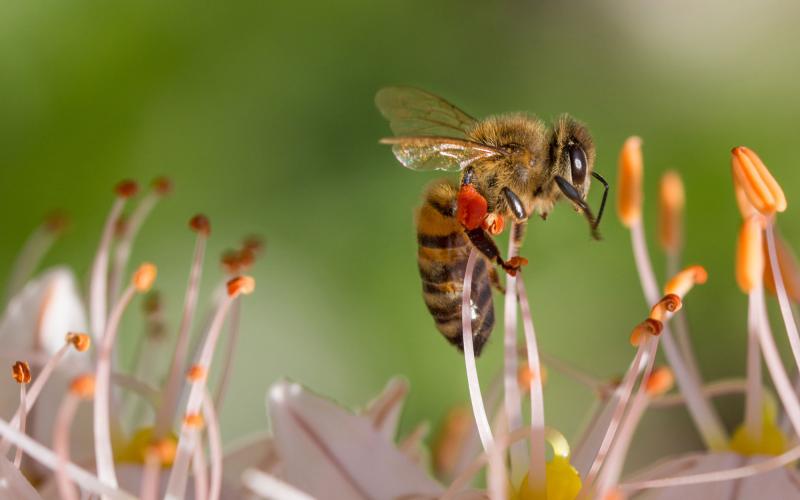
Pollinators Party
In this lesson, participants will learn how plants reproduce and how to identify pollinators that help plants.
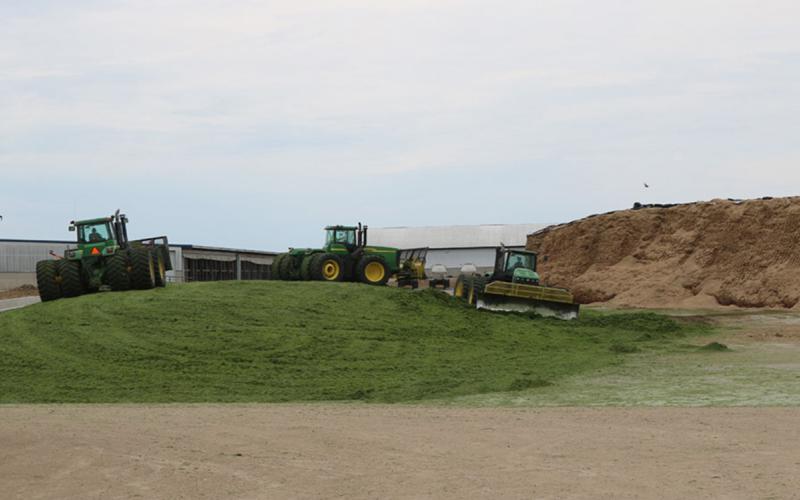
Be Safe and Smart Around Silage
Corn silage making season will soon be upon us. It is important to take the time to communicate with employees proper protocols while making silage, along with safe practices around silage piles or silos.
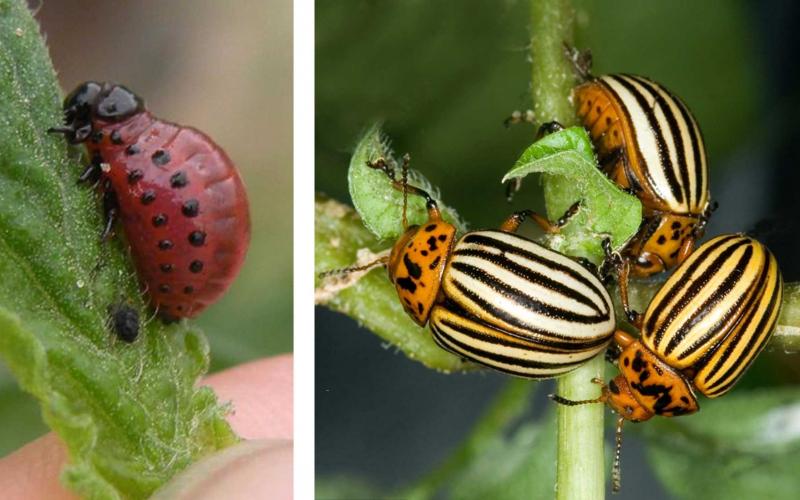
Colorado Potato Beetles Causing Defoliation on Potatoes
Last week we received calls about insects feeding on potato plants. The culprit was the Colorado potato beetle, which is a major pest of potatoes.
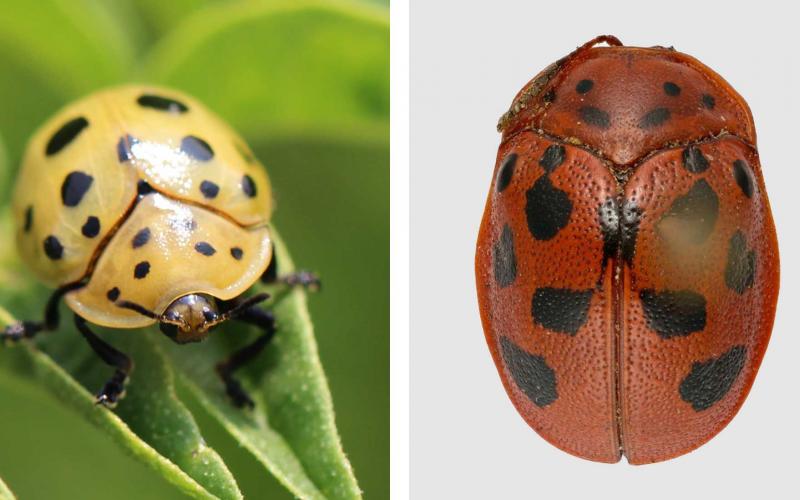
Argus Tortoise Beetle: No, It’s Not a Lady Beetle
Every summer, we receive reports of what looks like a large yellow lady beetle, except that they are defoliating certain plants. It isn’t a lady beetle, it’s the Argus tortoise beetle.
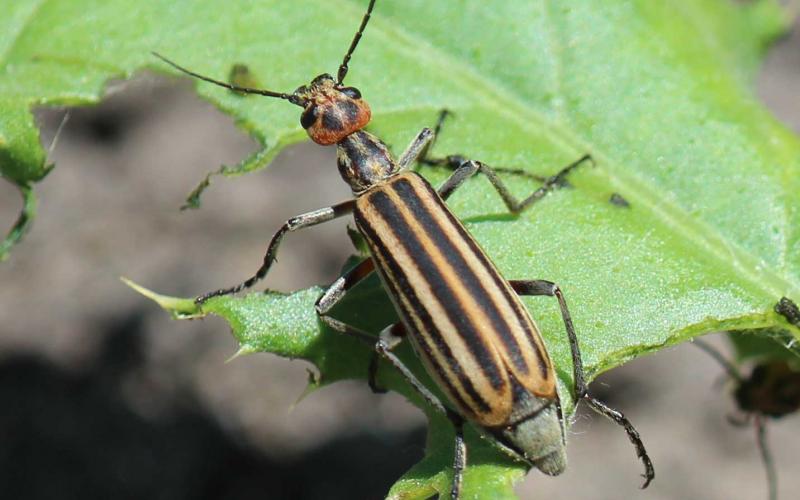
Blister Beetles Causing Problems in Gardens
Typically, we don’t see a lot of issues with blister beetle feeding in gardens. However, when they show up, blister beetles can rapidly defoliate plants.
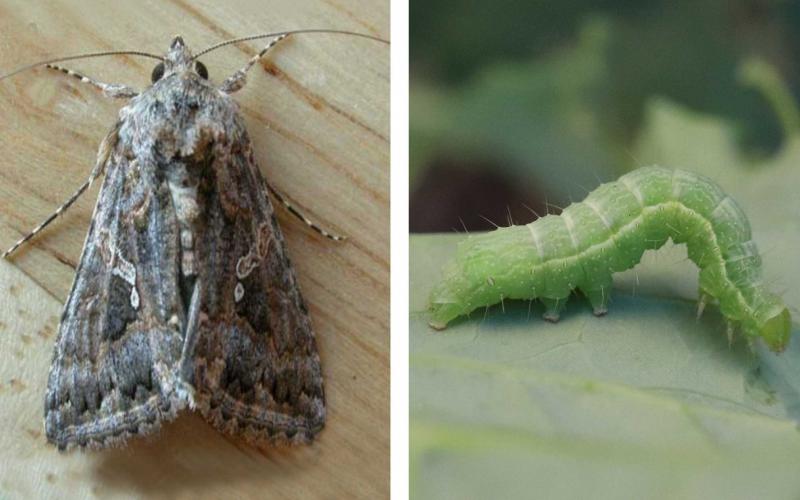
Cabbage Loopers Are Eating My Veggies
Cabbage looper caterpillars have been spotted in South Dakota gardens. Like their name suggests, cabbage loopers primarily feed on cabbage as well as broccoli, cauliflower, kale, radish, turnip and other cruciferous crops.
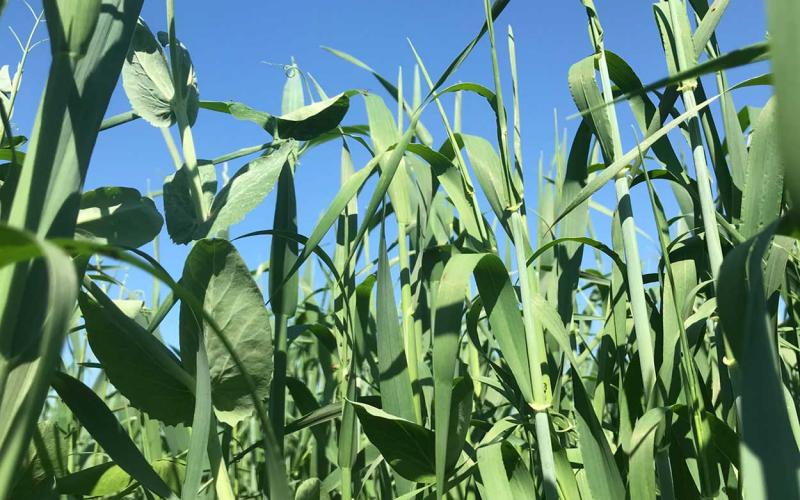
Cover Crop Considerations for 2020
Producers across South Dakota are harvesting small grains. These crops provide an excellent window for adding a cover crop into your rotation.
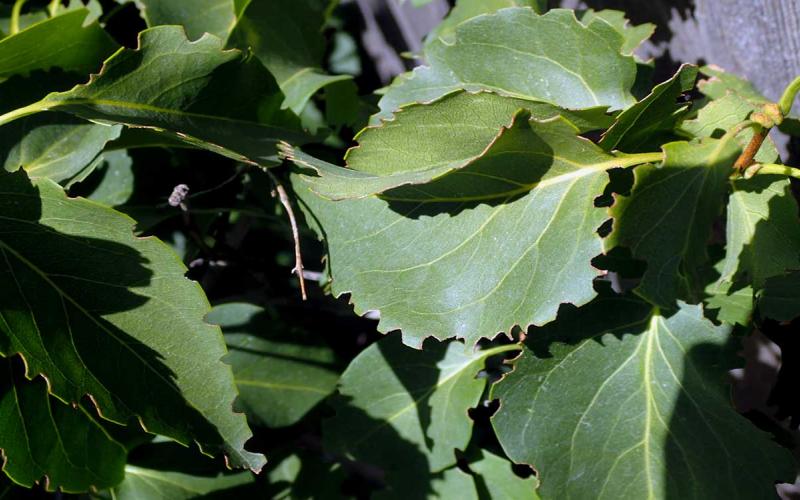
What Is Feeding on My Lilac Bushes?
There have been multiple reports of mysterious defoliation occurring on lilac bushes.The defoliation is often described as notches showing up around the edges of the leaves, resembling the edge of a saw blade.