Search
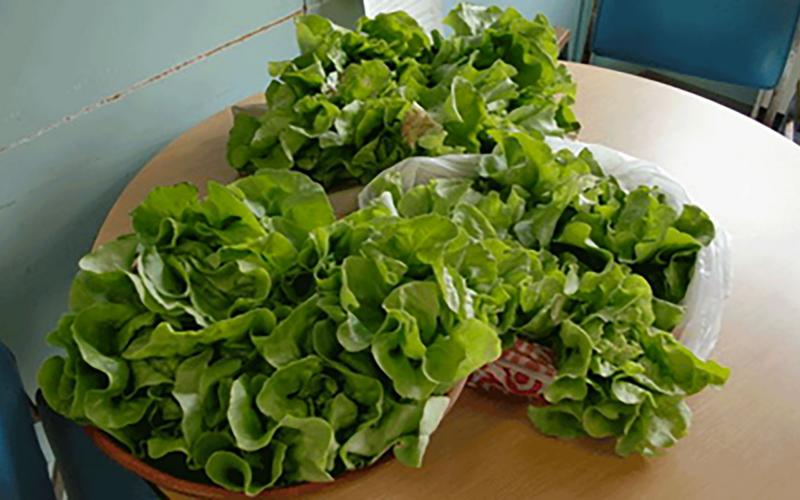
Best Practices When Harvesting Leafy Greens for Market and Home
The harvesting of leafy greens to maintain quality and safety focuses on the key risk factors from the time harvest begins to selling at market. The food safety risk factors involve temperature, time, water, worker hygienic practices, and food contact surfaces.
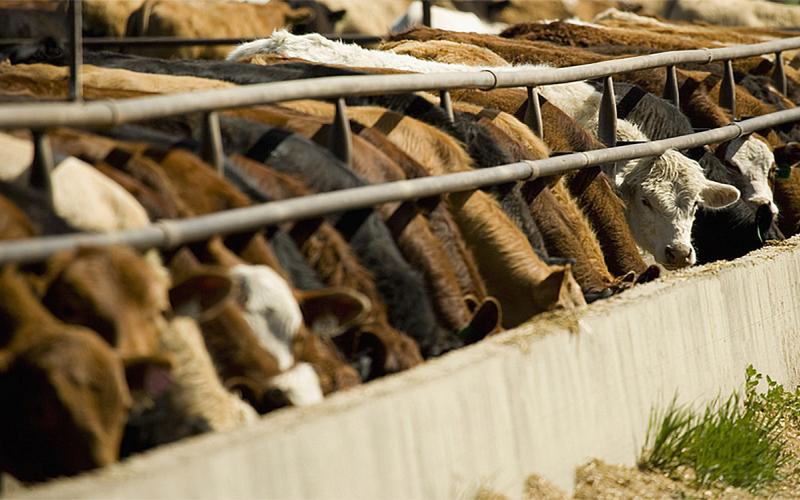
How Much Silage Can I Feed To Finishing Cattle?
What effect does feeding increased amounts of corn silage have on beef cattle performance and system-wide efficiency? See what a set of recent SDSU Extension research experiments found out.
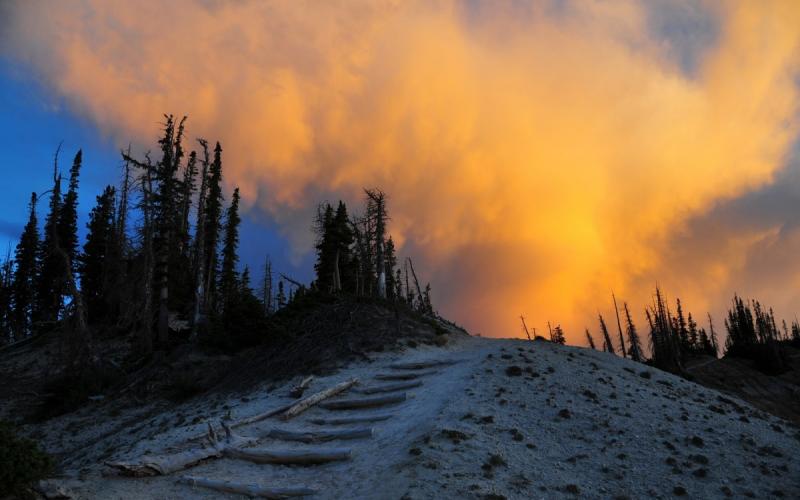
Wildfire Aftermath: Beef Cattle Health Considerations
Smoke inhalation, burns and thermal injury, exertion, stress, and injuries suffered during escape can all cause longer-term effects on cattle that have survived wildfires or building fires.
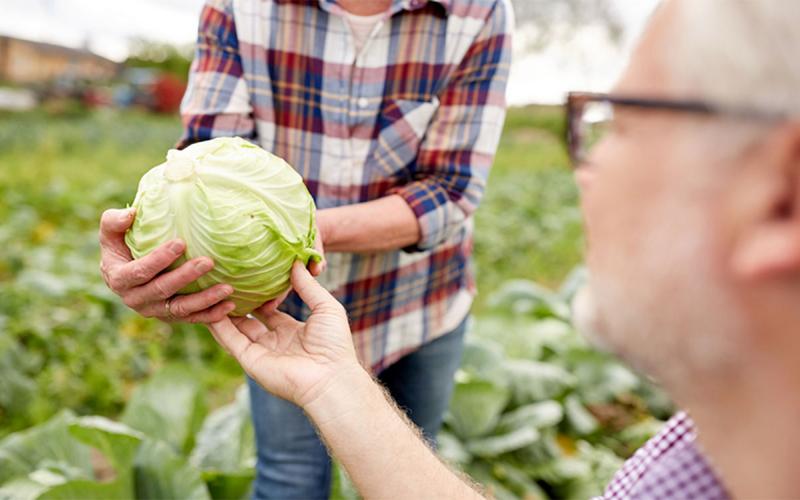
Perfect produce? Understanding the standards behind cabbage quality and condition from a production perspective
Learn about the U.S. Department of Agriculture cabbage grading requirements, as they are key to understanding why produce is graded to certain standards before it ends up on grocery store shelves.
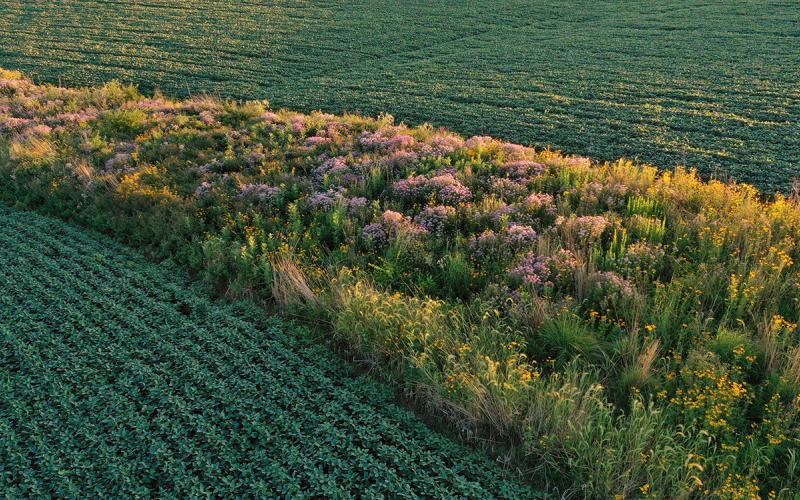
Using Prairie Strips To Protect South Dakota Water
Prairie strips are a new continuous Conservation Reserve Program practice that integrates native prairie plantings oriented linearly within a row crop field to reduce soil erosion and runoff.
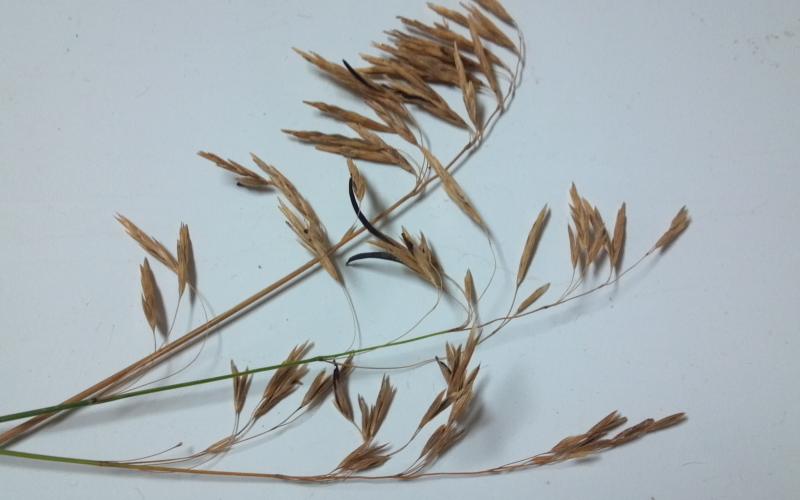
Ergot: A Potential Livestock Poisoning Problem
Cool, damp weather followed by warmer temperatures favors grasses becoming infected with ergot bodies, which can cause a certain kind of poisoning that can affect cattle on pasture.
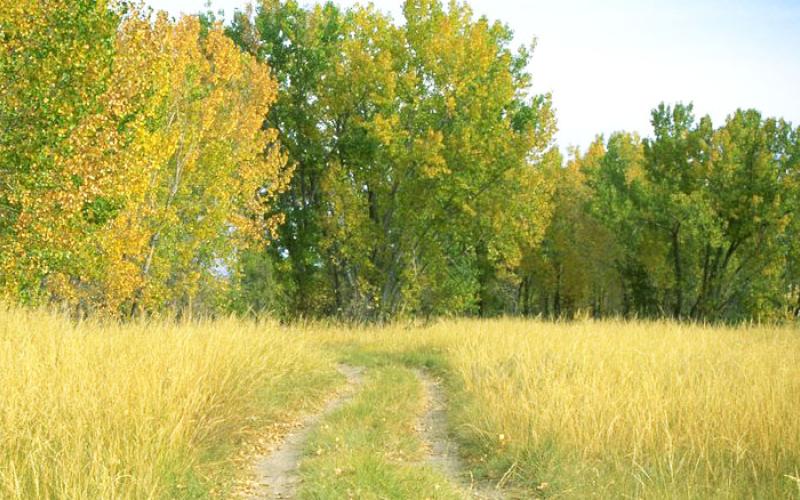
Trees & Drought Stress
Trees require a lot of water to meet their functional needs and long-term shortages can influence their growth and survival.
SDSU Extension Hosts First South Dakota Watershed Academy
SDSU Extension recently hosted the South Dakota Watershed Academy at the Oak Lake Field Station. The workshop was designed and organized in consultation with USDA Natural Resources Conservation Service to provide information on water resources regulation and monitoring.
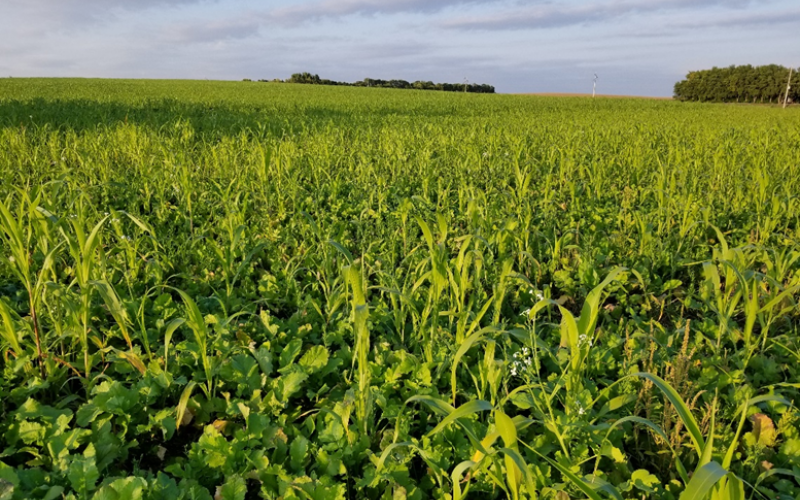
South Dakota Land Use Trends (2012-2017)
Significant education efforts for natural resource conservation have occurred in South Dakota during the last five years. Many stakeholder groups have brought awareness for soil health and water quality to the forefront.
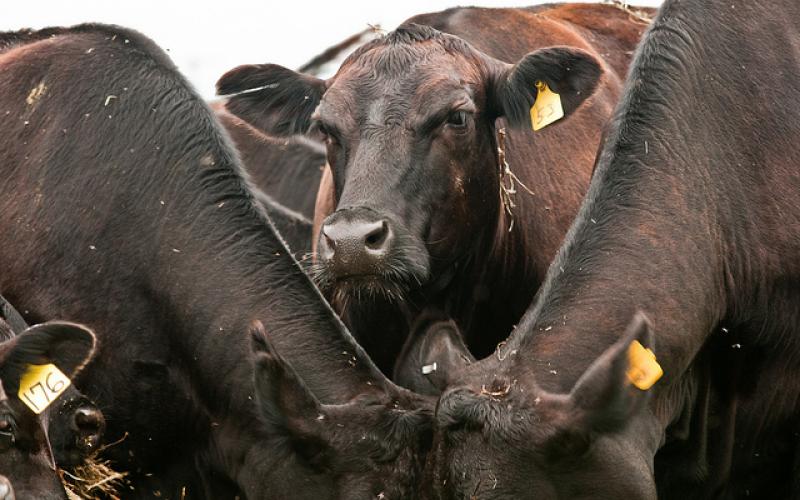
Feeding Drought-Stressed Crops to Cattle
Can drought-stressed crops be be utilized as feed? The answer is yes, if we know what the levels of nitrates are in the feedstuffs in question.