Search
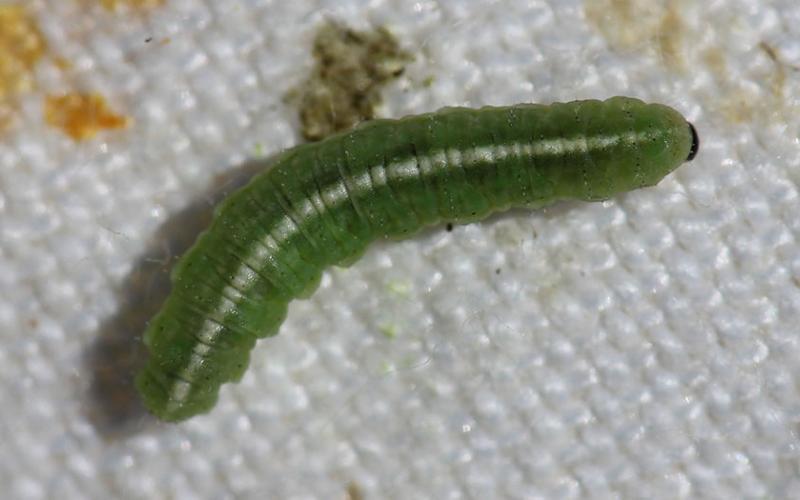
Alfalfa Weevil Activity Prediction Update: June 1, 2020
Activity of alfalfa weevils has been documented in many areas of South Dakota during the last week. At this time, the entire state has accumulated enough degree days for alfalfa weevils to be active.

It’s Time to Scout for Alfalfa Weevils
The 2018 and 2019 alfalfa weevil populations were relatively low, and as a result, we didn’t receive very many calls regarding this pest during those years. However, 2020 has been quite a bit different, and alfalfa weevil populations seem to be much higher.

Watch for Pea Aphid Populations in Alfalfa
Recent reports have indicated that pea aphid populations are very large in some alfalfa fields and should continue to be monitored and possibly managed.
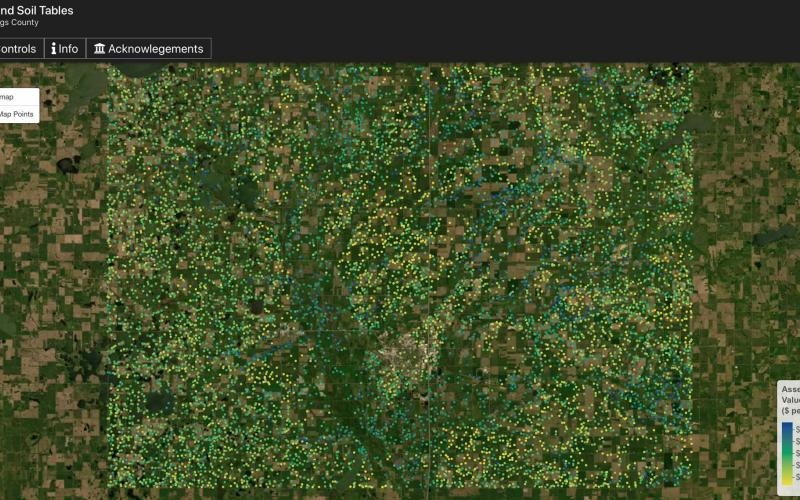
South Dakota Agricultural Land Soil Productivity Tool
The Ag Land Soil Tables Tool allows users to view soil data and download data by county to further understand the soil rating system. It can help appraisers make baseline agricultural land assessments and determine if adjustments from baseline are needed.
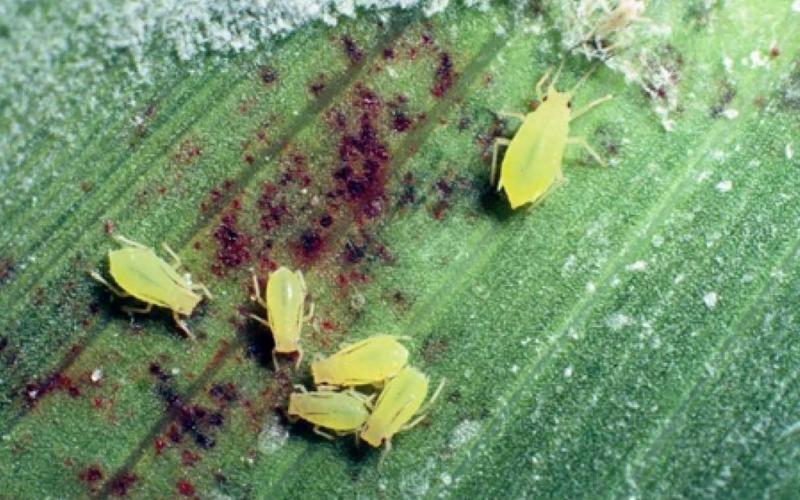
Low-Level Aphid Populations Present in Wheat
Reports of aphid populations in wheat fields have been slowly increasing in the past week. Most of these populations are well below the economic threshold, but there is a potential for them to increase.
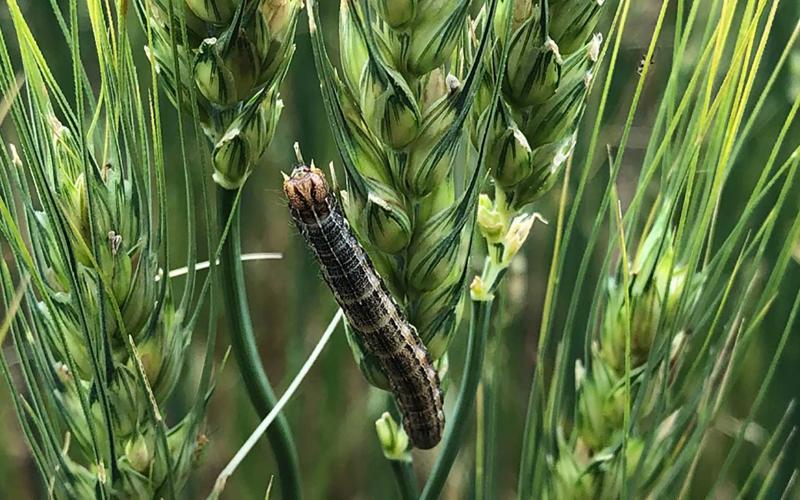
Scout for True Armyworms in Oats and Wheat
During most years, we start worrying about true armyworm activity in wheat fields in mid-July. However, the strong southerly winds that we experienced during the last two weeks pushed several insect pests north ahead of their normal schedule
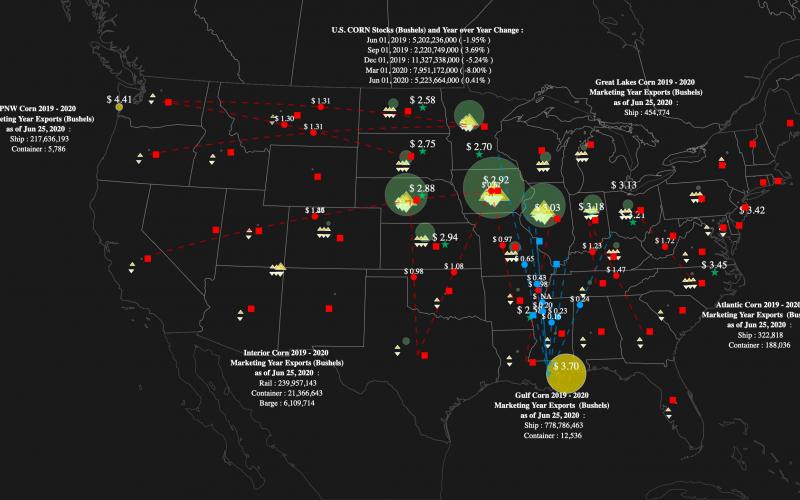
Interactive Grain Report Tool
The SDSU Extension Interactive Grain Report Tool is a comprehensive, real-time agricultural market intelligence platform providing detailed analysis of U.S. grain markets, biofuels production, fertilizer markets, and transportation infrastructure.
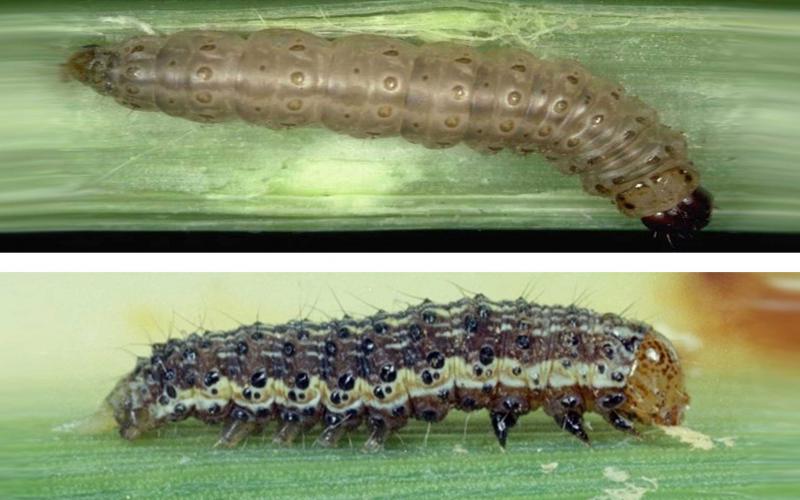
Caterpillars Active in South Dakota Corn Fields
Both European corn borer (Ostrinia nubilalis) and corn earworm (Helicoverpa zea) are active in corn fields. Sometimes the caterpillar activity and identity of these two species can be confused.
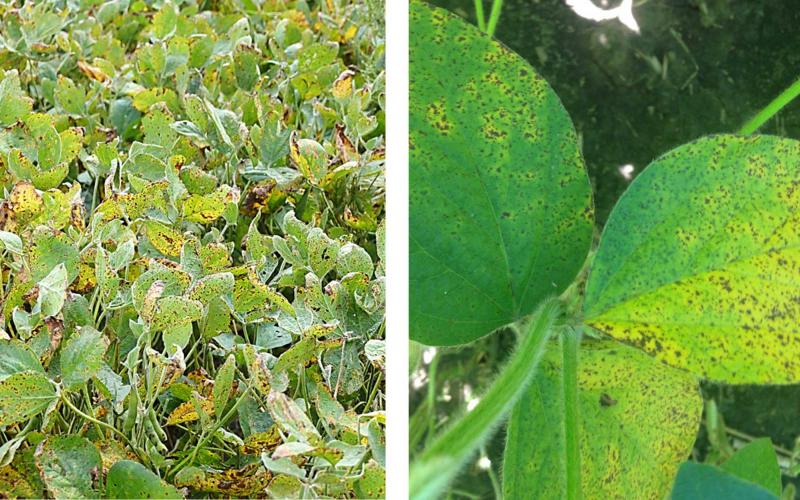
Deciding on Fungicide Application to Manage Mid-Late Season Soybean Leaf Fungal Diseases
Soybean leaf diseases can develop in some soybean fields to reach yield-reducing levels. The question that growers often ask is whether it is profitable to apply a fungicide to soybeans at the R3/R4 growth stage in South Dakota.
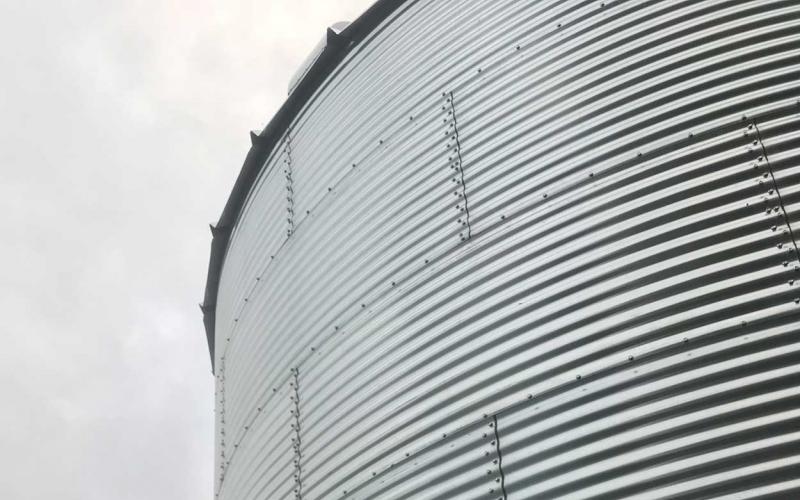
Steps to Prevent Stored Grain Infestations
As wheat harvest is underway it is important to ensure that grain bins are prepared in the best possible manner to prevent insect infestations. There are seven steps that can be taken to help reduce the chances of having infested grain.