Search
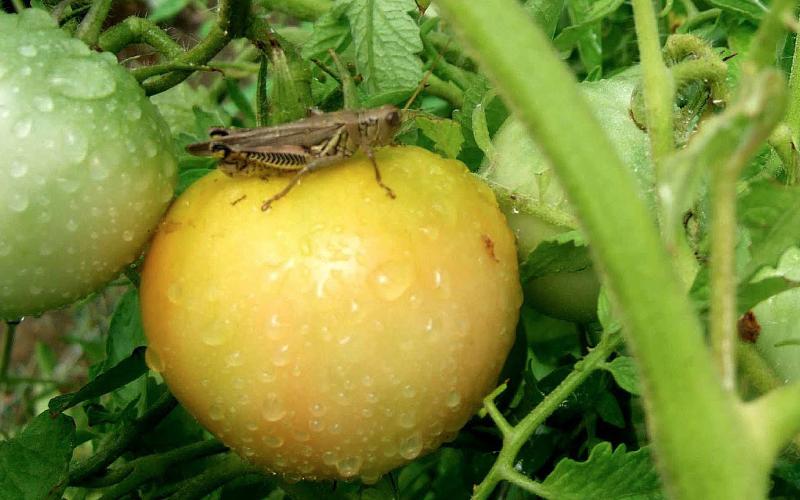
Protecting Tomatoes From Grasshoppers in the Garden
During dry summers, it's no surprise when grasshoppers start causing issues in gardens. Learn about some common grasshoppers that feed on tomato plants along with some ways to manage populations.
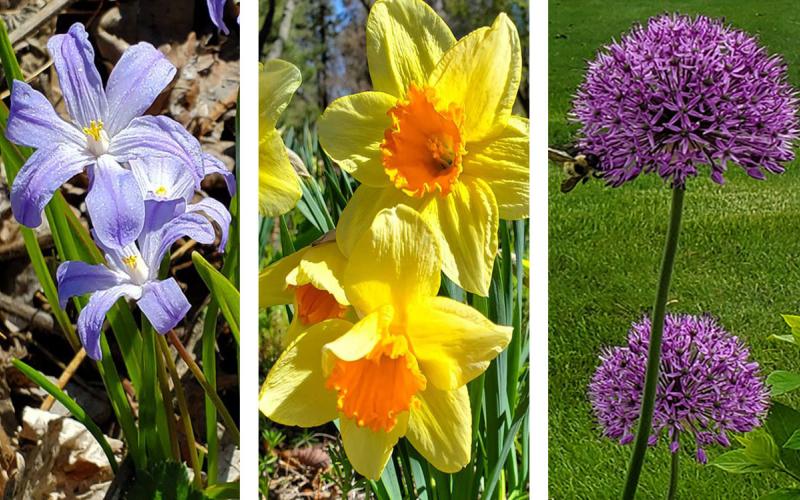
Bulbs to Plant in the Fall
Fall is the time to plant cold-hardy bulbs in South Dakota gardens. This will ensure that your landscape will have a variety of color, size, and bloom types the following season.
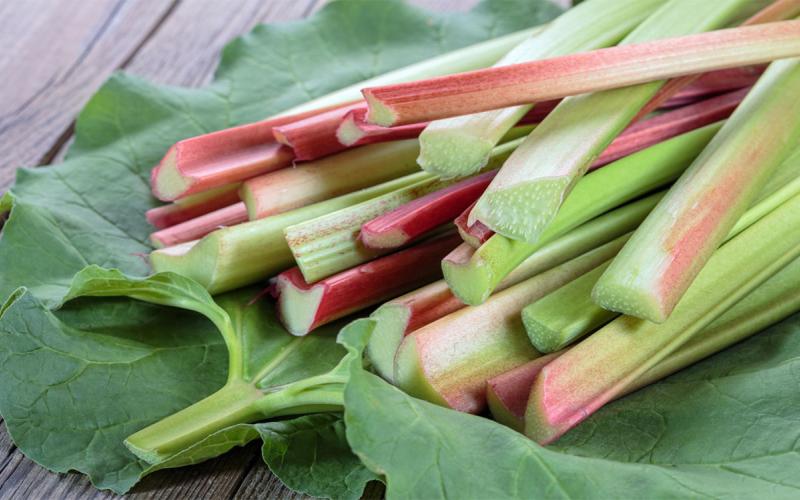
Rhubarb: Harvest and Storage
Rhubarb is a cool-season, herbaceous perennial commonly grown for its edible leafstalks. Learn how to select, grow, harvest and store rhubarb with this helpful guide!
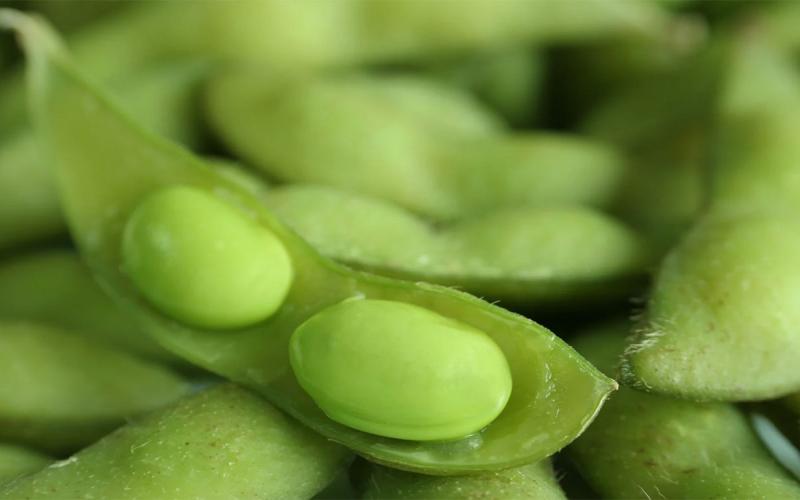
Edamame: Harvest and Storage
Edamame is the Japanese name for edible, immature soybeans, which are cooked prior to eating. Learn how to select, grow, harvest and store edamame with this helpful guide!
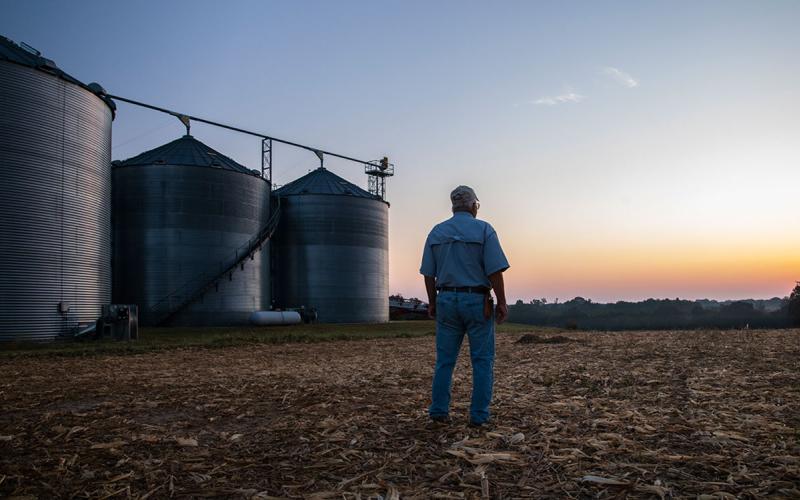
Carbon Markets and Opportunities for Farmers
There is growing interest in paying farmers for regenerative agricultural practices as a means for sequestering carbon. Learn about some of the benefits and challenges that carbon capture opportunities offer for producers.
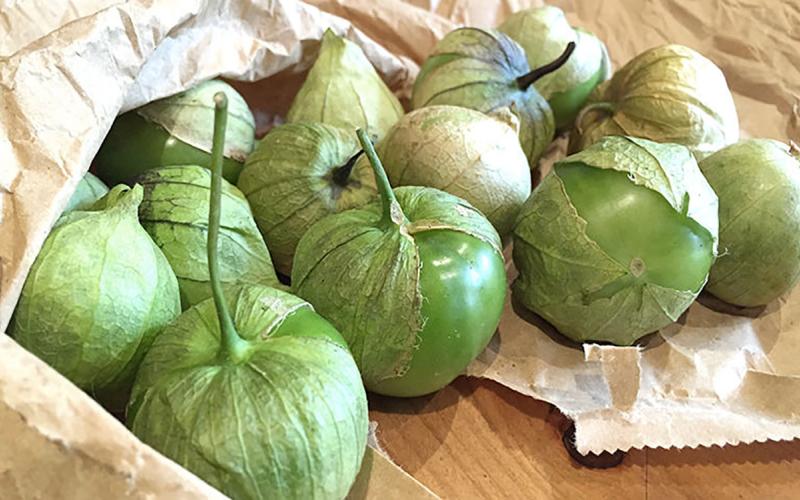
Tomatillos: Harvest and Storage
Tomatillos are an annual, warm-season crop with requirements similar to tomatoes. Learn how to select, grow, harvest and store them with this helpful guide!
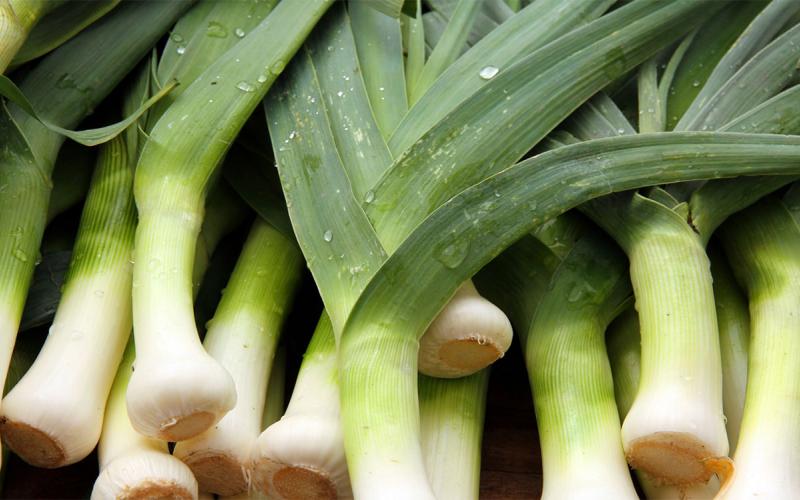
Leeks: Harvest and Storage
Leeks are a cool-season garden vegetable similar to onions. Learn how to select, grow, harvest and store them with this helpful guide!
South Dakota Fertilizer Rate Guidelines Calculator for Corn, Soybean, and Wheat
Calculator for Fertilizer Guidelines for Corn, Soybean and Wheat in South Dakota
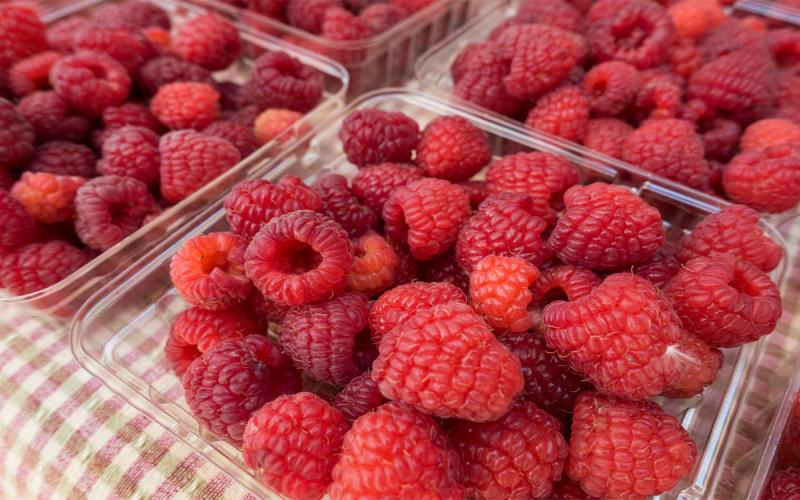
Raspberries: Harvest and Storage
Raspberries are a cool-season crop that produces fruit in the summer or fall depending on variety. Learn how to select, grow, harvest and store them with this helpful guide!
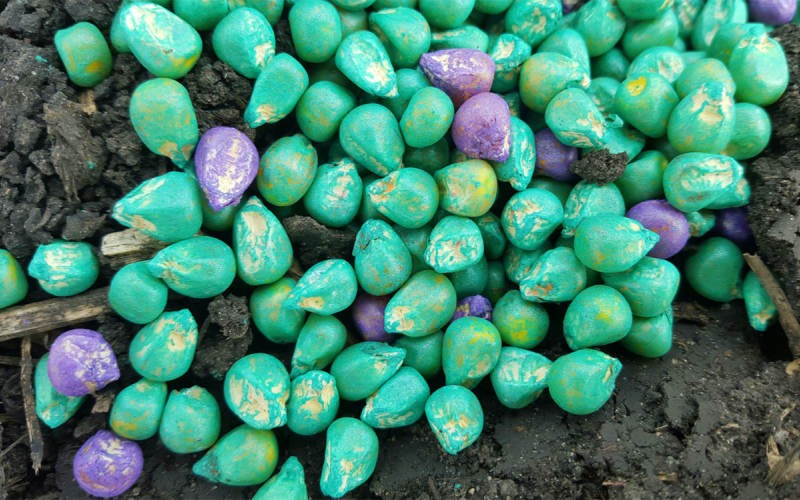
Corn Seed Treatment Effects on Soil Microbial Activity and Grain Yield at the 2022 Soil Health School
A recent research project at the South Dakota Soil Health Coalition's Soil Health School investigated the impact of omitting corn seed treatments on plant stands, microbial activity and grain yields. The findings may surprise you!