Search
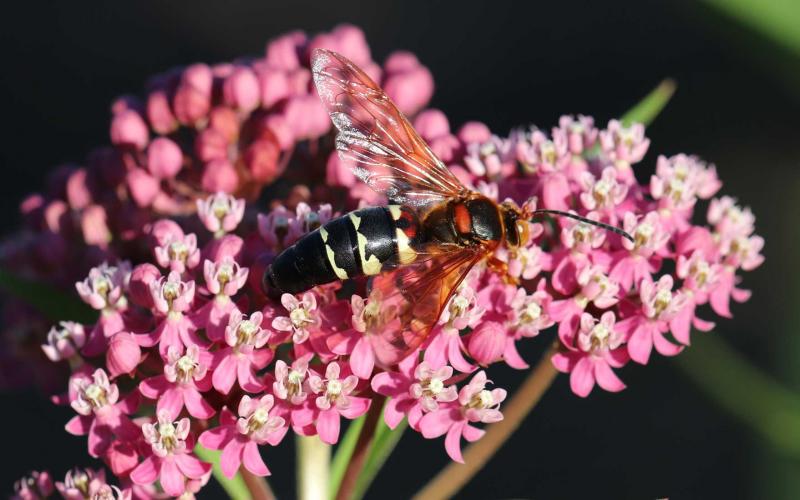
Giant Wasps Are Invading My Yard! No, They Still Aren’t Murder Hornets.
Every year we receive multiple reports of giant wasps that seem to invade yards and gardens. These wasps aren’t the same as the so-called "murder hornets," but are actually cicada killer wasps.
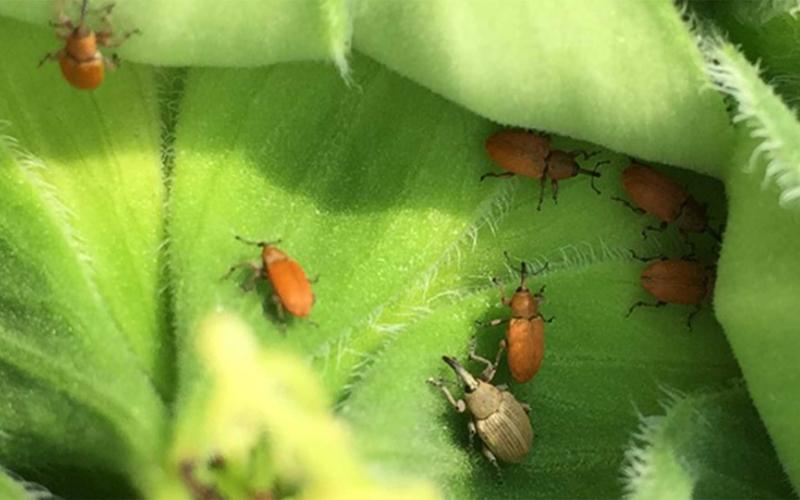
Identifying Red and Gray Sunflower Seed Weevils
When scouting sunflower, the most observed weevil is the red sunflower seed weevil. However, there are two species of seed weevils that can be present on sunflower heads in South Dakota.
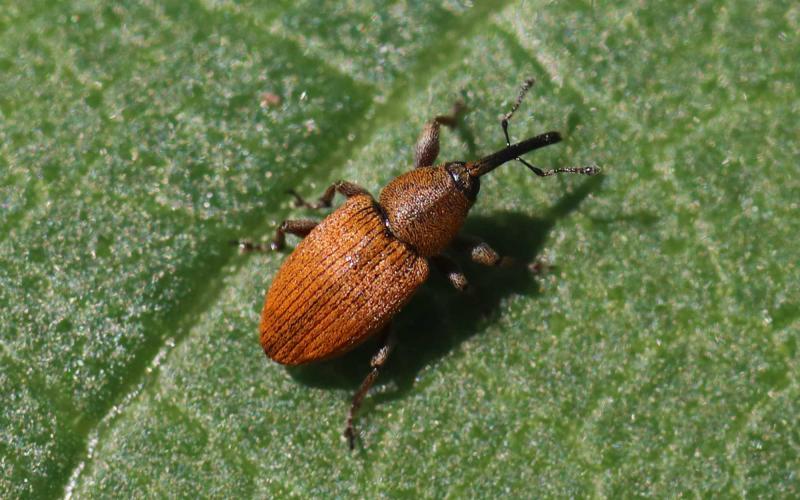
It’s Time to Start Scouting for Red Sunflower Seed Weevils
In South Dakota, sunflower flowering is getting underway. That means it is time to start scouting fields for red sunflower seed weevils.
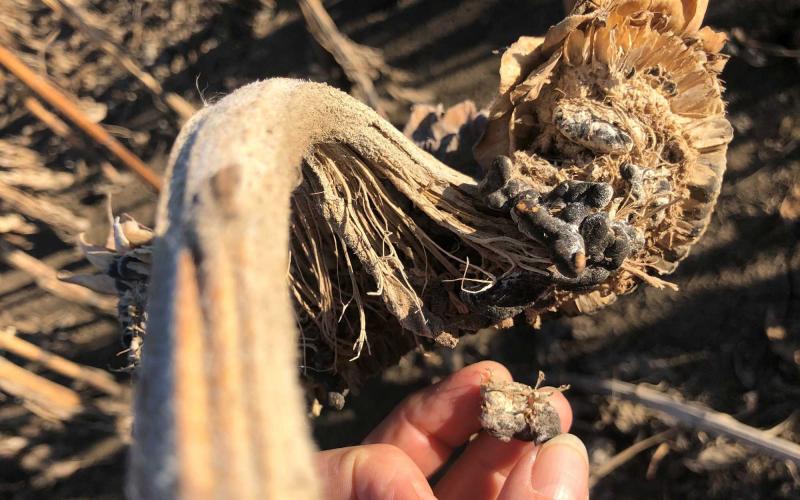
Sclerotinia Concerns in Sunflower
Sclerotinia diseases are a concern in sunflowers, because the fungus can infect the plant through the root, mid-stalk or the head. Wet weather and cool temperatures two-to-three weeks prior to and during flowering favor disease development.
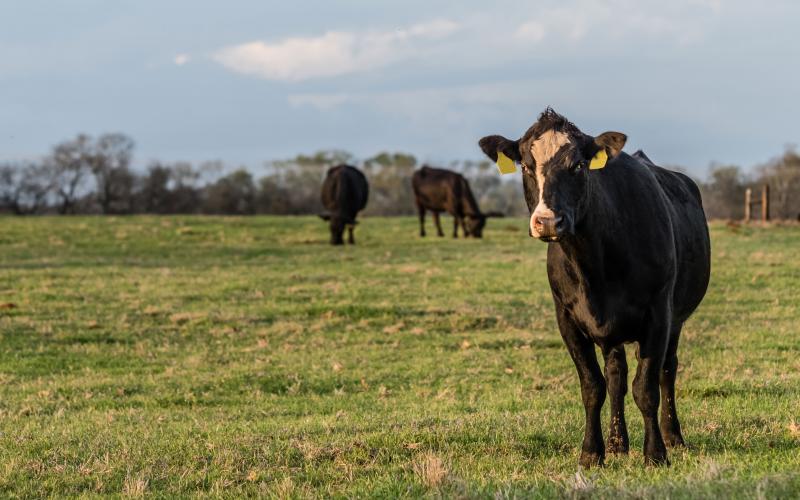
Drought Management Tips for Beef Cattle Producers
Fact sheet with tips for Beef Cattle Producers for Drought Management
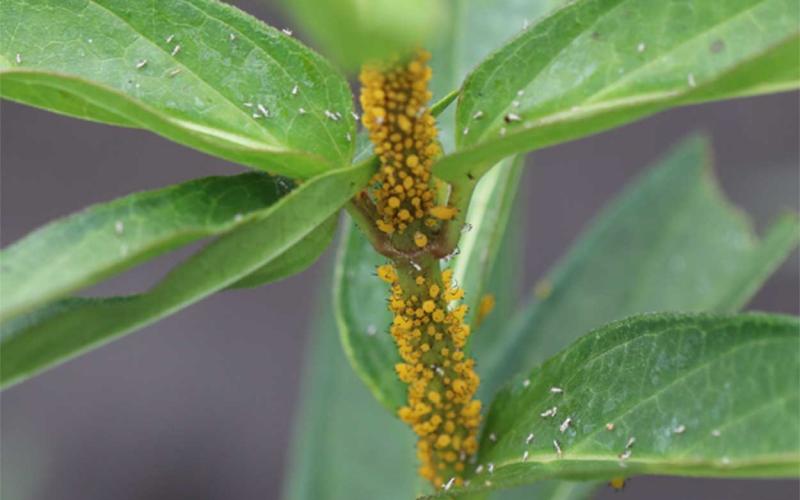
Are Aphids on Milkweed Really a Bad Thing?
This year, we’ve noticed large populations of aphids on swamp milkweed plants and we’ve identified them as the oleander aphid (Aphis nerii), which is sometimes referred to as the milkweed aphid.
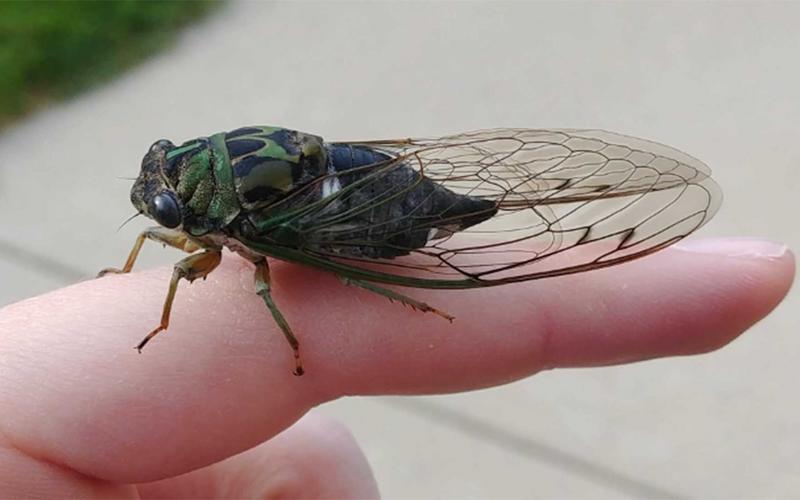
What’s Buzzing in the Trees?
Each summer we hear a droning buzz that comes from the trees. Many residents of South Dakota attribute this noise to locusts. But that isn’t what is making the buzzing sound! The insects responsible for the buzz are actually called cicadas
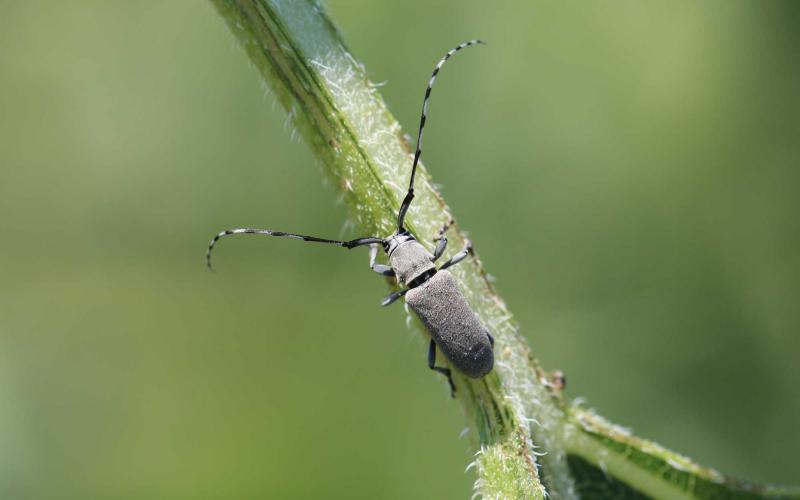
Will Dectes Stem Borers Be an Issue in 2020?
Every year, there is a risk that sunflower in South Dakota will be infested by Dectes stem borer larvae. At this point in the season, adults are active, and females have likely been laying eggs in sunflower plants.
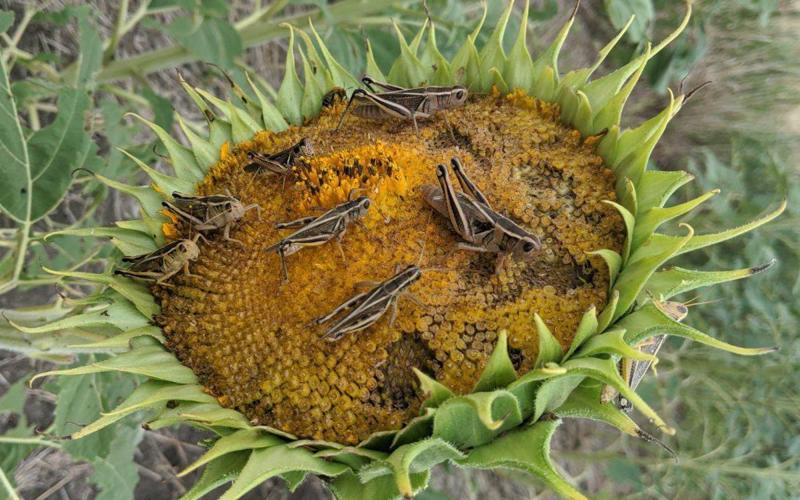
Watch Sunflowers for Grasshopper Defoliation and Flower Feeding
Grasshoppers continue to be an issue in some areas of South Dakota. The hotspots seem to be along the Missouri River, but it is a reminder that everyone should be monitoring their crops for grasshopper feeding.
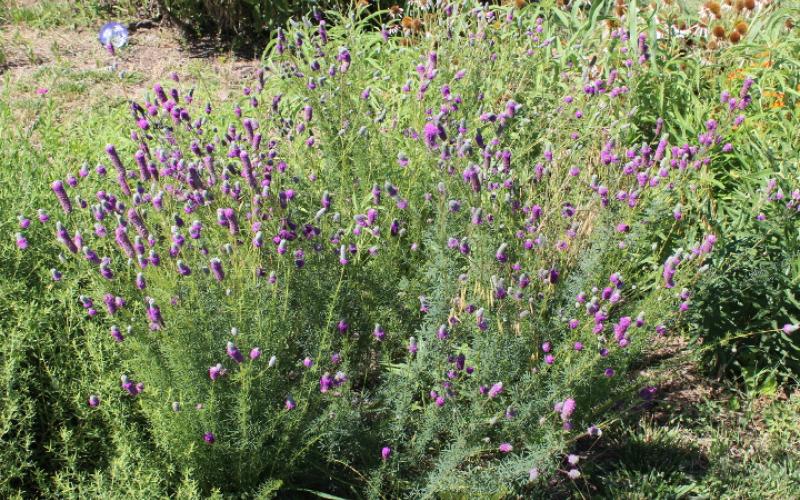
South Dakota Plants to Know: Purple prairie clover
The purple prairie clover (Dalea purpurea) is in bloom right now at the Prairie Butterfly Garden and each clump is abuzz with bumble bees, honey bees, and other pollinators. Not only is this native perennial highly attractive to pollinators, but it is also drought tolerant and deer resistant making it a hardy choice for your garden.