Search

Range Roundup: Long-Term Grazing Records Can Guide Future Management
For nearly 80 years, researchers at the Cottonwood Field Station have monitored how different stocking rates have shaped plant communities. Today, these records are being compared with modern data to help us better understand how rangelands respond to long-term grazing management.
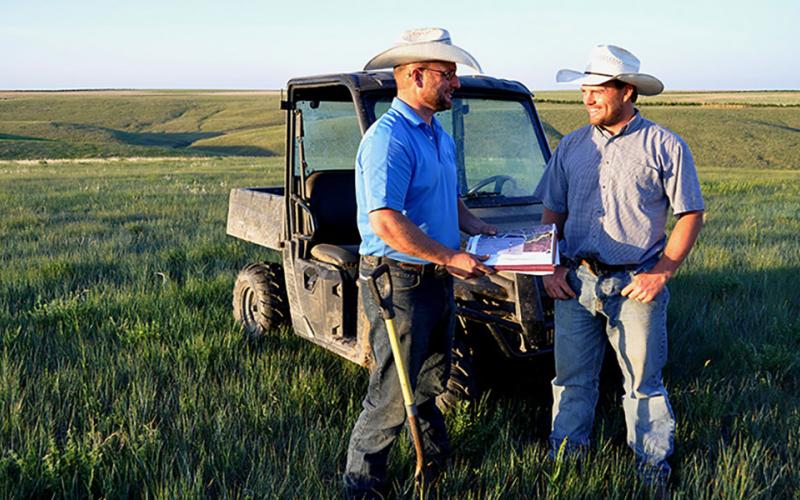
The Importance of Math in the Art of Grazing
It might seem a bit silly to check in on your stocking rate calculations, but it is something that is undoubtedly worth your time, whether you’re a seasoned rancher or you’re still trying to get your feet under you.
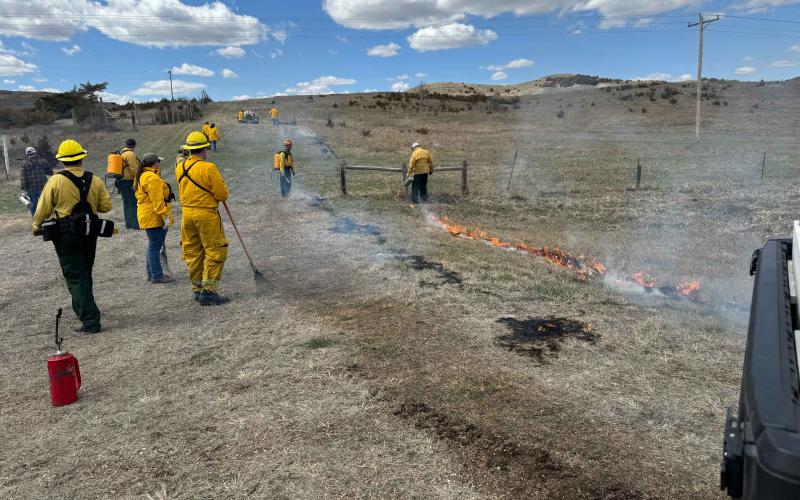
SDSU Extension to co-host prescribed fire forum for private landowners
December 09, 2024
South Dakota State University Extension, Audubon Great Plains and partner organizations are hosting a first-of-its-kind event for private landowners in South Dakota interested in prescribed fire as a management tool.
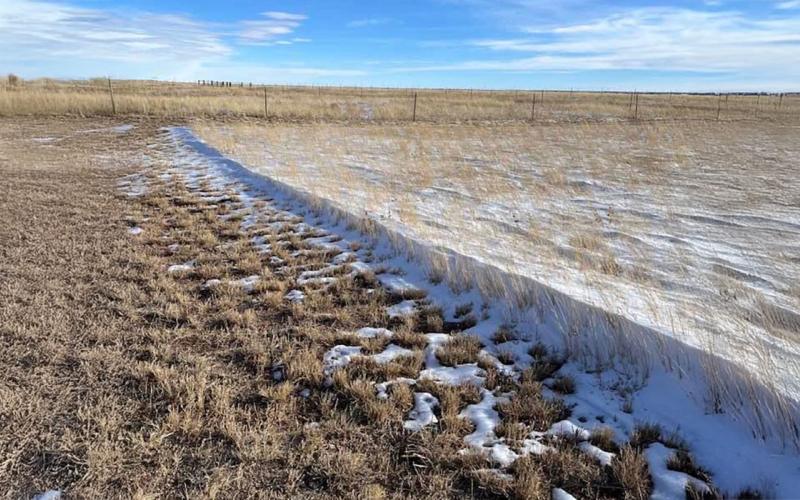
Winter Pasture Report: What’s your plan for spring?
Widespread drought conditions persist across the upper Great Plains into the beginning of 2025. During drought conditions, it is extremely important for producers to regularly assess precipitation and forage resources so they can manage livestock accordingly.
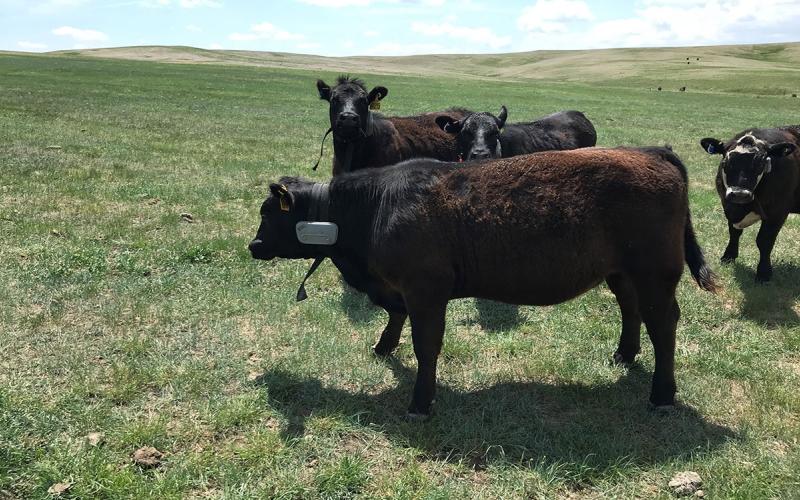
Range Roundup: Virtual Fencing Project Takes Place at the Cottonwood Field Station
Virtual fencing (borders without physical barriers) has started making waves in the cattle industry, and it can be used to implement precision grazing management. Our team is researching its use and utility at the SDSU Cottonwood Field Station starting this summer.
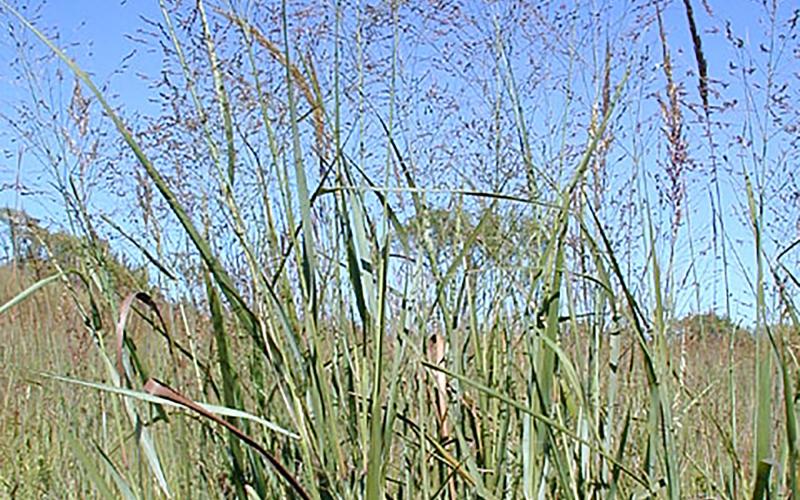
Farm Practices That Improve Soil Health: Planting Switchgrass on Marginal Lands
Switchgrass (Panicum virgatum) is a tall, native, prairie grass that is often seeded on marginal lands in South Dakota. It has gained growing popularity over the past decade not only as a source of biofuel and feed, but also as a method to improve soil properties.
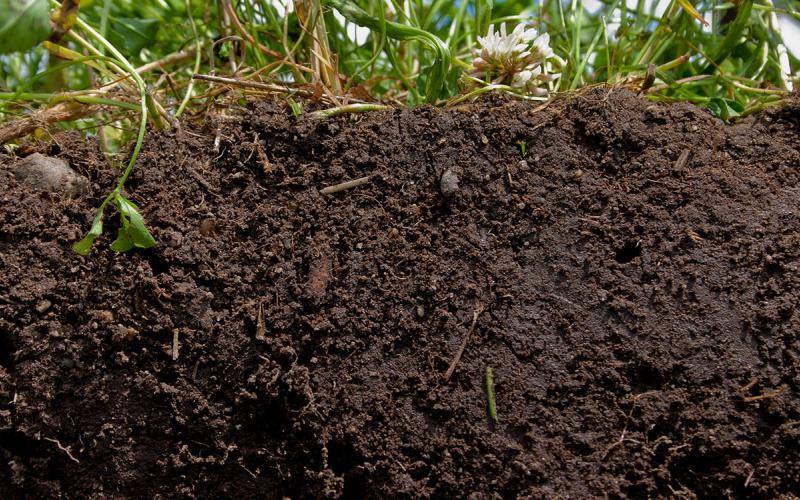
Why Is Carbon So Important to Agriculture and Society?
Carbon is not only vital to soil health—it’s the foundation of our long-term food security. Learn some incredible facts about the role carbon plays in our soil and environment.
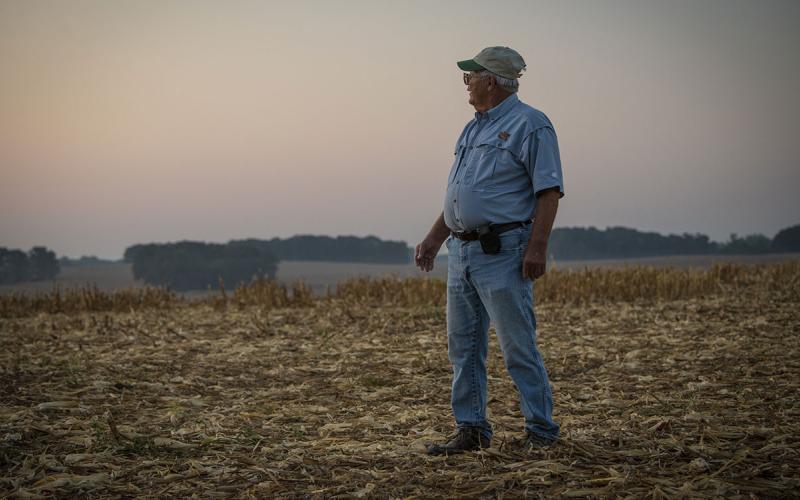
Farming Practice Comparisons in South Dakota: A case study across the fence and implications for the future
This extension study intends to provide some new insights on the financial and carbon storage comparisons between neighboring farms using conventional farming versus conservation practices (mainly no-till and cover crops).
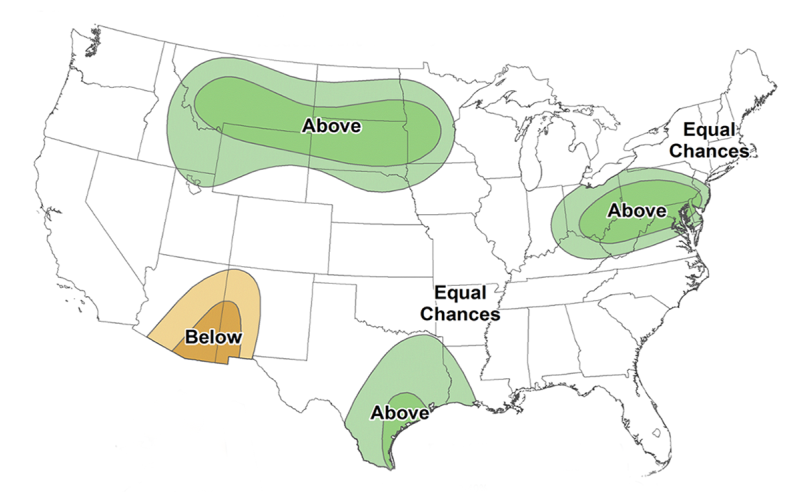
End of Summer 2023 Climate Outlook
A recent run of warm temperatures and dry conditions in South Dakota has accelerated drought concerns, but some good news lies ahead in the NOAA’s 2023 end of summer climate outlook.
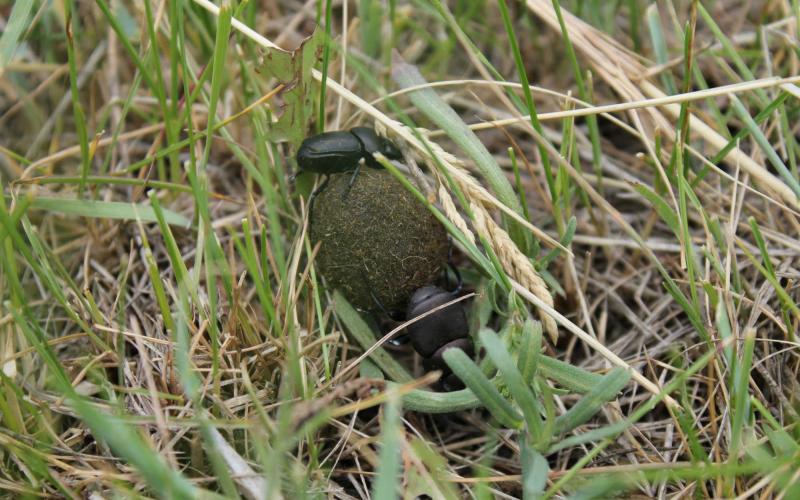
Managing Livestock for Dung Beetles and Other Beneficial Species
South Dakota researchers have taken a closer look at the function of dung beetles in Eastern South Dakota over the last few years. This article summarizes findings related to management of livestock grazing and chemical pesticides in relation to dung beetle and insect community health.